

EcoLur
In the framework of the project entitled “Support to SHPP-relating Reforms Through the Dialogue of Public and RA Nature Protection Ministry for Sustainable Use of River Ecosystems” the expert group visited “Voghji 2,3” SHPPs. “Voghji 2,3” SHPPs are located in Syunik Region, in the administrative area of Kapan community. The SHPPs are, in fact, constructed on the Voghji River (river-length – 82 km), but the certificate issued by the Public Services Regulatory Committee (PSRC) dated on 1 January 2016 says they are constructed on the irrigation complex. They are operated by “Kapan Energy” CJSC.
As a result of the monitoring, the expert group found out:
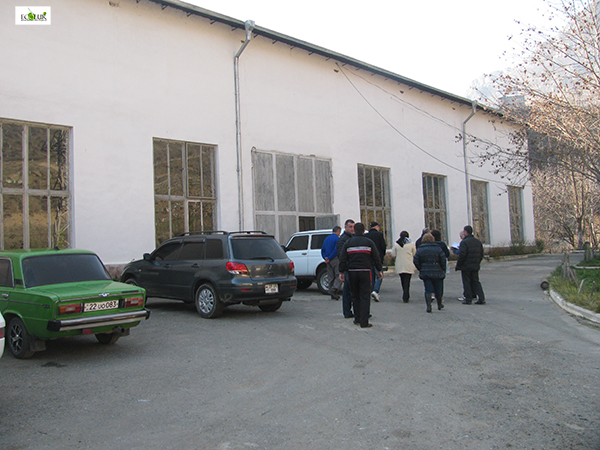
- “Voghji 2” station was constructed in 1912 and “Voghji 3” SHPP was constructed in 1952.
- The SHPPs don’t have any projects. The certificate issued by the Public Services Regulatory Committee (PSRC) dated on 1 January 2016 contains no data about the estimated pressures and yields of these SHPPs. According to the PSRC, as of 01.01.2016 the factual useful delivery of the electricity is 35.1308040769231 million kWh. According to the project, the estimated production is 15.8 million kWh, estimated capacity – 15300 kW, duration of license - 25.06.1999-25.06.2029, water usage permit - 26.11.2012-26.11.2015.
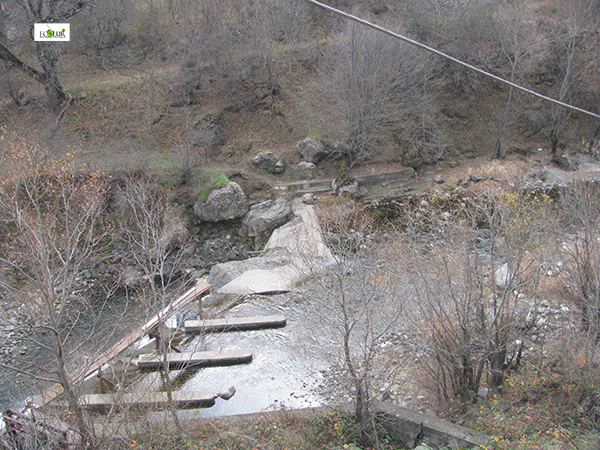
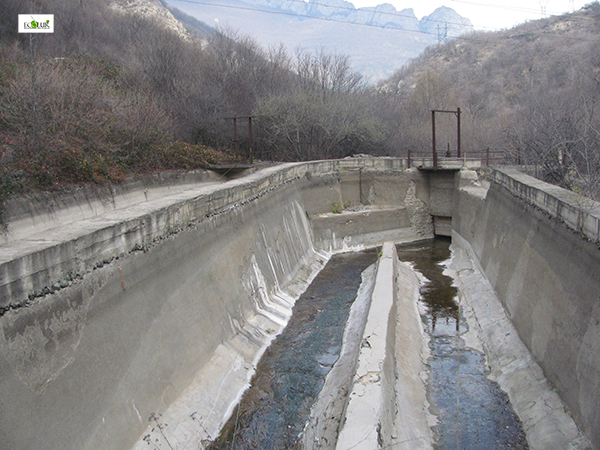
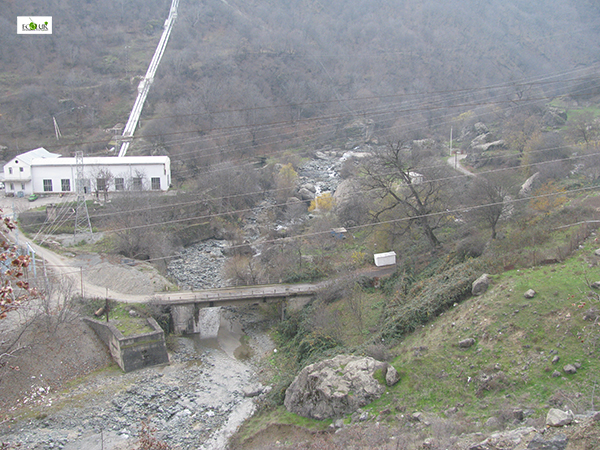
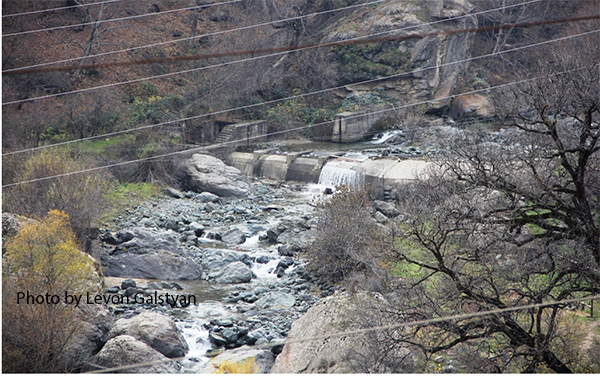
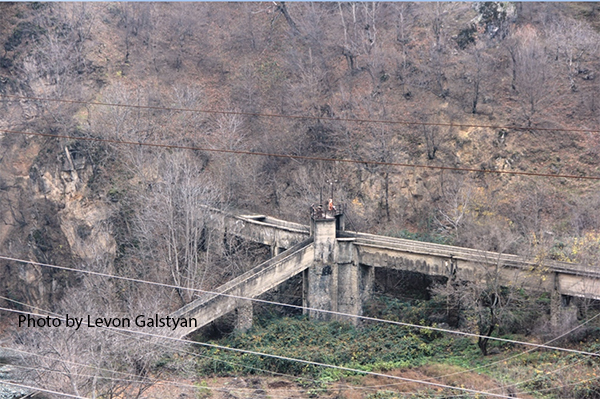
- “Voghji 2” and “Voghji 3” SHPPs have the same head section structures - a water intake, which includes a dam, a sand trap equipped with garbage-collecting cage net. The length of the dam is 7 m, its height is 2.5 m. It’s a very old and worn out structure. “Voghji 3” water intake is also a very old structure, as observed from far.
- Both head sections don’t have a fish passway, so different fish species living in the river can’t flow up the river.
- In the middle reach of the Voghji River, where the SHPP head section is constructed, you can meet the brown trout, the South Caucasus Sprilin, Kura barbell, Angora loach, as well as other fish species. The rainbow trout may also be seen here.
- According to the water usage permit, “Voghji 2” and “Voghji 3” SHPPs can annually carry out water intake in the amount of 227290.0 cum ensuring an environmental flow of 622712.0 m3/day or 7207.3 l/s 24/7 all year round in the river. According to the company, the environmental flow is 0.06 m3/s. The environmental flow in the river is ensured with the yields flowing over the dam.
- The automated management and recording of the environmental flow is not ensured.
- There is no water-meter sealed by a relevant environmental body in the water intake.
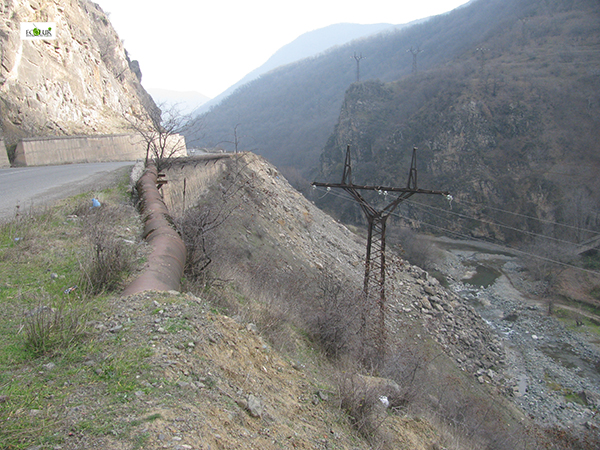
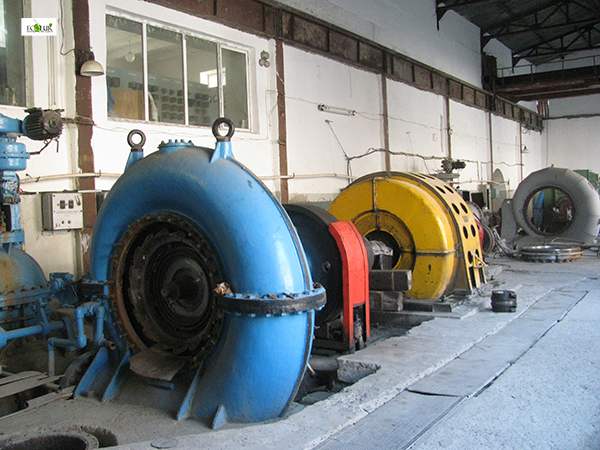
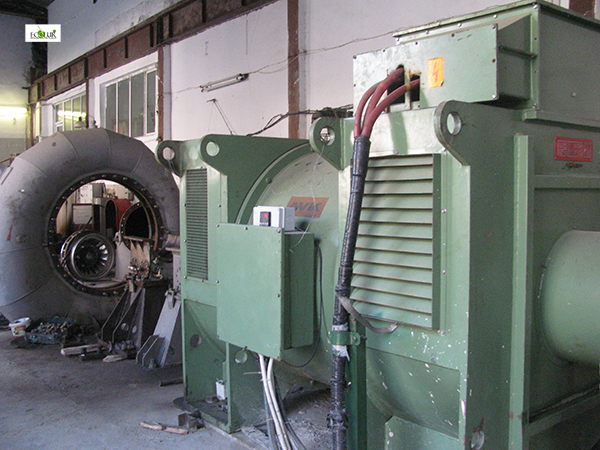
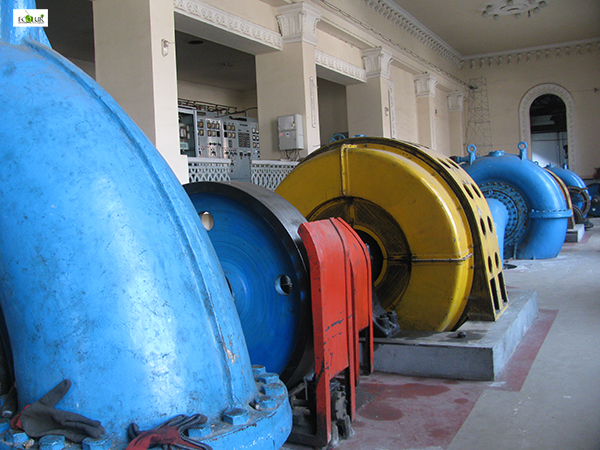
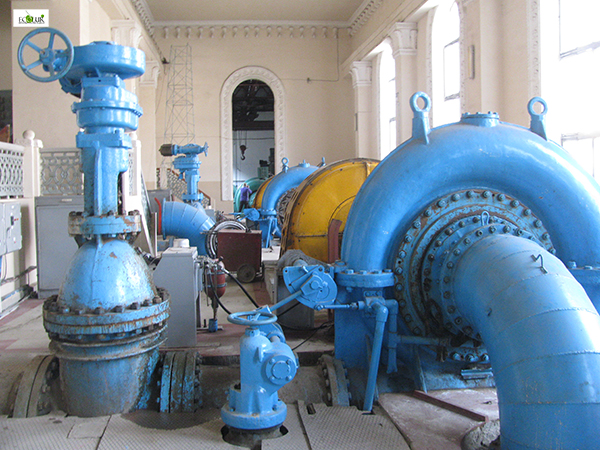
- There are three aggregates installed in “Voghji 2” station produced in 1927, 1951 and 2006, respectively. The aggregates have aggregate capacity of 6.6 MW. According to the company director, they ensure capacity of 5.8 MW. The yield used for the SHPP is 7.2 cum/s. There are 4 aggregates installed in the building of “Voghji 3” SHPP. Three of these aggregates have projected capacity of 2.5 MW, the fourth has 1.2 MW. According to the company director, the projected capacity is 8.7 MW, but the SHPP ensured 6.3 MW capacity. The yield used for the SHPP is 7.2 cum/s.
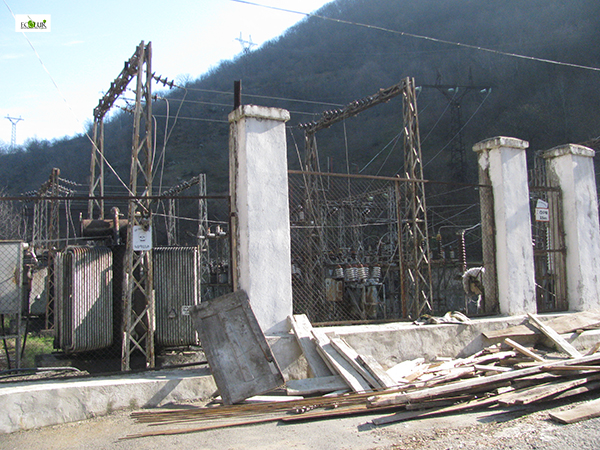
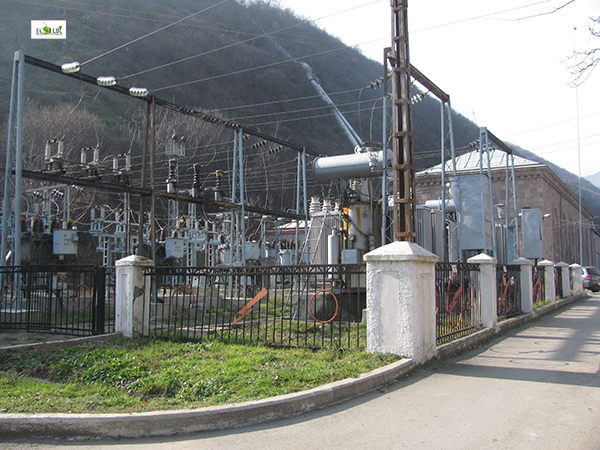
- The transformer station of “Voghji 3” is fenced, there are no oil-collectors.
- According to “Computation Center” CJSC data, in 2014 “Voghji 2,3” SHPP operated for 10 months and produced 32120664 kW electricity.
- The requirements posed to the preservation of fertile soil layer and its use are complied with, reclaiming has been carried out, no landslide phenomena observed.
- Free water usage requirements are complied with.
- No inspections have been carried out in the SHPPs in recent 5 years.
Conclusion
The observations showed that “Voghji 1” and “Voghji 2,3” SHPPs have cascade type. The water discharged from one SHPP is used for the water intake of the other SHPP. Water intakes for different purposes are carried out in the same river section for three SHPPs and different hyrotechnical structures have been constructed for this purpose. All this leads to environmental overload on the Voghji River. SHPP dams, irrigation systems, as well as artificially generated lack of water because of water intake carried out for mining, waste water regularly dumped into the river cause irreversible damage not only to the fish world, as well as the whole ecosystem.
The SHPPs were constructed in the Soviet years, and the structures don’t comply with the current requirements posed to the SHPPs, particularly the environmental problems relating to the fish passway, free-of-obstacle movement of the fish up the river for spawning, determination and ensuring of environmental flow amount. It’s urgently needed to carry out the construction of fish passways and other fish-protecting structures, as well as eliminate wastewater dumping, set new environmental flow and take other environmental measures.
Proposals
1. To make the structures of the SHPPs compliant with the current requirements.
To entirely reconstruct the dams in the water intake sections in “Voghji 2” and “Voghji 3” water intake sections for free-of-obstacle movement of the fish up the river for spawning, determination and ensuring of environmental flow amount.
2. Based on the hydrological characteristics of the river to review the hydroeconomic estimates for the SHPPs and to set precise criteria for the water use of SHPPs –natural yield, yield used for the SHPP according to the months, environmental flow, free water usage etc.
3. To calculate and set such an environmental flow, which will ensure the normal activities of the Voghji River, adjacent natural landscapes and biodiversity.
4. To ensure automatic management of environmental flow in the head section, installation of water-measuring devices and online control.
5. To replace the old aggregates installed in the stations with up-to-date and efficient equipment.
"Voghji 2" small HPP
 |
 |
 |
 |
 |
 |
 |
 |
"Voghji 3" SHPP
 |
 |
 |
 |
 |
The material was developed in the frames of “Supporting reforms in the sector of small hydro power plants through enabling a dialogue between civil society and the Ministry of Nature Protection for sustainable use of river ecosystems” supported by UNDP/GEF Small Grants Programme".
May 06, 2016 at 18:26