
EcoLur
In the framework of the project entitled “Support to SHPP-relating Reforms Through the Dialogue of Public and RA Nature Protection Ministry for Sustainable Use of River Ecosystems” the expert group visited “Sandaghbyur” SHPP. “Sandaghbyur” SHPP is located in the administrative area of Gorayk community, Syunik Region. The SHPP is constructed on the Sandaghbyur River. It’s operated by “Single Gor” LLC.
As a result of the monitoring, the expert group found out:
· The SHPP has been operating since 2007.
· The project doesn’t mention the static pressure. According to the SHPP representative, it’s 112 meters. According to the certificate issued by the Public Services Regulatory Committee (PSRC) on 1 October 2015, the estimated pressure of the SHPP is 100.1 m. The estimated yield used by the SHPP is 0.8 m3/s, under the project, projected capacity is 621 MW, the PSRC says it’s 800 kW, the SHPP representative says it’s 750 kW. According to the certificate issued by the Public Services Regulatory Committee (PSRC) on 1 October 2015, the factual useful delivery of the electricity is 2.05775625 million kWh, duration of license - 21.07.2006-21.07.2021, water usage permit - 03.04.2006-03.04.2009.
· The real coordinates of the SHPP water intake and discharge points and heights above sea level completely comply with the coordinates mentioned in the water usage permit.
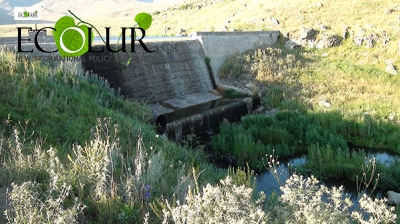
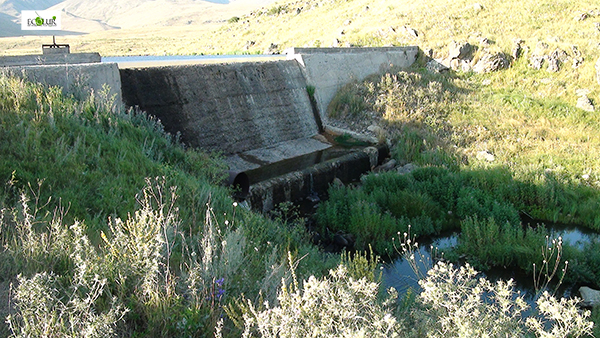
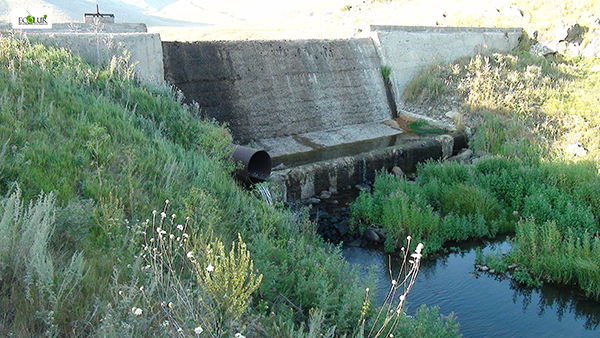
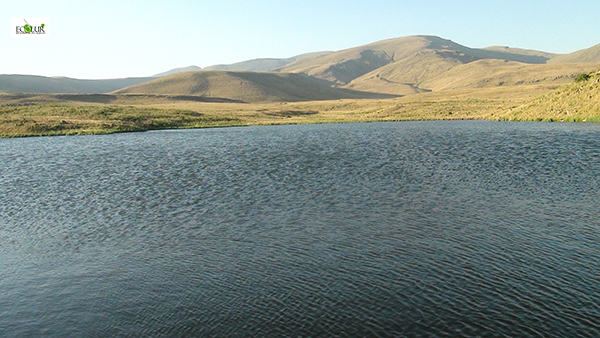
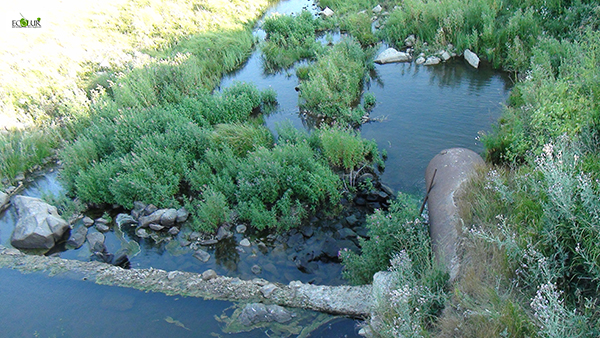
· The length of the SHPP is 42 meters, its height is 5 meters. There is lake generated above the dam. The length of the dam planned in the project is 7 meters, its height is 5 meters.
· Though the SHPP doesn’t have a fish passway, though the project plans it.
· There is garbage collector with five-centimeter-long slots, there is no fish-protecting net.
· Brown trout, the South Caucasus Sprilin, Kura barbell may live in the Sangaghbyur River. The large lake formed above the dam enables living the Prussian carp in it. The rainbow trout may penetrate into it.
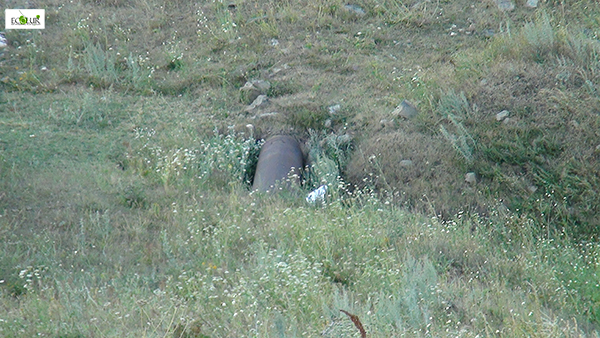
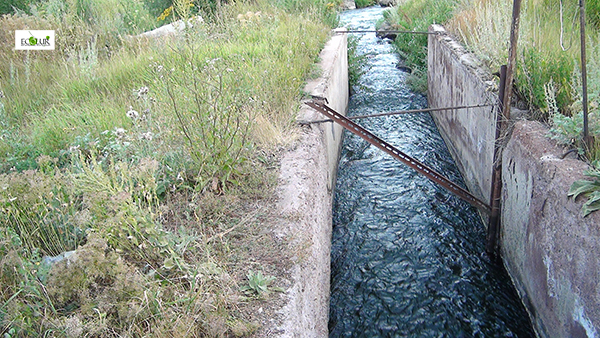
· The water usage permit doesn’t mention water intake and environmental flow water amounts. According to the project, the environmental flow is set 0.03 cum/s. The environmental flow is let out from the bottom part of the dam through a metallic pipe.
· According to “Computation Center” CJSC data, in 2014 “Sandaghbyur” SHPP operated for 12 months in 2014 and produced 1721635 kW electricity.
· The length and diameter of the pressure pipeline comply with the project data. Its length is 2450 meters, diameter – 800 mm. The pipeline is made of still, it’s completely buries, but in certain sections it’s laid incorrectly, which results in the loss of water pressure.
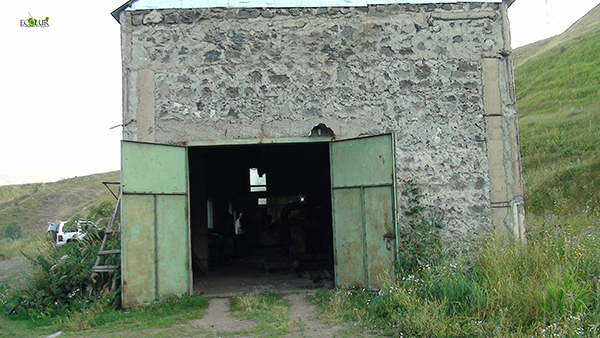
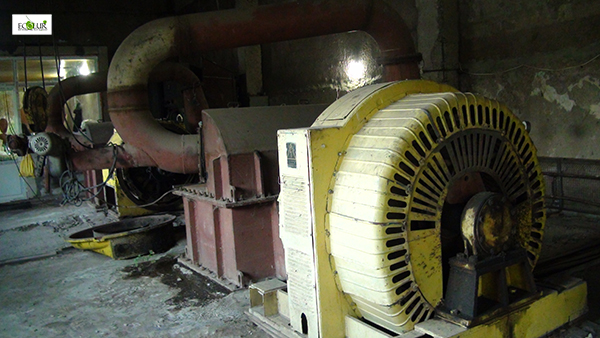
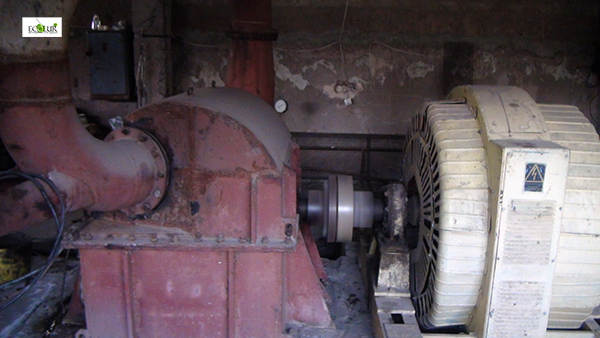
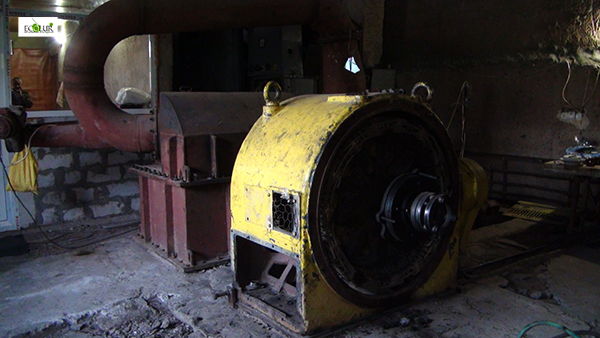
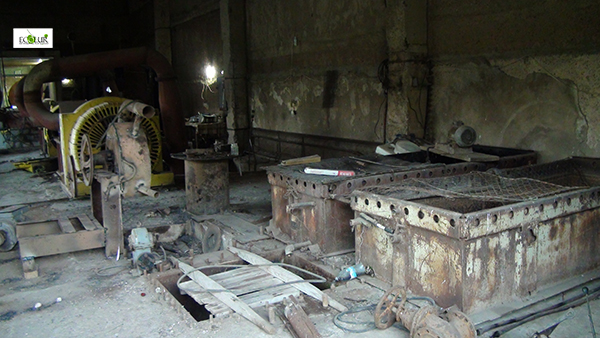
· There are two aggregates and a turbine of local production installed in the station instead of projected three ones. Generators were produced in the Soviet period. At the moment only one aggregate was operating.
· The station is not fenced.
· Automatic water intake management and registration was not ensured.
· There is a semi-automatic management system in the station.
· There is no water-meter sealed by a relevant environmental body in the water intake.
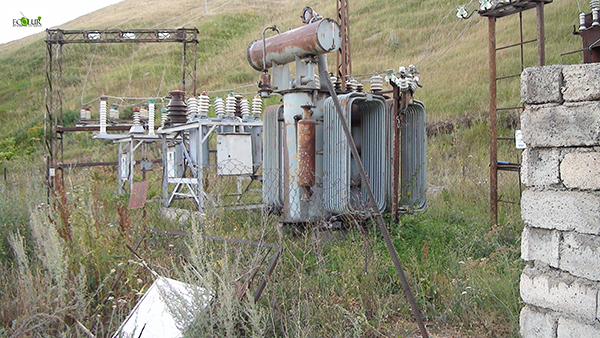
· The transformer substation is fenced, the installed only transformer is not equipped with an oil-collecting system, which was not planned in the project.
Proposals
1. To apply for a new water usage permit, which will specify the water intake and environmental flow amount.
2. To entirely reconstruct the head section thus ensuring the movement of the fish in the river.
3. To install a fish-protecting net.
4. The dam method should be avoided and the water intake should be carried out through other hydrotechnical solutions.
5. To ensure automatic management of environmental flow in the head section, installation of water-measuring devices and online control
6. To reconstruct some sections of the pipeline to exclude loss of pressure
7. To install up-to-date efficient equipment to ensure entire automatic management to use hydroenergetic reserves most efficiently.
8. To fence and improve the station area and to carry out a tree planting.
 |
 |
 |
 |
 |
 |
 |
 |
 |
 |
 |
 |
The material was developed in the frames of “Supporting reforms in the sector of small hydro power plants through enabling a dialogue between civil society and the Ministry of Nature Protection for sustainable use of river ecosystems” supported by UNDP/GEF Small Grants Programme".
March 03, 2016 at 18:31