
EcoLur
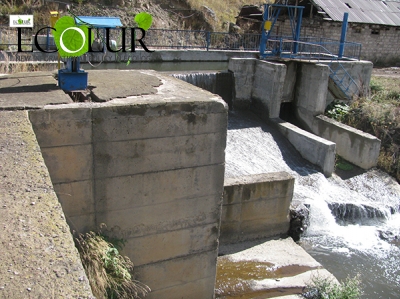
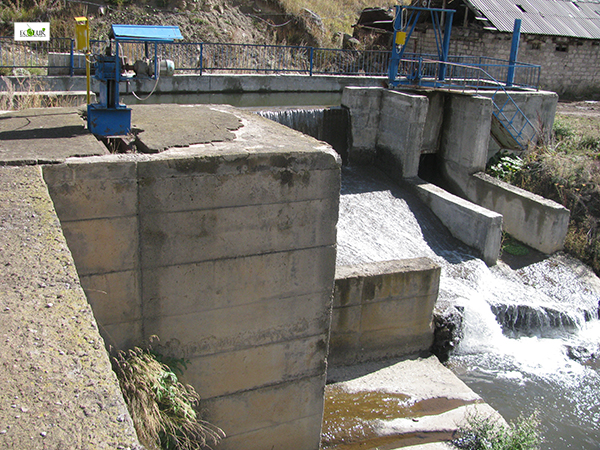
In the framework of the project entitled “Support to SHPP-relating Reforms Through the Dialogue of Public and RA Nature Protection Ministry for Sustainable Use of River Ecosystems” the expert group visited “Vardahovit” SHPP. “Vardahovit” SHPP is located in the administrative area of Vardahovit community, Vayots Dzor Region. The SHPP is constructed on the Karakaya Tributary to the Yeghegis River (length – 15 km). It’s operated by “Vardahovit” LLC.
As a result of the monitoring, the expert group found out:
- The SHPP has been operating since 2012.
- According to the project and the company, the static pressure of the SHPP is 223 m. According to the project and the certificate issued by the Public Services Regulatory Committee on 1 October 2015, the estimated pressure of the SHPP is 209.5 m. According to the project and PSRC certificate, the estimated yield used by the SHPP is 2.5 m3/s. According to the project and PSRC certificate, the projected capacity – 4250 kW. According to the PSRC, the factual useful delivery of the electricity is 6.478605 million kWh, the estimated production of the SHPP is 10870 kWh according to the project, duration of license - 20.06.2012-20.06.2027, water usage permit 25.12.2014-25.12.2017.
- The real coordinates of the SHPP water intake point and water discharge don’t comply with the coordinates laid down in the water usage permit.
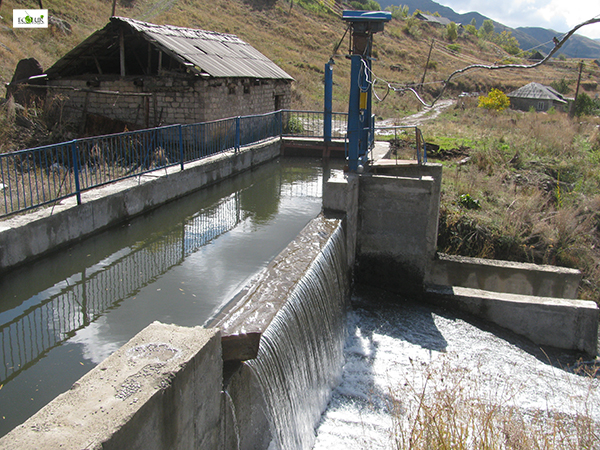
- The water used by “Karakaya” SHPP is discharged to the “Vardahovit” SHPP head section. A part of the water collected in the water drainage basin flows to the river through the dam, while the other part is filled into the sand trap, from where remaining yields are also discharged to the river.
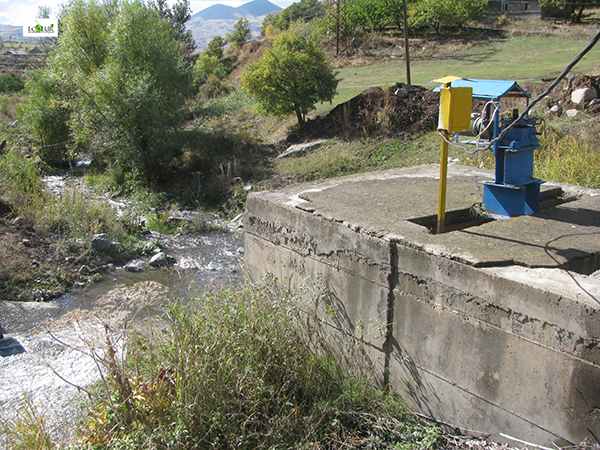
- The length of the dam is 18 meters, its height is 3 meters. The structure is made of concrete.
- There is no fish passway in the head section. The absence of the fish passway and the dam constructed on the riverbed is an obstacle to the migration of the fish species up the river.
- There are no fish-protecting cage nets in the head section. Instead, there is a garbage-collecting cage net of 2.55 meters long, and the distance between their slots is 2.5-3.0 cm.
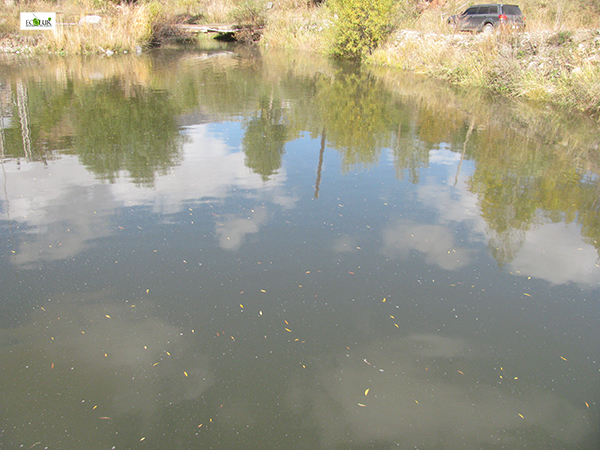
- You can meet the following fish species in this section of the Karakaya River: brown trout, the South Caucasus Sprilin and Kura barbel. The rainbow trout may penetrate into here from the fish farms.
- The SHPP pipeline is made of steel: the length and diameter of the pipeline comply with the project data: length – 3570 meters and diameter – 1220 mm.
- Percentage correlation of aggregate length of SHPP derivation pipelines (10165 meters) of “Vardahovit” SHPP (developer - “Vardahovit” LLC, the length of the derivation pipeline is 3570 meters, according to the project), “Karakaya” SHPP ( developer – “HAK HPP” LLC, according to the project, the length of the pipeline constructed for the water intake from the Karakaya River is 4327 meters), “Sunrise” SHPP ( developer – “Sunrise Electric” CJSC, the length of the derivation pipeline is 2268 meters, according to the project), with the length of Karakaya River makes up 67.76 %.
- According to the water usage permit, “Vardahovit” SHPP can take water in all months, annually 23.55 million cum ensuring 0.03 cum/s environmental flow. The project planned environmental flow of 0.03 cum/s.
- According to “Computation Center” CJSC data, in 2014 “Vardahovit” SHPP operated for 12 months in 2014 and produced 5521431 kW electricity.
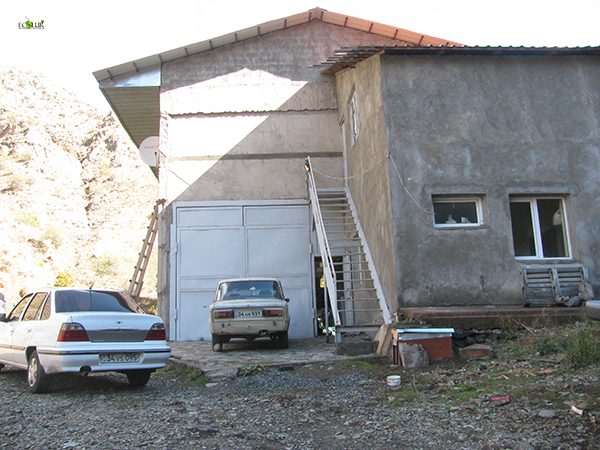
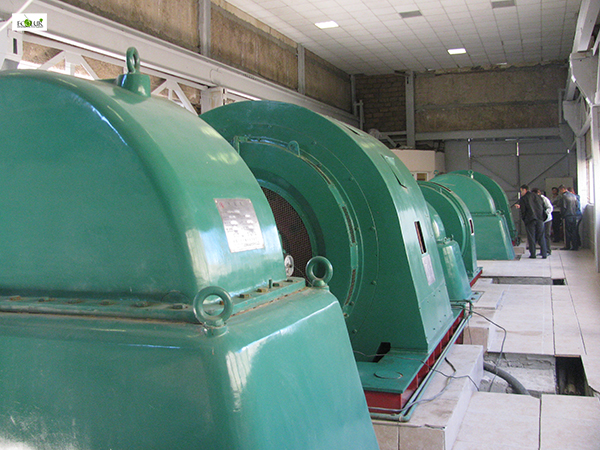
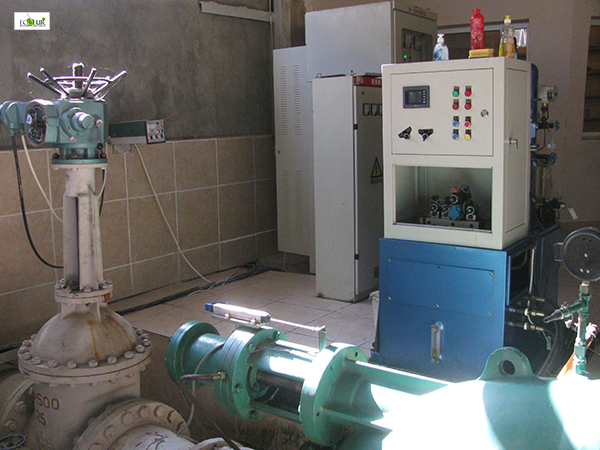
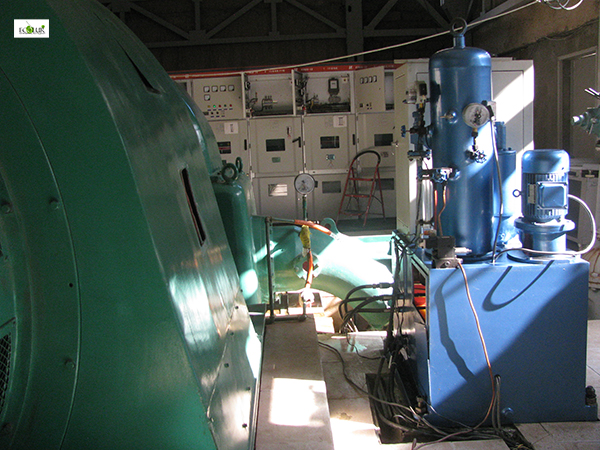
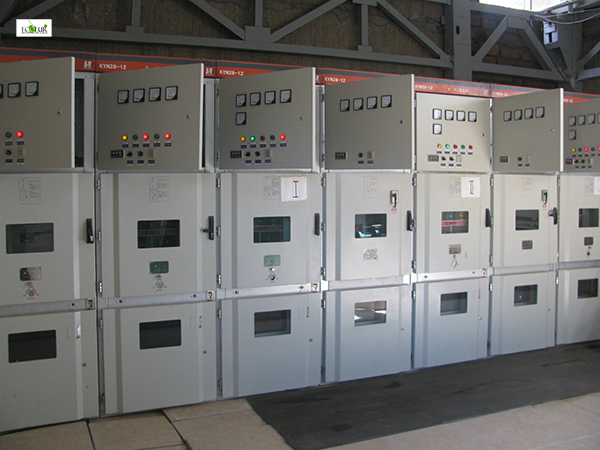
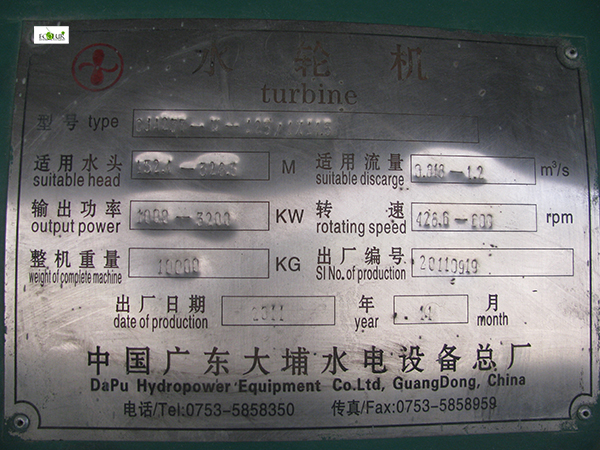
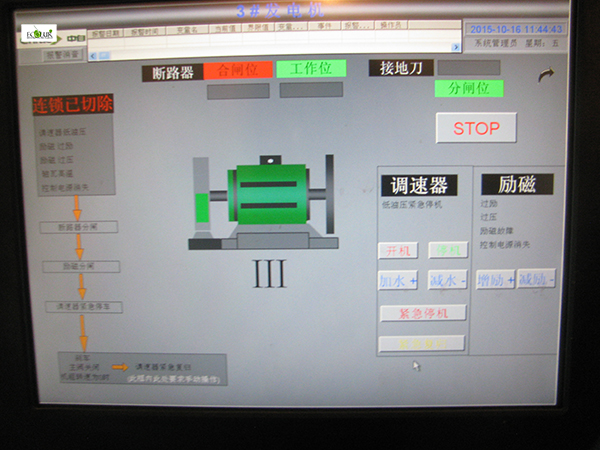
- There are three aggregates installed in the SHPP buildings of Chinese production. At the moment of observation only one aggregate was operating using 210 l/s water amount and ensuring 100 kW capacity, as it was a low-water season. The maximum estimated yield for the SHPP has been set 2.5 cum/s, which is used by the SHPP in April-May only.
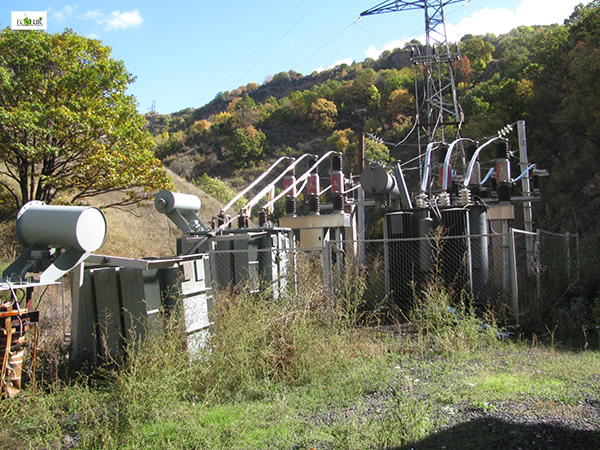
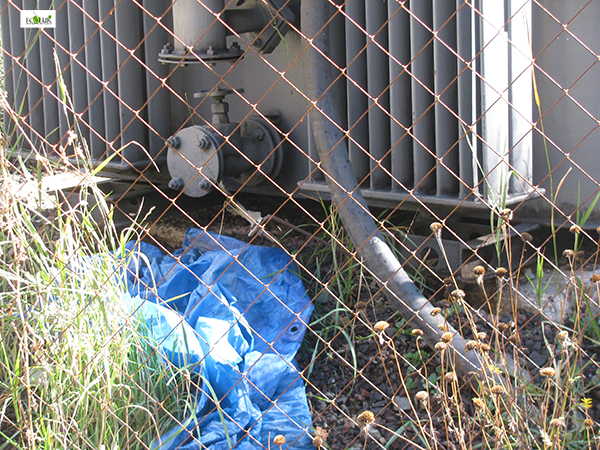
- The transformer substation is fenced, the installed transformers are not equipped with oil-collecting system.
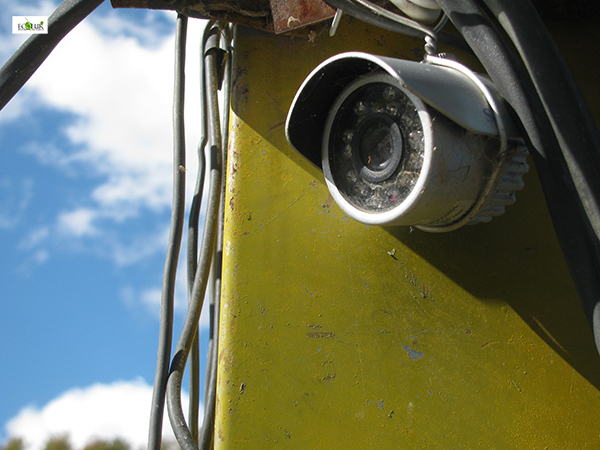
- Automatic management of recording of water intake and environmental flow is not ensured. The head section is equipped with 2 cameras, which are connected to the station to observe water intake in online regime.
- No tree felling was planned during the SHPP construction. The project planned planting 30 trees in the station area.
- There were not sufficient improvement and greening works carried out in the station area.
- The project planned to carry out the preservation of 480 cum vegetation layer and its further use, which hasn’t been carried out.
- The measures designed in the project for the recovery of the disturbed land areas haven’t been carried out.
- There is no water-meter sealed by a relevant environmental body in the water intake.
- The landscape is not disturbed and there are no signs of landslide.
- There is no solution to the discharge of household wastewater.
- In 2014 the State Environmental Inspection of Nature Protection Ministry carried out inspections in the SHPP and didn’t record any violations.
- The SHPP employs 9 people.
Proposals
- To ensure automatic management of environmental flow in the head section, installation of water-measuring devices and online control.
- To construct a fish passway.
- The amount of environmental flow set is too small to ensure natural state of the river and biodiversity: it needs to be reviewed.
- The SHPP shouldn’t operate in a low-water season taking into consideration the hydrological data.
- To clarify the reasons of the incompliance of the coordinated mentioned in the water usage permit.
- To equip the transformers with oil-collecting system.
- To re-equip the SHPP with new and up-to-date hydroaggregates having high efficiency to have entirely automated management system, to operate with little water amount and to ensure the projected capacity.
- To ensure solutions to the discharge of the wastewater through a water-proof well or “mini” cleaning station.
- To carry out measures aimed at the recovery of disturbed land areas.
 |
 |
 |
 |
 |
 |
 |
 |
 |
 |
 |
 |
 |
 |
The material was developed in the frames of “Supporting reforms in the sector of small hydro power plants through enabling a dialogue between civil society and the Ministry of Nature Protection for sustainable use of river ecosystems” supported by UNDP/GEF Small Grants Programme".
March 22, 2016 at 16:14