
EcoLur
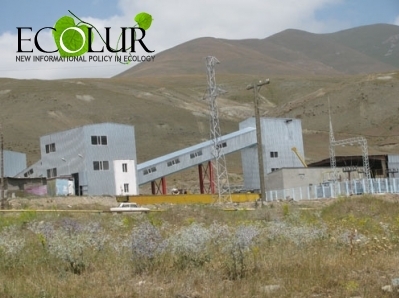
The project of Shorzha magnesium-silicate mine development doesn’t reflect the real risks for the ecosystem of Lake Sevan. The project factually misses environmental impact assessment, though the specialized public hearings on 22 February 2013 in Shorzha Village were dedicated to the discussions of the EIA. As substantiation we will bring the following: the project presents the reassessment of Shorzha mine reserves. The ore reveals platinoids and accompanying chemical compounds of nickel, iron, copper and vanadium, as well as vast amount of chromites and little amount of gold and silver. The mining is carried out in opencast manner. The ore is crushed on the spot and processed at the factory in gravity manner 2-3 km far from Lake Sevan, thus violating Article 10 of RA Law “On Lake Sevan”, which prohibits any processing activities in the lake basin.
The opinions submitted by the Scientific-Expert Committee on Lake Sevan Preservation and Agency on Water Resources at the public hearings are based on the previous project of Shorzha mine development project. Nevertheless, the previous project didn’t contain any information about the concentration of metals classified as toxic elements. The project author, RA NAS Academician Sergey Grigoryan, insisted it was not ore, but massive material. Now the situation has changed. It can be implied from the answers given by “Gegamet Plus” company representative, the concentrates containing precious and other metals have been accumulating at the factory. In reply to EcoLur’s question, “Gegamet Plus” company representative Shahen Khachatryan answered, “Almost all massive materials, which can be found in the south-west section of Sevan, contain nickel, cobalt, vanadium and chrome. This is their inherent feature. If these massive materials were not present, they will turn into granite. We don’t aim to extract these metals; they are present in the form of some compounds in chromites. We remove chromite and they are removed together with it. Certainly these fractions cost something. During these years of operation we received 180 tons of concentrate containing these metals. Environmental Expertise Expert Karine Movsisyan made a comment, “Metal extraction is not planned, only crushing and screening. No chemicals are used and all this takes place in a closed cycle.”
It should be paid attention that Karine Movsisyan makes a reference to the old project of the factory, the latter not being submitted in this project, which is a mistake itself. In the course of the hearings “Trchkan” intiative representative Levon Galstyan, “The law doesn’t permit to issue a positive opinion to this project without the plant project, as it’s impossible to imagine what will happen to the raw materials next. The law says that everything should be assessed, how it will impact on the environment. But the project doesn’t say anything about this.”
It should be paid attention that the minimum requirements of RA Law “On Environmental Impact Expert Assessment” (Article 6) are not reflected on landscapes, health, biodiversity and mainly on Lake Sevan. That dust is blown off to the lake is already evident. So probably that’s why Sevan, a potential reserve of freshwater, is polluted with vanadium, while the source of pollution hasn’t been detected. As hearings participant Levon Galstyan, “There are no initial data about background significances, water, how the monitoring will be conducted if there is nothing to compare with. They write high water occurs, but this water flows to Lake Sevan. What kind of impact the mines will have on high water, nothing is noted about this. There will be serious changes in the landscape, again this part is missing. The project doesn’t say anything about it. The project says there is no vegetation, but it’s impossible, as there is vegetation, just it was not presented. Next to it Sevan National Park, how this project will impact on Sevan National Park? Again nothing. Nothing is mentioned about the impact of dust on people’s health, for example, employees’ health. Mines are serious source of dust polluted with heavy metals.”
All the aforementioned shows that the project has been underdeveloped and needs serious expert opinions including stakeholder ministries and departments and independent experts taking into consideration the strategic significance of Lake Sevan prescribed by the law.
March 11, 2013 at 13:19