

Victoria Burnazyan, Vice President of the “EcoLur” Informational NGO, and journalist Kristina Ter-Matevosyan participated in a study visit to Bulgaria on November 10–14 dedicated to solid waste management. The visit was organized with the support of the CEE Bankwatch Network with the aim of exchanging experience, establishing partnerships, and developing new collaborations.


Representatives of civil society from the Czech Republic, North Macedonia, Montenegro, Ukraine, Tajikistan, and Uzbekistan took part in the visit.

On the first day of the visit in Sofia participants were hosted at the office of the Bulgarian NGO “Za Zemiata,” one of the country’s leading environmental organizations, which has been operating since 1995 in support of environmental and economic justice.

During the meeting, participants presented their countries’ experience in the field of waste management, discussing existing problems, implemented programs, and applied solutions.

The discussion also covered the common challenges faced by the countries in the context of waste prevention and minimization, sorting, recycling, infrastructure development, and policy implementation with special attention on biowaste – the largest fraction of household waste.

On the second day of the visit, participants toured Sofia’s municipal enterprise for waste treatment and learned about its operations.

Here, recyclable waste is sorted, refuse derived fuel is produced, biogas, electricity, and heat are generated anaerobically from food waste, and compost is made from garden waste, such as leaves and branches from the maintenance of public green spaces.


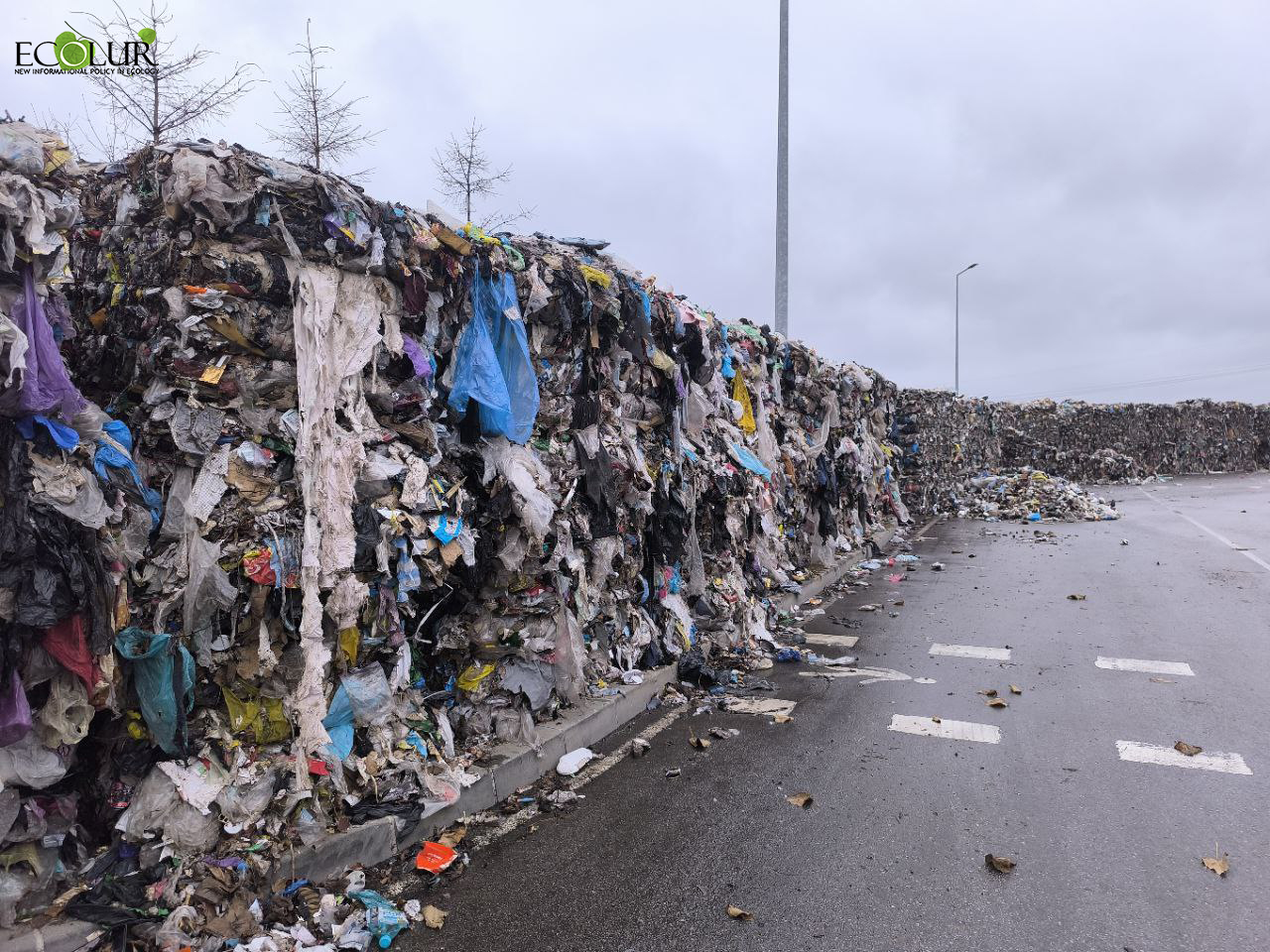


The participants met also with Sofia City Council representatives from “Save Sofia” - a local political party originating from a local active citizen movement, who presented the waste management challenges and practices of the Bulgarian capital.


As part of the visit, participants also traveled to the city of Blagoevgrad, where they became acquainted with the local solid waste management system.


The facility’s infrastructure includes a sanitary landfill, a mixed-waste sorting line, a modern facility for producing biogas, electricity, and heat from anaerobic digestion of biowaste, as well as a green-waste composting unit.


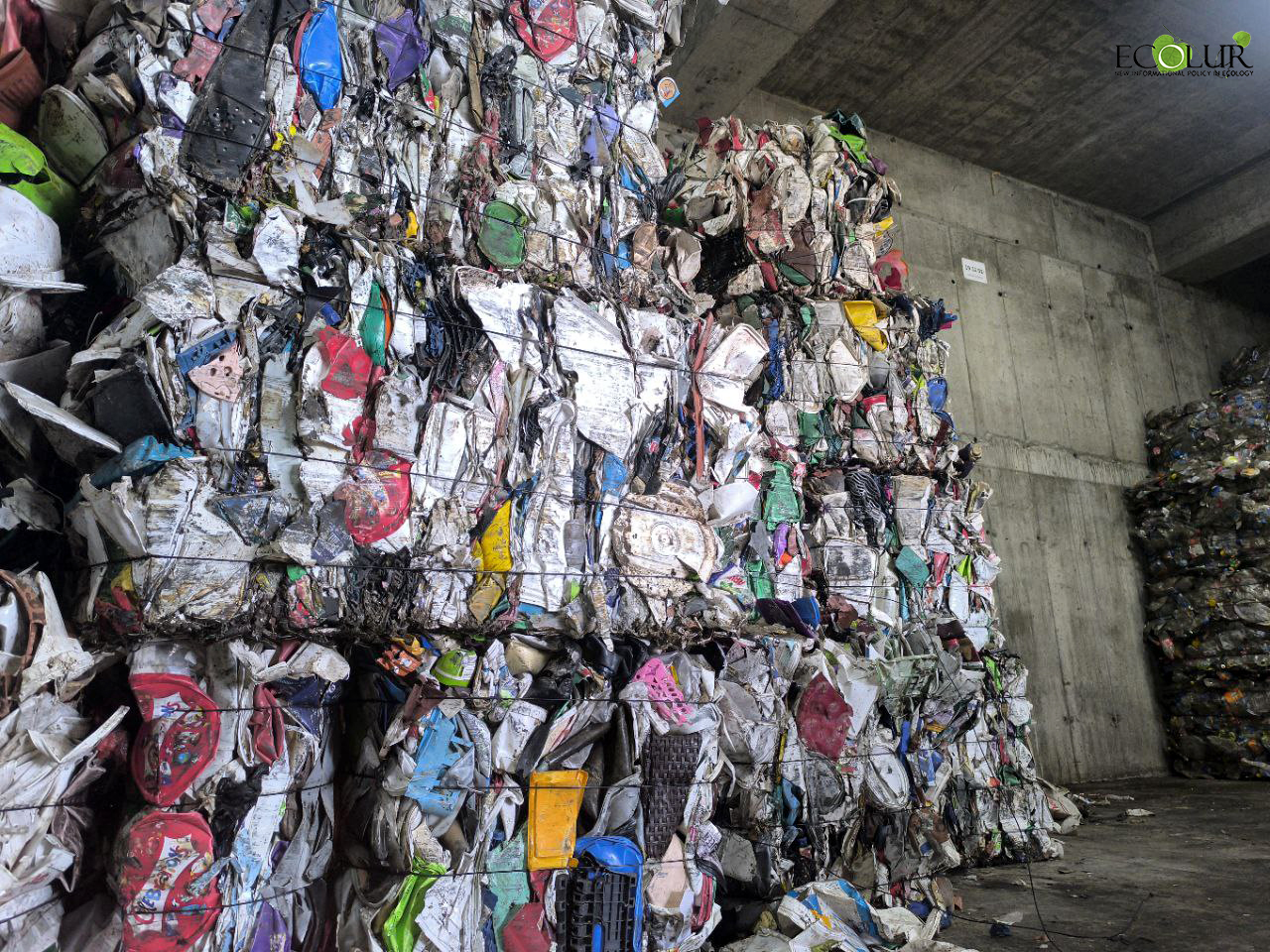


At the Blagoevgrad Municipality, representatives of the local authorities presented their experience in separate waste collection, cooperation with local stakeholder NGOs, schools, and communication with citizens.

Fidanka Bacheva-McGrath, Strategic Area Leader - Cities for people, at “CEE Bankwatch Network” global network, speaking about the importance of the exchange visit with EcoLur, said: “It was important for people to hear about each other's countries, what are the challenges, what are the solutions that are emerging. As challenges and solutions are on many levels, starting from the role of civil society in supporting awareness-raising with communities, or providing expertise in designing the solutions and the systems.

And then also civil society participating in the decision-making on investments. For example, in projects financed by the European Bank for Reconstruction Development, the European Investment Bank, EU funds, Asian Development Bank. So, our future plans are that first of all we will continue exchanging experiences about those solutions.

Second, there's the idea to create a virtual resource centre where we have all the knowledge from civil society, all the toolkits, guidances, good case studies, so people can refer them. Some of those publications can be translated to Armenian, for example, to be used in the Armenian discourse about how to progress in the system. Because all this has already been done and tested, we don't have to invent it for Armenia, we have to adapt it․”

McGrath added that the CEE Bankwatch Network will continue to support the involved specialists both in their mutual cooperation and in the work carried out at the local level, helping to establish connections with institutions that finance projects in the field of waste management.
December 11, 2025 at 12:23