
UN Secretary-General António Guterres has called on countries to radically rethink their relationship with nature, warning that biodiversity loss is a global crisis no nation can ignore.
In a message marking Thursday’s International Day for Biological Diversity, the UN chief raised alarm over the “lightning pace” of degradation of the natural world.
“Biodiversity is the bedrock of life and a cornerstone of sustainable development,” Mr. Guterres said.
“Yet humanity is destroying biodiversity at lightening pace, the result of pollution, climate crisis, ecosystem destruction and – ultimately – short-term interests fuelling the unsustainable use of our natural world.”
He stressed that no country, “however rich or powerful,” can address the crisis in isolation, nor thrive without the ecological richness that defines life on Earth.
Alarm bells ringing
The International Day comes amid stark concern for the future: one million species are at risk of extinction, 75 per cent of land ecosystems and two-thirds of marine environments have been significantly altered by human activity.
Furthermore, if current trends continue, progress towards eight of the 17 Sustainable Development Goals (SDGs) could be jeopardized.
Mr. Guterres called for urgent implementation of the Kunming-Montreal Global Biodiversity Framework, the landmark agreement adopted to halt and reverse nature loss by 2030.
This includes delivering on national biodiversity action plans, scaling finance for conservation, shifting harmful subsidies, and supporting local communities, Indigenous Peoples, women and youth.
Live in harmony with nature
Biological diversity underpins food security, livelihoods, health and climate resilience.
Roughly three billion people eat fish for 20 a per cent of their animal protein intake, and 80 per cent of rural populations in developing countries rely on plant-based medicine.
Yet the destruction of natural habitats is also increasing the risk of zoonotic disease transmission, making biodiversity preservation a key factor in global health.
“Living in harmony with nature and sustainable development is humanity’s path to a better world for all,” Mr. Guterres said, echoing this year’s theme.
“Together, let us take it.”
The International Day
The UN officially designated 22 May as the International Day for Biological Diversity in 2000 to increase understanding and awareness of biodiversity issues.
The date marks the adoption of the Convention on Biological Diversity in 1992.
International Day for Biological Diversity Marked with Events Across Armenia
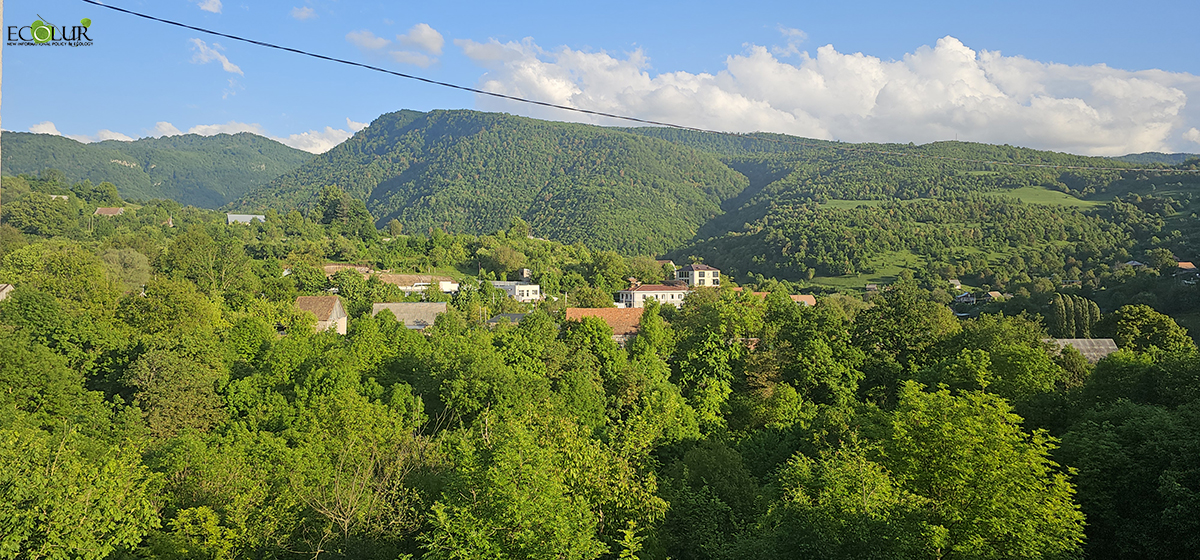
Armenia celebrated the International Day for Biological Diversity with a series of events highlighting the importance of conservation and environmental education. As part of Biodiversity Week, numerous activities were held to raise awareness and engage the public in protecting the country’s rich natural heritage.
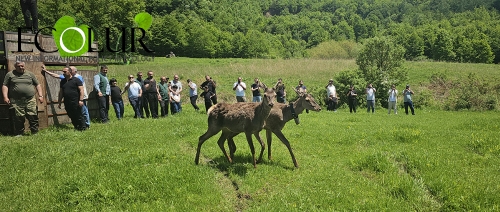
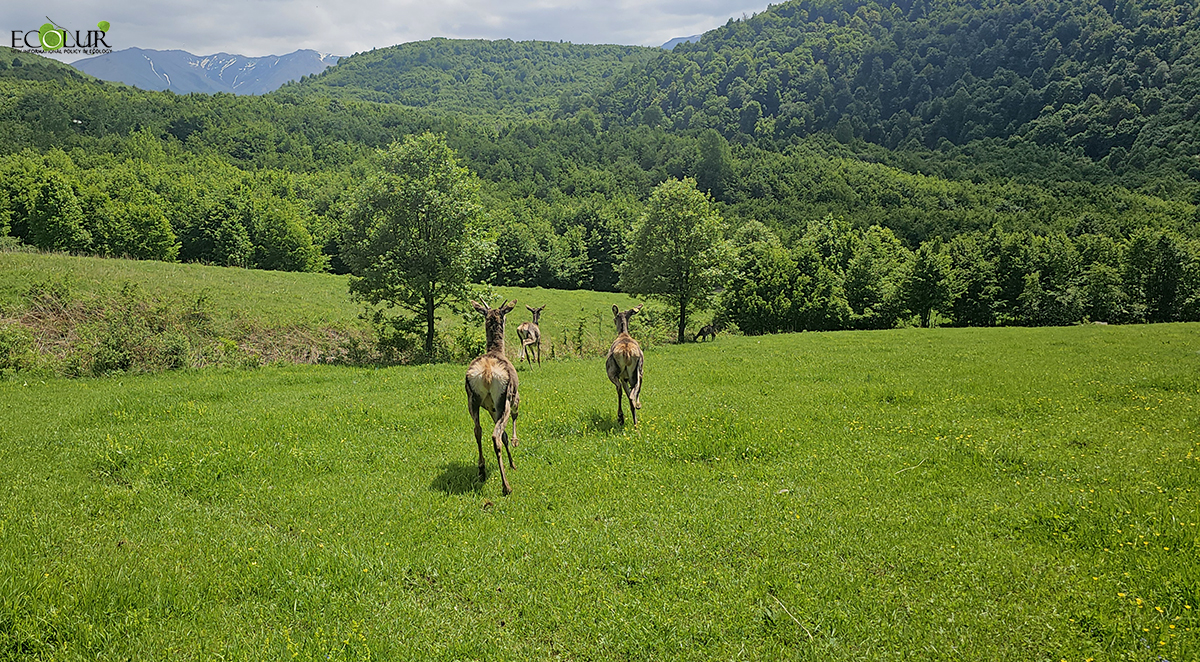
One of the most notable events was the release of nine Caucasian red deer into the wild in the Yeghegnut forest in Lori Region. This significant step supports the reintroduction and restoration of the species in its natural habitat, contributing to biodiversity conservation in Armenia. Reintroduction of the Caucasian Red Deer in Armenia project, implemented by WWF-Armenia.
May 22, 2025 at 17:18