
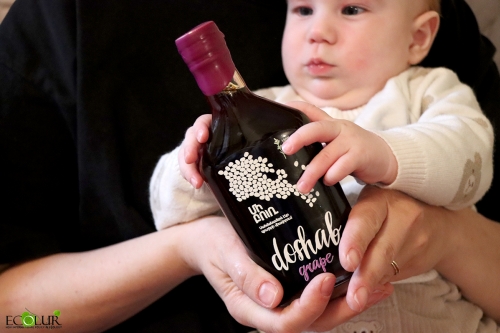

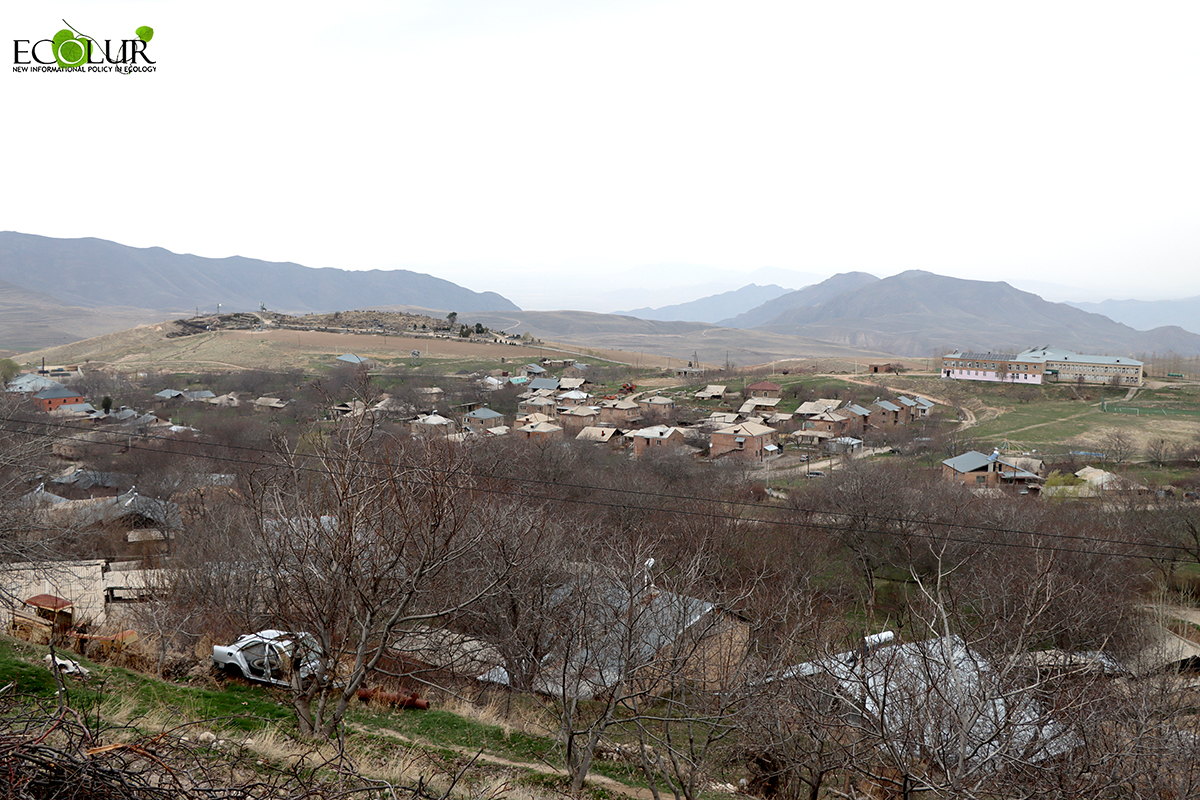
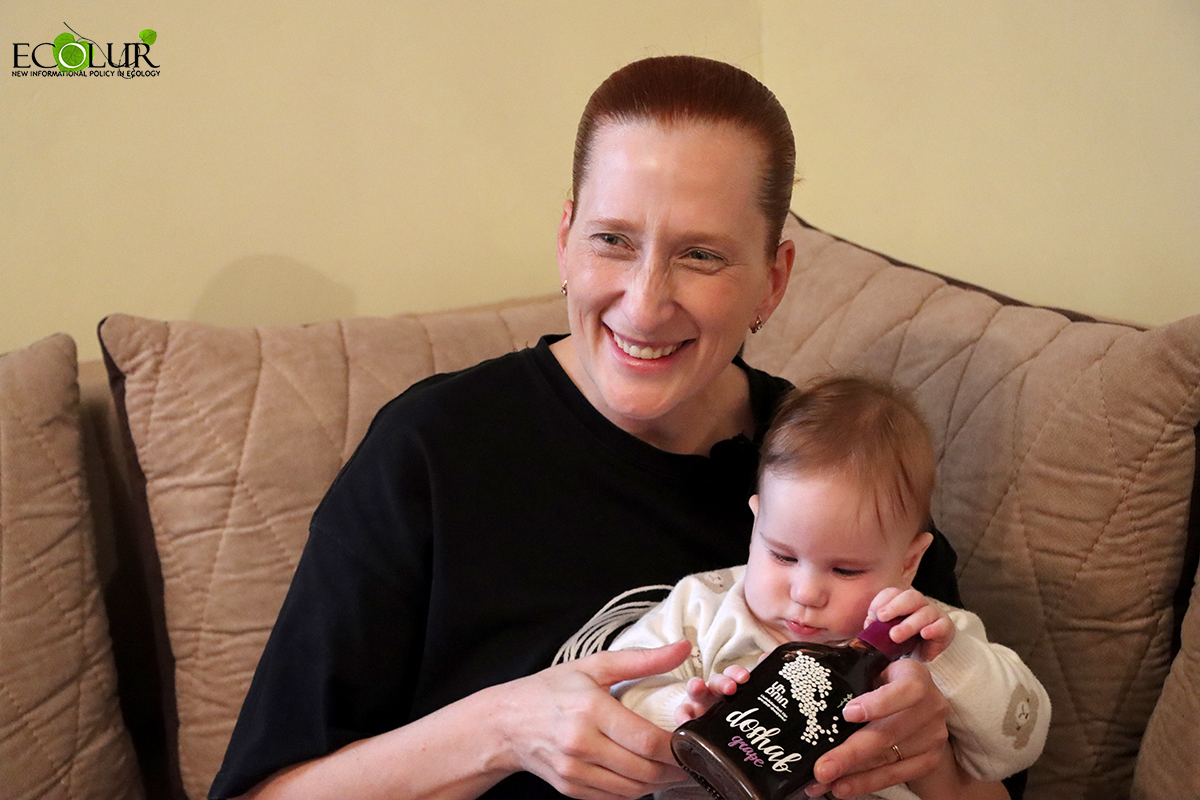
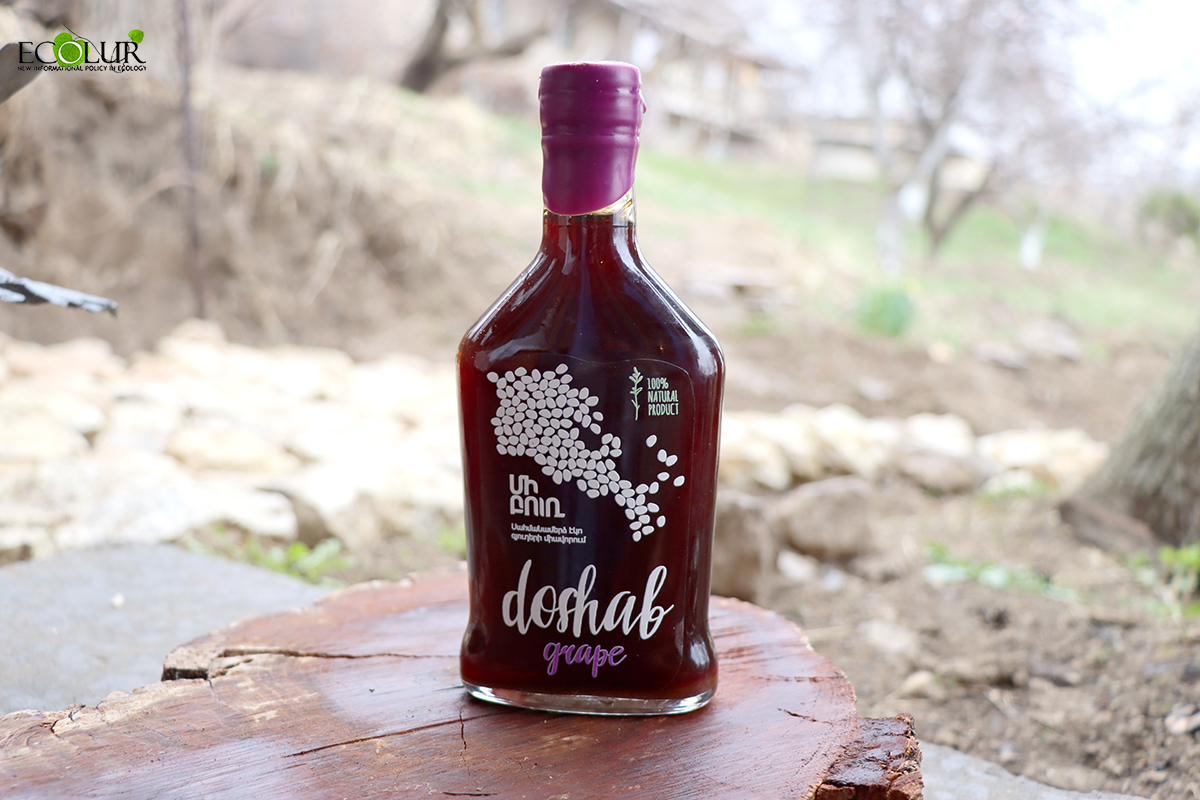
“Mi Bur” initiative-a union of borderland eco-villages nestled in the highlands of Armenia’s Vayots Dzor Region—has brought together a group of women in Khachik Village to make doshab” (a natural syrup) from grapes and rosehips. In Khachik, “doshab” has become a unifying force in the village, reviving forgotten traditions.
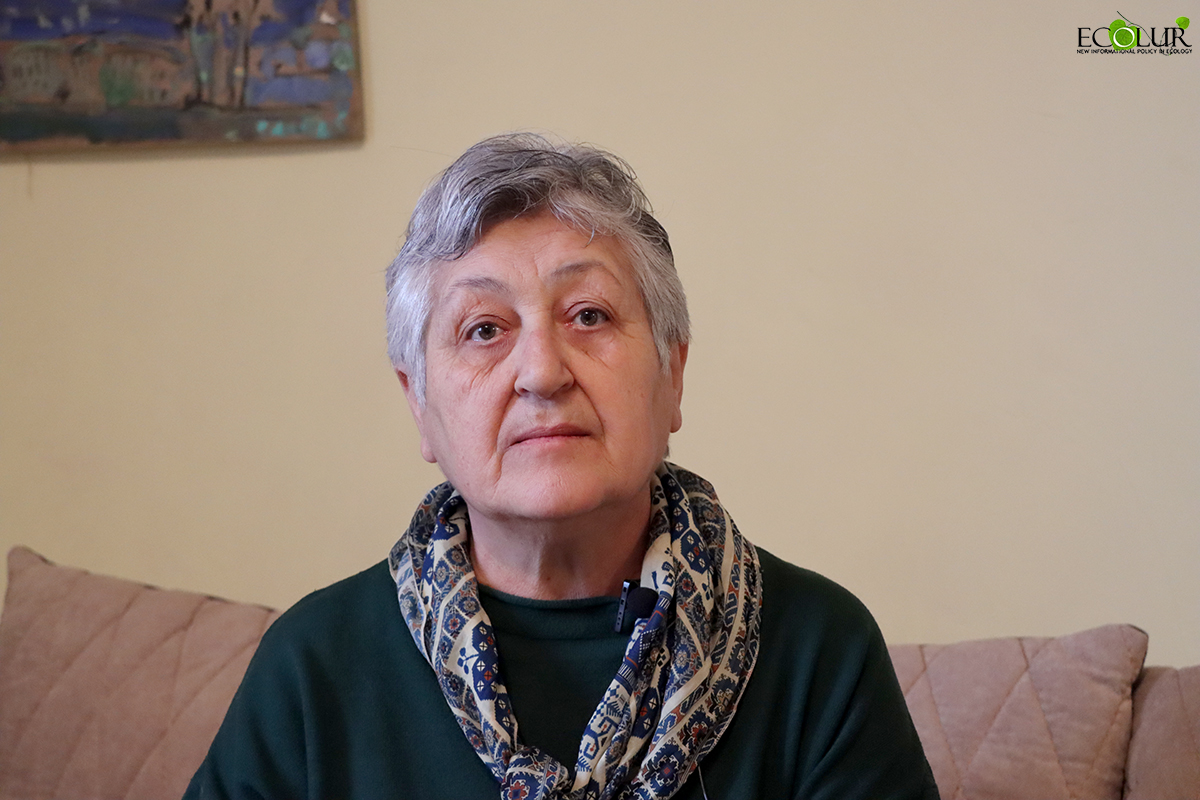
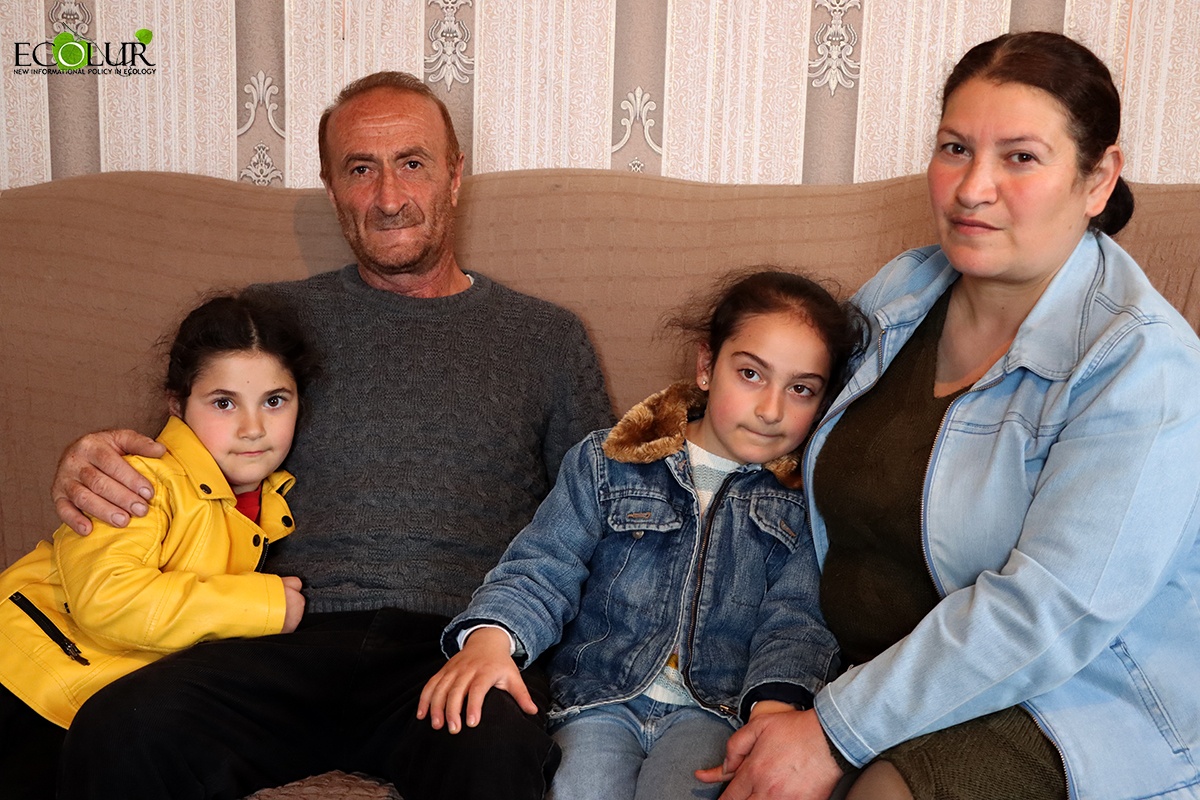
The tradition of making grape “doshab” in the village was revived by Sona Makaryan. “There was a time when no one would buy our grapes—they were left in our hands. I decided to make “doshab” from the grapes I couldn’t sell,” she explained.
Sona’s "doshab" is different from the more common mulberry syrup sold in markets—it’s made from grapes. “In our village, we make "doshab" from grapes. It’s a sweet juice with no added sugar and has a unique taste. People use it all winter with foods like pumpkin, dairy, and butter. It’s even used as a remedy for livestock wounds,” Sona said, adding, “The special thing about our “doshab” is that it carries the taste of Areni grapes.”
In 2019, she offered her homemade “doshab” to Eka Horstkha, co-founder of “Mi Bur” union of borderland eco-villages, who was visiting the village.
“I happened to taste the doshab under a walnut tree. It had a unique flavor. I noticed that this product wasn’t available in markets but had great potential. That’s how the idea of ‘Mi Bur’ was born—to uncover the resources of borderland villages and bring people together around a shared community goal,” said Eka Horstkha.
The goal is to support the development of borderland villages—starting with gathering Khachik residents around “doshab” making. “Why “Mi Bur” (‘a handful’)? Because it symbolizes unity, strength, and collective action. We started with a very small amount, and now we’re talking about tons,” Eka explained. She noted that they now have partners who implement eco-friendly practices in their vineyards. The current production volume of grape “doshab” has surpassed 1.5 tons.
Over the past few years, “doshab” making has changed not only Sona Makaryan’s life but also that of her fellow villagers. “We’ve united around the idea of making “doshab” while preserving traditions. After the grape harvest, the women collect their share of the grapes, crush them, and make “doshab”. Others also donate grapes because ours alone isn’t enough. This gives others the opportunity to sell grapes too. There’s even friendly competition now—whose grapes are better? People are starting to care for their vineyards more,” Sona said.
“Grape doshab was our first product. Then we discovered rosehip doshab. The rosehips are wild-collected. We started making it using an old recipe,” Eka added.
Marine Hambardzumyan from Khachik joined “Mi Bur” three years ago. Together with her husband, she gathers wild rosehips from the nearby mountains, boils them, and adds natural honey to produce a unique “doshab”. “We dug up old recipes, found them, and started making rosehip “doshab”,” Marine said.
For Marine, “Mi Bur” has become more than just a source of income—it has given her confidence that her product will reach the market. “The advantage of the project is that we don’t have to worry about when and how to sell our “doshab”. We know it has a place in the market. Even though we only work for a short time, the whole village comes alive during those days,” she shared.
According to Eka Horstkha, community participation has grown every year. While initially only a few families took part, today many villagers supply grapes and rosehips.
“We’re still in the development phase—the product is very young—but we already have regular customers and stores where we distribute. We’re interested in export, which will allow us to scale up. The fact that ‘Mi Bur’ is now recognized in the market already shows that we need to expand,” Eka noted. She added that they received support to scale up production through the “Living Landscapes for Market Development in Armenia” (LILA) project.
“Partnership is key. The project enriches us not just with tools but with knowledge. Many events are organized that help both us and the villagers improve our skills. We’ve adopted a mission to develop the border zone. Any support that helps a farmer in the borderlands is incredibly valuable,” Eka emphasized.
“Living Landscapes for Market Development in Armenia” (LILA) project is funded by the Government of Switzerland through the Swiss Agency for Development and Cooperation (SDC), and implemented by the WWF Caucasus and Armenia offices in partnership with Strategic Development Agency NGO (SDA).
May 27, 2025 at 13:15