
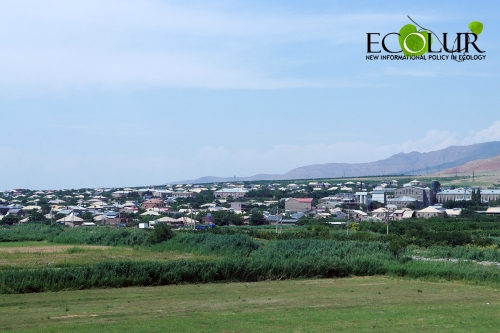
Armash settlement in the Ararat Region has rich biodiversity that needs to be protected. This was noted by Tigran Matevosyan, Head of the “Armash Rural Communities Support and Development Center” NGO, during an awareness-raising meeting held in Armash. The meeting was organized by EcoLur Informational NGO to discuss, ahead of the 17th meeting of the Conference of the Parties to the UN Convention on Biological Diversity (COP17), the challenges of conserving Armash’s biodiversity, development pathways, and opportunities for local residents to participate in COP17.
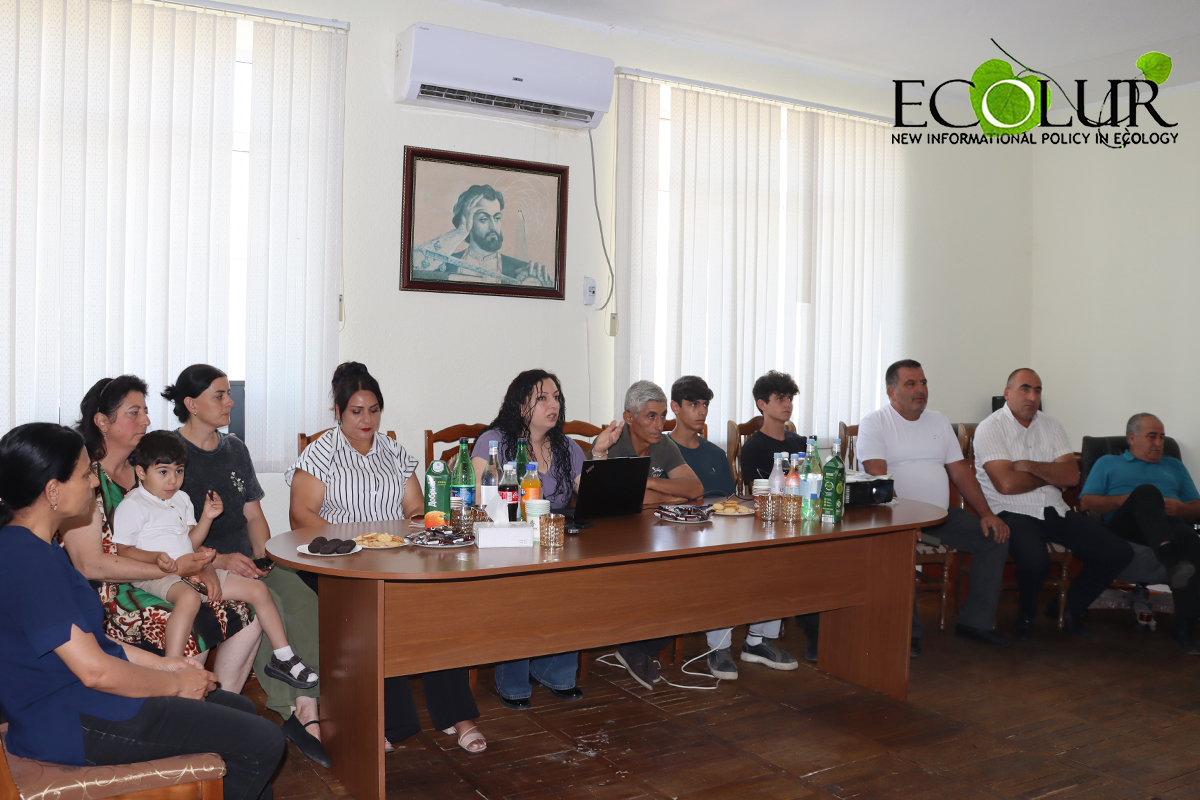
Tigran Matevosyan presented the significance of Armash’s birdlife, emphasizing that Armash has a unique geographical location: hyper-humid areas are situated south of the settlement, while mountainous and dry steppe zones are located to the north. The combination of these conditions has created rich and diverse fauna in the area.

Tigran Matevosyan noted that this biodiversity is facing numerous threats. He singled out the drying up of lakes or declining water levels as one of the key issues. “When the water level in the lakes is lowered, naturally, the aquatic areas decrease, and birds that are accustomed to feeding or nesting in the water face problems. Dialogue between state institutions and economic operators is necessary to ensure the maintenance of the lakes’ water regime,” he said.
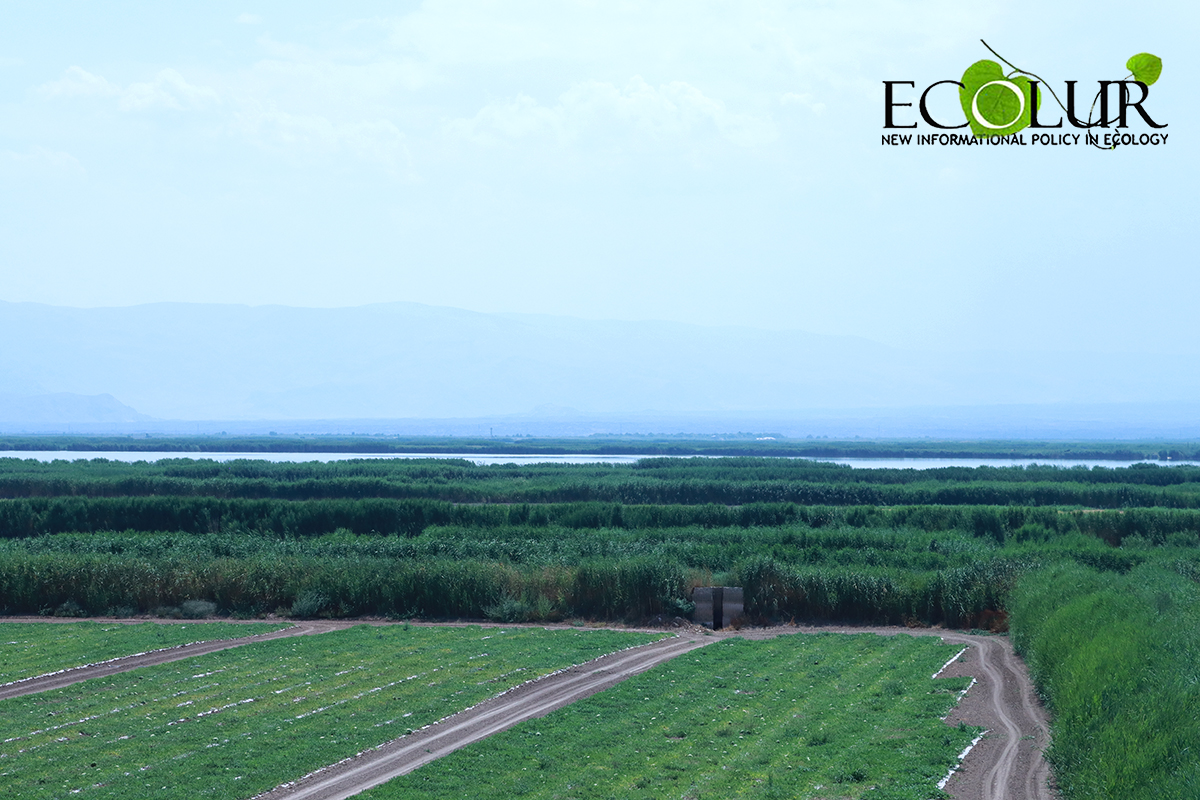
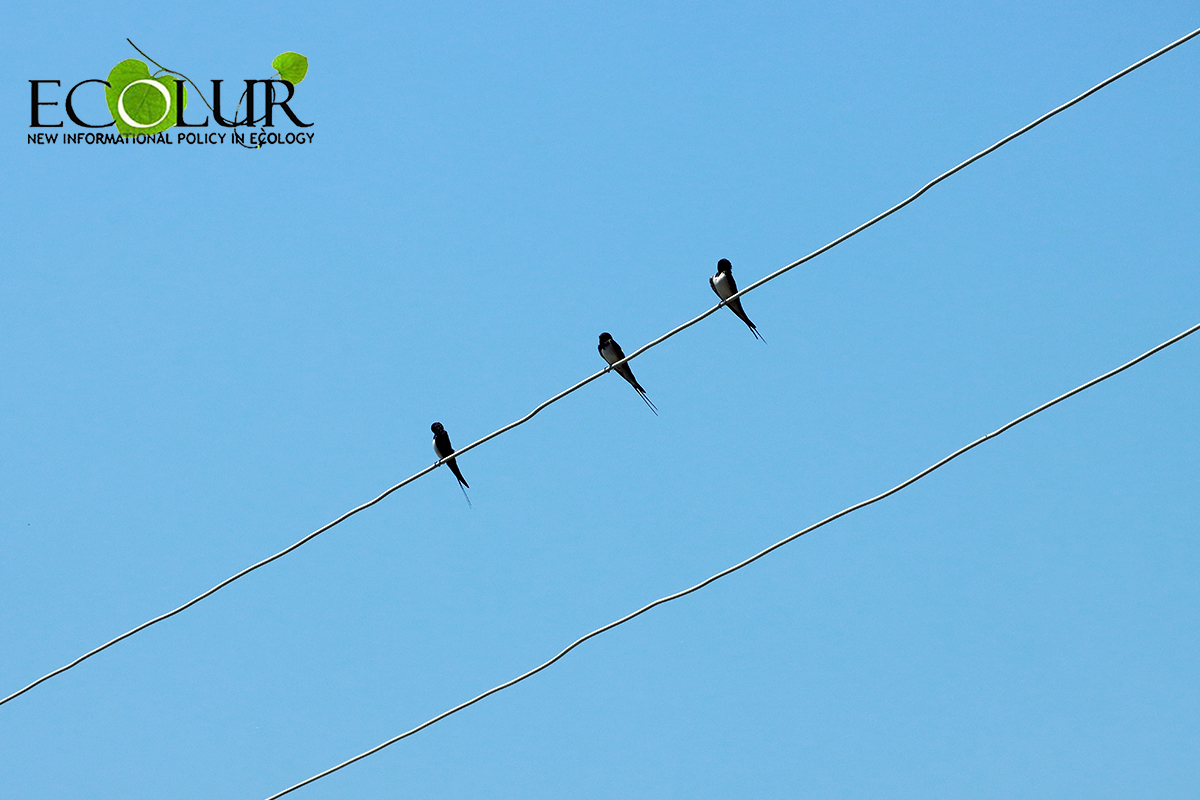
Another serious issue is poaching. Some of the lakes are included in hunting grounds; however, it is necessary to assess the impact of hunting on birdlife and establish clear mechanisms for the conservation and restoration of populations. He recalled cases in which even birds incubating their eggs had been killed during hunting.
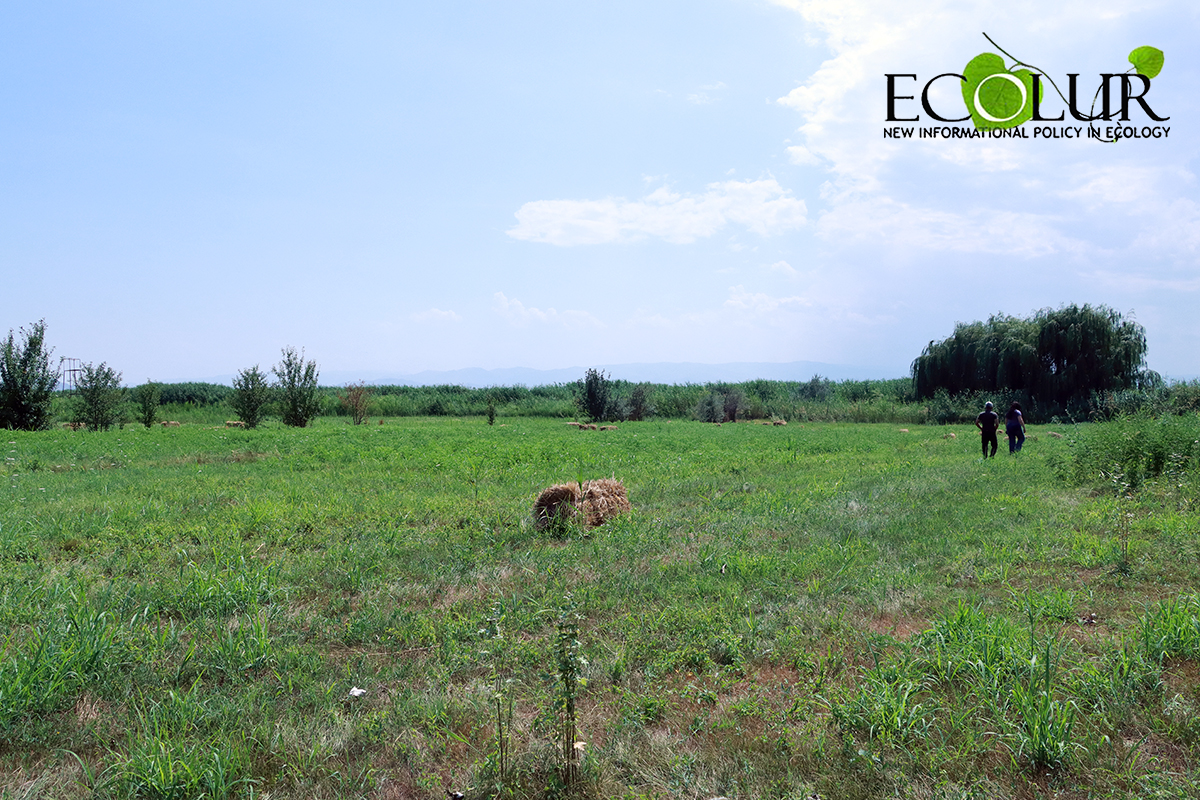

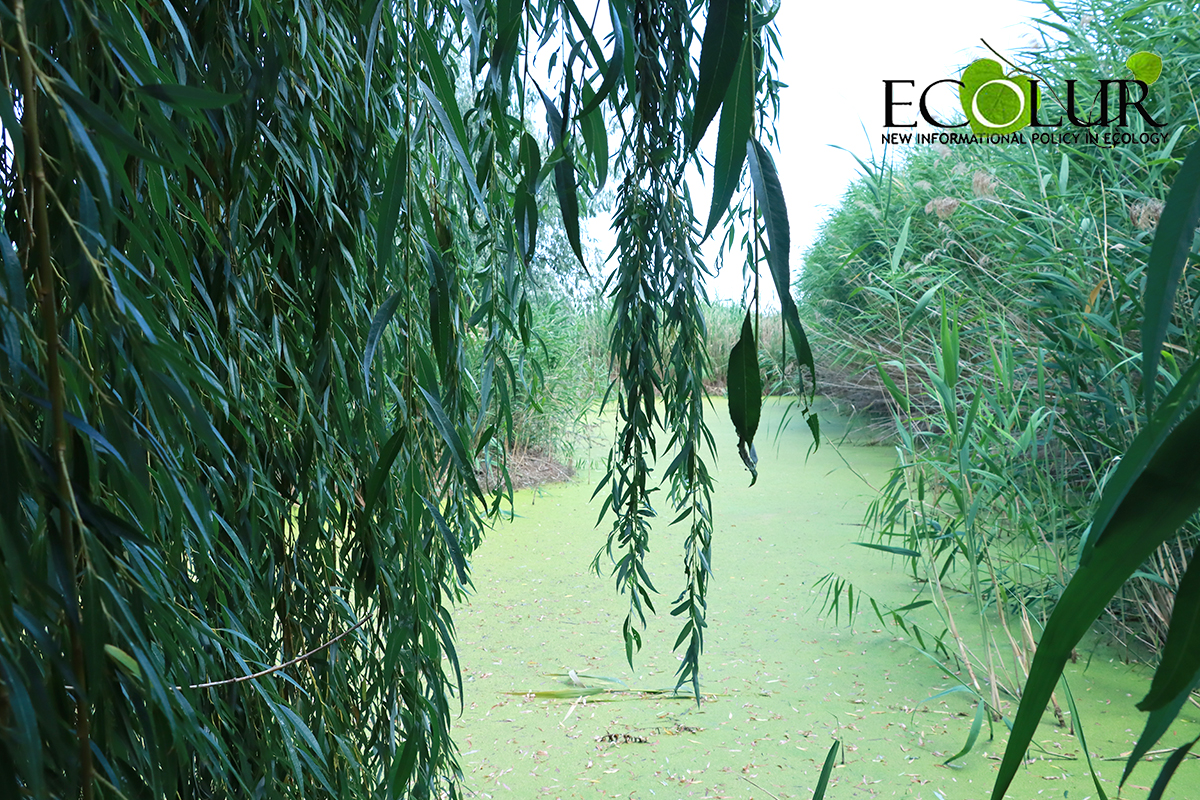
According to Tigran Matevosyan, spring fires in reed beds also pose a serious threat to birds and other animals. The large-scale burning carried out for the purpose of “clearing” the areas destroys animal and bird habitats.
Tigran Matevosyan is implementing “EcoWorld” initiative in Armash. Using his own resources, he has established a forest belt covering approximately 6 hectares, with a pond. According to him, the initiative aims not only to plant trees and improve the area, but also to create a safe environment for birds.
Tigran Matevosyan noted that Armash’s biodiversity could also become a basis for the community’s economic development. Birdwatching, in particular, has significant potential.
Local resident Anahit Matevosyan, founder of “SunRise Tour” tourism company, also noted that there are plans to develop ecotourism, agrotourism, and guesthouse services in Armash.

Victoria Burnazyan suggested exploring opportunities for local residents to participate in COP17 and organizing an event involving community residents, schoolchildren, and active local groups. Possible topics identified included the conservation of Armash’s birdlife, the importance of wetlands, Armash’s potential as an Emerald candidate site and its possible recognition under the Ramsar Convention, agrobiodiversity, the impacts of climate change, as well as potential conflicts of interest between economic activities and biodiversity conservation.
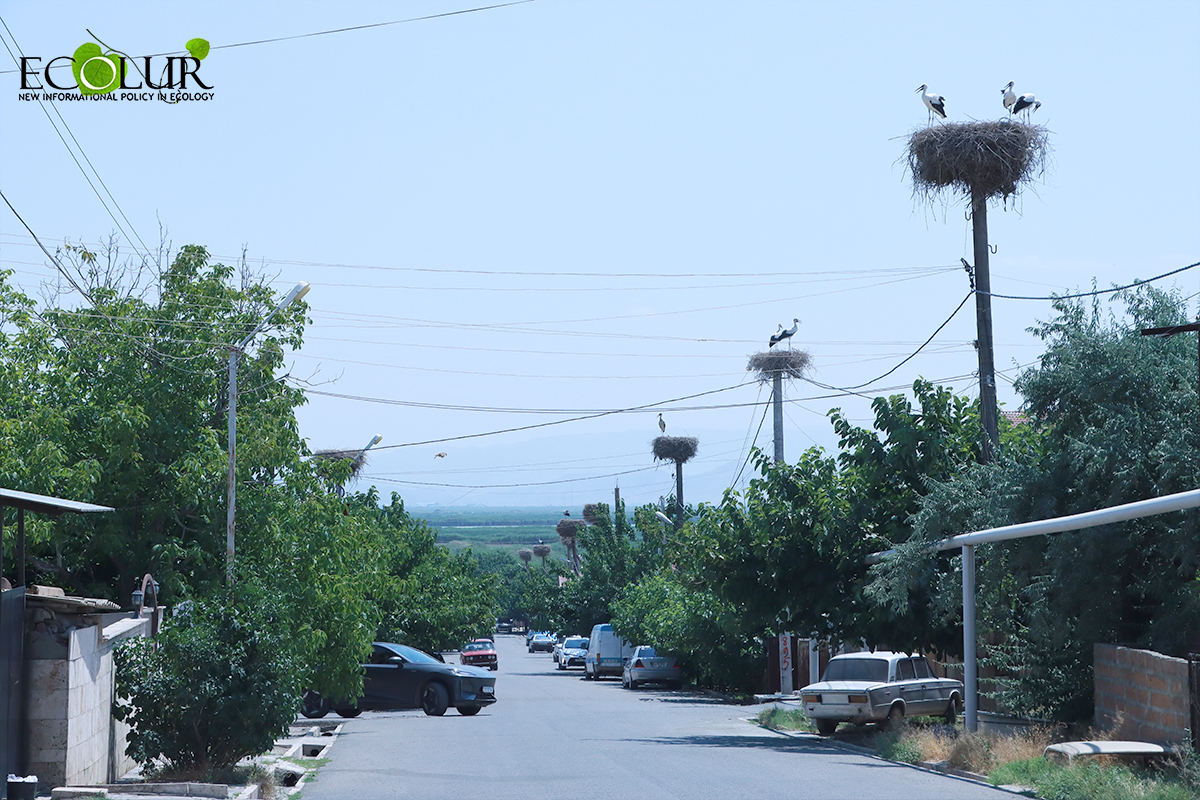
Tigran Matevosyan noted that it is important to participate in COP17 by presenting local challenges and proposing solutions.
During the discussion, it was decided to continue working with active community residents in order to identify and present at COP17 those issues that are important for Armash.
This article was prepared within the framework of “Supporting Armenia's CBD COP Presidency and Domestic Implementation” project, which is implemented by Ecolur Informational NGO in cooperation with the Fridtjof Nansen Institute, with support from the Norwegian Agency for Development Cooperation (Norad).
The views expressed within the framework of the project do not necessarily reflect the views of the Fridtjof Nansen Institute.
August 07, 2026 at 11:46