
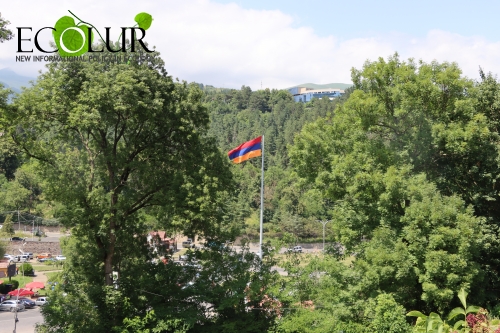
Dilijan’s natural environment is an integral part of the community’s life, economy, and tourism sector. The forests of Dilijan National Park play an important role in mitigating climate-related risks and are home to rich flora and fauna. Dilijan has long attracted tourists with its clean air, natural environment, and scenic landscapes.
Economic development—including construction, the operation of small hydropower plants, and wood-processing enterprises—has also created new challenges for the conservation of forests, river ecosystems, and biodiversity.
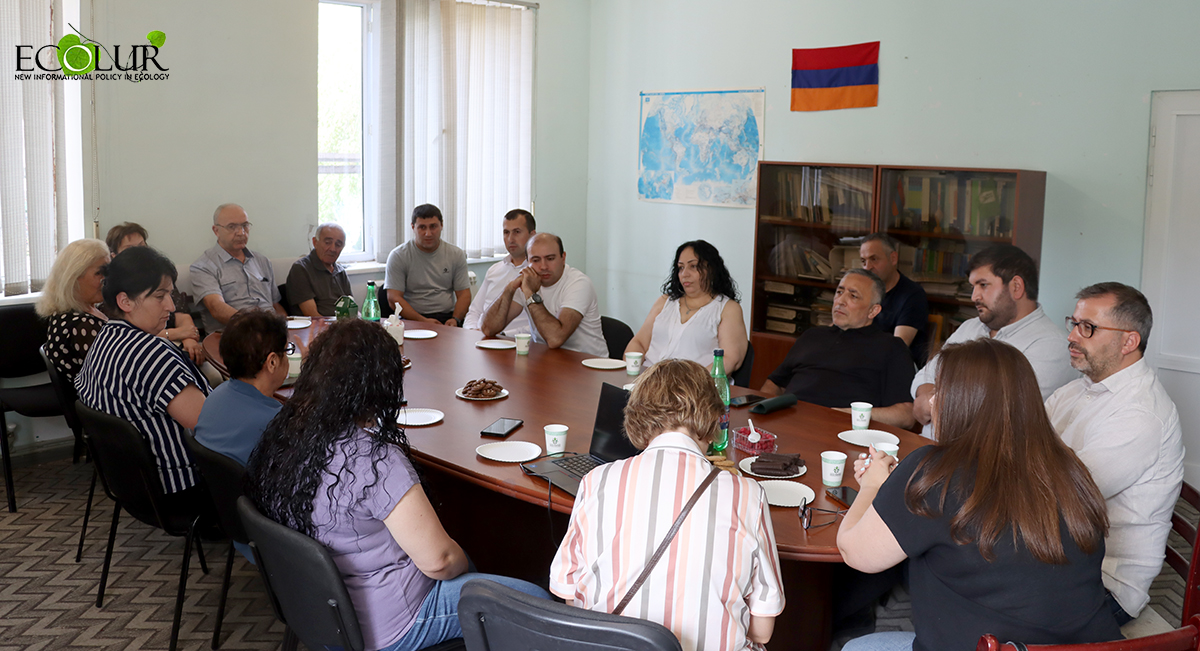
Ahead of the 17th meeting of the Conference of the Parties to the UN Convention on Biological Diversity (COP17), to be held in Yerevan in October 2026, EcoLur Informational NGO held an awareness-raising meeting on July 27 at the Dilijan Aarhus Centre. The meeting addressed the challenges facing Dilijan and actions aimed at tackling these issues.
The meeting also discussed the participation of active residents of Dilijan Community in COP17. The following potential topics were proposed: the importance of Dilijan’s forests for community development; biodiversity conservation and sustainable use; human–nature relations; the impact of climate change on biodiversity; and community participation in environmental decision-making processes.
According to participants, Dilijan’s forests are also economically important to the community, as the natural environment and forest landscapes attract tourists. “Biodiversity also brings money to this city. Large hotels are being built in the forests and they benefit from the views of these forests; they should have an interest in protecting them,” one participant noted, suggesting that the discussion should also address the impact of Dilijan’s rapid economic development on biodiversity.
During the discussion, residents also voiced concerns about the expansion of construction, increasing pressure on forest areas, and its potential consequences. It was noted that in some areas natural forest regeneration has been observed in recent years, while at the same time, new construction projects could place additional pressure on the natural environment.
One resident also expressed concern about increased precipitation and the potential risk of landslides, raising the question of the extent to which such hazards are taken into account in construction projects and what impact they could have on adjacent residential areas. “Now, if they come and start construction, how great is the risk that ... the entire area could slide down onto our neighborhood?” the resident asked, referring to the risk of landslides.
The discussion also addressed cooperation between the community and Dilijan National Park. Narek Hovhannisyan, a representative of the national park, noted that they have no issues with cooperation with NGOs and the community, particularly in the areas of environmental education and awareness-raising. At the same time, the provision of certain biodiversity-related information may be restricted, particularly information concerning Red Book-listed species and their protection.
The national park representative also reported that, within the framework of COP17, Dilijan National Park plans to be represented in both the Green and Blue Zones. Possible presentations on ecotourism are also being considered, including presentations of trails and sites of interest located within the national park.
Rosa Julhakyan, an expert at EcoLur Informational NGO, emphasized that COP17 platforms could provide opportunities for cooperation not only among international organizations but also among local institutions and organizations. According to her, the joint participation of representatives from different sectors—including communities, cultural, educational, youth, and environmental organizations—could contribute to establishing new connections and developing new projects. “An active platform for discussion is being created, providing an opportunity to work and cooperate in the future,” she said.
Albert Haroyan, President of Ecopolis NGO and Coordinator of Dilijan Aarhus Centre, noted that the conference is of major importance for Armenia, while the decisions adopted within its framework could contribute to the country’s development and to the formulation of sound strategic approaches to environmental protection.
Another important issue concerned residents’ participation in construction and environmental decision-making. Participants raised questions about the extent to which community residents are involved in these processes and whether the long-term environmental consequences are adequately taken into account when construction permits are issued.
At the conclusion of the meeting, participants also emphasized the importance of increasing environmental awareness among different groups within the community. They highlighted the need to foster a responsible relationship with nature, noting that citizens need to recognize their role in protecting the natural environment. According to one resident, the municipality and the national park have an important role to play in the community’s participation in the COP17 process, as they are among the key actors in this field.




The meeting was held within the framework of “Supporting Armenia's CBD COP Presidency and Domestic Implementation” project implemented by EcoLur Informational NGO in cooperation with the Fridtjof Nansen Institute and with the support of the Norwegian Agency for Development Cooperation (Norad).
To be continued.
August 13, 2026 at 15:25