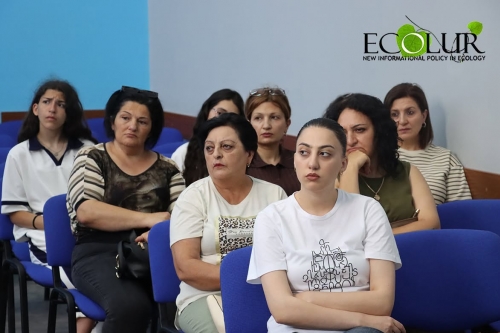
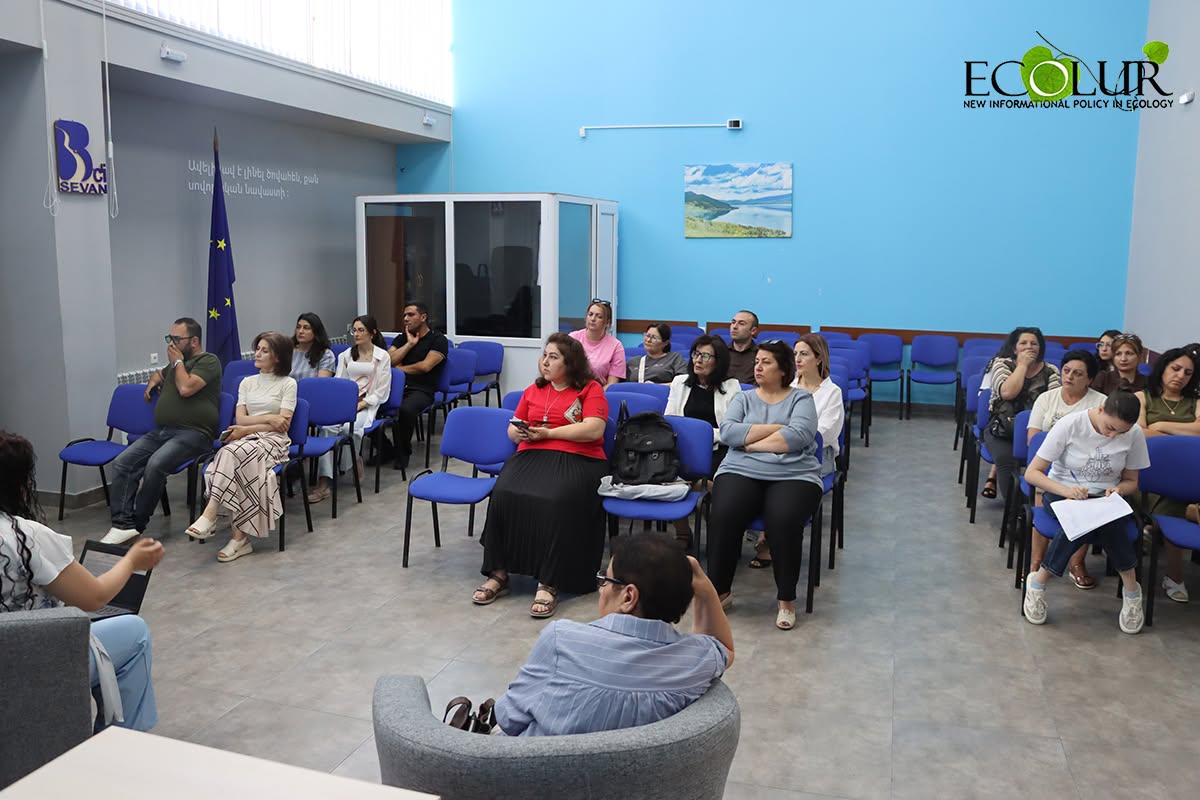
Ahead of the 17th meeting of the Conference of the Parties to the UN Convention on Biological Diversity (COP17), to be held in Yerevan in October 2026, EcoLur Informational NGO held an awareness-raising meeting in Sevan Community, Gegharkunik Region, on July 29.
Victoria Burnazyan, Deputy President of EcoLur Informational NGO, presented participants with the preliminary COP17 agenda and international and national biodiversity conservation targets. The meeting addressed biodiversity conservation issues in Sevan Community, upcoming steps by civil society and local self-government bodies, and opportunities for participation in COP17.
The Convention on Biological Diversity was adopted in 1992 and aims to conserve biodiversity, ensure its sustainable use, and promote the fair and equitable sharing of benefits arising from the utilization of genetic resources. Armenia has also acceded to the Convention and ratified its protocols.
Two main zones are planned as part of COP17. The Blue Zone will operate at the Meridian Expo Center, where government delegations from different countries will negotiate and adopt decisions. The Green Zone will operate at the Karen Demirchyan Sports and Concert Complex and is primarily intended for the participation of civil society, businesses, the scientific community, young people, and women.
“There, these groups can share their experiences, organize and host their own events, hold exhibitions and cultural performances, organize workshops, and establish connections with one another. They can showcase their organizations and communities, seek opportunities for cooperation, and present their concerns to government institutions, international organizations, and donors in order to find solutions to address those challenges and make their voices heard,” Victoria Burnazyan noted.
The COP17 agenda includes the consideration of 51 documents. One of the conference’s key topics will be the implementation of the Kunming-Montreal Global Biodiversity Framework. In 2022, at COP15, countries adopted the Framework in response to the rapid loss of biodiversity. Its objective is to halt biodiversity loss by 2030 and take steps toward its recovery and sustainable use by 2050.
“Four years have already passed since 2022, and countries will gather in Yerevan to discuss the extent to which they have been able to achieve and implement the targets set out in this document, identify gaps and progress, and determine what needs to be improved,” Victoria Burnazyan noted.
Among the 23 targets of the Kunming-Montreal Global Biodiversity Framework, Victoria Burnazyan highlighted Target 3, which calls for the conservation of at least 30% of the world’s terrestrial and inland water areas by 2030. Parties to the Convention are likewise expected to conserve at least 30% of their national territories.
“In 2026, Armenia adopted a new Biodiversity Conservation Programme for 2026–2030, under which we have set a target of conserving not 20% of the country’s territory...” she said.
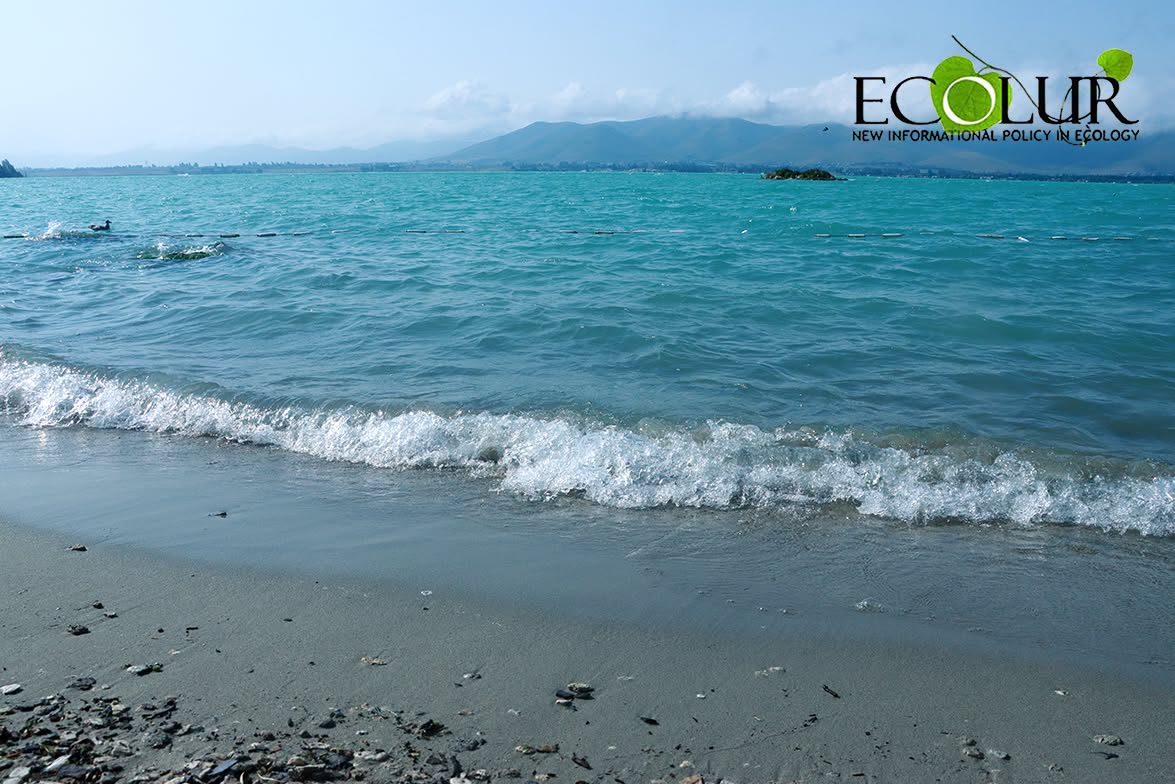
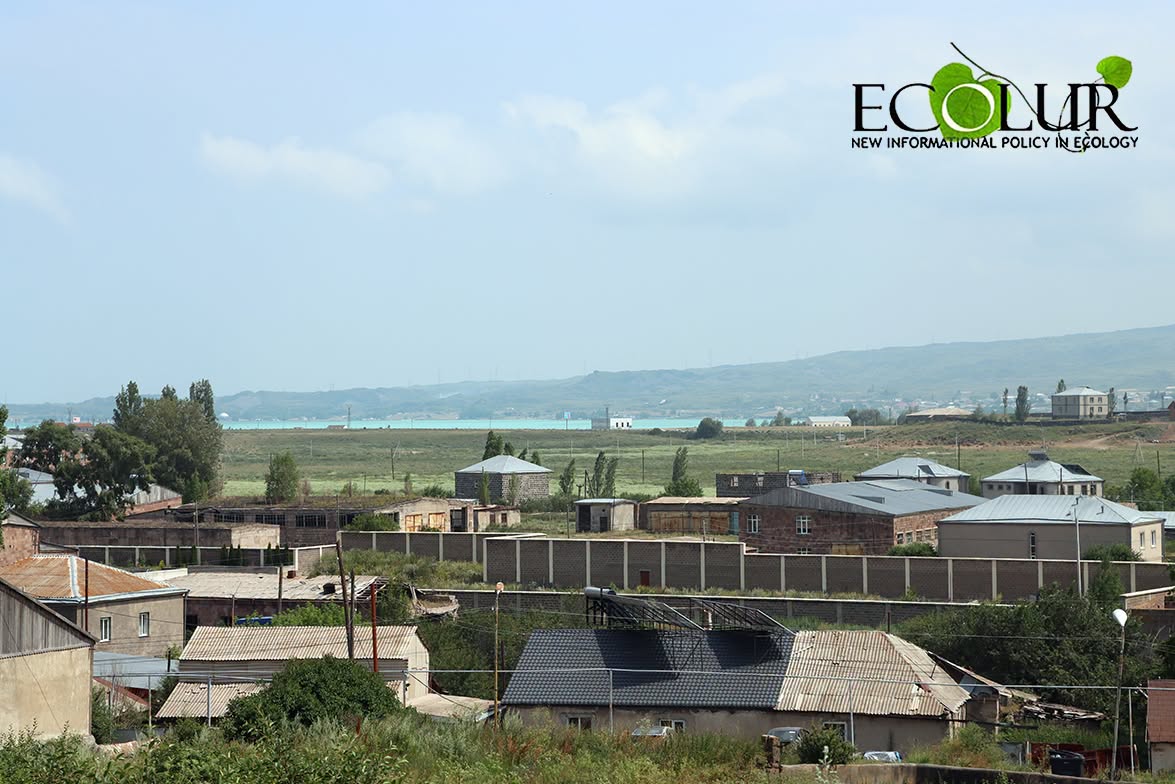
Lake Sevan is also included in Armenia’s national biodiversity conservation programme. At the same time, plans are underway to establish the Dilijan Biosphere Reserve, a process involving several communities, including the Sevan Community settlements of Tsovagyugh, Semyonovka, and Sevan. The establishment of the area is still at the conceptual stage; however, mapping and studies and analyses of plant and animal species have already been carried out to determine which areas will be included in the conservation system and under what protection regimes they will be managed.
Within the framework of COP17, Armenia plans to put forward a number of initiatives. According to preliminary information, one of them is titled “Mountain and Freshwater Biodiversity.” Given that mountain ecosystems and freshwater resources are fundamental to biodiversity and community livelihoods and are directly linked to water security, Armenia plans to promote a practical, ecosystem-based approach, positioning Lake Sevan as a symbol for international dialogue.
According to Victoria Burnazyan, Lake Sevan is also of importance within the framework of a number of international environmental initiatives and conventions.
The conservation and sustainable use of the Lake Sevan basin ecosystem falls within the scope of the Convention on Biological Diversity. Lake Sevan has been recognized as a wetland of international importance under the Ramsar Convention, while Sevan National Park is included in the list of Emerald candidate sites under the Bern Convention.
The Lake Sevan catchment is among Armenia’s most important ecosystems and is an Important Bird and Biodiversity Area (IBA) of international significance. It also functions as an ecological corridor between the Geghama, Vardenis, and Sevan mountain ranges, is a key conservation area for the Sevan trout, provides habitat for numerous endemic plant and animal species, and is a priority area for biodiversity conservation in Armenia.
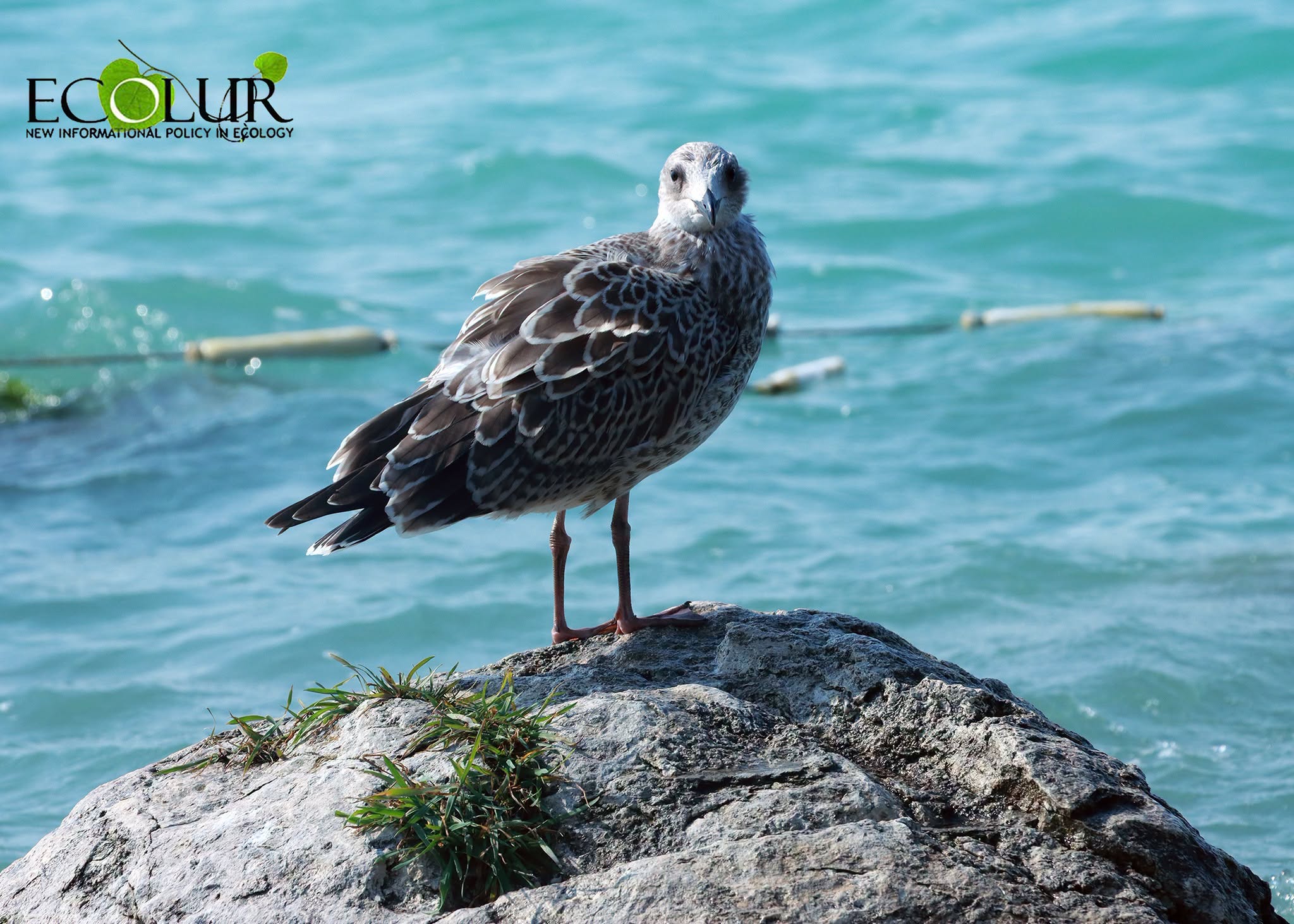
Within Sevan National Park and its buffer zone, 267 bird species, 43 mollusc species, 639 arthropod species, and four amphibian species have been recorded. Six of the arthropod species are endemic. The fish of Lake Sevan belong to the salmonid, whitefish, and carp families. The Sevan trout and Sevan barbel are included in Armenia’s Red Book.
The flora of Sevan National Park and its buffer zone comprises 1,727 species of vascular plants. The park’s flora includes 28 tree species, 42 shrub species, 866 perennial herbaceous species, and 209 annual and biennial plant species. Three endemic species of Armenia and five species endemic to the Lake Sevan basin grow within the national park. Seventeen species are included in Armenia’s Red Book; approximately 60 are medicinal plants, and around 100 are edible plant species.
Sevan in Armenia’s Biodiversity Conservation Programme
Under Armenia’s biodiversity conservation programme, 30 targets are to be implemented by 2030, at least 23 of which are relevant to Sevan Community and the Lake Sevan basin.
Targets related to public participation, awareness-raising, and gender issues are also important.
“Communities must participate in environmental decision-making processes. We need to understand that we have an obligation to participate in decision-making, to monitor processes, and to ensure public oversight for the sake of conserving and sustainably using our natural environment,” she emphasized.
According to Victoria Burnazyan, the Convention on Biological Diversity places great importance on community participation because local residents are best acquainted with the nature, species, and traditional forms of natural resource use in their areas.
“The community knows best what species are found in its territory, what grows there, how it should be used, and how it should be conserved,” she said.
Sevan’s Waste Management Experience in the COP17 Green Zone
Everyday environmental challenges in the community and the Lake Sevan basin affect the lake’s biodiversity, including illegal fishing, wastewater inflows, water releases from Lake Sevan, and waste pollution.
In her presentation, Victoria Burnazyan particularly highlighted Sevan Community’s experience in waste management.
“It is very encouraging that Sevan is a pioneer community successfully implementing waste separation,” she said. “Sevan can present its waste management experience in the Green Zone. This is a good example that could also inspire other communities to begin this process,” she noted.
Among the potential topics for Sevan Community’s participation in COP17, Victoria Burnazyan also highlighted the conservation and sustainable use of Sevan’s biodiversity, human–nature relations, the impact of climate change on biodiversity, and community participation in environmental decision-making processes.
She noted that the final selection of topics should be made by the community itself, based on its experience and priorities.


This article was prepared within the framework of “Supporting Armenia’s Presidency of the Conference of CDB COP and Its Domestic Implementation” project implemented by EcoLur Informational NGO in cooperation with the Fridtjof Nansen Institute and with the support of the Norwegian Agency for Development Cooperation (Norad).
The views expressed within the framework of the project do not necessarily reflect the views of the Fridtjof Nansen Institute.
August 19, 2026 at 13:23