

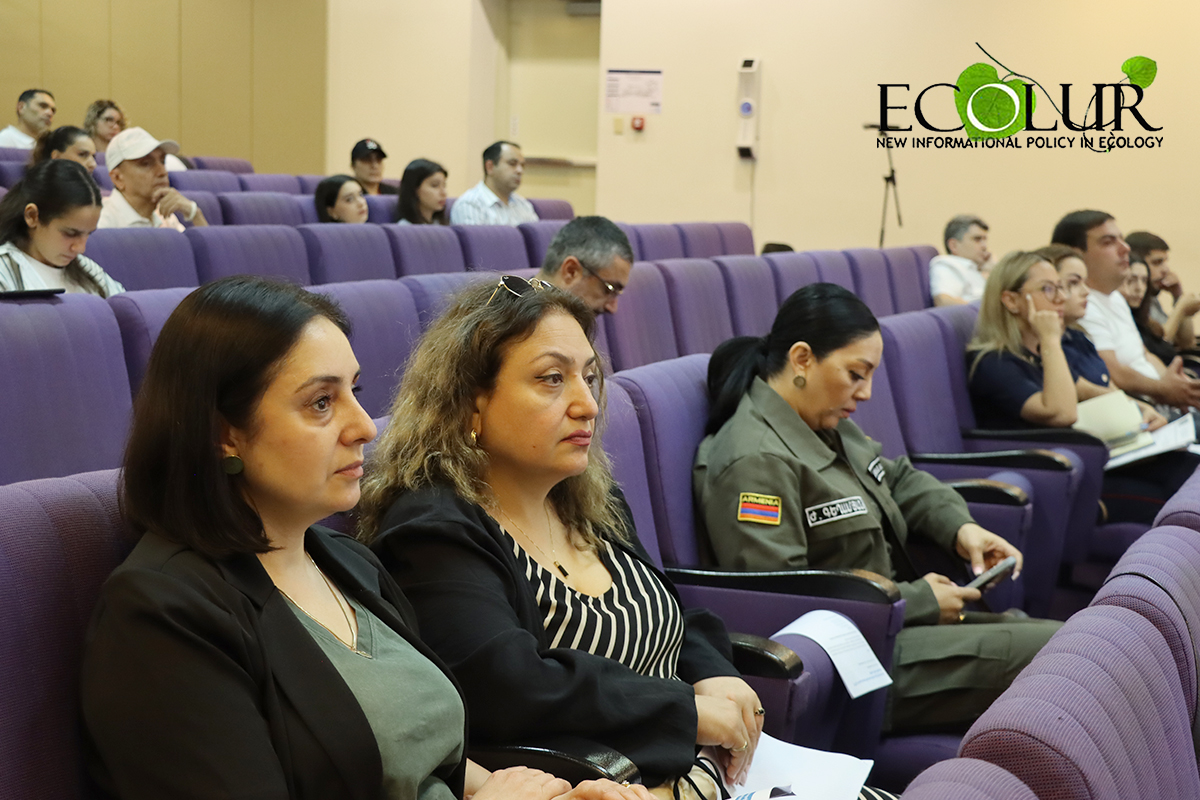
At the American University of Armenia, stakeholders convened to discuss the revised draft Law on Extended Producer Responsibility (EPR).
The draft law seeks to clarify the responsibilities of producers and importers for waste generated from the sale of specific products by ensuring its separate collection, recycling, and recovery.
The draft was presented by Lusine Avetisyan, Head of the Strategic Policy Department of the Ministry of Environment of the Republic of Armenia.

The draft establishes the list of products subject to the EPR system, including alcoholic and non-alcoholic beverages, household batteries, certain types of electrical and electronic equipment, tires, and motor oils.
According to expert assessments, approximately 90,000 tonnes of post-consumer waste are generated annually in Armenia as a result of the sale and use of these products. Rather than being recycled, most of this waste ends up in landfills and the natural environment, contaminating soil, water, and air. This also contributes to adverse public health impacts.
During the initial phase of EPR implementation, only the 300 largest producers and importers out of approximately 2,000 market participants involved in these product categories will be required to assume EPR obligations. These obligations include ensuring the environmentally sound management of the resulting waste. This function will be carried out through a specialized licensed entity established and financed by the private sector, known as a Producer Responsibility Organization (PRO).
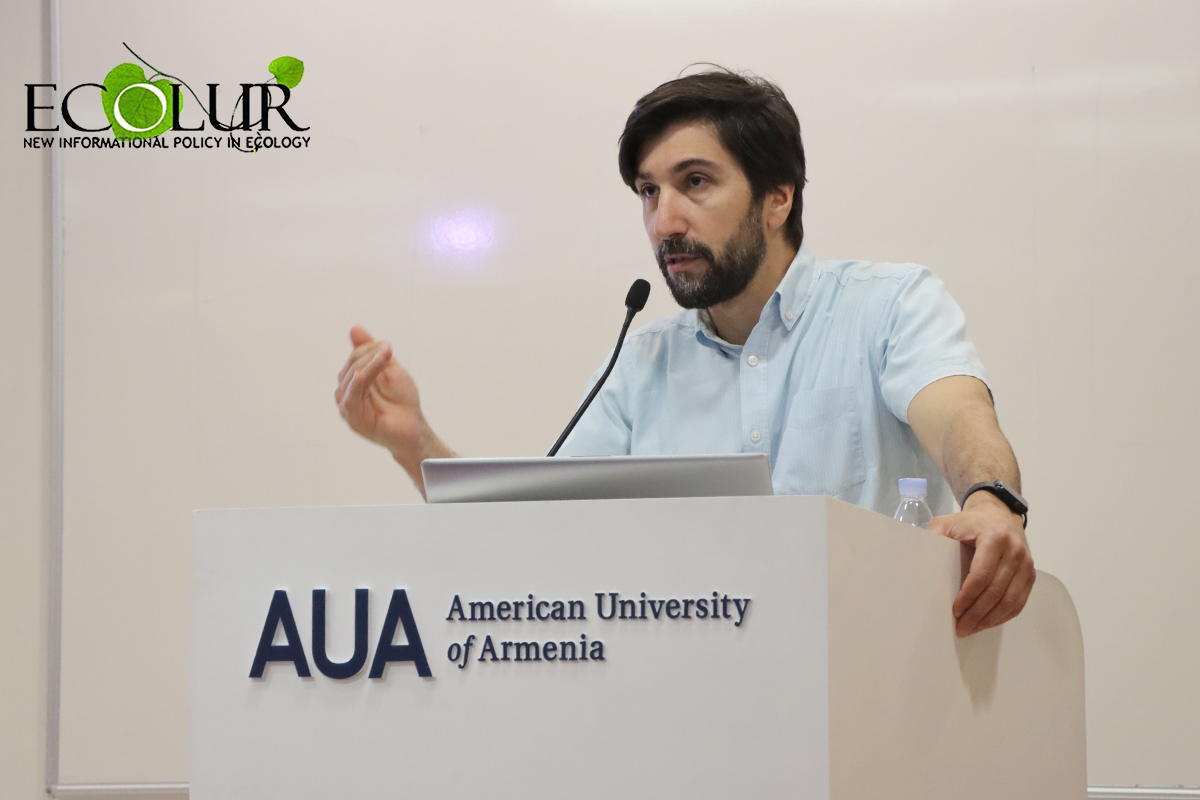
Harutyun Alpetyan, Head of the Waste Policy Armenia Programme, noted that the EPR system is based on the fair principle of “the polluter pays” and that its implementation will provide the necessary economic and financial foundations for environmentally sound waste management.
Haykaz Fanyan, Economic Expert on the EPR System within the Waste Policy Armenia Programme, stated that the overall financial burden of the EPR system is estimated at approximately AMD 3.2-4.2 billion annually, shared between producers and, to a limited extent, consumers. According to experts, the impact on consumer prices is expected to be relatively negligible, amounting to no more than 0.1%.

Estimates indicate that the implementation of the EPR system could result in the annual recycling of up to 40,000 tonnes of waste, the creation of 320–400 new green jobs, investments of approximately USD 8–10 million, and a reduction in both landfill pressure and environmental pollution.

The programme experts responded to questions raised by stakeholders during the discussion.






The outcomes of the public consultations will be presented and further discussed with representatives and experts from Sweden’s public and private sectors.
June 24, 2026 at 15:54