

On February 18, 2026, “Implementation of CEPA from Perspective of Civil Society: From Challenges to Opportunities” workshop was held in Yerevan. The results of monitoring the implementation of the Armenia–EU Comprehensive and Enhanced Partnership Agreement (CEPA) carried out by independent experts in 2024–2025 were presented. Discussions were held among state authorities, civil society representatives, and independent experts.
The monitoring was conducted with EU support under “Support to CEPA Monitoring, Implementation and Communication” (ENI/2023/442-873) programme implemented by GOPA Partners in Action for Change and Engagement.

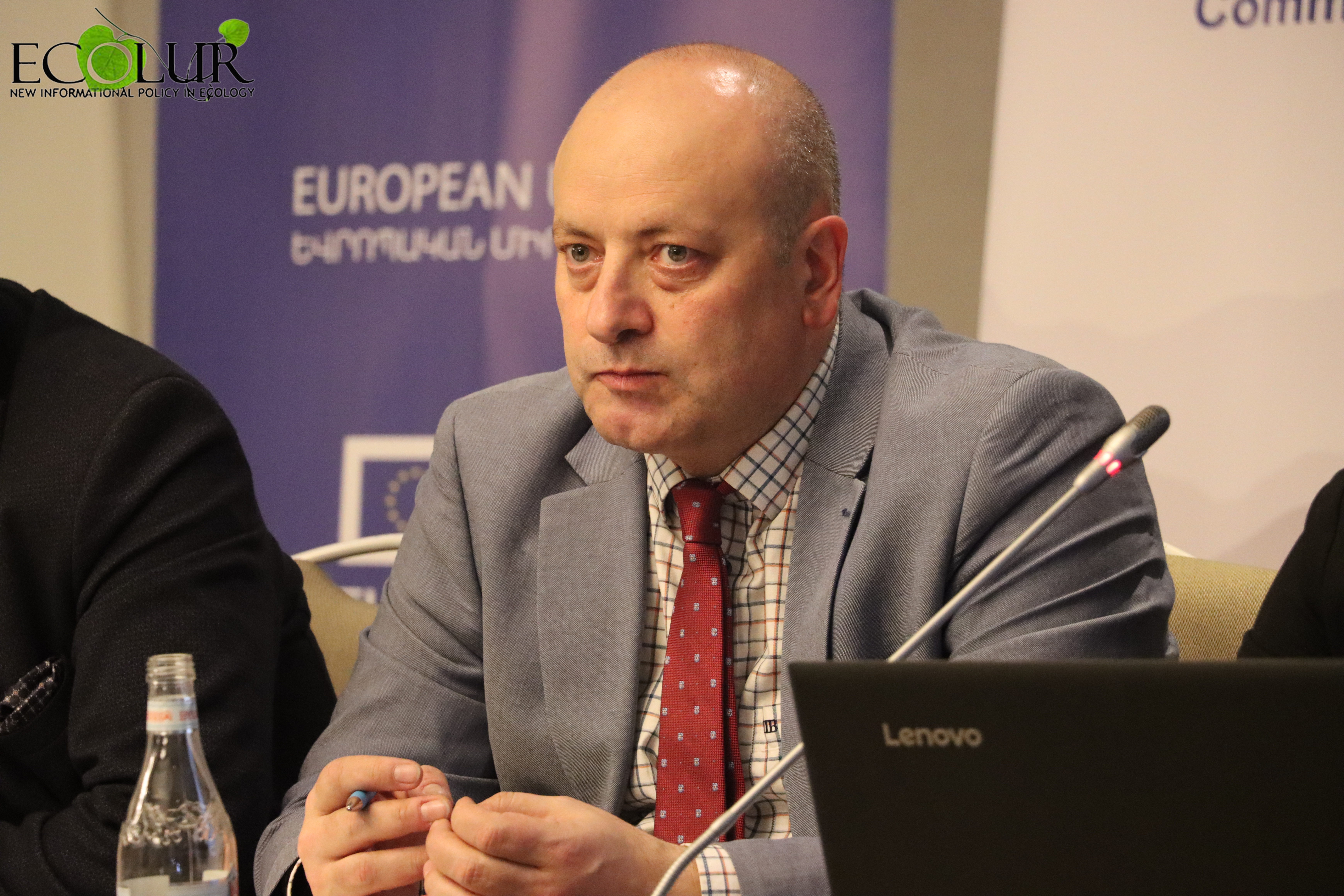
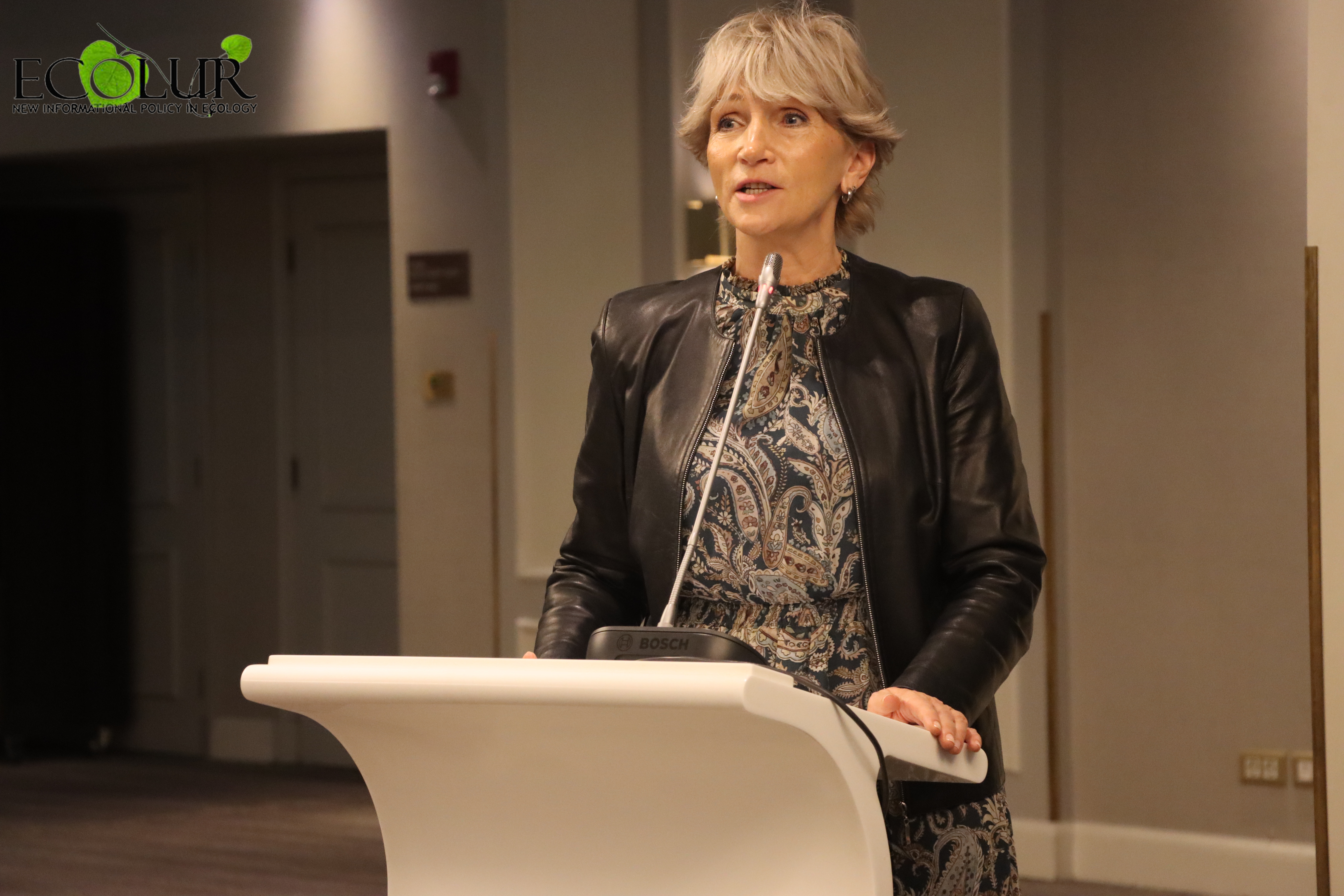
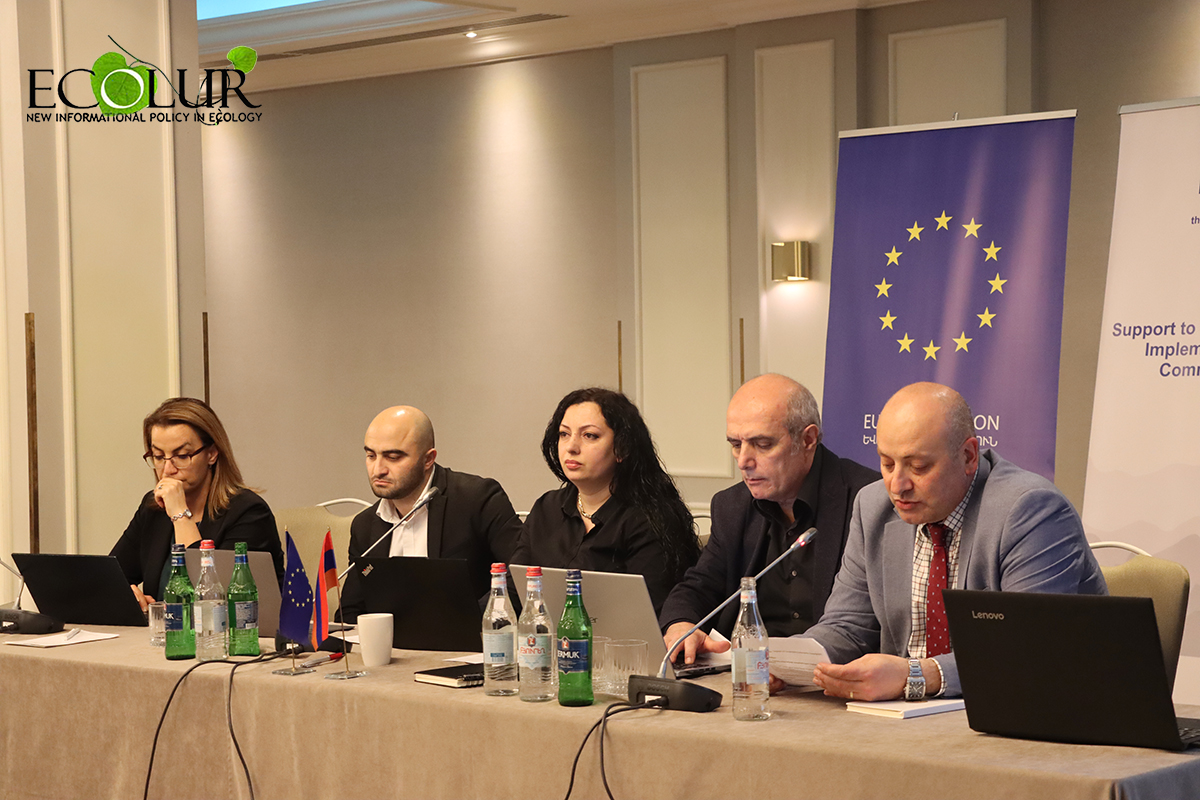
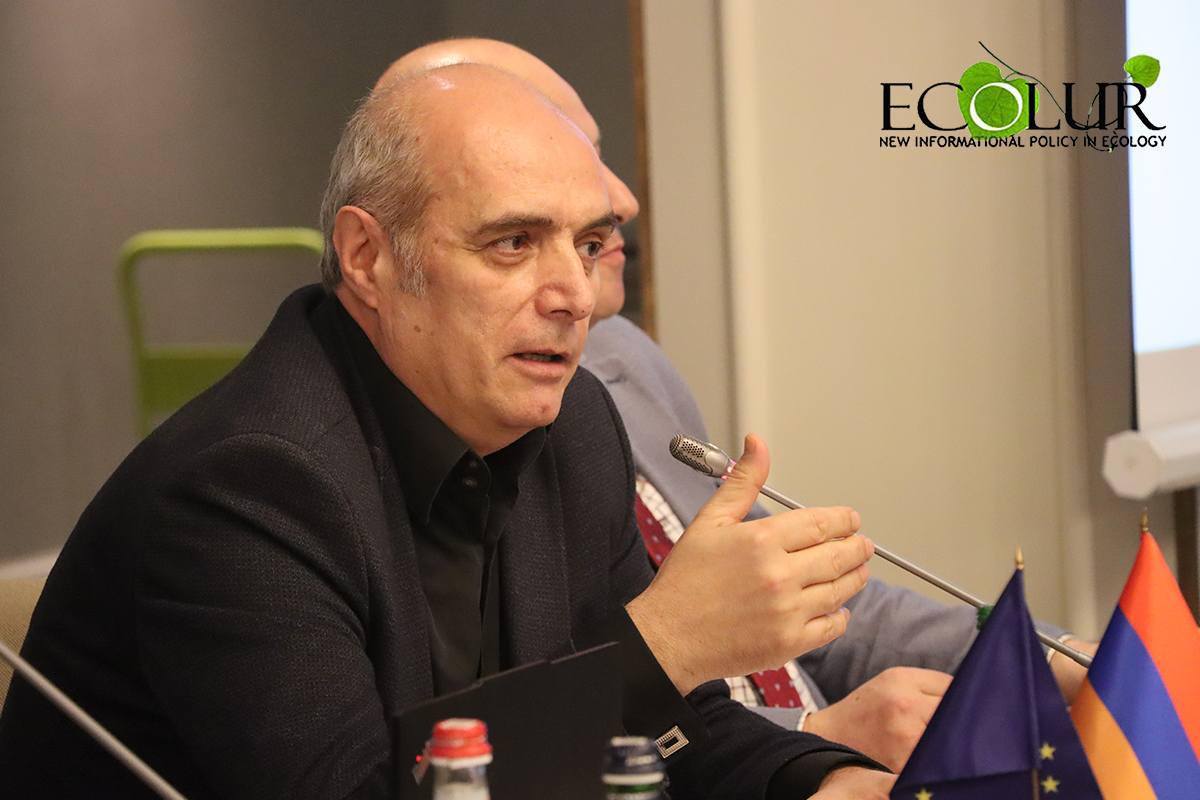
During the session on “Reforms in Environmental Governance, Climate Change, Energy, and Sustainable Development”, project expert Victoria Burnazyan presented the report entitled “Policies on Climate Change Mitigation and Adaptation under CEPA”. Arthur Grigoryan presented “Environmental Governance and Horizontal Issues: Implementation of CEPA Commitments in Environmental Impact Assessment (EIA) and Strategic Environmental Assessment (SEA)”. Astghine Pasoyan addressed “Monitoring Actions Aimed at Implementing Energy Efficiency Provisions under CEPA”, and Levon Barseghyan presented “Monitoring the Implementation of Sustainable Development Provisions under CEPA.”

Climate Policy: Partial Progress
Victoria Burnazyan noted that the study assessed the implementation of climate obligations defined under Articles 52 and 54 of CEPA and the measures envisaged in the CEPA Roadmap during 2021–2024.

The study found that four legal acts were adopted; however, the measure was only partially implemented, as the national forecasting system had not yet been established during the reporting period. The establishment of “Forecasting and Early Warning System for Hazardous Hydrometeorological Phenomena” is included in the Environment Ministry’s Medium-Term Expenditure Framework for 2025-2027.
Roadmap Measure 130 concerns climate change adaptation. Although the Roadmap did not envisage a separate measure on mitigation, Armenia adopted the Low-Carbon Development Strategy for Greenhouse Gases and the 2022-2030 Energy Saving and Renewable Energy Development Programme.
This measure was also assessed as partially implemented: not all actions envisaged under the National Adaptation Programme on Climate Change have been carried out, and sectoral and regional adaptation programmes (except in the water sector) have not been adopted.
Roadmap Measure 123 concerns the establishment of the Measurement, Reporting and Verification (MRV) system. A government decision and a ministerial order have been adopted; however, the new roadmap envisages completing the full legal regulation of the MRV system by the fourth quarter of 2029.

Forests
The analysis of the forest sector covered data from 1993–2023. According to the 1993 inventory, forest-covered areas amounted to 334,100 hectares. By 2023, a reduction of approximately 45,000 hectares had been recorded.
Armenia has committed to increasing forest cover to 12.9% by 2030, which requires the establishment of approximately 50,000 hectares of new forests. However, according to data provided by the Ministry, only 823 hectares of new forests were established within the territory managed by “ArmForest” SNCO in 2021–2024, representing just 1.64% of the required volume. At the same time, at least 528 hectares were affected by forest fires.
“Considering that 528.8604 hectares of forest area burned during this period and illegal logging reached 40,960 trees, achieving climate targets for forests will be extremely difficult,” said Victoria Burnazyan.
She noted that it was proposed to conduct a new forest inventory with EU support, develop unified indicators for assessing forest ecosystem conditions, and clarify afforestation mechanisms for community-designated forest lands.
Agriculture
The study of the agriculture sector revealed that agricultural lands decreased by approximately 1,100 hectares during 2021–2023. “Jrar” CJSC, together with 15 water user associations, supplied irrigation water to an average of 18.5% of irrigable land. Water losses slightly decreased, amounting to 19.2% in 2021–2023 and 18.6% in 2024. The construction of small and medium-sized reservoirs envisaged under the Government Programme has not been implemented.
The share of agriculture in GDP declined from 11.1% to 7.9% in 2021–2024.
Within the framework of intensive horticulture development, 22.32% of orchards were covered with anti-hail nets. The report recommends encouraging the introduction of modern anti-hail technologies, developing the agricultural insurance system, and defining cases excluding changes in the designated purpose of agricultural land.
Energy
Regarding the energy sector, Victoria Burnazyan noted that the focus was particularly on renewable energy.
Under Armenia’s Nationally Determined Contribution (NDC), the country plans to double the share of renewable energy in the total energy balance by 2030. The share of electricity generation from small hydropower plants and solar power plants increased from 8.57% in 2021 to 19.4% in 2024.
“If current trends continue, the country may reach the established target,” she stated.
Waste
In the waste sector, it was noted that the key waste management provisions envisaged under Annex 3 of CEPA were not implemented during the reporting period. A draft Law on Extended Producer Responsibility is currently under circulation.
The situation in the wastewater sector remains alarming: approximately 91% of wastewater is discharged untreated into open water systems. A sector development concept has been drafted but not adopted. Approximately 580 settlements serviced by “Veolia Jur” lack sewerage systems.
It was proposed to clarify mechanisms for implementing the requirements of CEPA Annex 3 in the new roadmap and to adopt a wastewater sector development programme.
To assess the localization of climate policy, the 2021–2024 subvention and development programmes of Pambak, Dilijan, Martuni, and Yeghegis consolidated communities were studied, and official correspondence was conducted.
Although some programmes have a climate orientation, their impact in terms of greenhouse gas emission reductions is not assessed. The communities have not conducted climate risk assessments, nor have they developed mitigation or adaptation strategies. Professional capacities and financial resources for implementing climate programmes remain limited at the community level.
During the discussion following the session, Nona Budoyan, Head of Climate Policy Department of Environment Ministry, thanked the experts for their work and noted that several of the identified gaps have already been addressed. In particular, the 2024 greenhouse gas inventory was conducted by the Hydrometeorology and Monitoring Center SNCO, and the procedure for inventorying mitigation policies has been approved.

February 23, 2026 at 13:38