
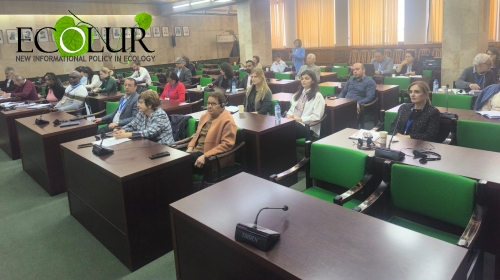
Yerevan State University hosted the international conference “Climate Change, Justice and Human Rights” on April 15–17. It was organized by the YSU European Studies Center (“Global Campus Caucasus”) in cooperation with “Global Campus Central Asia” and the Jean Monnet Centre of Excellence in European Studies “Democracy, Human Rights and Security,” within the framework of the Right Livelihood Foundation’s program “Climate and Conflicts: Reparation and Prevention.”
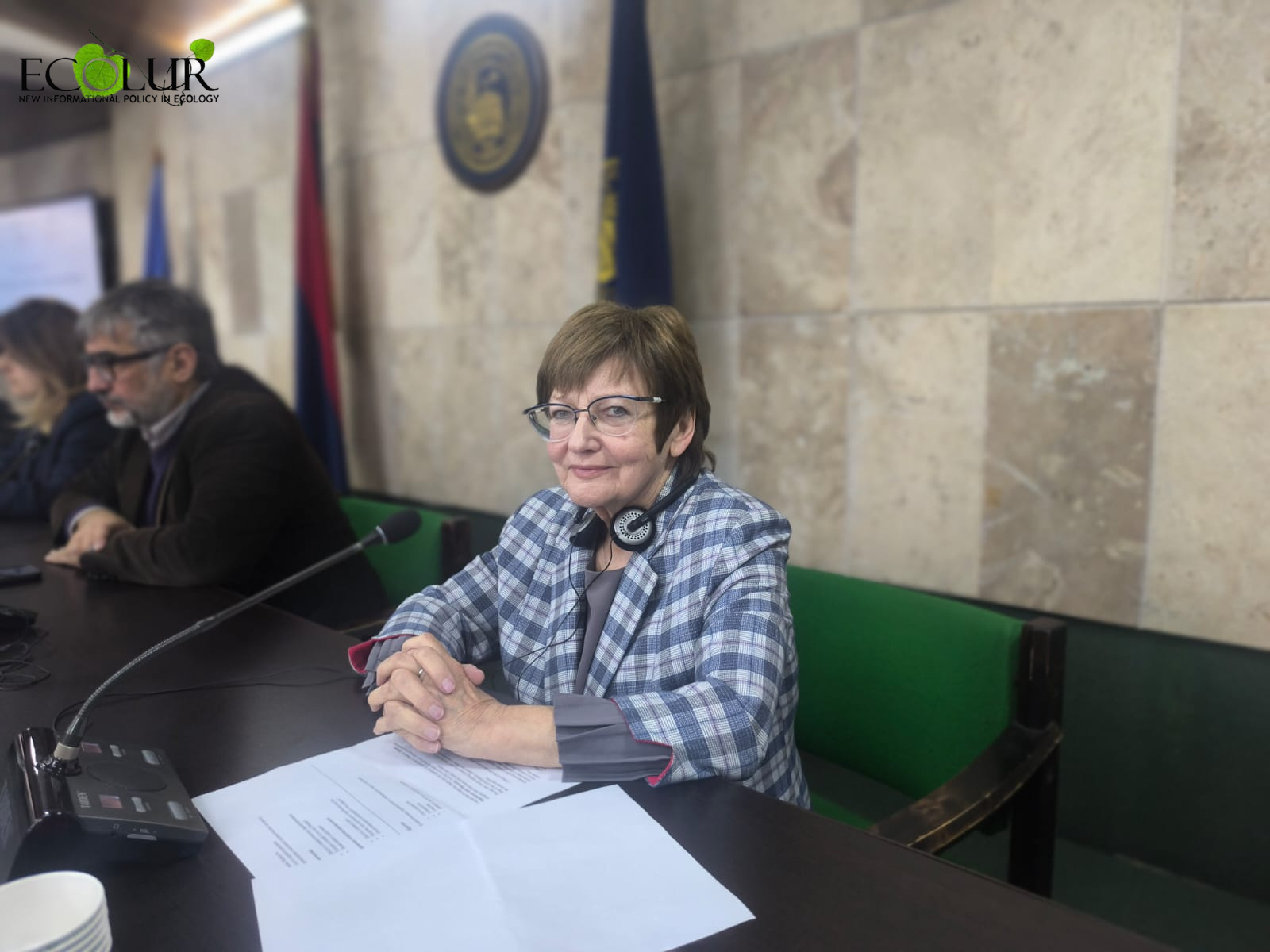
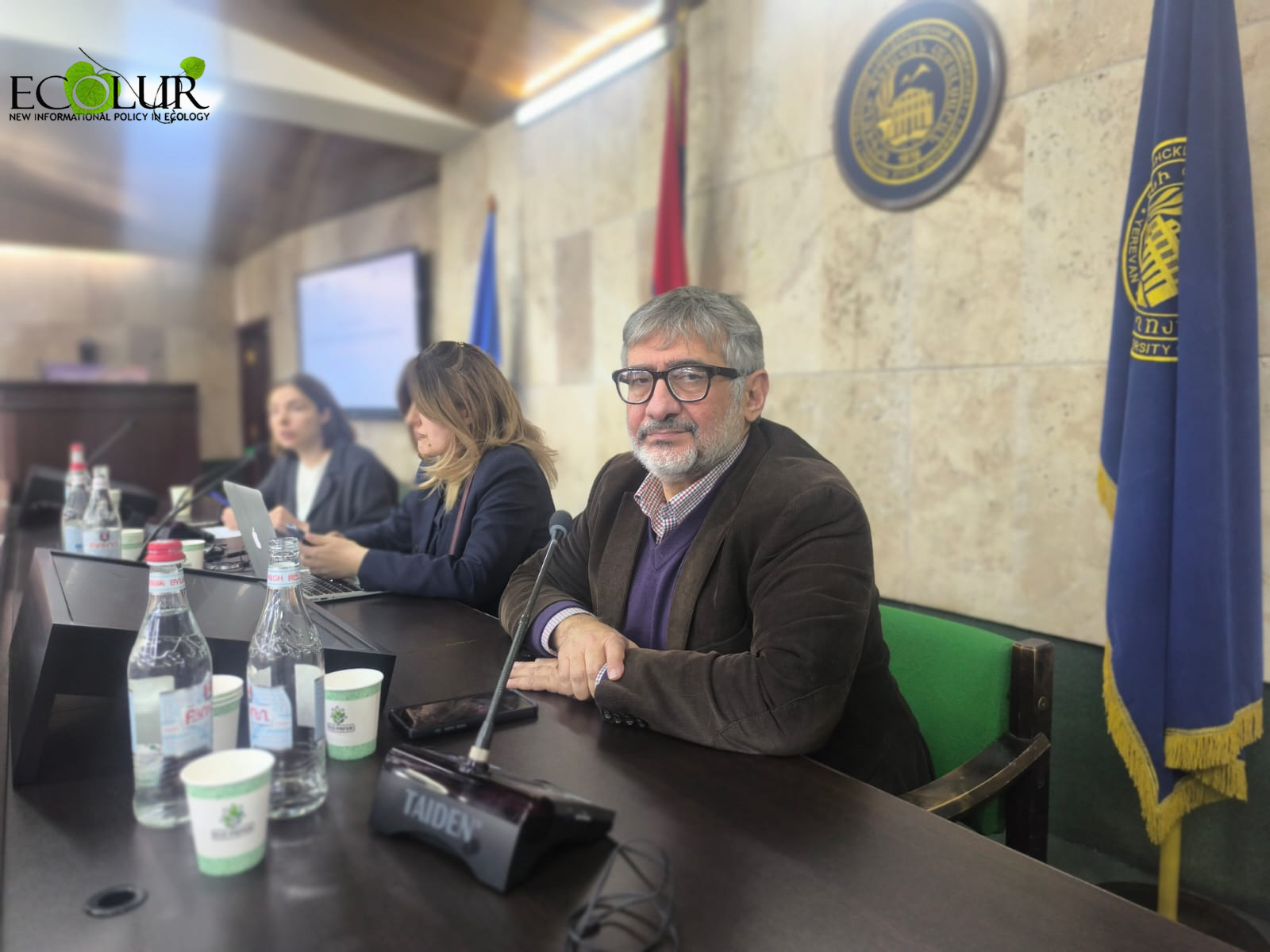
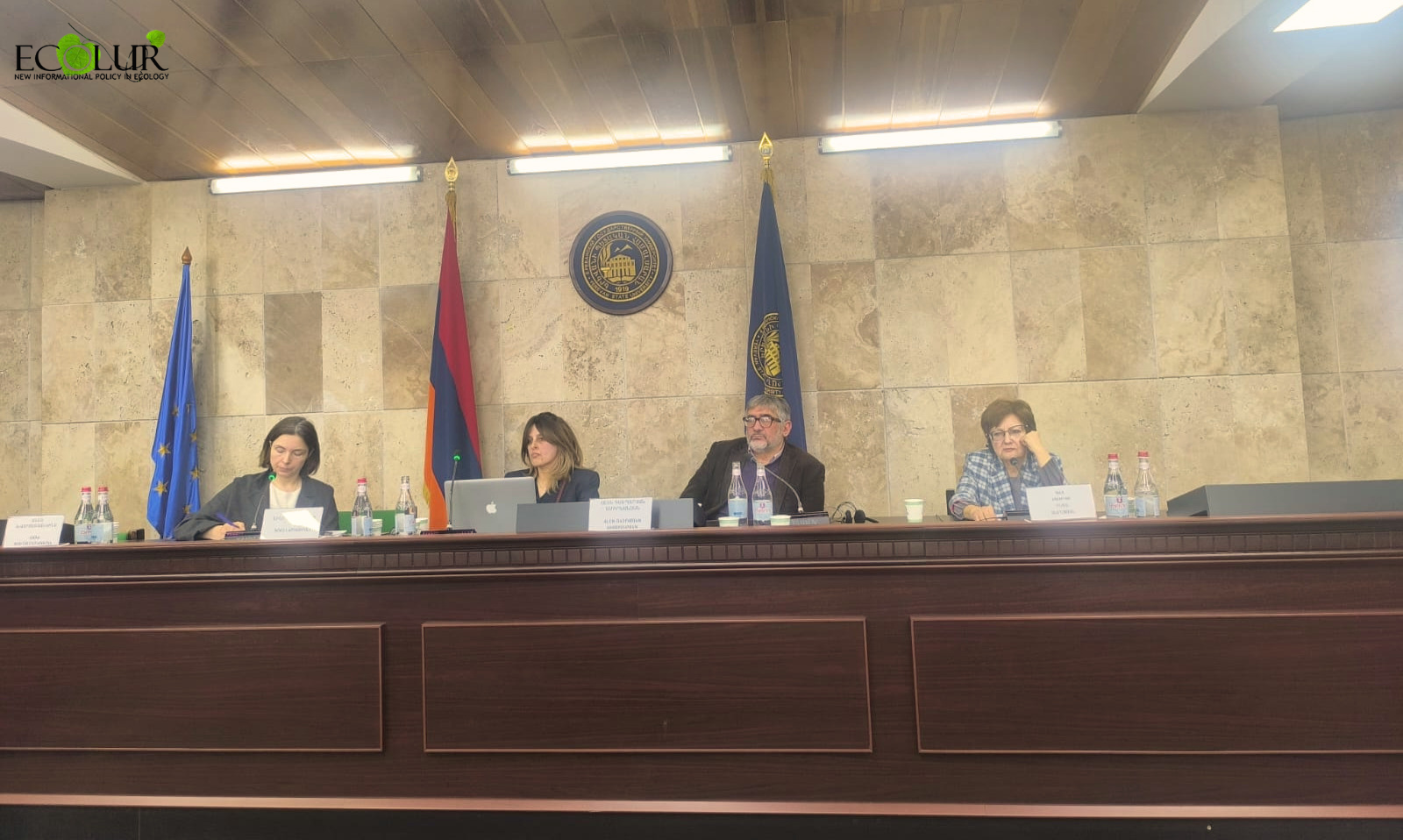
This article focuses on issues of climate resilience and security, discussed during a panel session with the participation of Inga Zarafyan, President of “EcoLur” Informational NGO, Alen Gasparyan Amirkhanyan, Director of the Acopian Center for the Environment, and Nino Lapiashvili, representative of Tbilisi State University. The discussion was moderated by Anna Khvorostyankina, Head of UNESCO Chair on “Justice and Good Governance for Sustainable Peace and Development.”
“At the core of climate justice is the human being, with their rights and security. Security is a fundamental component of human rights,” Inga Zarafyan noted. Responding to a question about the most significant risks, she highlighted the issue of access to clean and safe water. She emphasized that a number of communities face serious water challenges, and in some cases have even been deprived of water, leading to social tensions. According to Inga Zarafyan, experience working with communities shows that residents are well aware of climate risks, as they directly encounter problems and suffer damage. However, they continue to apply traditional approaches in their activities and daily lives due to various reasons. There is a lack of resources, finances, and technologies, and at the same time, their voices are not always heard by decision-makers.
“Although there are public hearing and assessment mechanisms, they often do not function effectively, especially when confronted with business interests. It is necessary to ensure that decisions are based on professional assessments and the opinions of local communities, rather than solely on political influence,” she noted.
She also emphasized the importance of individual responsibility in decision-making processes, stressing that each decision-maker must bear responsibility for their signature.
Addressing state support, Zarafyan noted that in recent years some programs have been implemented in response to natural disasters, but they are often limited and do not address fundamental issues. According to her, addressing climate risks requires not only state efforts but also joint actions at community and international levels.
Director of the Acopian Center for the Environment, Alen Gasparyan Amirkhanyan, emphasized that the region lies within the Kura–Araks river basin, where water systems are interconnected across several countries. The Kura River, originating in Turkey, flows through Georgia into Azerbaijan, while the Araks, crossing Turkey’s borders, joins the Kura. Large reservoirs built in upstream areas may significantly reduce water flow into Armenia, affecting neighboring countries as well.
“Armenia is the only country whose entire territory lies within the Kura–Araks basin. Although the region is generally considered water-rich, in reality there is a problem of water management: water is often used inefficiently, leading to losses,” he noted.
The issue is not only climatic but also relates to governance gaps and lack of regional coordination. “We must learn to live with less water—this is the reality,” Amirkhanyan noted.
Nino Lapiashvili addressed recent climate-related challenges in Georgia. According to her, the issue became part of broader public discussion particularly after the tragic landslide in 2023. “On August 3, 2023, a landslide in the mountain resort of Shovi in Georgia resulted in at least 32 deaths and caused significant damage to infrastructure,” she said. Following that event, the climate dimension became a subject of both public and political debate.
April 27, 2026 at 15:34