
n October 2026, Yerevan will host the 17th meeting of the Conference of the Parties to the UN Convention on Biological Diversity (CBD COP17). Among the many issues to be discussed will be the conservation of biodiversity in high-altitude lakes. Lake Sevan is the world’s second-largest high-altitude freshwater lake after Lake Titicaca and will be represented at COP17.
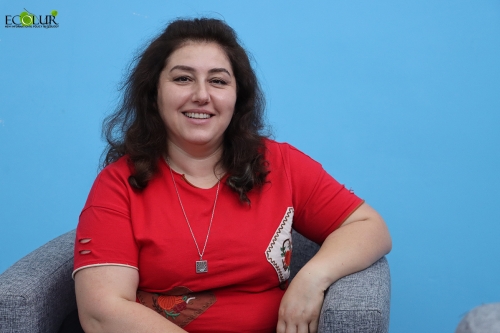
EcoLur spoke with Liana Asoyan, Founding President of BLEJAN Environmental, Social and Business Support NGO, about the challenges facing Lake Sevan and the significance of COP17.
According to Asoyan, Lake Sevan is much more than a body of water for local residents. It is an integral part of their daily lives and living environment. Sevan is also a source of income for local communities.
Many residents perceive the lake as a “living, breathing organism” alongside which they live and therefore have a better understanding of its needs and potential. “We are constantly polluting Sevan, but Sevan does not have the capacity to absorb all that waste,” Liana Asoyan noted.
According to her, several problems are currently affecting the areas along the shores of Lake Sevan. Alongside the dismantling of illegal structures along the shoreline and the cleanup of flooded forested areas, household waste remains a serious problem. Many visitors leave their waste on the lake shore, and locals are the first to experience the consequences. Asoyan noted that the problem cannot be attributed solely to tourists or visitors: some people living on the shores of Sevan also fail to demonstrate responsible behavior.
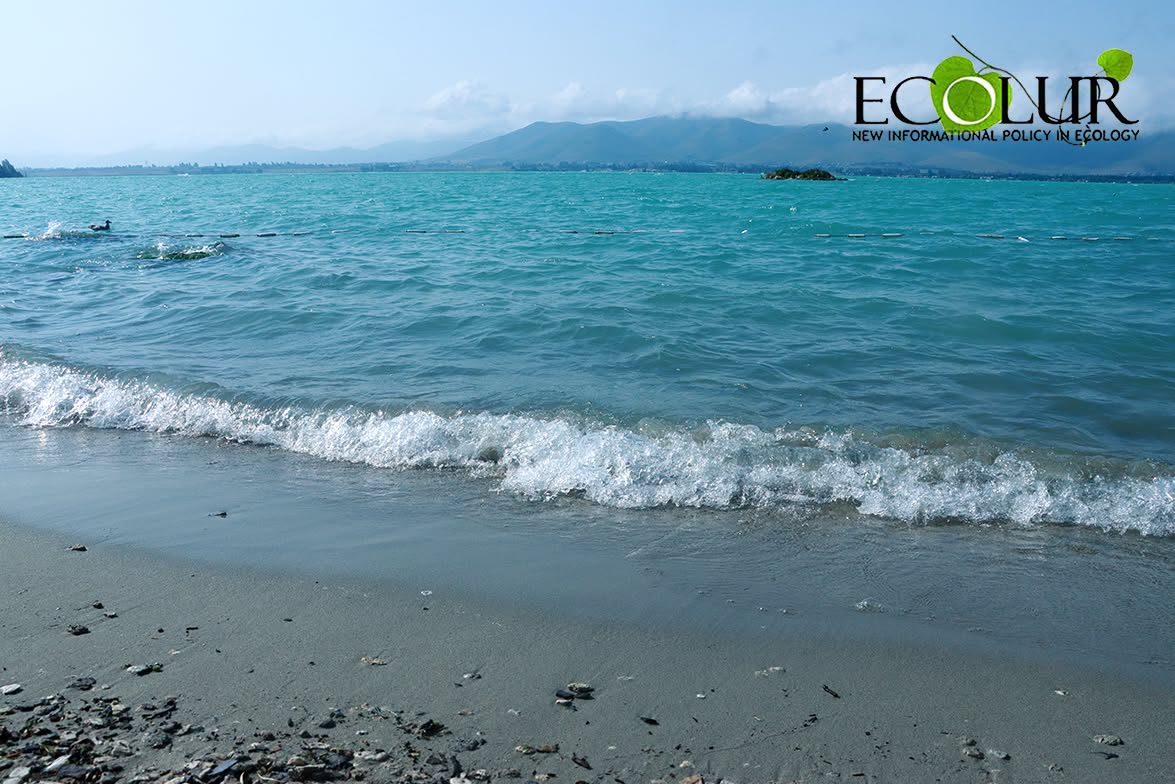
In addition to household waste, the lake is also polluted by wastewater and sewage.
In Liana Asoyan’s view, protecting Sevan requires, above all, responsible behavior and coordinated, joint action by different stakeholders. She noted that numerous programs, strategies, and studies aimed at protecting Lake Sevan have been implemented over the years, but they have often failed to complement one another. As a result, much of the work undertaken has not translated into long-term results.
She believes that people and nature must be viewed as interconnected. Human attitudes toward nature ultimately affect people themselves. “If you care for it, you will receive care in return; if you harm it, you will suffer harm in return. This is a law of nature, and it applies in every situation,” Liana Asoyan emphasized.
She sees COP17 as an opportunity to turn international attention to the protection of Lake Sevan into concrete and sustained action. “Everyone should contribute their efforts, even through small steps, but in order to take real action,” she said.
According to Liana Asoyan, the protection of Sevan also requires clear political will on the part of public authorities. She stressed the importance of implementing programs that do not simply repeat previous initiatives but instead build on the results already achieved and enable subsequent programs to continue the work of their predecessors.
Liana Asoyan also highlighted the importance of initiatives implemented at the community level. BLEJAN works with young people, schools, and different groups within the community. In Gavar, the organization is implementing a nature-based solutions (NbS) approach to the redevelopment of a park, which also serves as a demonstration project, showing people possibilities for efficient water use, drip irrigation, and other solutions.
Within the framework of COP17, Liana Asoyan also emphasized the importance of showcasing the experiences of people and businesses that have already adopted more sustainable practices. She noted that communities include farmers who use drip irrigation, as well as businesses seeking to transition to circular and zero-waste production models. In her view, such practices should not only be showcased but also receive continued support so that they can be scaled up and encourage the involvement of others.
Liana Asoyan believes that information about COP17 has not yet reached the wider public sufficiently. Although people and professionals interested in the field are aware of what is expected in October, ordinary citizens often have little understanding not only of the conference itself but also of Armenia’s role in it.
Liana Asoyan also sees increased international attention to Lake Sevan during COP17 as an opportunity to tell the world about Armenia and Sevan. At the same time, she is concerned that the lake could come under additional pressure due to the large number of visitors. In her view, it is important for guests to see Sevan as a natural area that is protected and respected.
This material was prepared within the framework of “Support to Armenia’s CBD COP17 Presidency and Its Domestic Implementation” project implemented by EcoLur Informational NGO in cooperation with the Fridtjof Nansen Institute, with the support of the Norwegian Agency for Development Cooperation (Norad).
The views expressed within the framework of the project do not necessarily reflect the views of the Fridtjof Nansen Institute.
To be continued.
August 20, 2026 at 12:24