
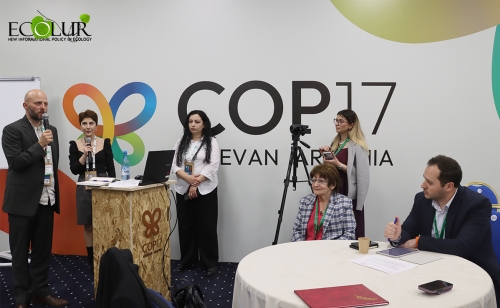
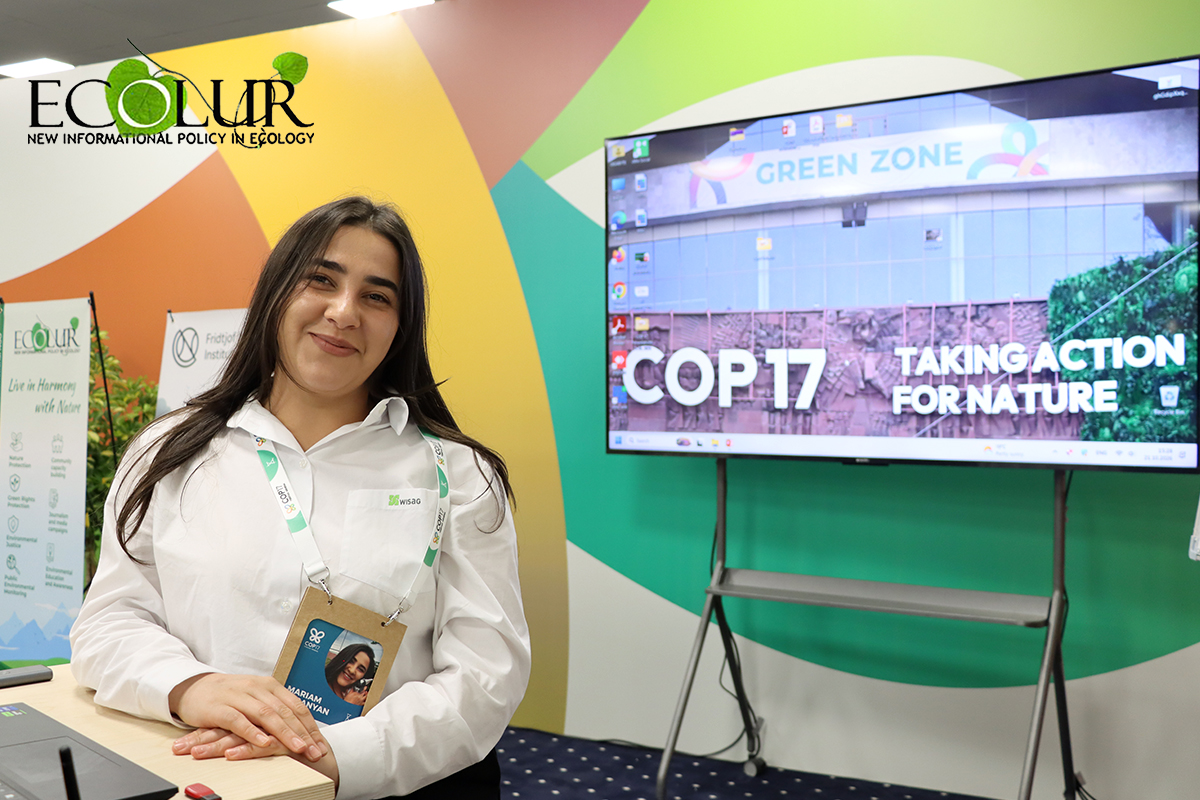
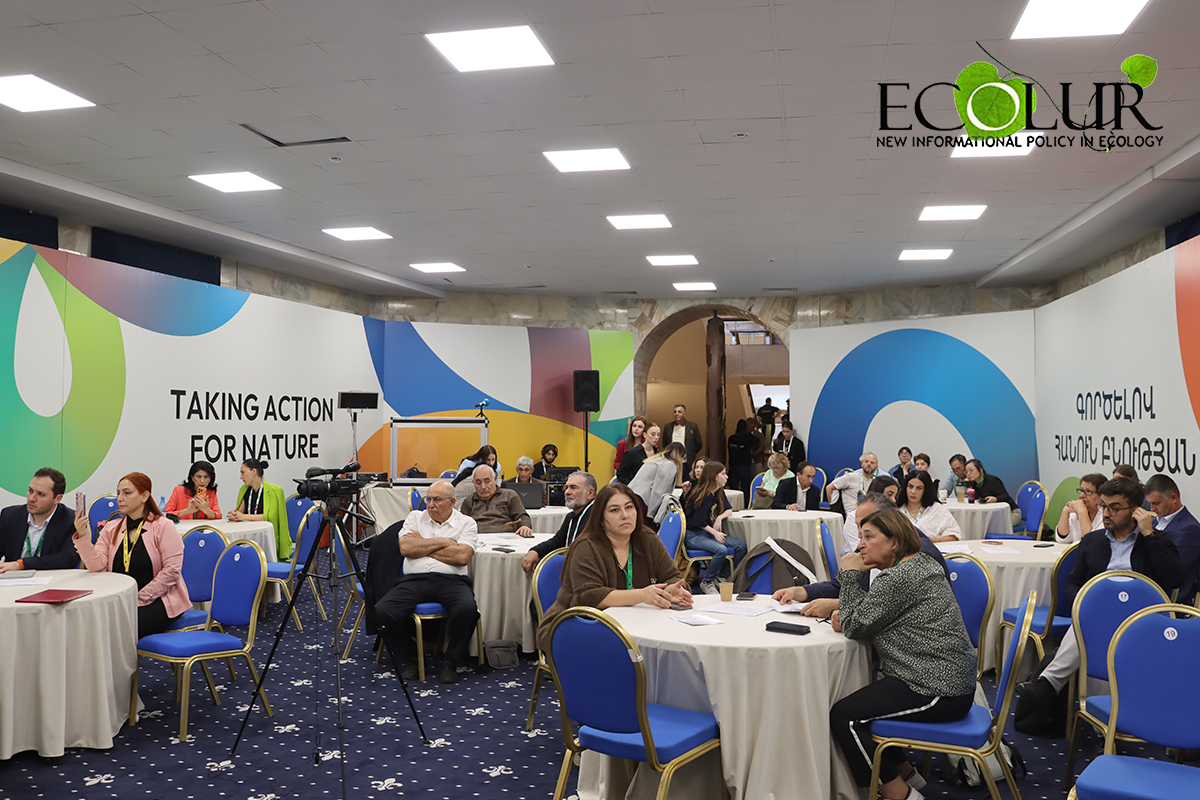
On October 21, the Green Zone of the 17th meeting of the UN Convention on Biological Diversity (CBD COP17), taking place in Yerevan, became a platform for bringing the environmental challenges of Armenian settlements to international attention. The session entitled “Communities as Biodiversity Conservers and Sustainable Users” was initiated by EcoLur Informational NGO in cooperation with the Fridtjof Nansen Institute and with the support of the Norwegian Agency for Development Cooperation.
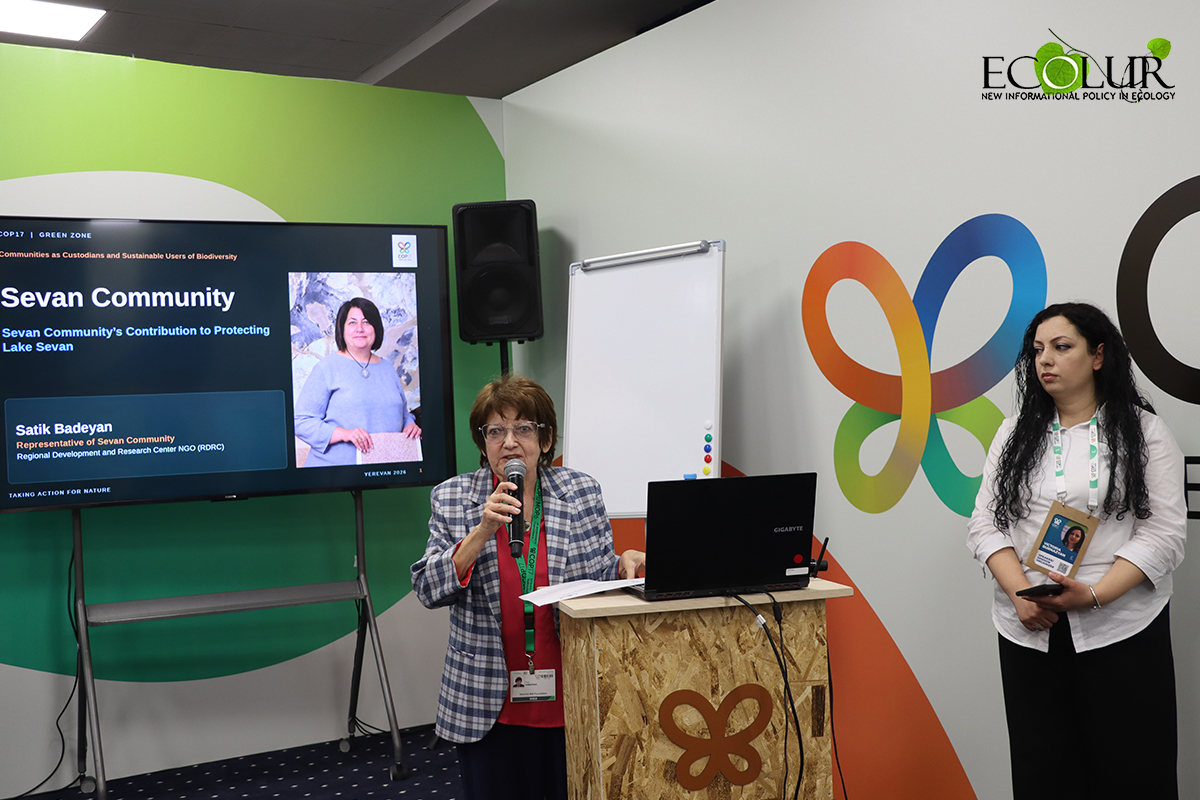
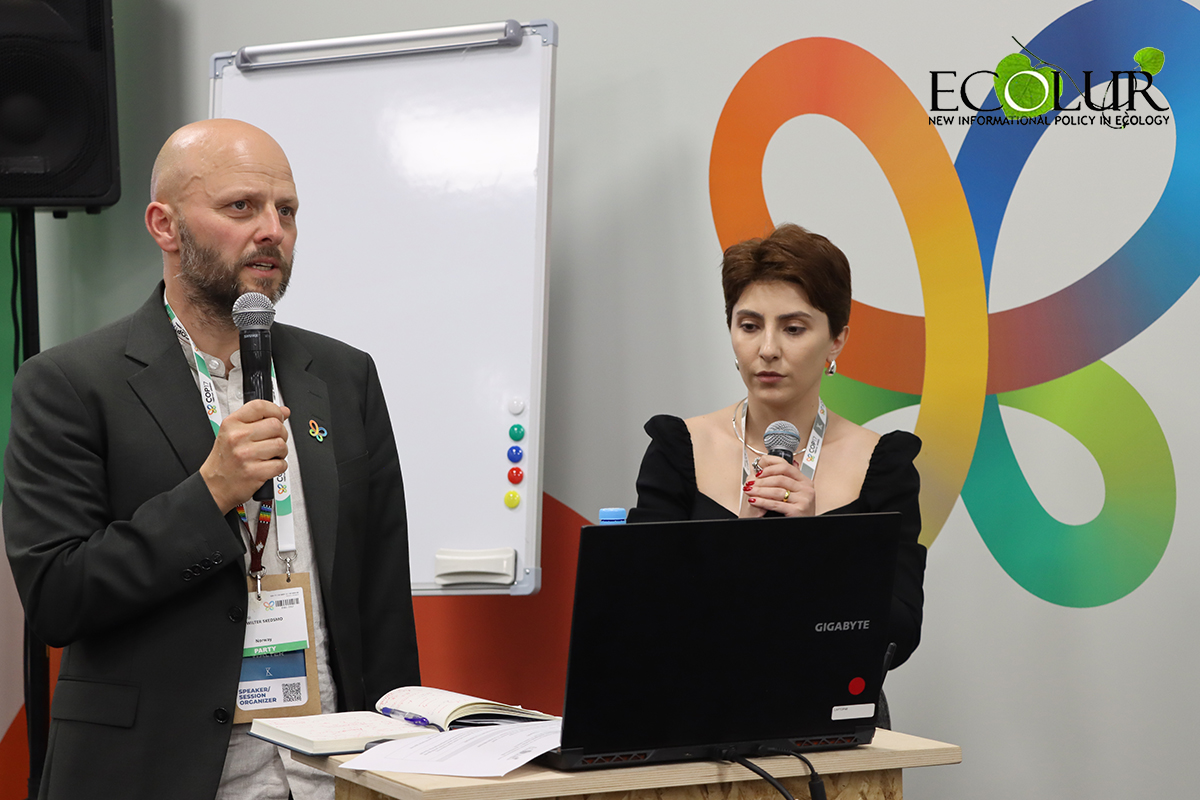
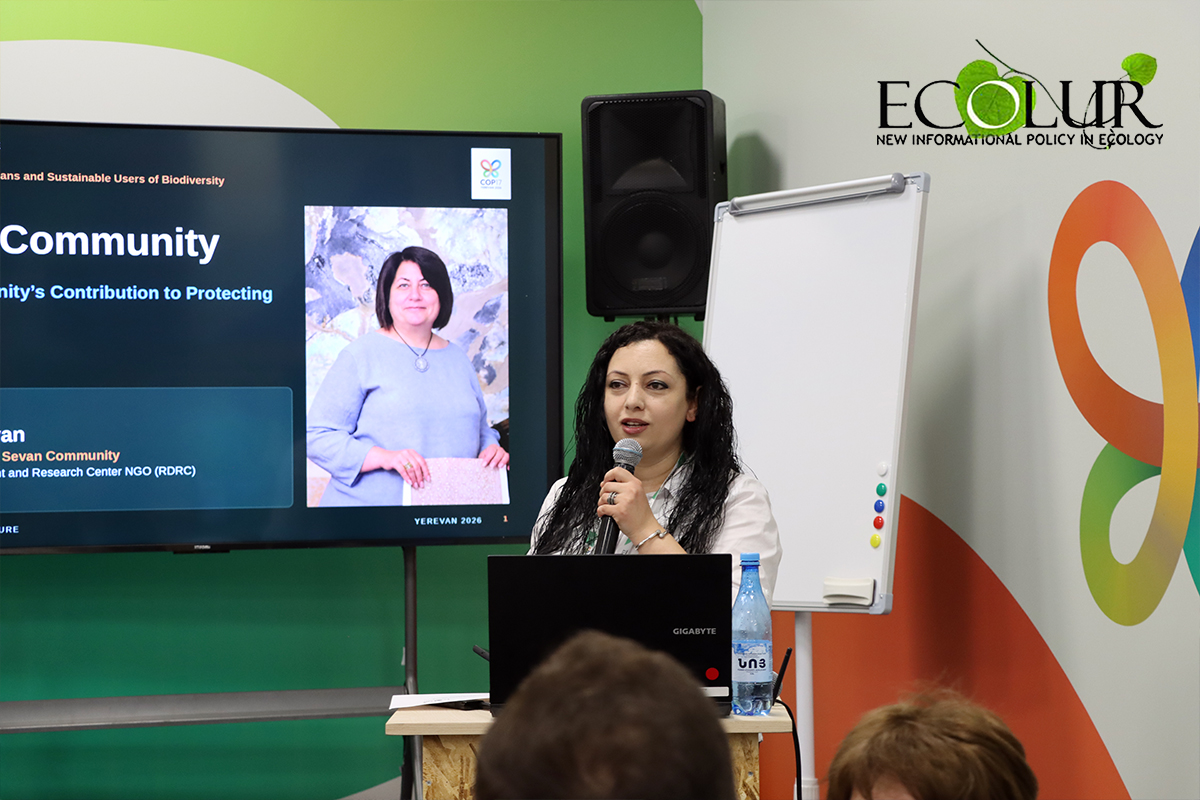
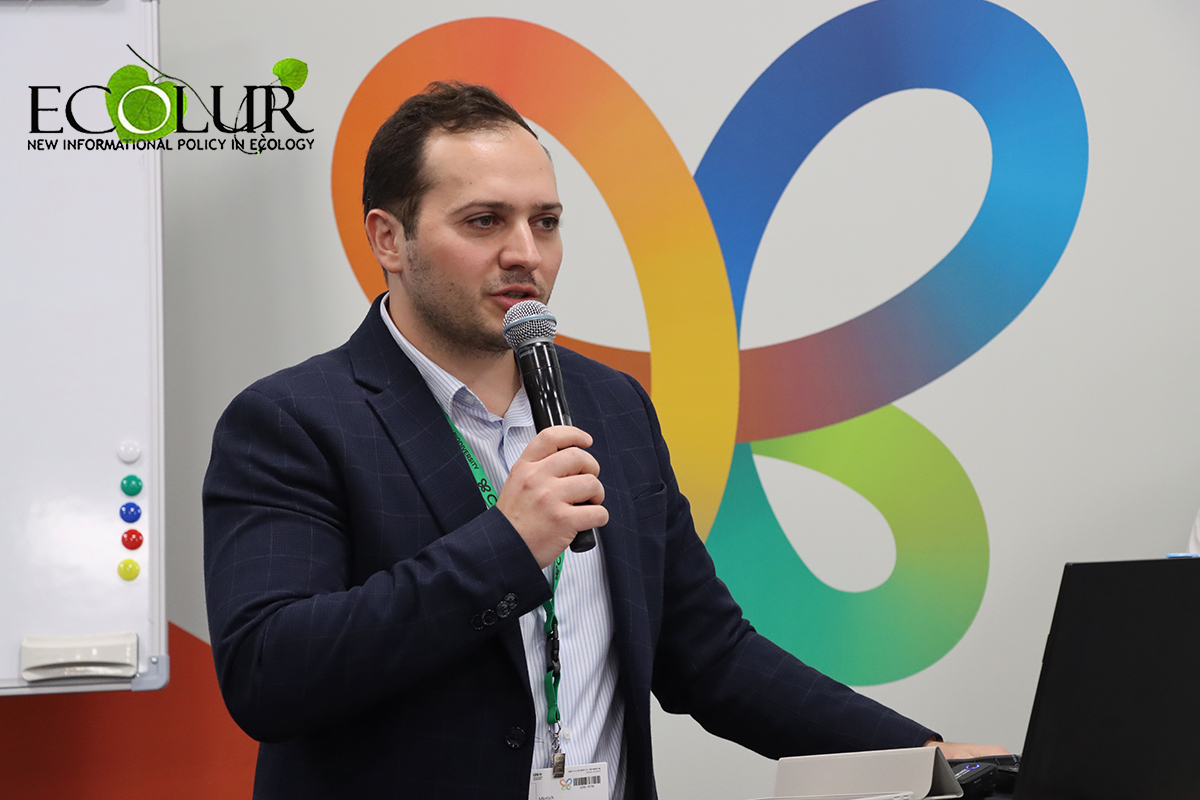
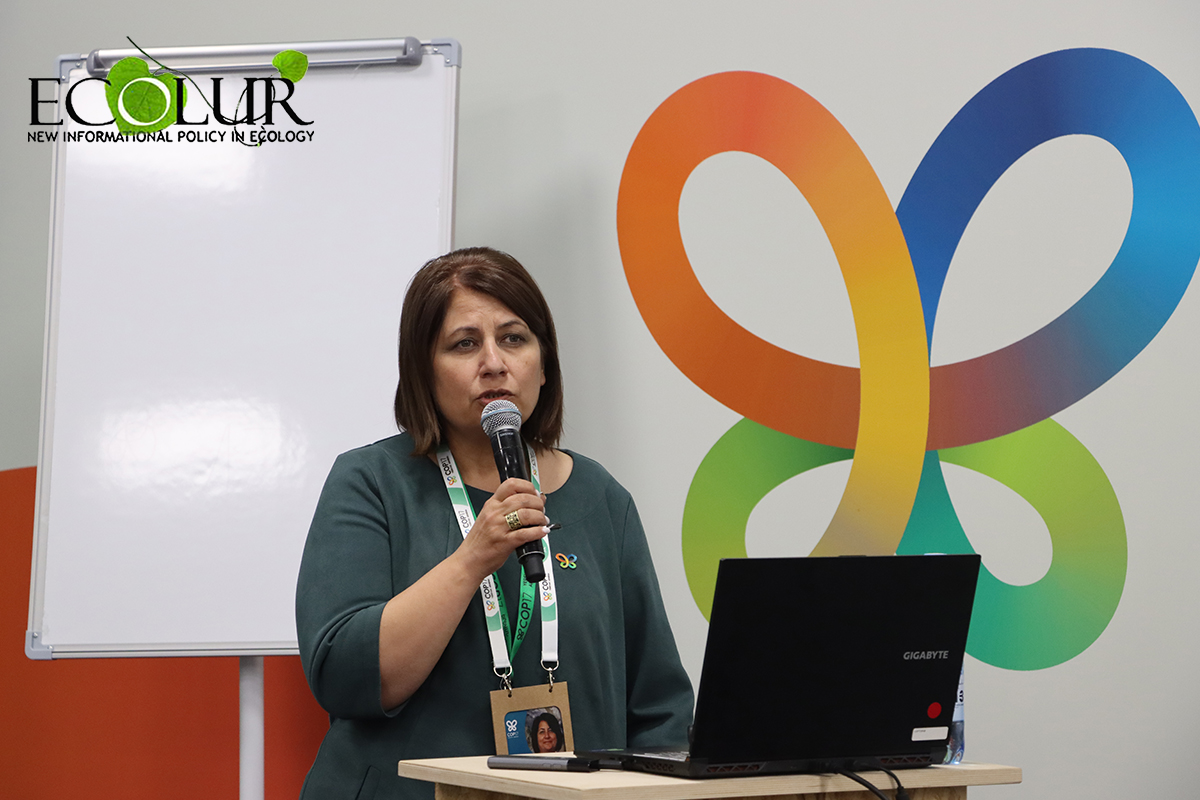
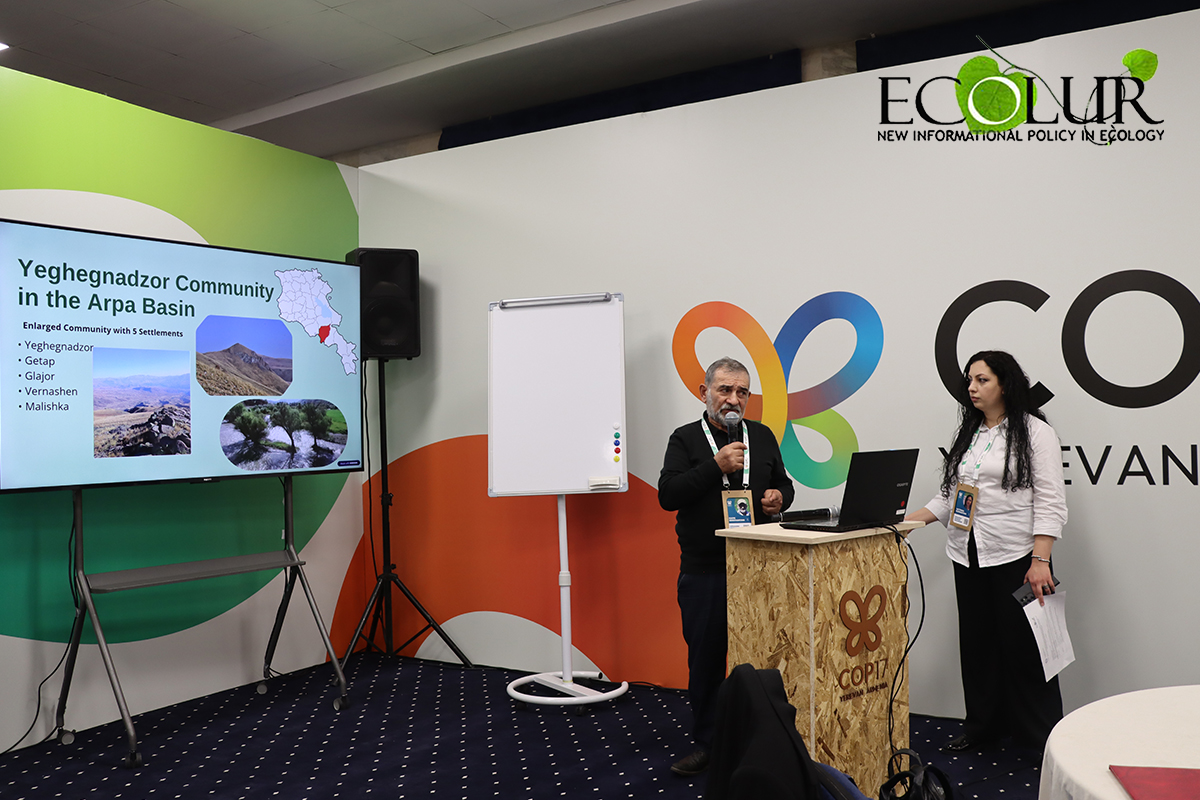
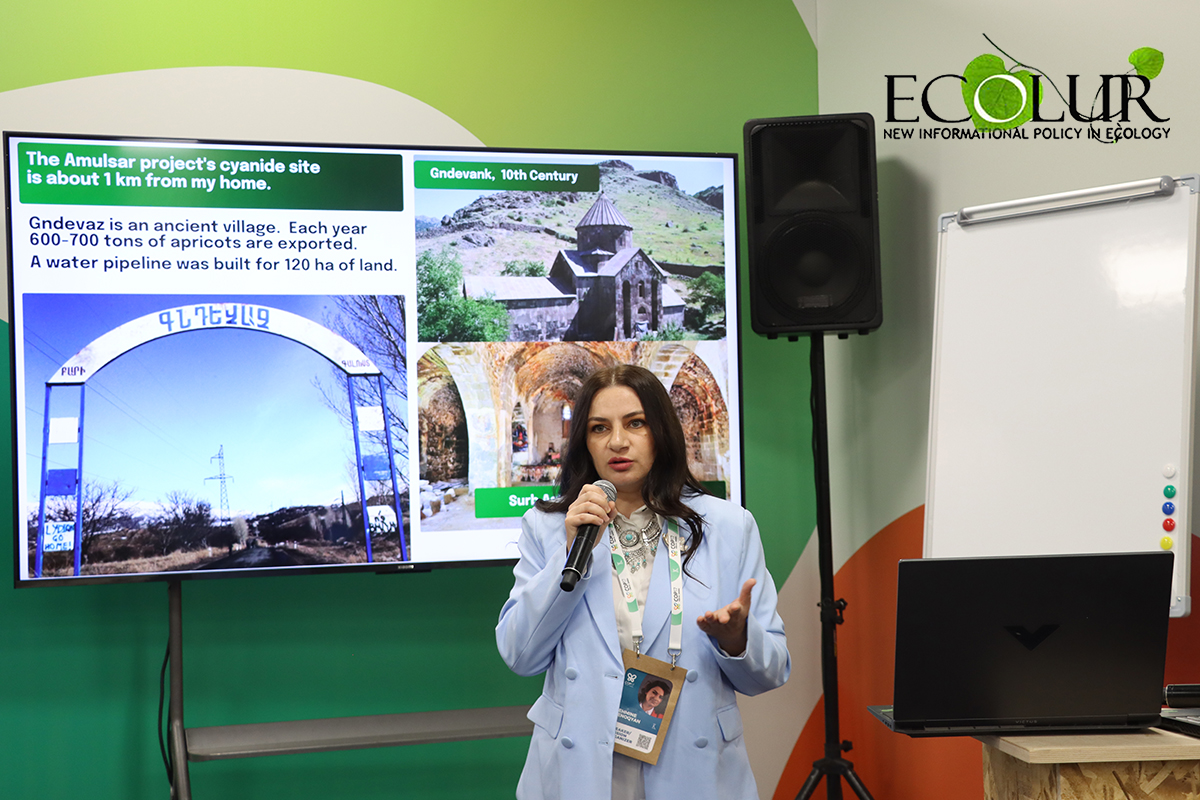
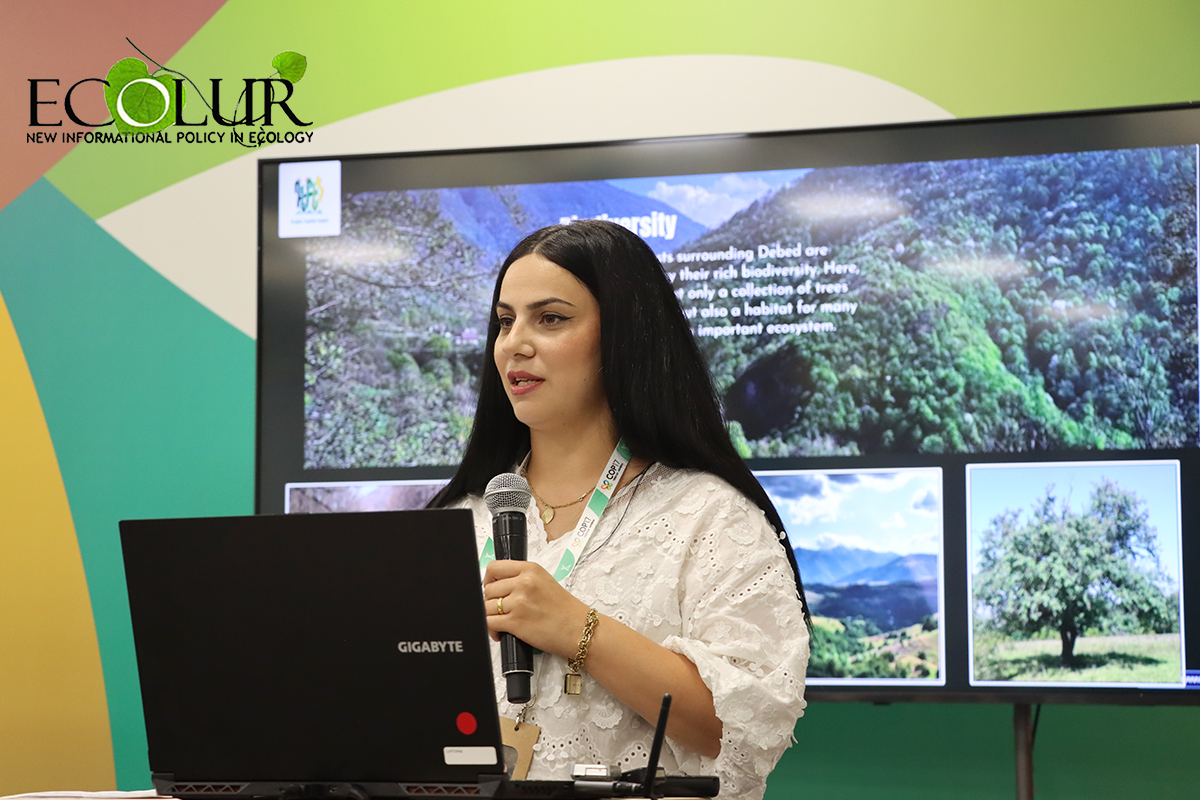
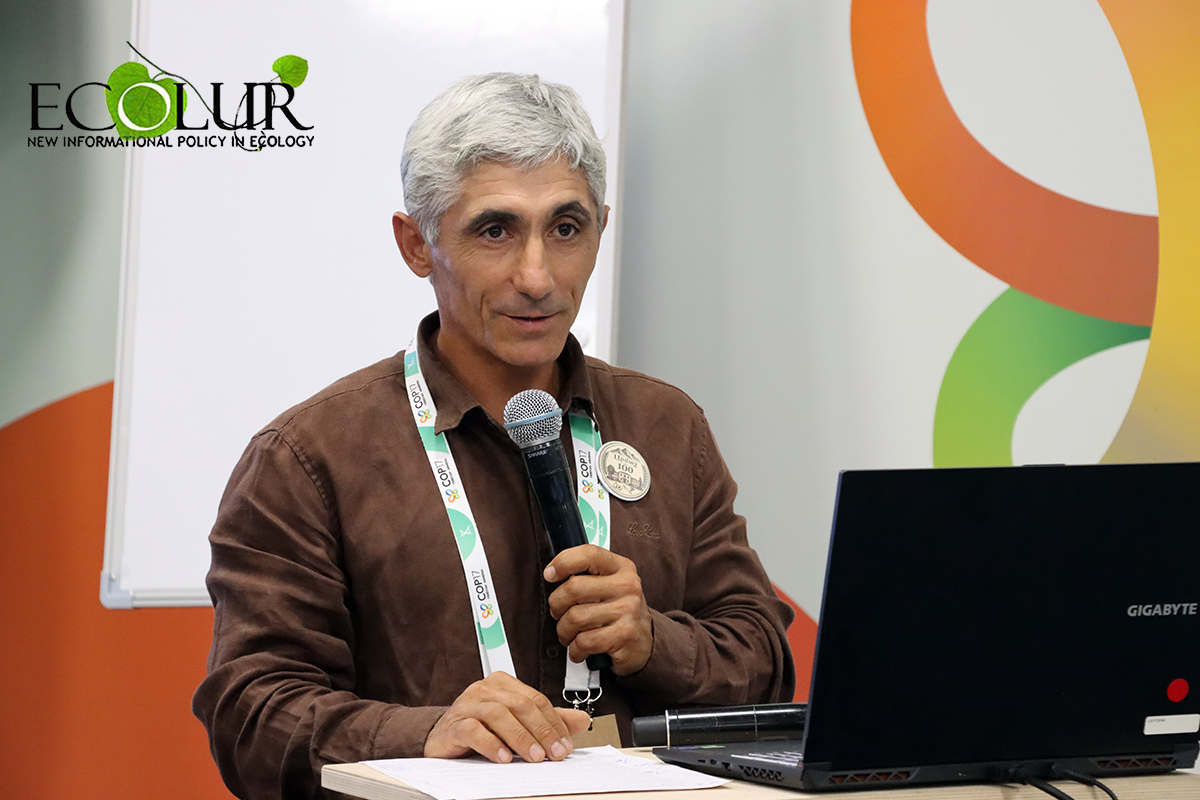
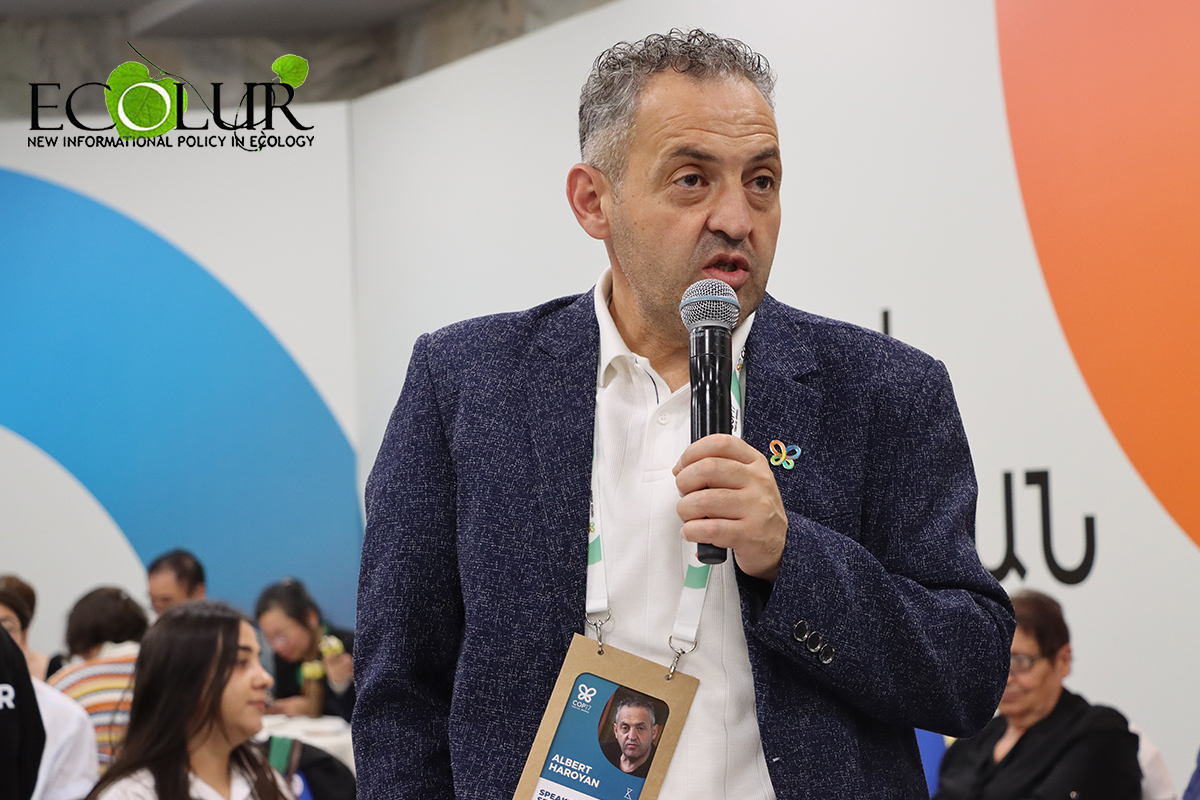
The representatives of local self-government bodies, civil society, and businesses from seven affected communities delivered presentations addressed to international and national institutions. They shared their experience in biodiversity conservation, discussed the impact of economic activities on the environment, and highlighted the role of local communities in ecosystem conservation and decision-making.
The representatives of Sevan, Dilijan, Jermuk, Yeghegnadzor, Armash, Debet, and Dsegh presented their communities’ experience in biodiversity conservation, existing challenges, and proposals for addressing them. Speakers discussed climate change, water resource management, forest conservation and sustainable use, ecotourism development, the impact of economic activities on biodiversity, waste management, and opportunities to create sources of income based on local cultural heritage.
This event, held within the framework of CBD COP17, was exceptional in that it placed communities themselves at the center of global environmental policymaking-the people who live in direct connection with nature and are the first to bear the severe consequences of the climate crisis, mining, and illegal resource exploitation.
The platform demonstrated that Armenia’s communities are no longer confined to the role of passive observers or victims. From Sevan to Dsegh and from Jermuk to Armash, local stakeholders are proposing science-based and economically sound solutions, promoting green investment, renewable energy, community-based ecotourism, and forest conservation.
The outcomes of this event are expected to serve as an important reference point in the high-level negotiations at COP17, demonstrating one of the key principles of the Kunming-Montreal Global Biodiversity Framework: effective, long-term biodiversity conservation begins with local communities themselves and ensuring their well-being.
The article was prepared within the framework of “Supporting Armenia's CBD COP Presidency and Domestic Implementation” implemented by EcoLur Informational NGO in cooperation with the Fridtjof Nansen Institute, with support from the Norwegian Agency for Development Cooperation (Norad).
The views expressed within the framework of the project do not necessarily reflect those of the Fridtjof Nansen Institute.
October 21, 2026 at 22:13