
On October 10, just a few days before the opening of the CBD COP17 conference in Yerevan, an inauguration ceremony for the Amulsar gold mine took place, attended by the Prime Minister of Armenia.
We-representatives of civil society, non-governmental organizations, environmental activists, and concerned citizens-view this action by the Government as an indication that domestic priorities are being placed above international obligations, particularly those arising from the Convention on the Conservation of European Wildlife and Natural Habitats (the Bern Convention), which Armenia has signed and ratified.
In 2020, the Bern Convention Secretariat received a complaint submitted by NGOs entitled “The Amulsar Gold Mine Project and Its Impacts on Emerald Network Sites.” According to the complaint, the project affects Emerald Three-Candidate sites, three Important Bird Areas, a Ramsar wetland of international importance, and 24 species classified as threatened or near-threatened on the IUCN Red List.
The complaint identifies several major risks to biodiversity, including habitat destruction, dust and water pollution, the killing of animals and plants, fragmentation of the wildlife corridor around Mount Amulsar, and disturbance and poaching.
The complaint review process has spanned six years, during which both the Armenian Government, represented by the Ministry of Environment, and the complainants have submitted annual reports.
In 2026, the Standing Committee of the Bern Convention set out specific requirements for the Armenian Ministry of Environment. These included the following:
- Conduct a new Environmental Impact Assessment (EIA) for the Amulsar project before extraction activities commence.
- Establish “Jermuk” National Park ahead of CBD COP17 in Yerevan, Armenia, as a demonstration of a clear and strong commitment to biodiversity protection.
- Conclude consultations on the Emerald Network and submit an updated database reflecting the revised boundaries of candidate Emerald Network sites, thereby enabling the organization of a Bern Convention biogeographical seminar. This step is essential to ensure an adequate assessment of the mining project's impacts on the affected candidate Emerald Network sites.
In response to the request for a new EIA for Amulsar, the Ministry stated that the existing EIA conclusion and related national permits for the Amulsar project remain in force.
Regarding the Emerald Network, the Ministry stated that Armenia was continuing to revise its candidate Emerald Network sites and had duly noted the Bureau's request to conclude consultations and submit an updated database, including revised site boundaries.
Regarding the establishment of “Jermuk” National Park, the Ministry stated: “The “Jermuk” National Park process is in an active phase.”
The Amulsar project also raises serious concerns identified in previous expert assessments. The 2019 ELARD–TRC independent review questioned the reliability of the project's environmental assessment, particularly its treatment of acid rock drainage, groundwater conditions, contaminant pathways, and potential impacts on the Arpa, Vorotan, and Darb rivers and the Kechut Reservoir.
The scale of the project makes these unresolved issues particularly significant. According to the state environmental expertise conclusion, the project involves the extraction of approximately 89,376,300 tons of ore containing 73,733 kilograms of gold (at a reported grade of 0.78 g/t) and 294,367 kilograms of silver (at a reported grade of 9.29 g/t). The document also reports an overburden volume of 106,490,056 cubic meters. However, earlier sources suggest that the total mass of overburden could reach 250–300 million tons.
Cyanide heap leaching, acid rock drainage, dust emissions, seismic hazards, and the potential contamination of surface water and groundwater pose significant long-term risks. The project may also affect protected wildlife and habitats, disrupt ecological connectivity, and undermine Jermuk's health-resort economy, which depends on the region's natural environment and water resources.
The Government's reliance on post-approval monitoring cannot substitute for a preventive assessment of environmental impacts before extraction begins. Without a new EIA, scientifically justified candidate Emerald Network boundaries, and effective protection of the Jermuk area, the project's full consequences remain insufficiently assessed. These include the risks of environmental degradation, biodiversity loss, water and soil contamination by cyanide and toxic metals, potential radioactive contamination, and damage to Jermuk's spa facilities and health-tourism sector.
In 2024, the Armenian Government reportedly received a 12.5% stake in “Lydian Armenia” as a gift. As a shareholder, the Government now has a direct financial interest in the project, in addition to its responsibility to protect the public interest and prevent environmental harm.
The requirements of the Bern Convention are directly relevant to the Green Agenda of CBD COP17. In this context, the Armenian Government bears political responsibility for meeting the commitments set out in the relevant international policy frameworks, particularly the targets of the Kunming–Montreal Global Biodiversity Framework. The Amulsar project threatens not only specific targets under this framework but also its underlying vision of living in harmony with nature.
The Amulsar case has evolved from a local environmental conflict into one of Armenia's most significant cases of environmental and social governance. What began as community opposition to a proposed gold mine has developed into sustained civil disobedience, legal and administrative challenges, international complaints, and scrutiny by international financial institutions and the Bern Convention.
We therefore call on the Standing Committee of the Bern Convention to:
- Send a clear and unequivocal message to the Armenian Government that protecting and effectively managing the candidate Emerald Network, establishing “Jermuk” national park, and halting environmentally harmful activities-including mining-in protected areas are essential to meeting Armenia's obligations under the Bern Convention and the Convention on Biological Diversity (CBD).
- Coordinate with the relevant bodies of the CBD COP17 to identify and pursue opportunities for cooperation in protecting Armenia's natural heritage and addressing the outstanding issues surrounding the Amulsar project.
- Inform the Parties to the Bern Convention and the UN Convention on Biological Diversity (CBD) about the position of the Government of the Republic of Armenia (RA) on the requirements of the Bern Convention. The recommendations of the Bern Convention Standing Committee should serve as a benchmark against which Armenia's biodiversity commitments and actions in connection with COP17 are assessed.
- Organize an independent on-the-spot appraisal (OSA) mission under the Bern Convention as soon as possible to assess the situation on the ground in the Amulsar and Jermuk regions.
The Bern Convention must not be left to pursue its demands on the Armenian Government in isolation. International organizations and institutions participating in COP17 must address a fundamental issue: the effective protection of the remaining natural areas of our planet. Armenia is one such place, where threatened species and vulnerable ecosystems urgently need protection.
We call on UN CBD Secretariat, other international organizations and partners to take practical steps within their respective mandates to prevent potentially severe and irreversible environmental damage, support the work of the Bern Convention Secretariat, and urge the Armenian Government to implement the Bern Convention Bureau's recommendations effectively. This must include conducting a new Environmental Impact Assessment and suspending all subsoil-use permits until the new EIA process has been completed.
Taking into account that the Government of Armenia has failed to comply with the requirements of the Standing Committee of the Bern Convention concerning the Amulsar Project;
- Considering that, at the 1992 Earth Summit held in Brazil, the need for coordination and cooperation among three key international environmental agreements under the United Nations framework was recognized: the United Nations Framework Convention on Climate Change, the Convention on Biological Diversity, and the United Nations Convention to Combat Desertification, and that a coordination mechanism - the Joint Liaison Group (JLG) - was established to facilitate cooperation among them;
- We call for a meeting of the Joint Liaison Group to be convened to consider the Amulsar Project in the context of the requirements of the Bern Convention, adopt an appropriate decision, communicate it to the Government of Armenia, and publish it on the respective conventions’ websites.
- Considering that the Aarhus Convention provides a strong mechanism for promoting environmental rights and public participation, we call on the Aarhus Convention Secretariat to support the Standing Committee of the Bern Convention in addressing the Amulsar case.
Signatories
Ecolur Informational NGO
Armecofront civic initiative
“Heath Razdan” civic initiative
Transparency International Anticorruption Center
RDRC NGO
Martuni Women’s Community Council
“Blejan” NGO
“Khazer” Ecological- cultural NGO
"Natural Economy" Climate Civic Revolving Investment Fund
“Green Armenia” NGO
Armenian Women for Health and Health Environment NGO
“Success Lady" NGO
SRD NGO
ALT TV
“Armenian Forest” NGO
CCMS NGO
CSI NGO
Dalma-Sona Fund
CEE Bankwatch network
Roza Julhakyan, expert
Anush Nersisyan, expert
Hayk Abrahamyan, expert
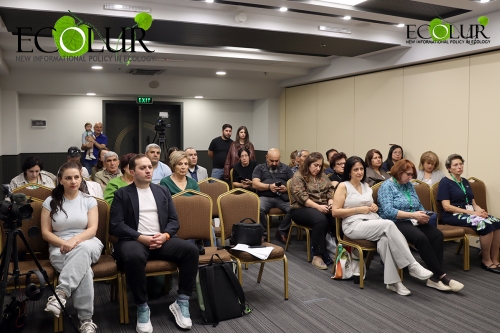
Participants in the discussion titled “Strengthening Civil Society Leadership and Biodiversity Governance Ahead of COP17 in Armenia”

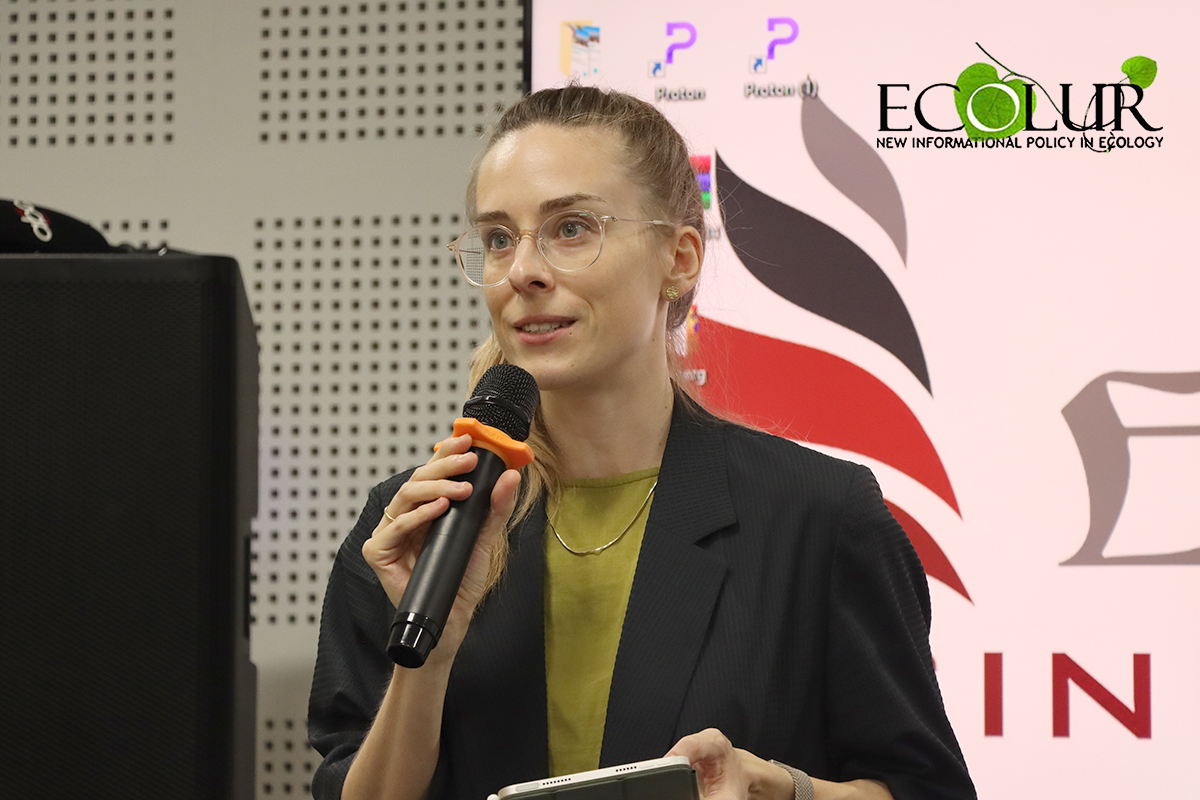
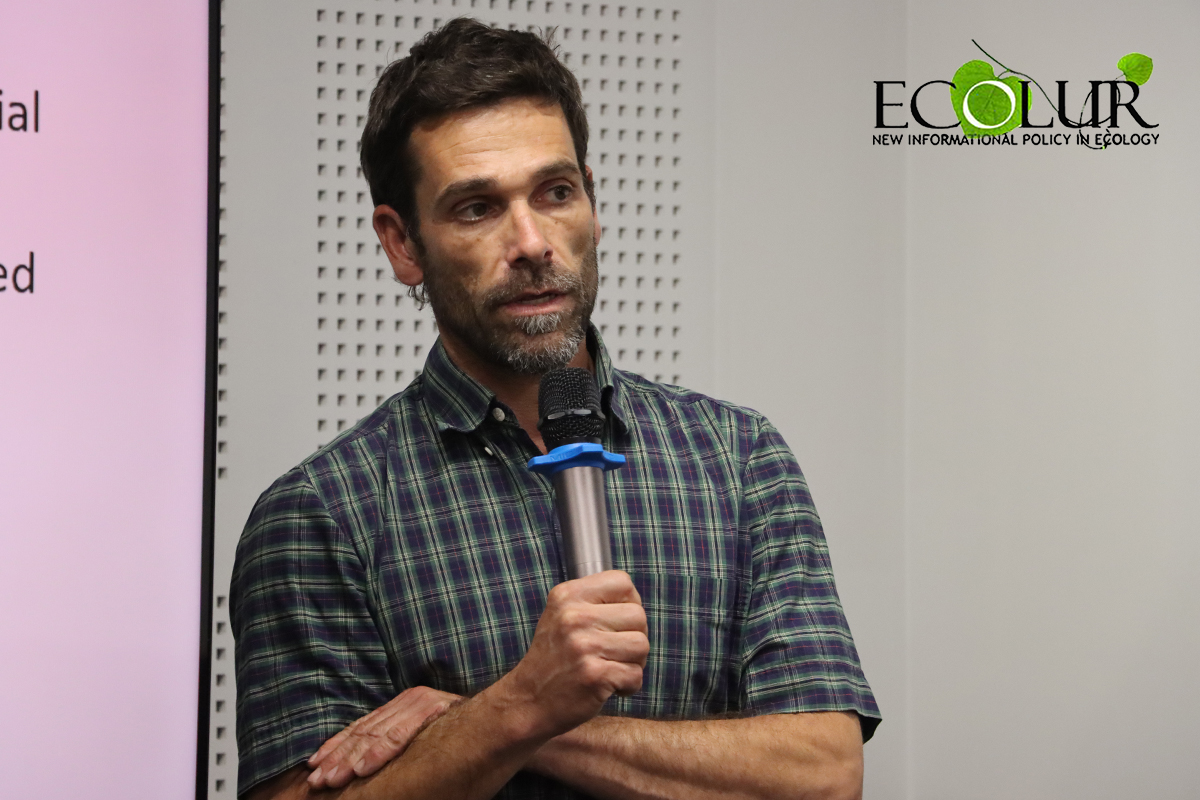
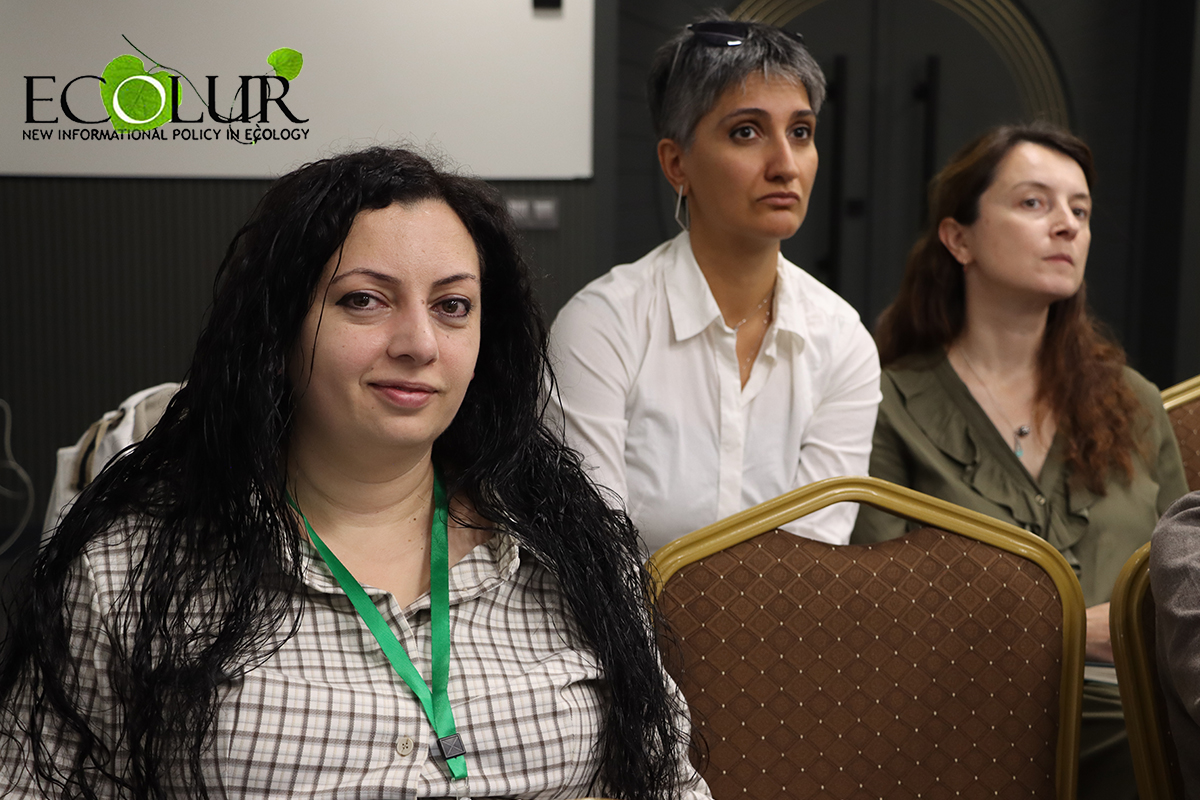
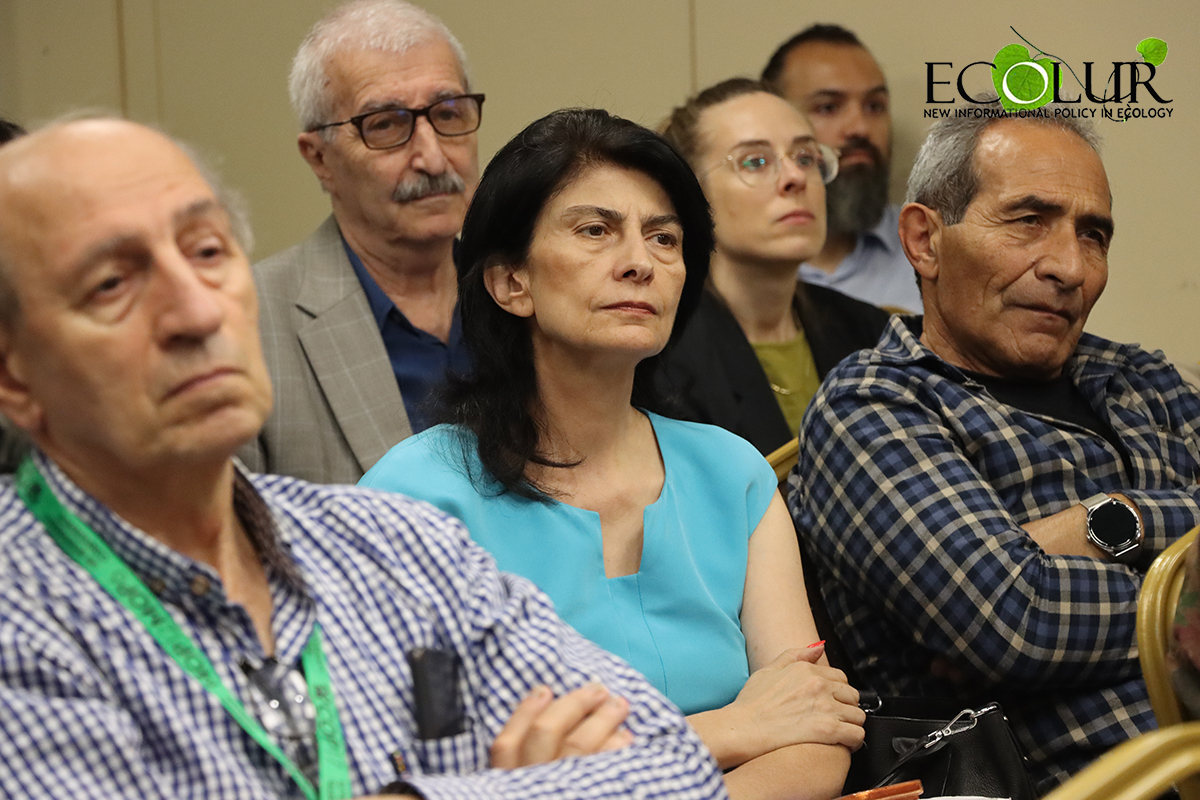
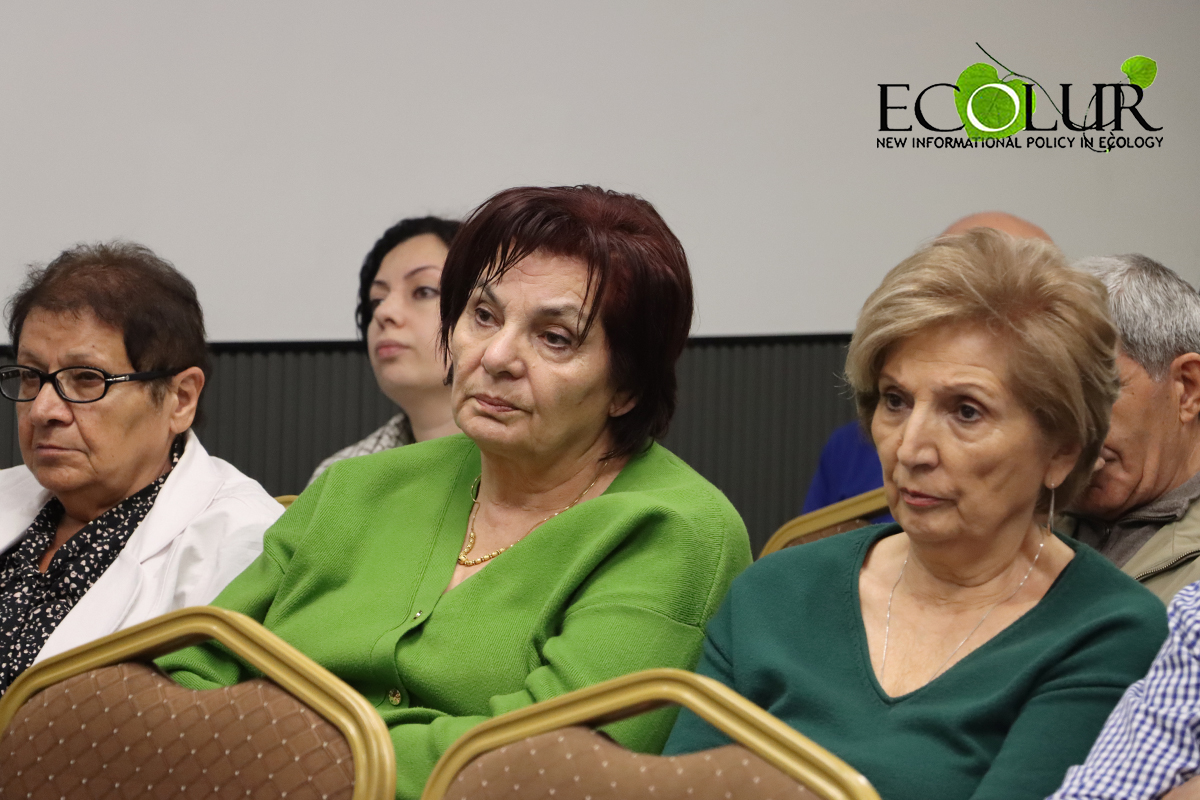

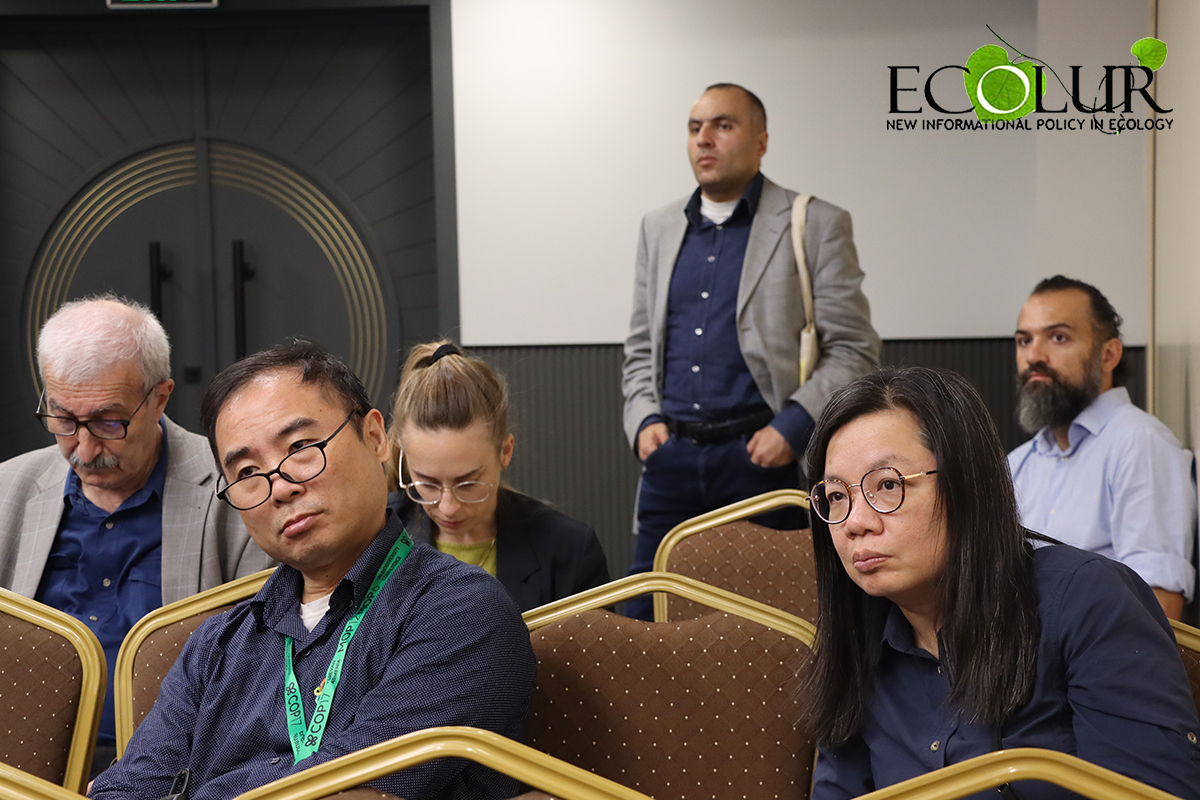
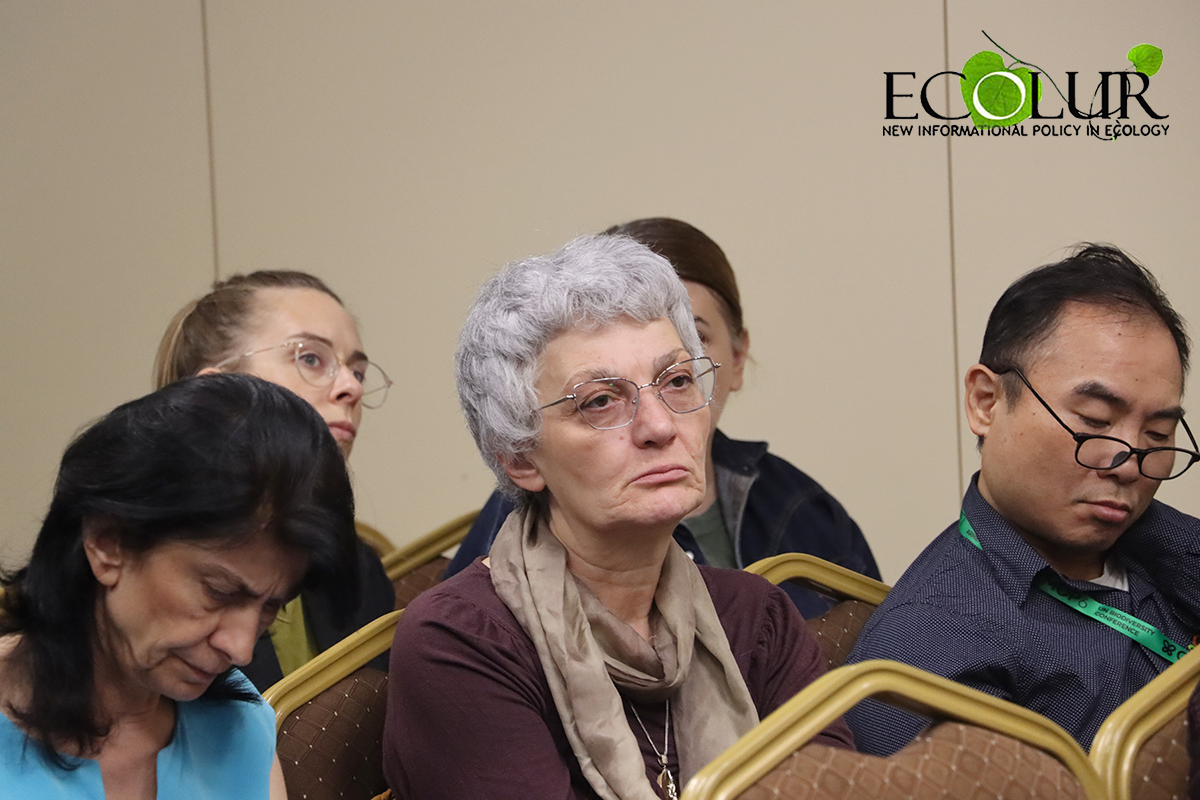

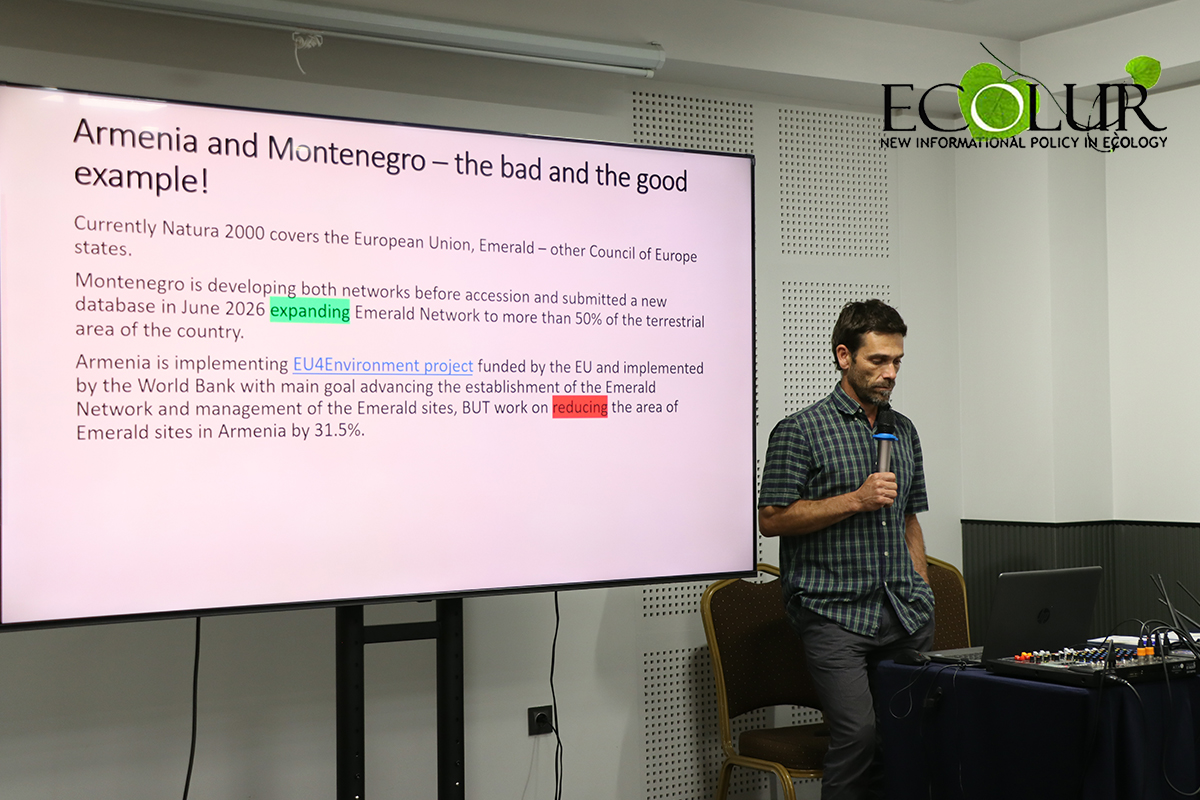

The project “Strengthening Civil Society Leadership and Biodiversity Governance Ahead of COP17 in Armenia” is implemented by EcoLur Informational NGO with the support of the Armenia office of the Heinrich Boell Foundation.
The views expressed in this article are those of the author and do not reflect the views of the Heinrich Boell Stiftung Yerevan Office – South Caucasus Region.
October 27, 2026 at 23:22