
EcoLur
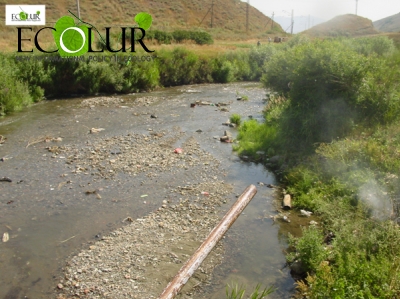
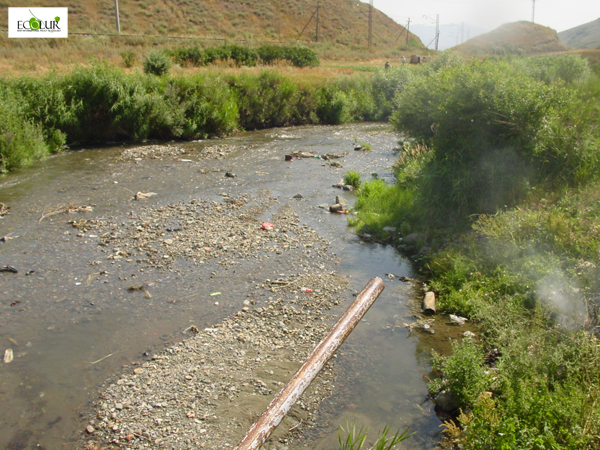
In the framework of the project entitled “Support to the Reforms of SHPPs through a Dialogue between the Public and The Ministry of Nature Protection of the RA for the Purpose of River Ecosystem Use” the EcoLur expert group studies the state of the Pambak River and the possible impact of two SHPPs constructed on the river on the river itself and adjacent communities.
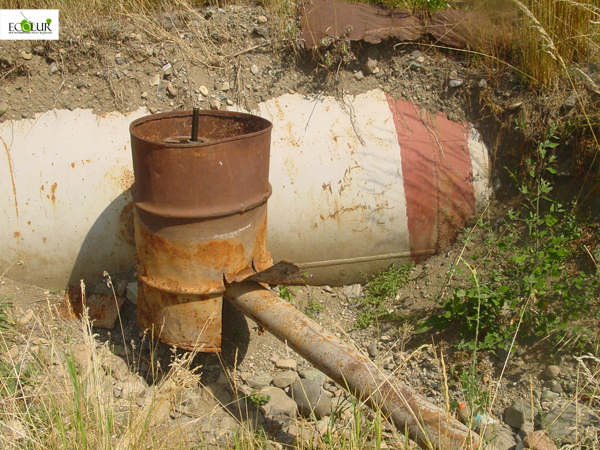
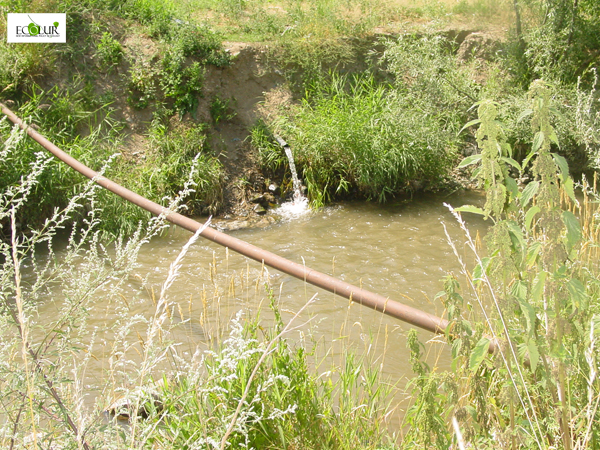
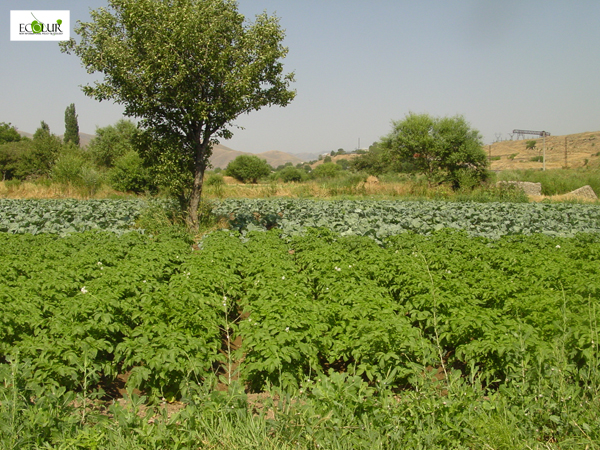
Irrigation water is supplied through the small pipes joining the SHPP pipeline constructed in Spitak Town.
“It’s irrigation season in June, July and August, summer season, and you can’t leave people without water. What about the irrigation, you could see that we gave pipes to people for irrigation, as soon as we stop our operation and the river water gets more, people put pipes and irrigate their land areas,” SHPP representative said.
The SHPP doesn’t implement social programs. “We can hardly make ends meet, we are burdened with loans, still one year to pay off the loan. As soon as we pay off the loan, we will implement social programs,” SHPP representative said.
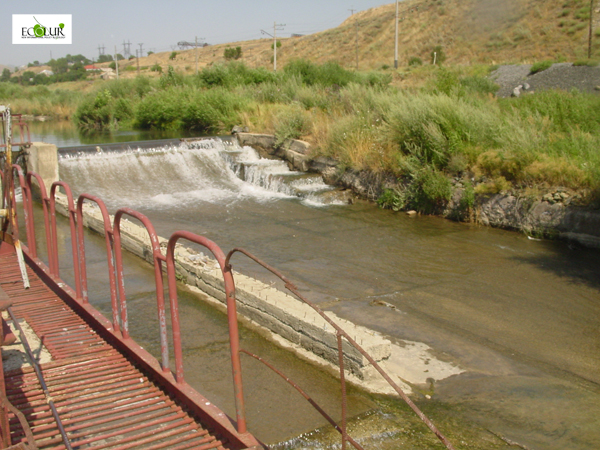
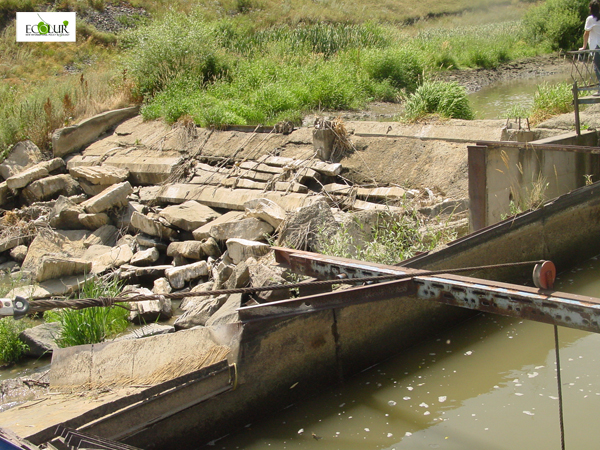
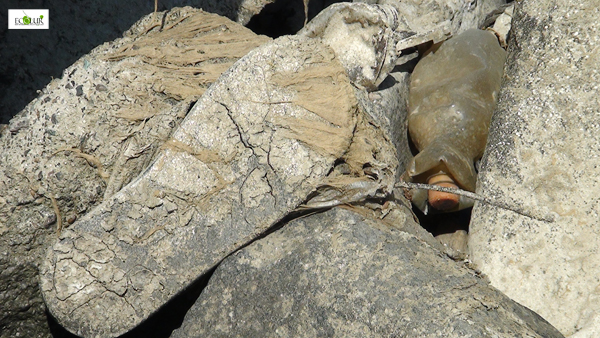
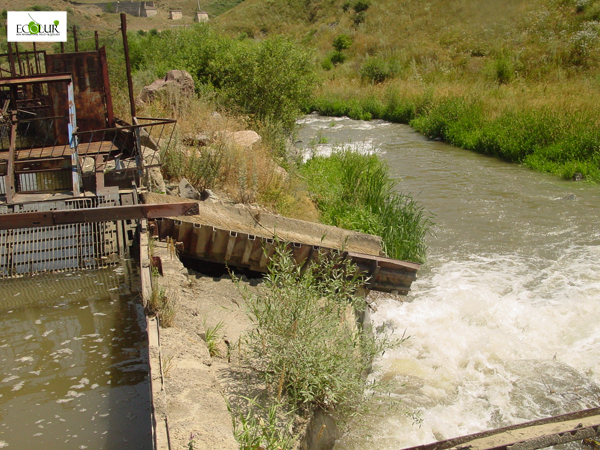
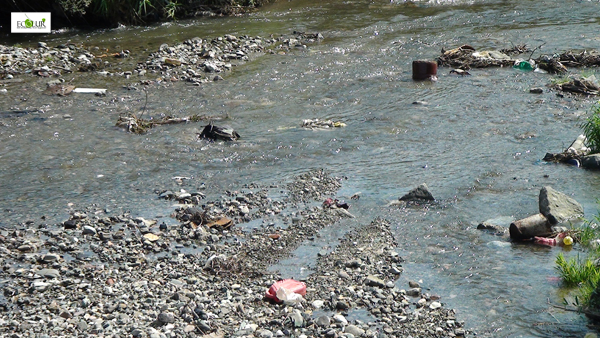
Besides irrigation, SHPPs have social impact on the sanitary state of the Pambak River as well. The SHPP located near the administrative area of Arjut community takes all water into pipes in the area of 2 km in low-water season in the summer. The SHPP dam closing the riverbed is in poor state. The SHPP doesn’t ensure environmental flow to preserve the balance of the ecosystem, plus it doesn’t have a fish passway. The SHPP dam hinders for the fish species in the river to flow up the river. Besides, a device is installed near the bards of SHPP garbage collector, from where the garbage collected can easily slip and again appear in the river.
The Pambak River is one of the most polluted rivers in Armenia. According to the certificate issued by “Environmental Impact Monitoring Center” SNCO of Nature Protection Ministry in 2014, the water in the river is the most polluted – 5th category.
 |
 |
 |
 |
 |
 |
 |
 |
 |
September 04, 2015 at 13:40