
EcoLur
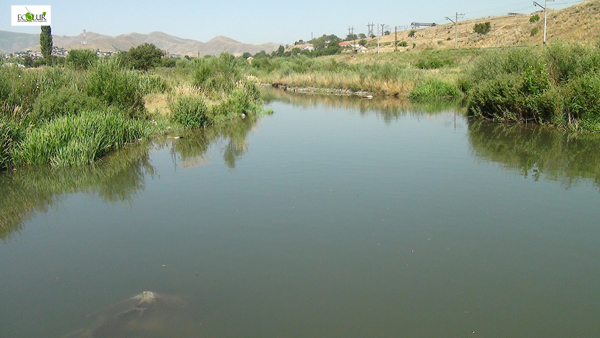
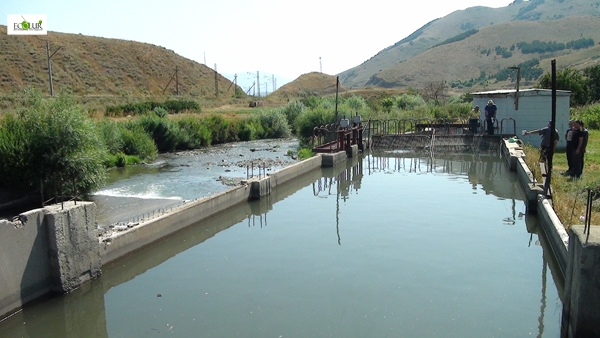
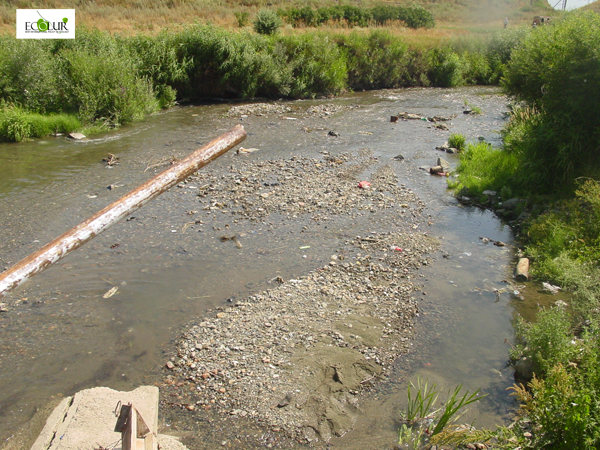
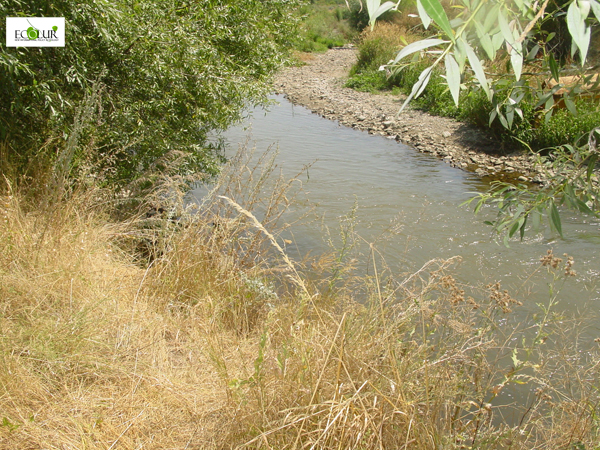
In the framework of the project entitled “Support to the Reforms of SHPPs through a Dialogue between the Public and The Ministry of Nature Protection of the RA for the Purpose of River Ecosystem Use” the expert group visited “Spitak” SHPP. “Spital” SHPP is located in the administrative area of Spitak Town, Lori Region. The SHPP is constructed on the Pambak River (length –86 km). It’s operated by “Eliza Pharm” LLC.
As a result of the monitoring, the expert group found out:
- The SHPP has been operating since 2009.
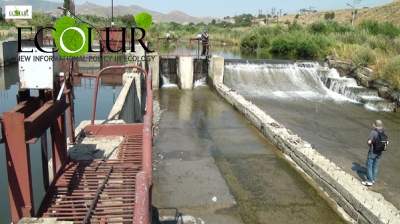
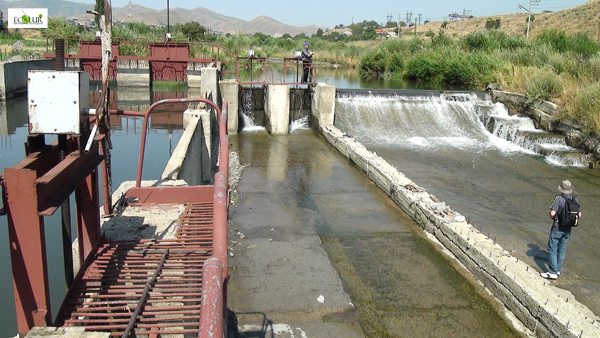
- The SHPP dam is 7 meters long and 1.6 meters high instead of projected 2.6 and 36 meters. The dam is made of iron and concrete, the upper part also has a metallic pipe.
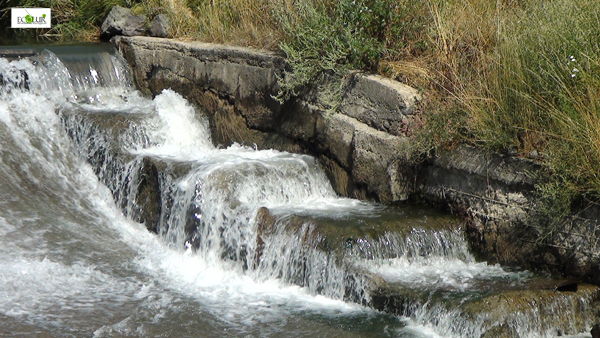
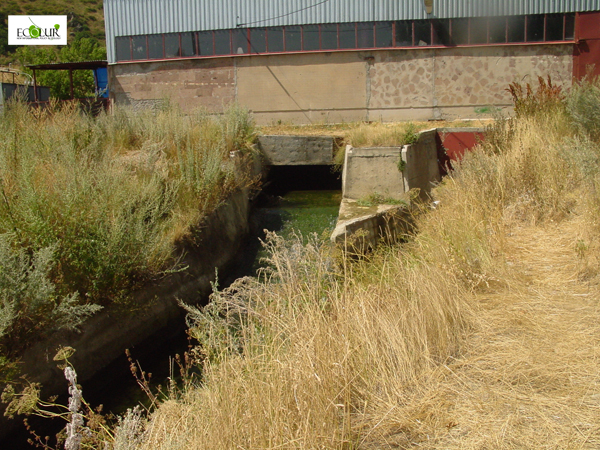
- At the moment of observation the environmental flow was let out into the river through dam, fish passway and sand trap.
- There is a fish passway about 6.5 meters high and 1 meters wide arranged with 4 stairs instead of the projected one with 1.1 meters high long and 0.3 meters high. Each stair of the fish passway is about 30-35 cm over each other, doesn’t have slots designed for the passage of the fish, while the upper stair is 60 cm lower than the pipe blocking the riverbed, thus creating additional difficulties for migrating fish species.
- A metallic structure has been located next to the upper stair of the fish passway, which can hinder the movement of the fish and was designed to regulate (restrict) environmental flow.
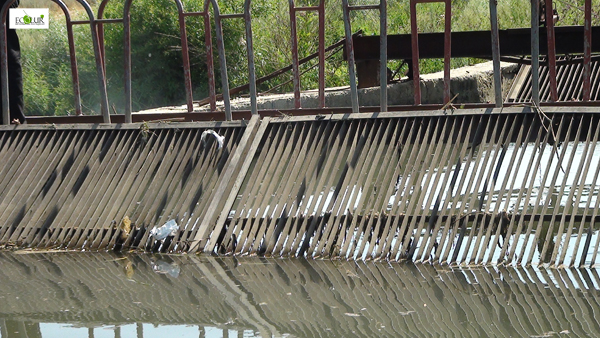
- Fish-protecting cage nets are missing in the head section, instead there are two garbage-collecting nets 6 meters high, and the distance between the bars is 5-5.5 cm. Such distanc between the bars can’t hinder most fish species in the Pambak River finding themselves in the pipe supplying water to the SHPP.
- In the given section of the Pambak River you can meet the following species: Sevan khramulya (red-listed), brown trout, Kura barbell and the South Caspian sprilin.
- According to the water usage data, the SHPP can take water from the river annually 91389.000 m3 water ensuring environmental flow of 0.5 cum/s (projected environmental flow – 0.65 cum/s).
- According to “Computation Center” CJSC data, in 2014 “Spitak” SHPP operated for 12 months and produced 2200884 kW electricity. While according to the SHPP employees, the operation of the SHPP is stopped in irrigation season, as the water is pumped to the irrigation pipeline through the pipeline and the water in the river gets low.
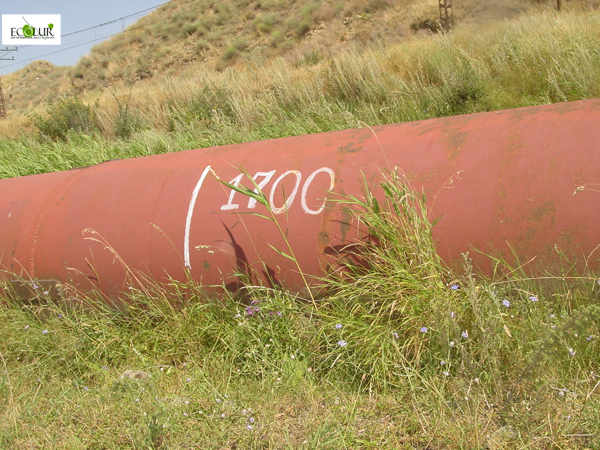
- The length of the pressure pipeline complies with the project data, it’s 3685 meters, diameter – 1420 mm.
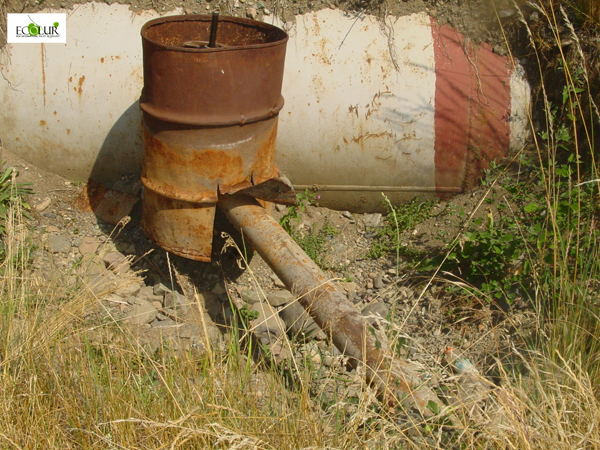
- The pressure pipeline is mainly surface or semi-closed, which is a deviation from the project (the project says it should be underground).
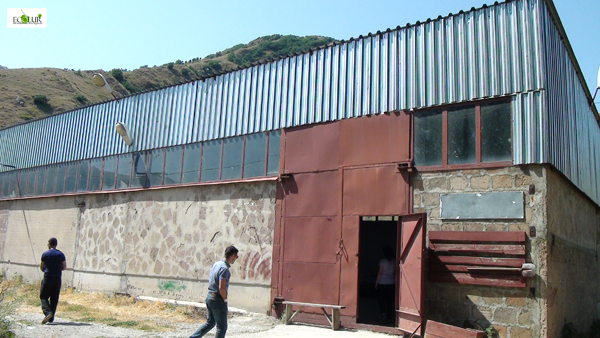
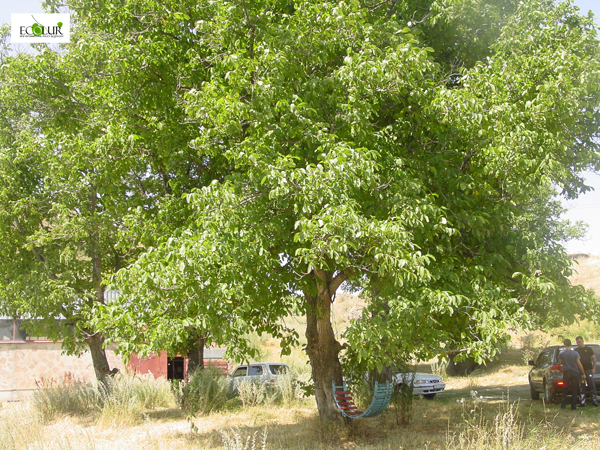
- The station area is greened.
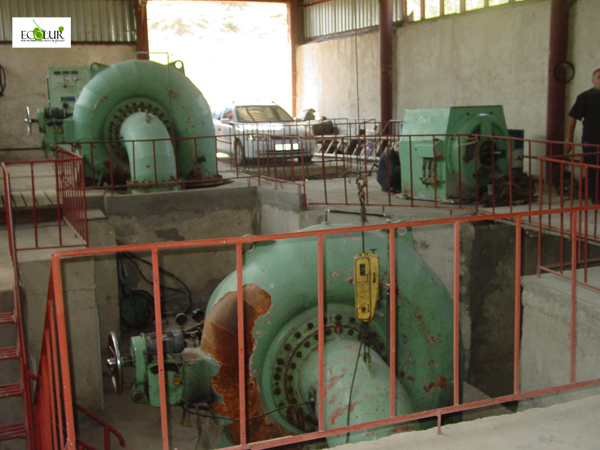
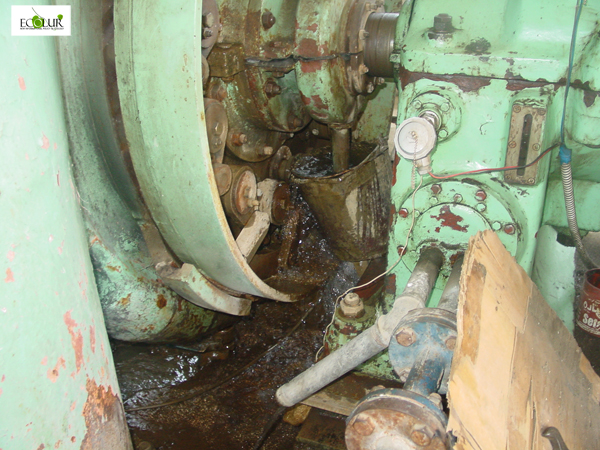
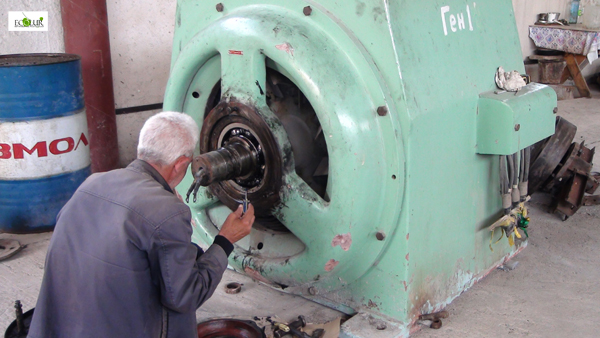
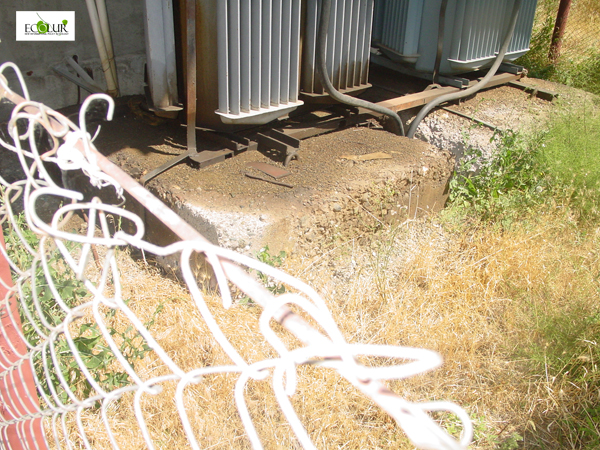
- There are two turbines, which are fenced, but the oil collectors are missing.
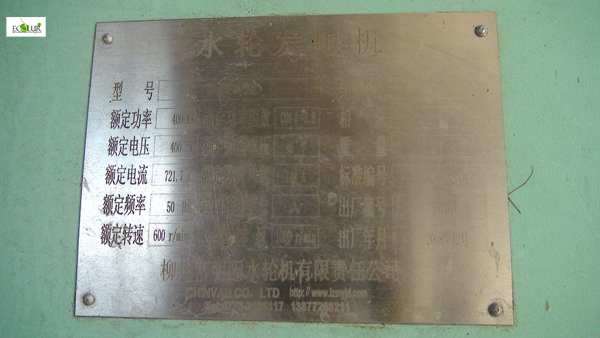
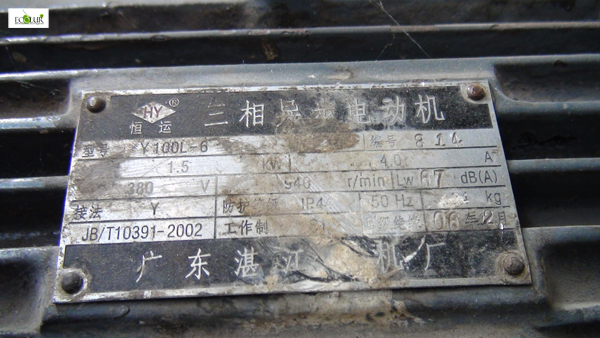
- There are turbines of Chinese production located in the station, which were not operating at the moment of observation because of non-availability of water, but the SHPP operated and produced electricity on the previous days.
- The SHPP operation ensures maximum 470 kW capacity, which is half of the projected one.
- Low electricity production of the SHPP and low water amount are conditioned with the following conditions: water intake is carried out in a distance of 1.2 km from the pressure pipeline for fish farming, and water intake for irrigation purposes is carried out in a distance of 1.7 km.
- There is no water-meter sealed by a relevant environmental body in the water intake.
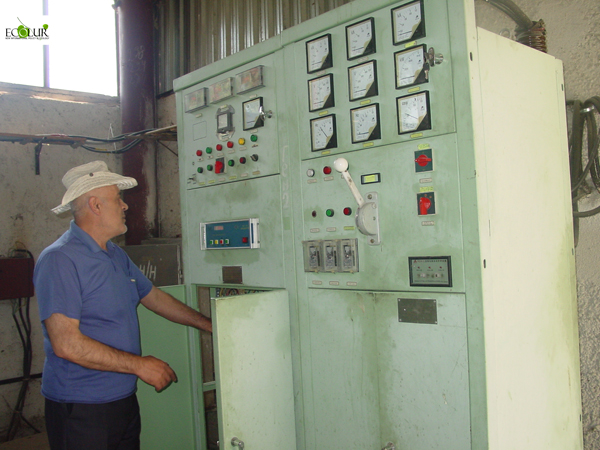
- There is no automatic management system of water level in the water intake.
Proposals
- To introduce automatic management system in the water intake section.
- Through measuring equipment to regulate the water amount used by the SHPP and the amount of the set environmental flow.
- If needed (based on the amount of water intake for irrigation and fish farming purposes), to review the indicators and water-economic estimates laid down in the water usage permits, as the SHPP doesn’t ensure the projected water and energetic indicators.
- To carry out reconstruction works for the preservation of the fish and their secure movement and for free passage of the environmental flow in the water intake section.
- To add the number of fish passway stairs by one and to install a net blocking the access of the fish into the pressure pipeline.
- To dismantle the metallic construction installed at the upper part of the fish passway.
- To replace turbines with turbines having higher technical efficiency, which will work with less water amount and will have complete automatic management system and will increase the technical efficiency of the SHPP.
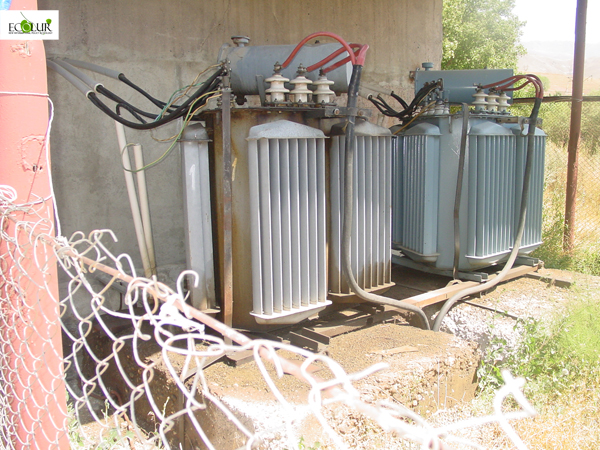
- To equip the transformers with oil-collecting system.
 |
 |
 |
 |
 |
 |
 |
 |
 |
 |
 |
 |
 |
 |
 |
 |
 |
 |
 |
 |
 |
 |
 |
The material was developed in the frames of “Supporting reforms in the sector of small hydro power plants through enabling a dialogue between civil society and the Ministry of Nature Protection for sustainable use of river ecosystems” supported by UNDP/GEF Small Grants Programme".
January 14, 2016 at 11:48