
EcoLur
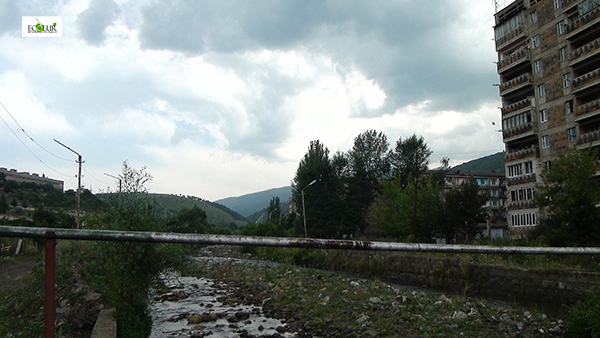
In the framework of the project entitled “ Support to SHPP-relating Reforms Through the Dialogue of Public and RA Nature Protection Ministry for Sustainable Use of River Ecosystems” the expert group visited “Vahagni” SHPP. “Vahagni ” SHPP is located in the administrative area of Vanadzor Town and Vahagnadzor community, Lori Region. The SHPP is constructed on the Tandzut River (length –23 km). It’s operated by “Apahov Taniq” LLC.
As a result of the monitoring, the expert group found out:
- The SHPP has been operating since 2010.
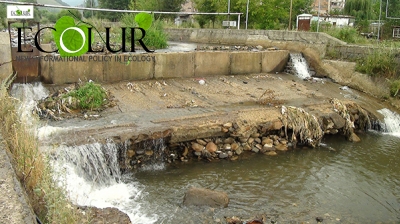
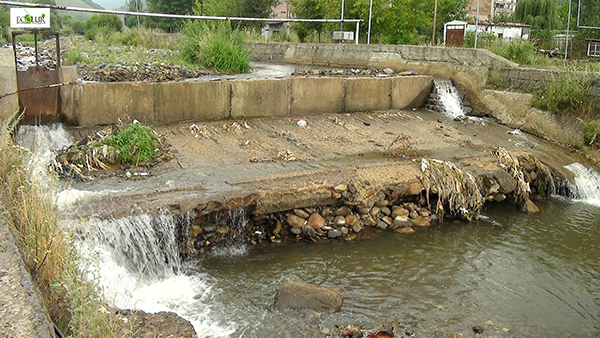
- The SHPP has a dam of 12.5 meters long and 1.2 meters high instead of projected 13.6 meters long and 3.5 meters high.
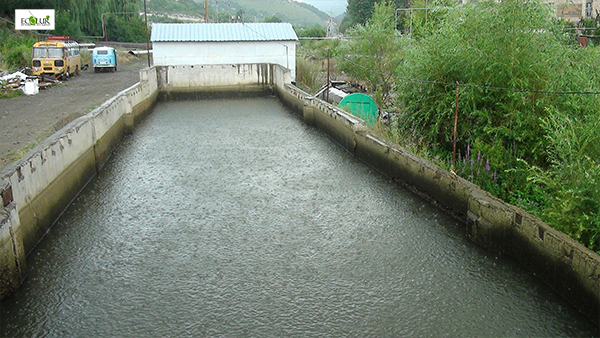
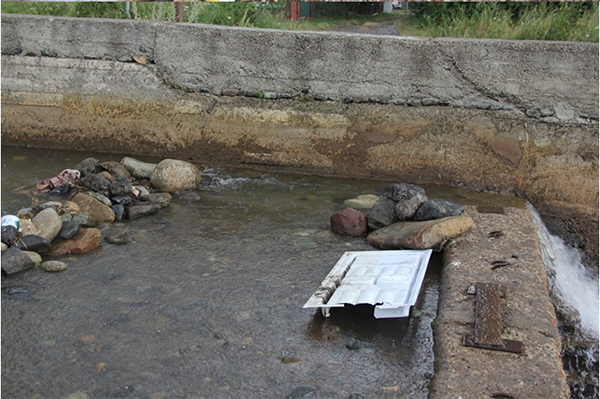
- At the moment of observation garbage had been collected in the water intake section because of the sediment load and the situation was anti-sanitary.
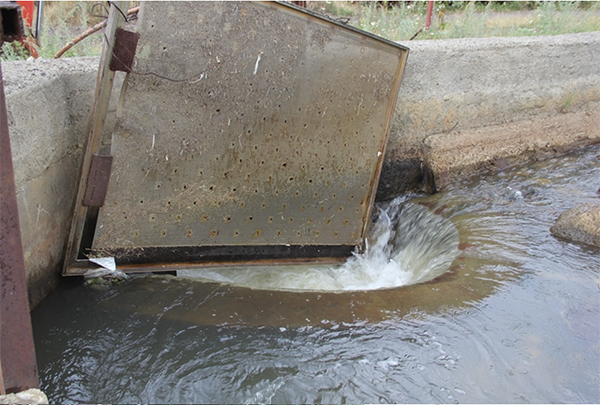
- The environmental flow was let out irregularly from the SHPP water collection part to the river, its amount in the fish passway was also little.
- The water usage permit, the duration of which was from 2010 to 2013, the environmental flow was set 0.19 m3/s.
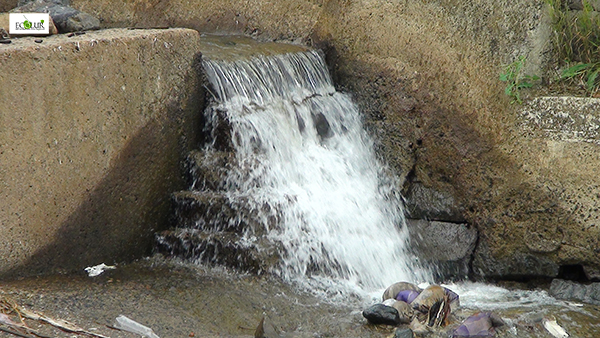
- The head section has stairs – 1.20 meters long and 1.03 meters high and 0.91 meter wide, with concrete-made five stairs, each of which is around 25 cm high. Such a structure can’t play the role of a fish passway for the fish species inhabiting in the Tandzut River.
- The upper part of the fish passway has laying made of river pebbles, which, as a matter of fact, is for the restriction of the environmental flow.
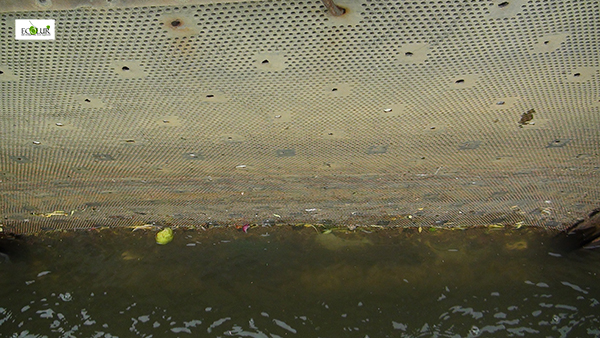
- The sand trap is equipped with garbage-collecting bars and fish-protecting net, the length of which is 6.5 meters. The fish protecting net is not installed properly.
- You can meet the following fish species in this section of the Tandzut River: brown trout, the South Caucasus Spirlin, Kura barbell.
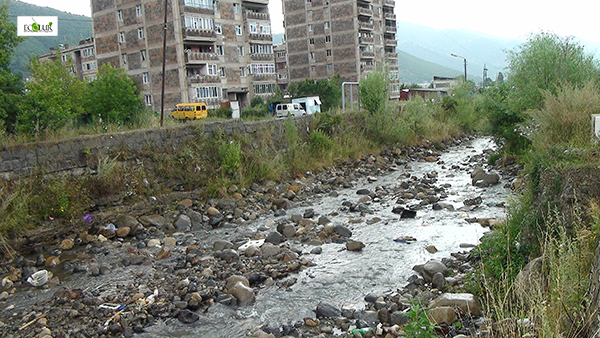
- The Tandzut River flows through Vanadzor Town and is polluted with household garbage and sewage water, and the water collection by the SHPP, to a certain extent, disturbs self-cleaning process. Little amount of water also causes anti-sanitary in Vanadzor Towns and in its surroundings thus affecting on the natural life of the fish.
- According to the certificate provided by Public Services Regulatory Committee, the length of “Vahagni” SHPP pressure pipeline is 1600 meters, its diameter is 0.7 meters. According to the SHPP project, 3070 meters of the pipeline had been constructed, 1700 meters had been rehabilitated and the total length of the pipeline is 20070 meters.
- According to the SHPP representative, the length of the pipeline is 17500 meters, out of which 4500 meters had been constructed and 13000 meters had already existed there.
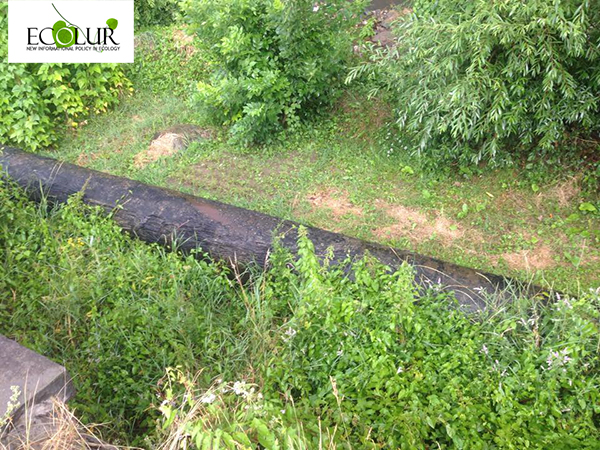
- In the observed parts the pressure pipeline was over the surface.
- The water taken from the Tandzut is let out to the Pambak River.
- According to the water usage permit data, the SHPP can annually take 13426.4 cum water from the Tandzut River.
- According to “Computation Center” CJSC data, in 2014 “Vahagni” SHPP operated for 12 months and produced 5975634 kW electricity.
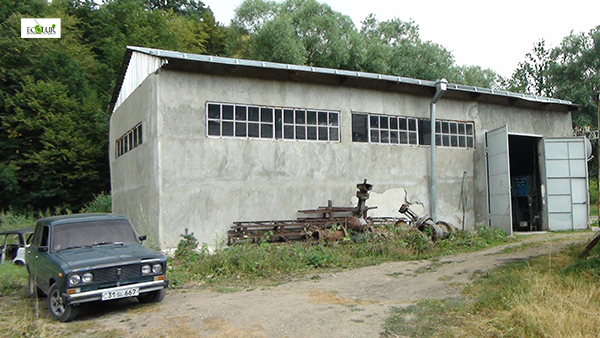
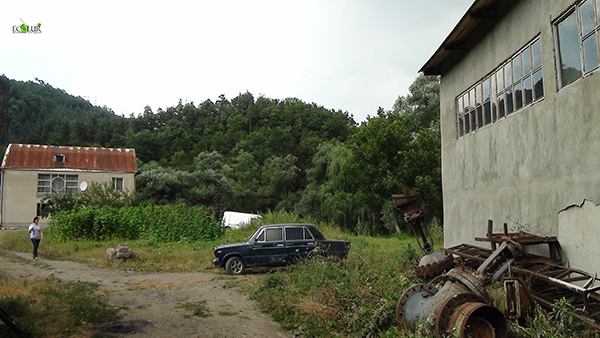
- The vehicle road leading to the station area runs through the area belonging to Vahagnadzor community resident, while SHPP station doesn’t have its own road.
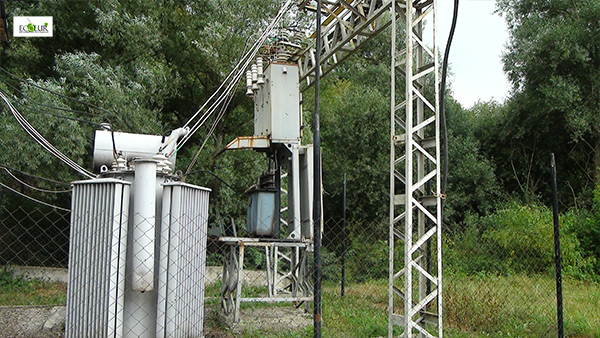
- There are two transformers installed, which are fenced, but there are no oil-collectors.
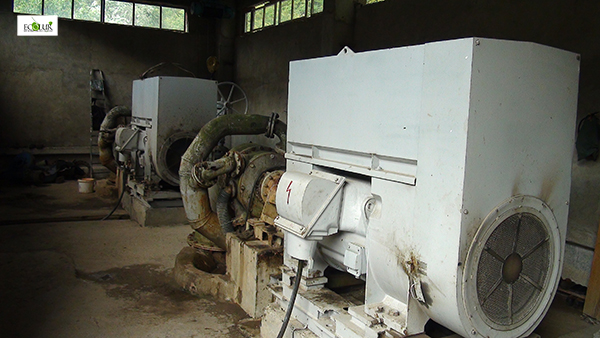
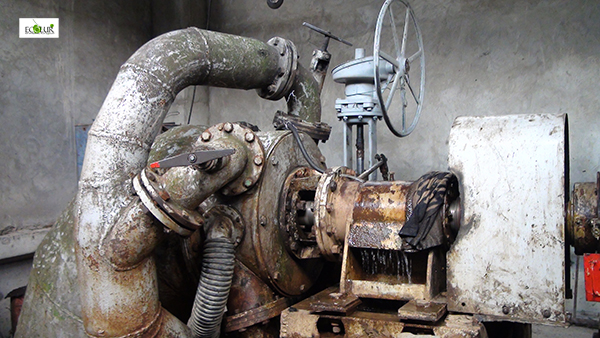
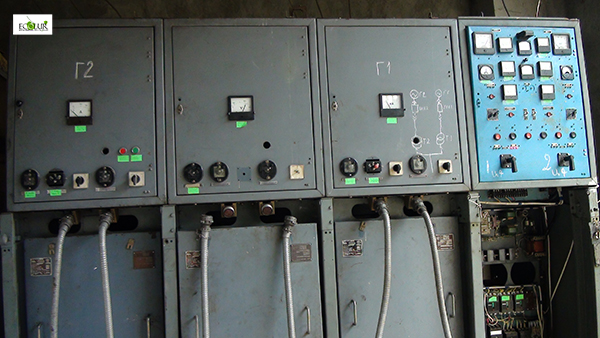
- There are two locally-produced turbines and German-produced generators instead of projected 3 ones: all the equipment is worn out and the noise is rather high.
- There is no water-meter sealed by a relevant environmental body in the water intake.
- The extent of the water collection needed for the SHPP is regulated with a water-meter pole, which is installed at the end of the sand trap.
- The discharge of the household wastewater is carried out in the toilet with soil well.
- There is no automatic management system of water level in the water intake.
Proposals
- To ensure automatic management of the environmental flow in the head section thus regulating the water amount used by the SHPP and the amount of the set environmental flow through measuring devices.
- To review environmental flow – 0.19 m3/s is rather little for this section of the river, as there is serious pressure of household wastewater, which results in the serious change in the hydrochemical composition of the river water and deterioration of the quality.
- To carry out reconstruction works in the water intake section for the preservation and reliable movement of the fish and environmental flow.
- To find technical solution to install a fish-protecting net.
- To organize the discharge of the household wastewater in the prescribed manner – water-proof well or “mini” cleaning station.
- To equip the transformers with an oil-collecting system.
- To organize the removal of the garbage collected in the water intake section.
- To re-equip the station with up-to-date effective turbines and to ensure automatic management.
 |
|
 |
|
 |
|
 |
|
 |
|
 |
|
 |
|
 |
|
 |
|
 |
|
 |
|
 |
|
 |
|
 |
|
|
The material was developed in the frames of “Supporting reforms in the sector of small hydro power plants through enabling a dialogue between civil society and the Ministry of Nature Protection for sustainable use of river ecosystems” supported by UNDP/GEF Small Grants Programme". |
January 18, 2016 at 17:29