

EcoLur
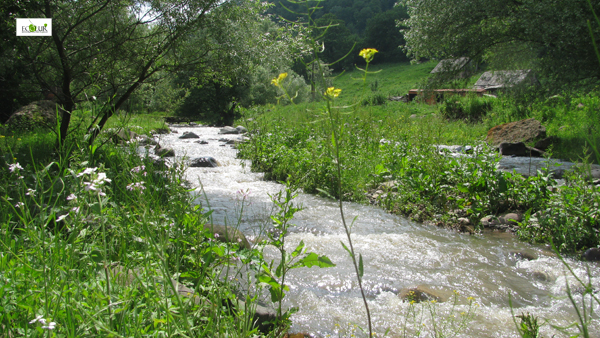
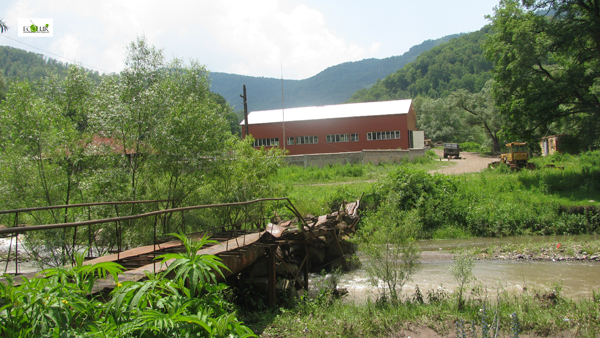
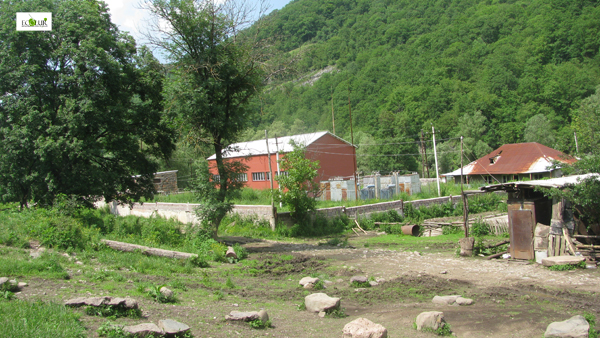
In the framework of the project entitled “Support to the Reforms of SHPPs through a Dialogue between the Public and The Ministry of Nature Protection of the RA for the Purpose of River Ecosystem Use” the expert group visited “Pozitron” SHPP. “Pozitron” SHPP is located in the administrative area of Martz community, Lori Region, while the intake section is located in Dsegh forestry enterprise. The SHPP is construction on the Sarajur Tributary to the Martz River (length – 11 km). The SHPP is developed by “Ayuda-Los” LLC.
As a result of the monitoring the expert group found out:
- The SHPP has been operating since 2012.
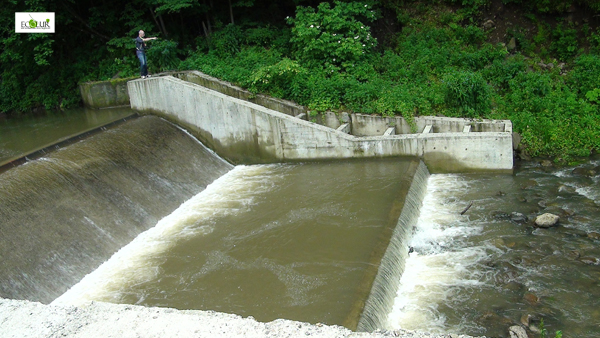
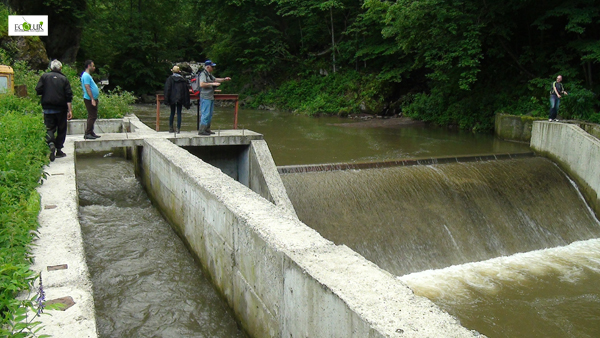
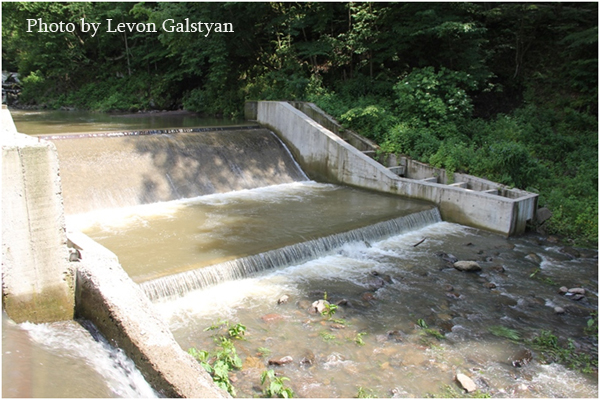
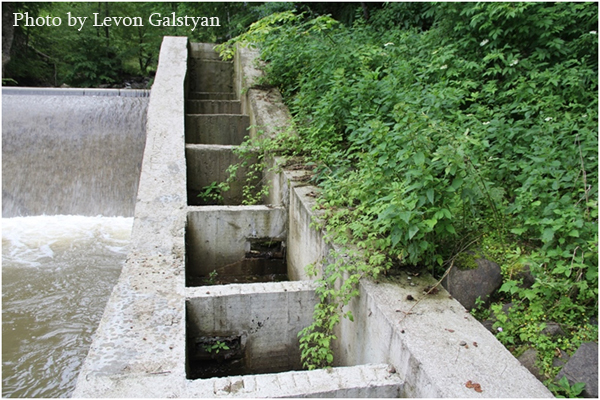
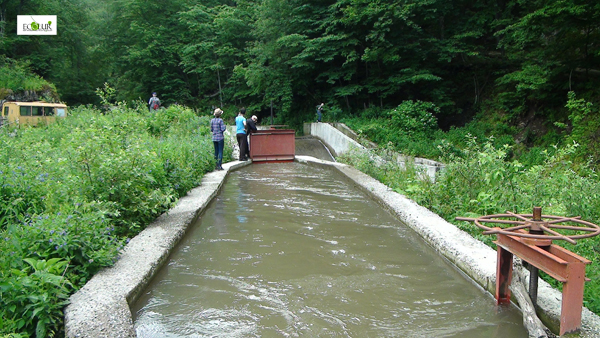
- The head section has a stair-like fish passway - around 12 meters long and 1.5 meters wide. Each stair has a height of 0.8 meters. With its sizes, the fish pathway doesn’t comply with the project solutions: the project lays down a fish passway of 17.25 meter long and 1.5 meter wide.
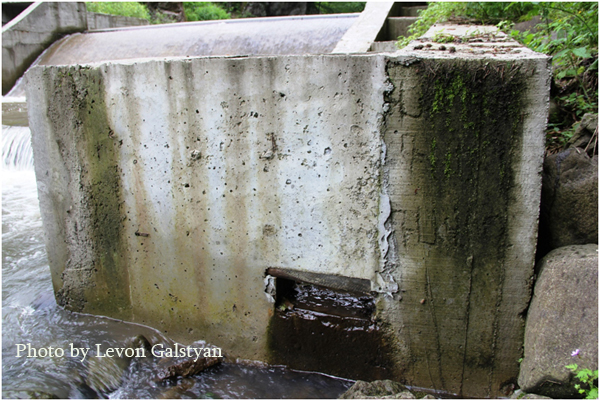
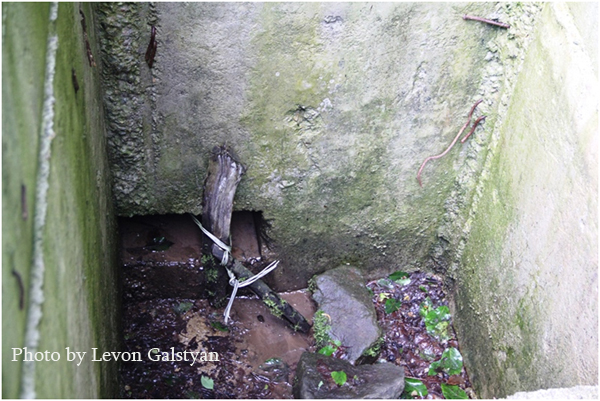
- The fish pathway can’t thoroughly ensure the natural movement of the fish in the river. Besides, at the moment of observation the workers closed it and water was not flowing there.
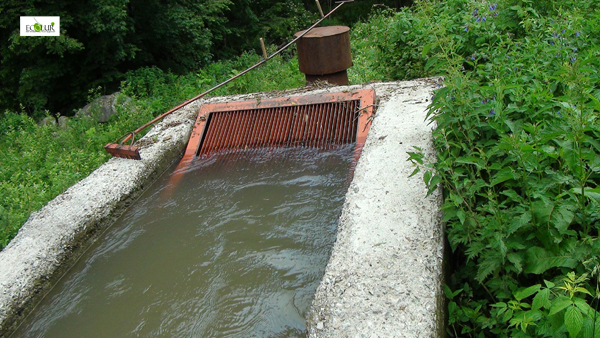
- There is a fish-protecting net, and the distance between its bars is 2-3 cm.
- Such distance among the net bars won’t stop up to 8-centimeter-long fish to appear on the other side of the net.
- You can meet the following fish species in the SHPP head section: brown trout -Salmo fario, the Kura barbell - Barbus cyri, and the South Caspian sprilin Alburnoides eichwaldii.
- The environmental flow in the water usage permit issued to “Pozitron” SHPP is laid down 0.034cum/s.
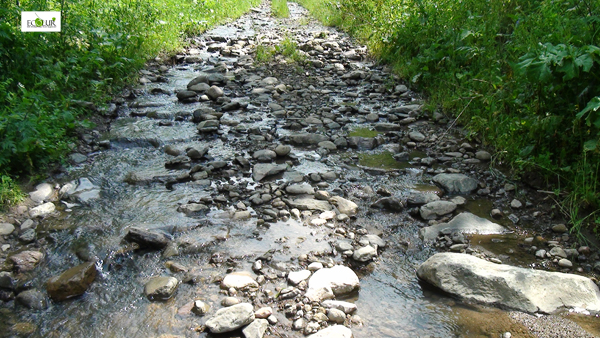
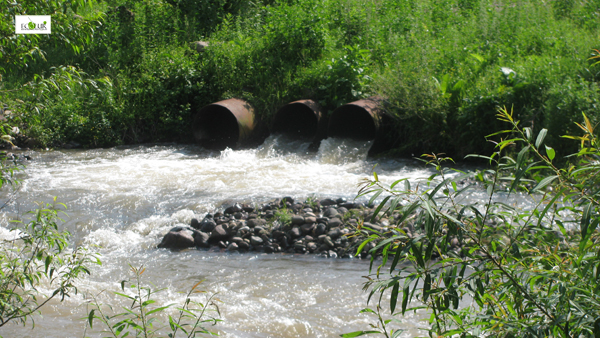
- At the moment of the observation the passage of the environmental flow to the river was not ensured with a fish passway. The water was flowing into the river over the SHPP dam.
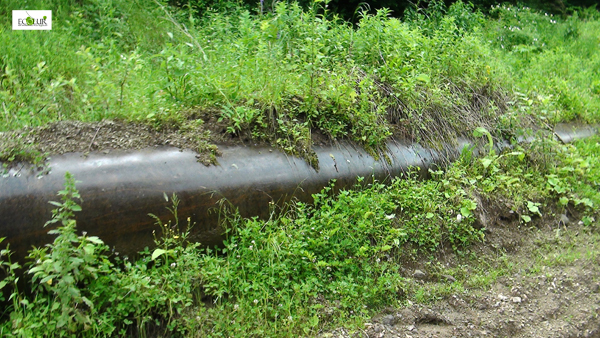
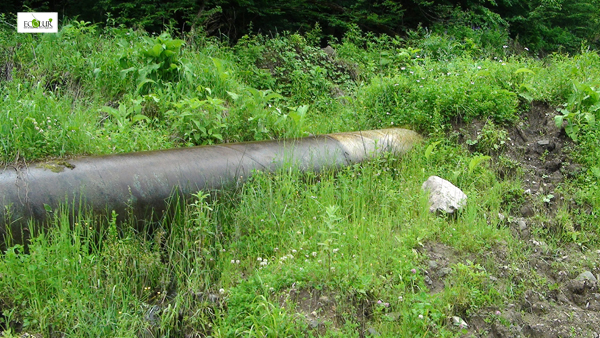
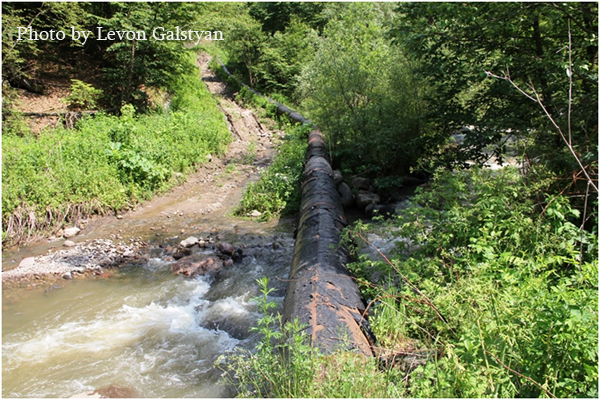
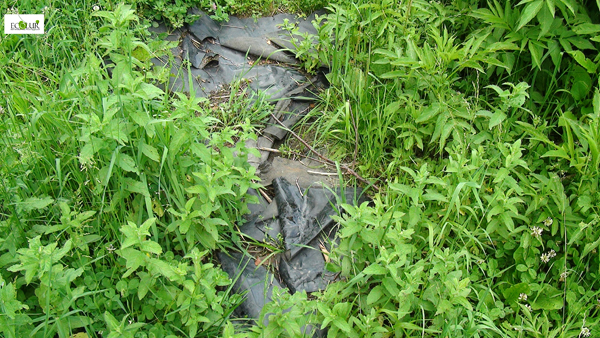
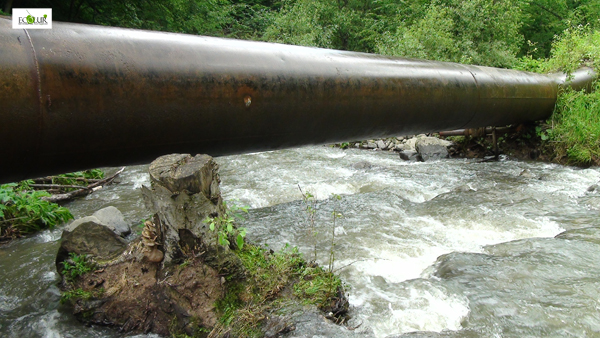
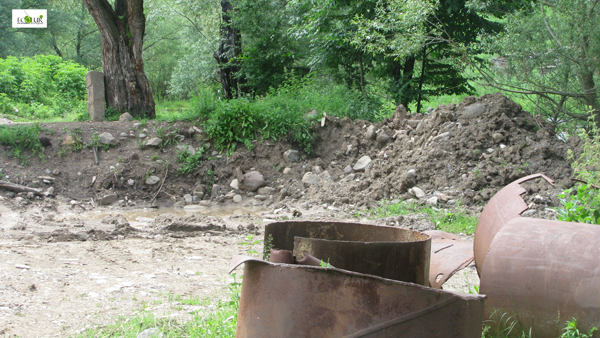
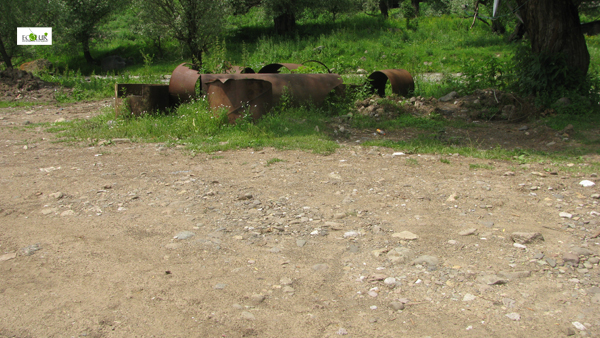
- 400-meter-long pressure pipeline of “Pozitron” SHPP runs through the territory of Desgh forestry enterprise – over the surface in many sections. Plastic packaging materials were spread in the nature.
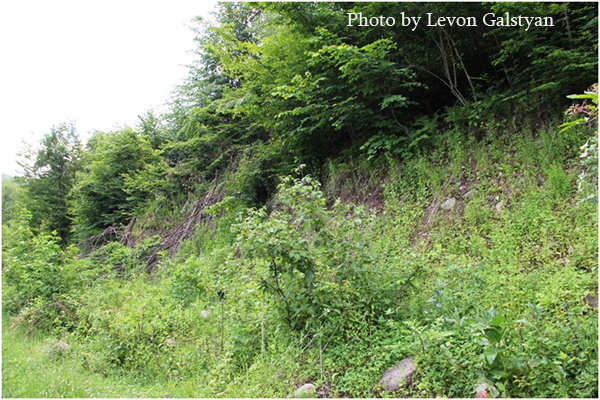
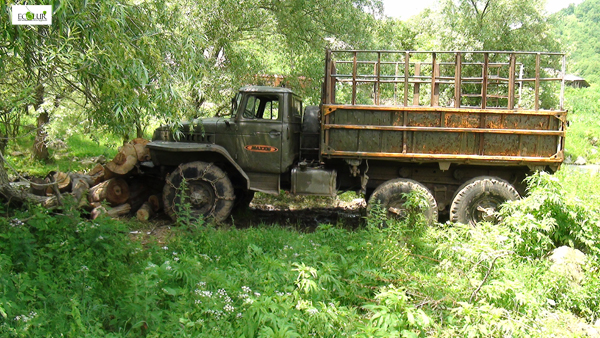
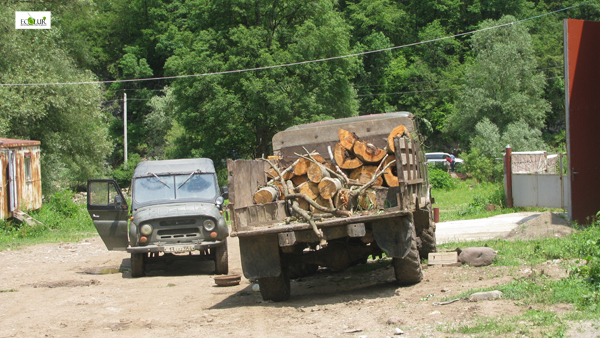
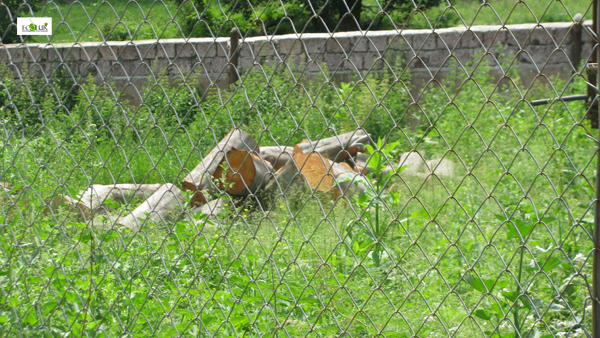
- There are sections on the slopes, which caused small landslides and It’s evident that trees have been felled.
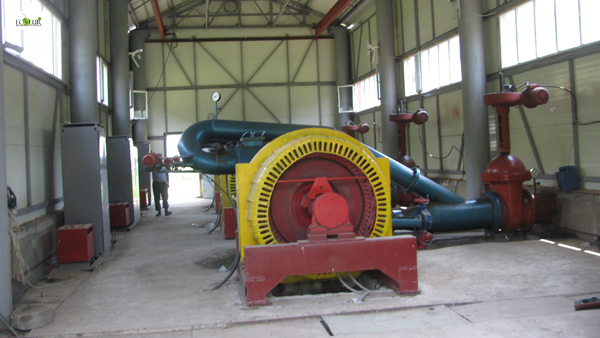
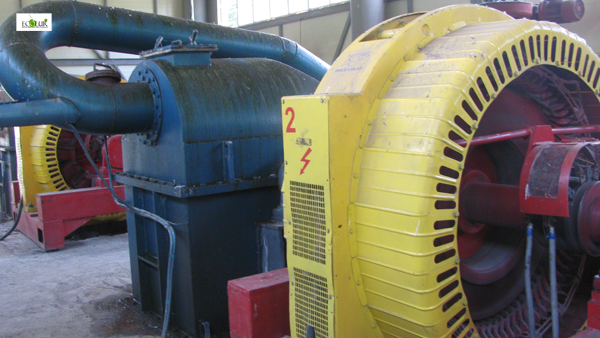
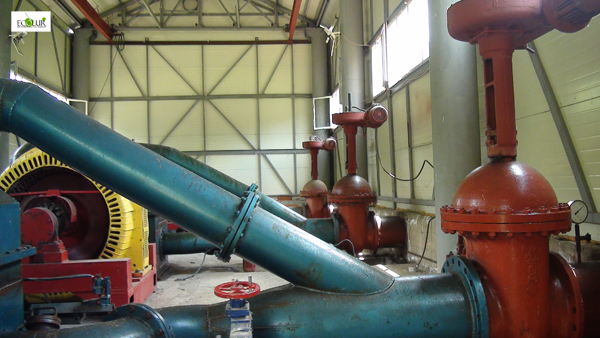
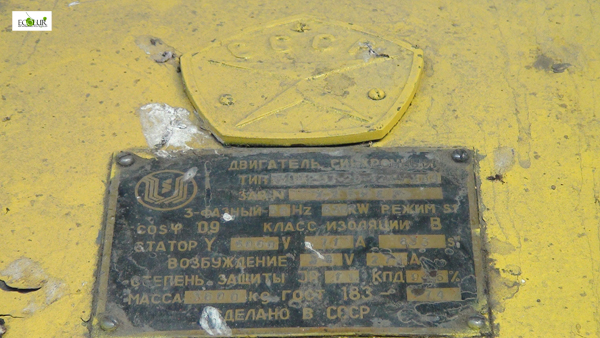
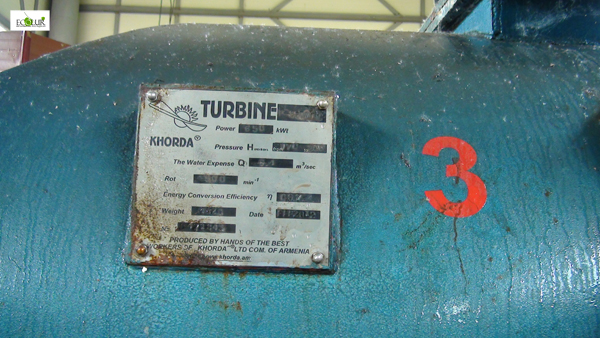
- Three hydroturbines of “Khorda” make were installed in the SHPP building. At the moment of observation only two were operating.
- As the worker assured, all three turbines work only in April and May. During the visit the operation of the turbine was stopped to ensure sufficient environmental flow in the river. At that moment, SHPP estimated water demand accounted for 0.8 cum/s instead of 1.2 cum/s, while the environmental flow in the river was 1 cum/s, according to visual observations.
- The amount of factually produced electricity as twice as little as the amount laid down in the SHPP construction project.
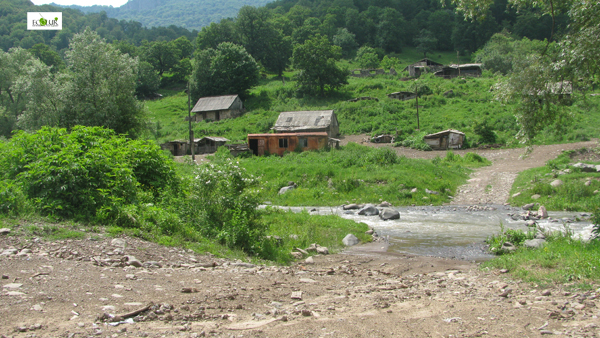
- The noise in the station is high, but there are residential houses around.
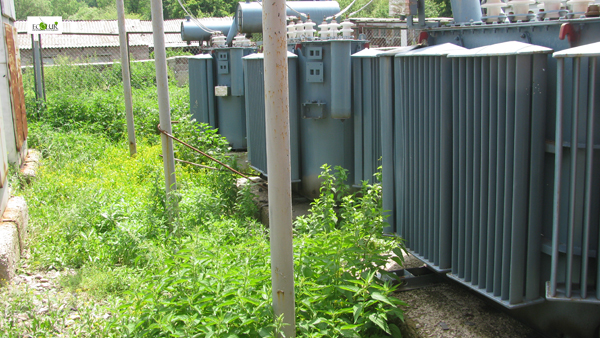
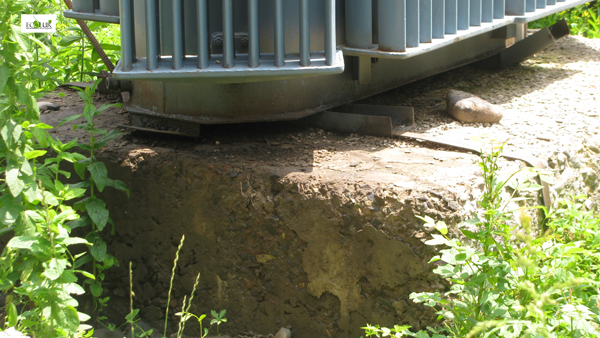
- Oil and water leaks were observed under the turbines in the station.
- Only SPP turbine substation was fenced, where three 3 turbines are installed. The turbines are not equipped with oil-collecting system.
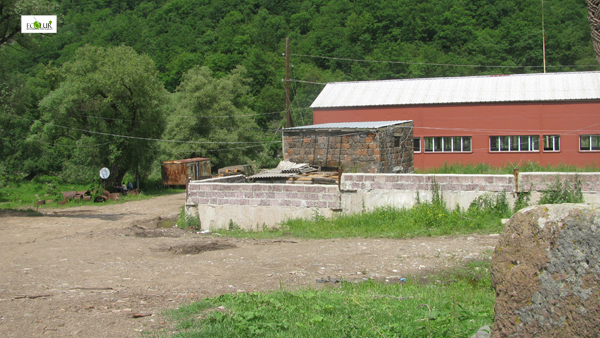
- The area of station is not fenced.
- The project lays down tree planting, which hasn’t been performed.
- In line with the project, a toilet with a water-proof well is installed for sewage discharge.
- Free water usage requirement is performed.
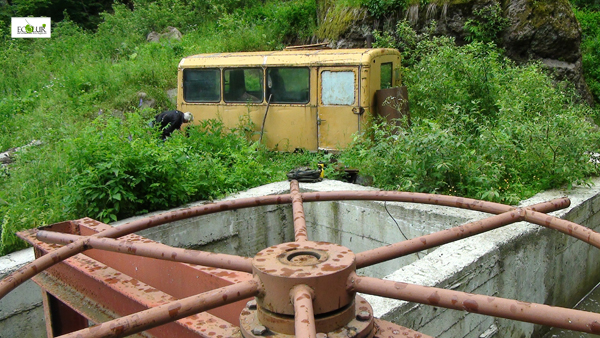
- The water intake section didn’t have a water-measuring device sealed by a relevant environmental body.
- Semi-automatic management system operates in the station.
- Automatic management system of the water level in the water intake is missing.
- No inspections have been carried out in the SHPP since 2012.
Proposals
- To install one European turbine instead of three local hydroturbines and a transformer for the efficient operation of the SHPP.
- To carry out rehabilitation of the equipment in the stations.
- To make the structure of the fish passway compliant with the natural requirements of the fish in the river.
- To install such a fish-protecting net, where 8-centimeter-long fish can’t flow through the bards and appear in the SHPP pipeline.
- To ensure the environmental flow in the fish passway.
- To install automatic management system both in the water intake and station.
- To install a water-measuring device in the water intake part sealed by a relevant environmental body.
- To collect plastic materials spread in the nature.
- To carry out tree planting in the station area.
 |
 |
 |
 |
 |
 |
 |
 |
 |
 |
 |
 |
 |
 |
 |
 |
 |
 |
 |
 |
 |
 |
 |
 |
 |
 |
 |
 |
 |
 |
 |
 |
 |
 |
 |
The material was developed in the frames of “Supporting reforms in the sector of small hydro power plants through enabling a dialogue between civil society and the Ministry of Nature Protection for sustainable use of river ecosystems” supported by UNDP/GEF Small Grants Programme".
August 26, 2015 at 15:07