

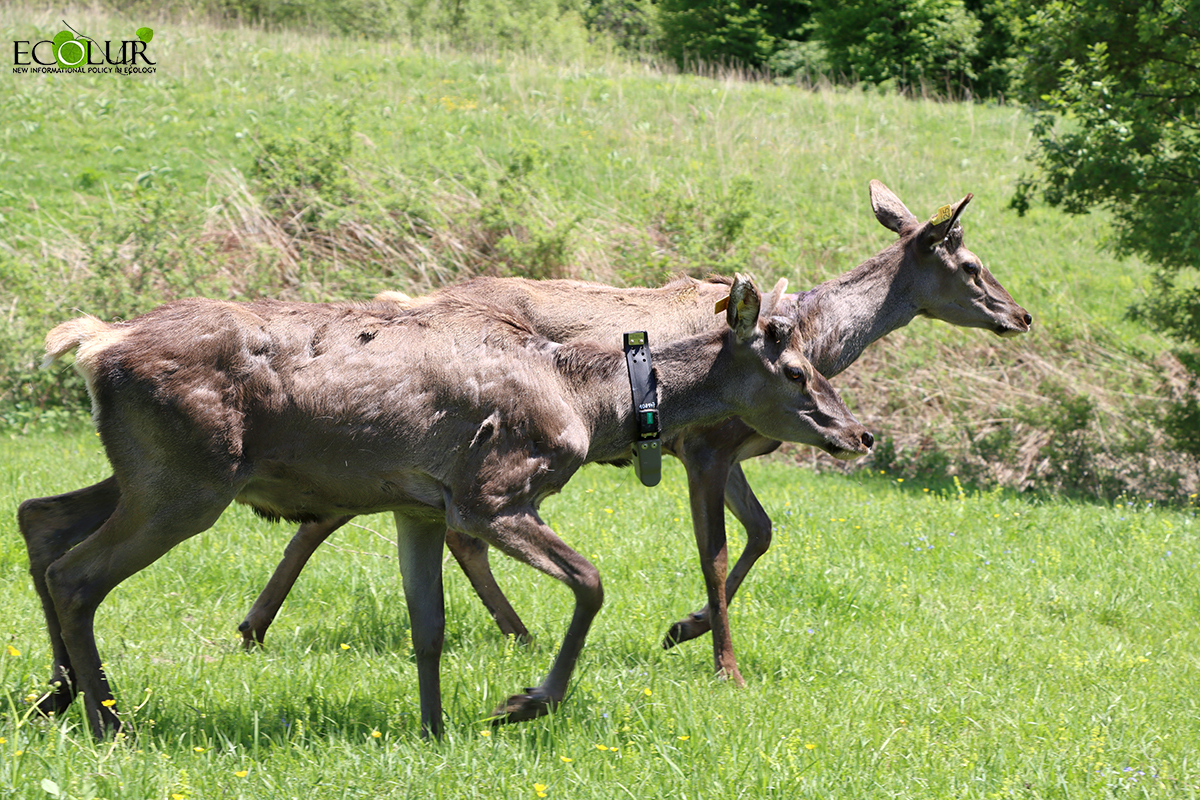
On May 22, International Day for Biological Diversity, nine Caucasian red deer were released into the forests surrounding Yeghegnut village in Lori Region. The animals are equipped with radio collars that will allow rangers and eco-guards to monitor their movements and ensure their safety.
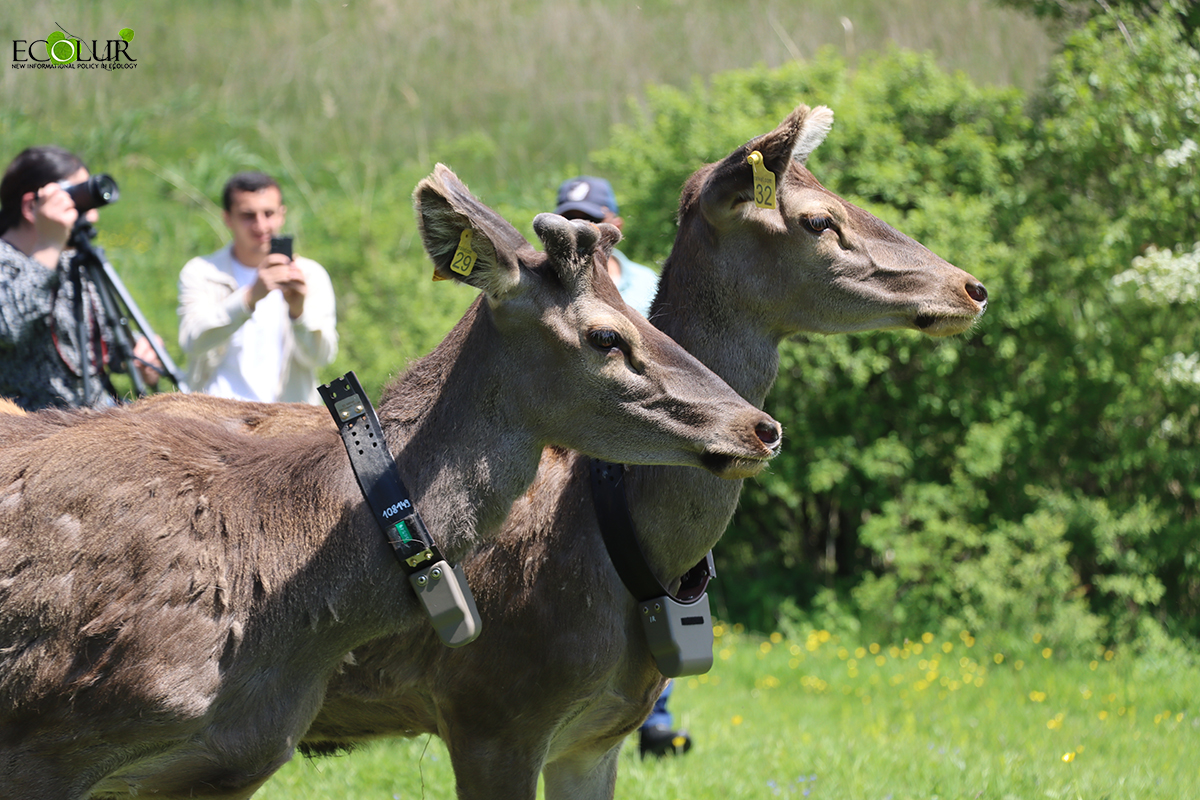
The deer were brought from the Caucasian Red Deer Breeding Center located in Dilijan National Park. The release was carried out as part of “Reintroduction of the Caucasian Red Deer in Armenia” project implemented by WWF-Armenia and the Ministry of Environment. Thirteen other deer have previously been released into the forests in Dilijan.
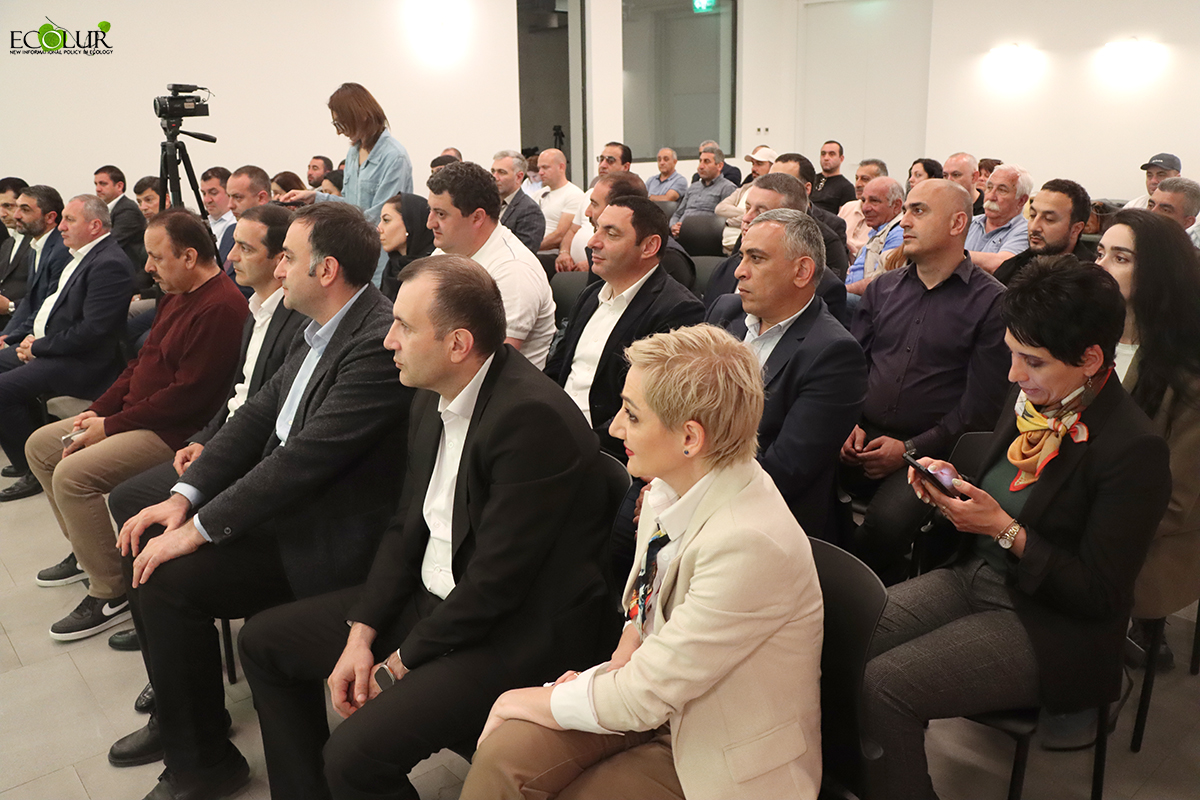
Following the deer release ceremony, an official event dedicated to the International Day for Biological Diversity was held at the COAF Smart Center in Debet village. The event was attended by Armenia’s Minister of Environment Hakob Simidyan; Chief Advisor to the Prime Minister and Chair of the Organizing Committee of the COP 17 Conference of the Convention on Biological Diversity Hambardzum Matevosyan; UN Resident Coordinator in Armenia Françoise Jacob; the Deputy Ambassador of the Islamic Republic of Iran; as well as representatives from government agencies, local self-government bodies, international and civil society organizations, environmentalists, and journalists.
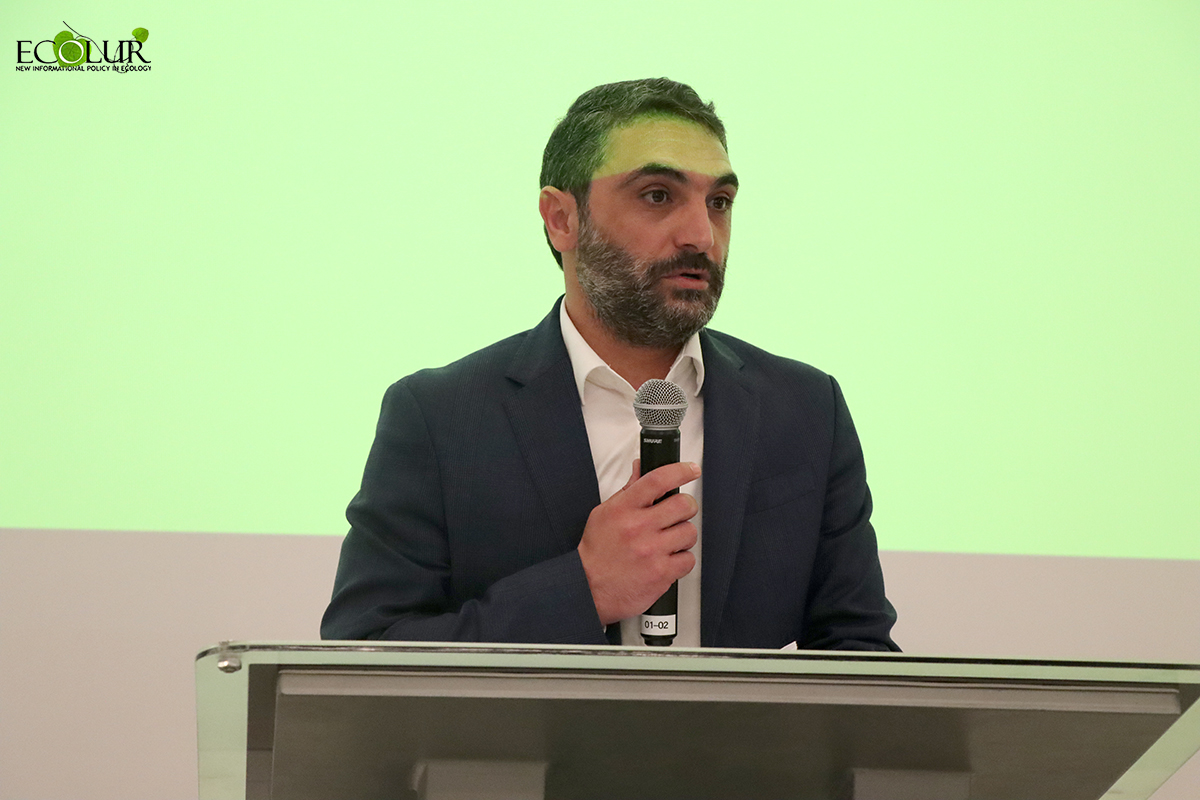
In his opening remarks, Minister Hakob Simidyan highlighted the Ministry's recent actions ahead of the International Day for Biological Diversity. “We released 39,000 young trout into Lake Sevan, and nine red deer into Armenia’s nature. These are continuous processes. Over the past three years, about 600,000 young trout have been released into Lake Sevan. Through cooperation with WWF-Armenia, the number of released red deer has now reached 22,” the Minister said.
UN Resident Coordinator Françoise Jacob stated, “COP 17 on biodiversity is a great opportunity to showcase Armenia’s biodiversity. Biodiversity is not just an environmental issue. We have a lot of work to do with the economic sector, which directly impacts biodiversity. Even the high-tech industry has effects on energy and the environment. Today, we witnessed a beautiful ceremony of deer release, and I hope these animals will reproduce and thrive in a safe environment.”
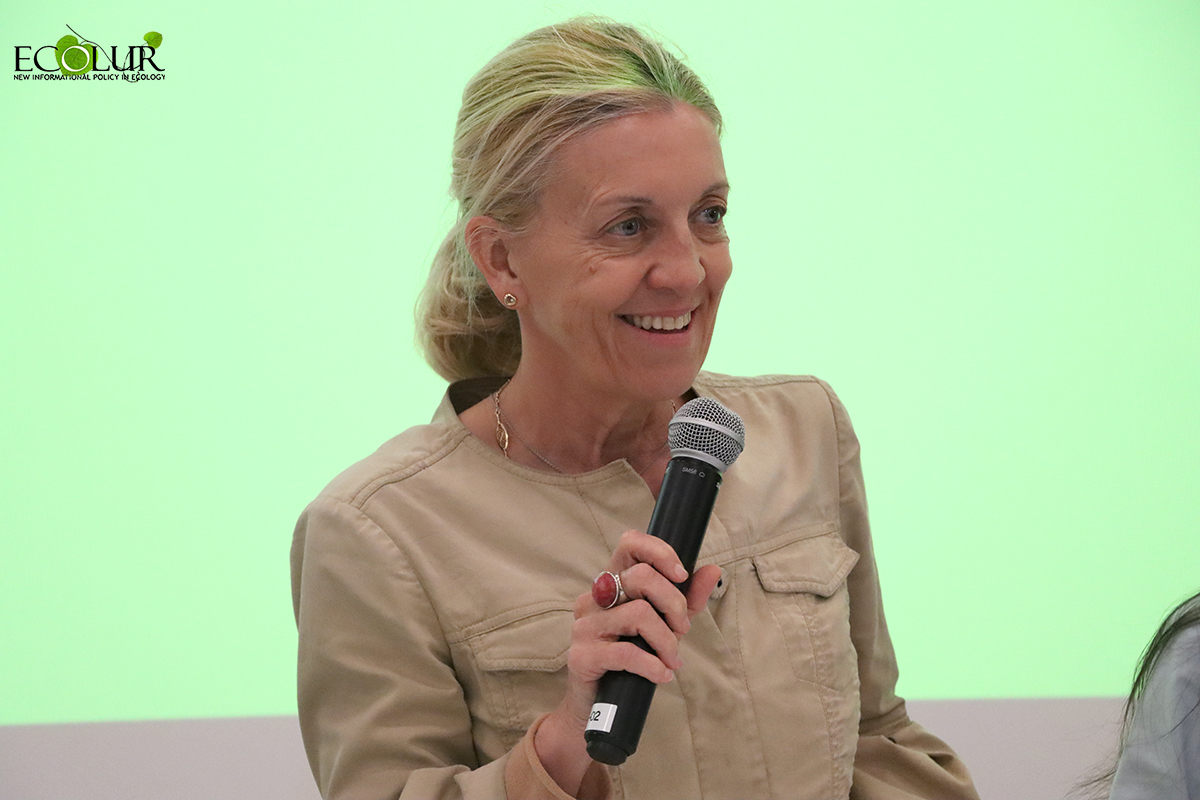
Chief Advisor to the Prime Minister and Chair of the COP 17 Organizing Committee Hambardzum Matevosyan added, “We must raise awareness not only among our partners but also the public that we—humans—are the primary beneficiaries of nature, the environment, and biodiversity. We must take responsibility for what happens around us. We need to reassess our previous work, recognize our shortcomings, and document our achievements. In 2026, we will host COP 17, which will be one of the most significant events in Armenia’s history. Most importantly, we will not only host but also take on the role of presidency. This means we will be responsible for advancing many of the biodiversity and environmental issues currently being discussed globally.”
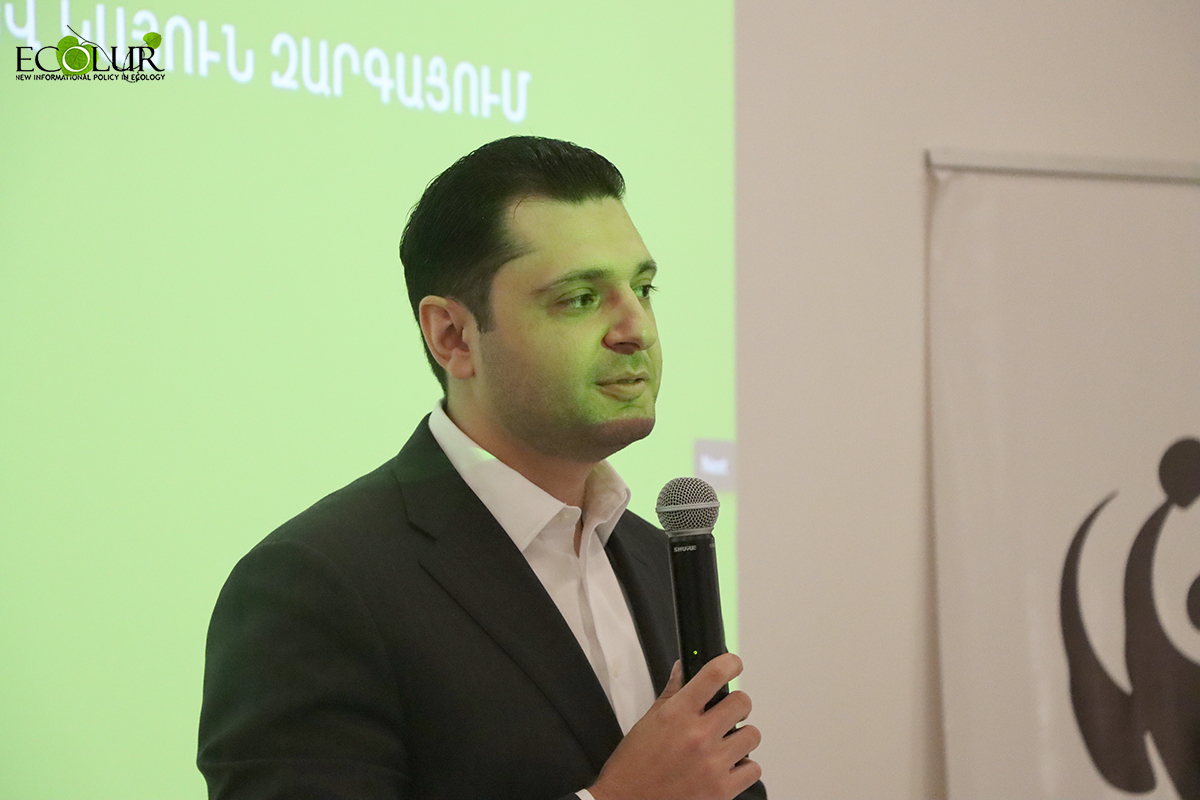
Levon Aghasyan, Director of WWF-Armenia, presented the efforts under “Reintroduction of the Caucasian Red Deer in Armenia” project. “Since 2013, WWF in cooperation with the Ministry of Environment has been implementing the reintroduction program. In 2018, the Islamic Republic of Iran donated three individuals. The first release occurred in 2022 with three deer. In 2024, ten more were released. The first two groups were released by us in Dilijan National Park, where the Red Deer Breeding Center is located. This year, we decided to release them in the forested area of Yeghegnut, which is also part of their natural habitat. Since 1950, no wild deer had been seen in nature here. The aim of the program is to restore the population, and we are hopeful that we will witness their natural reproduction in the near future,” Aghasyan noted.
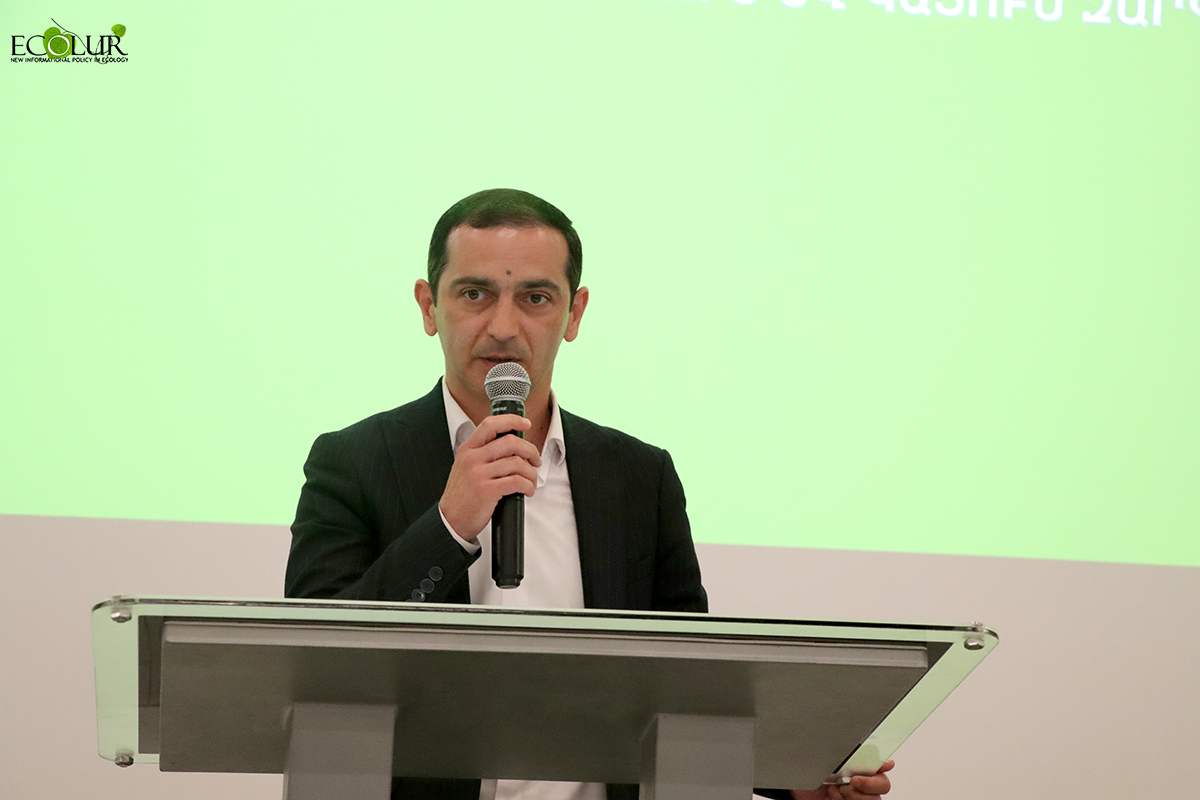
He emphasized that the work does not end with the release; it is followed by scientific and monitoring activities. He also noted that within the framework of the Ecological Corridors Program, WWF-Armenia has established a 35,000-hectare community-based conservation area in Yeghegnut. The area has caretakers, and further protection work is planned in collaboration with the Ministry of Environment.
May 23, 2025 at 15:27