
EcoLur
Kut Village in Geghamasar Community, Gegharkounik Region, is one of the impacted villages of Sotq gold mine, nevertheless, the majority of the population is not solvent: Sotq gold mine and Ararat gold extraction plant producing gold and silver Dore bars are operated by “GeoProMining Gold” LLC.
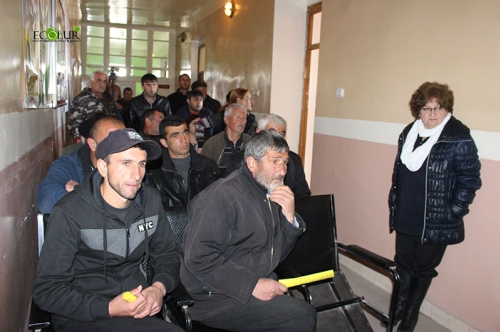
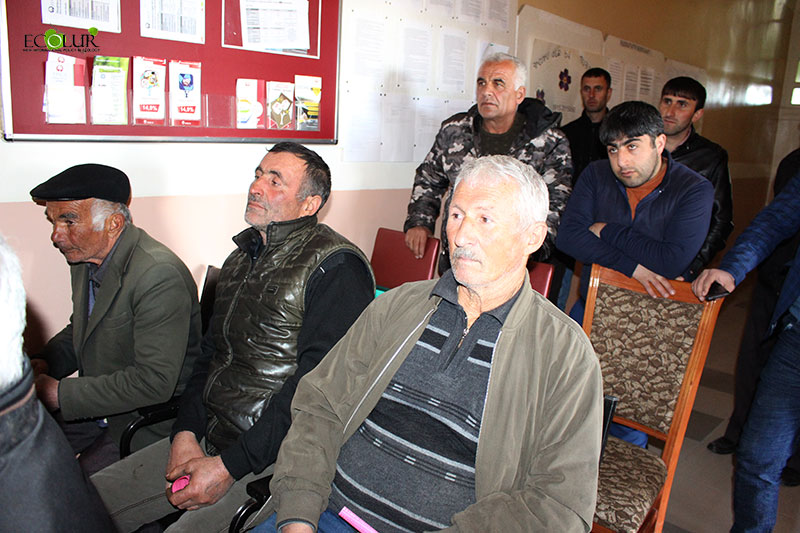
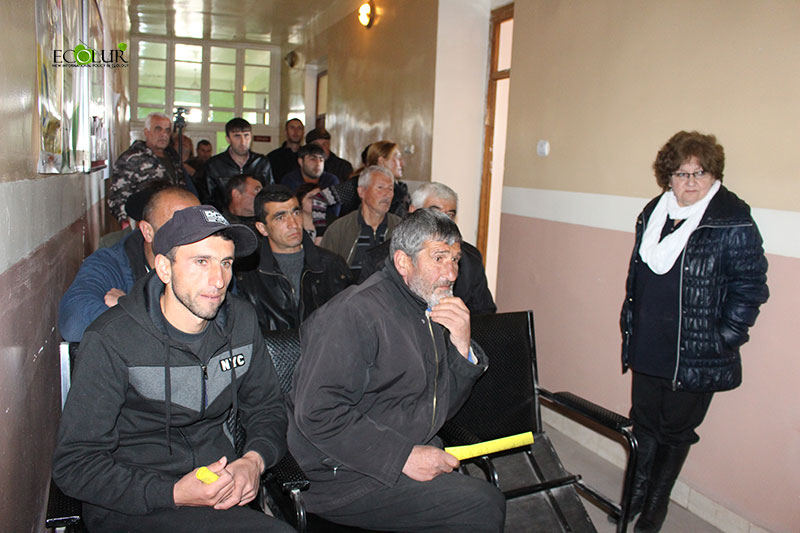
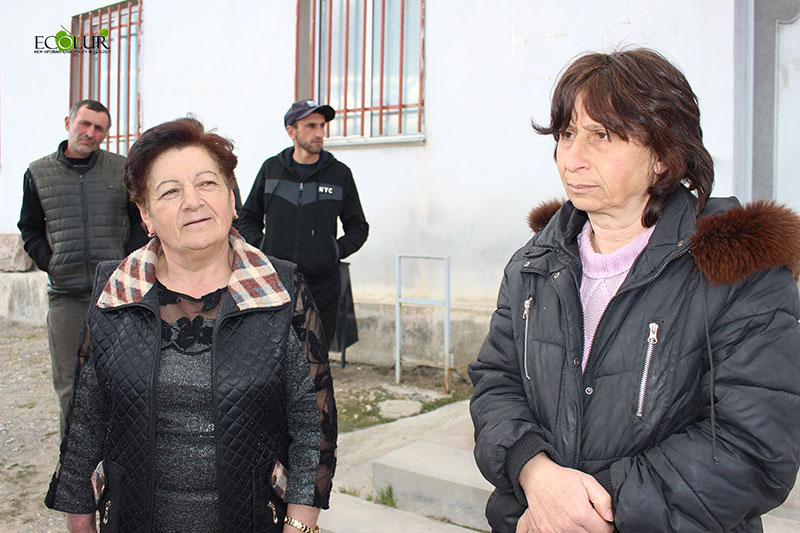
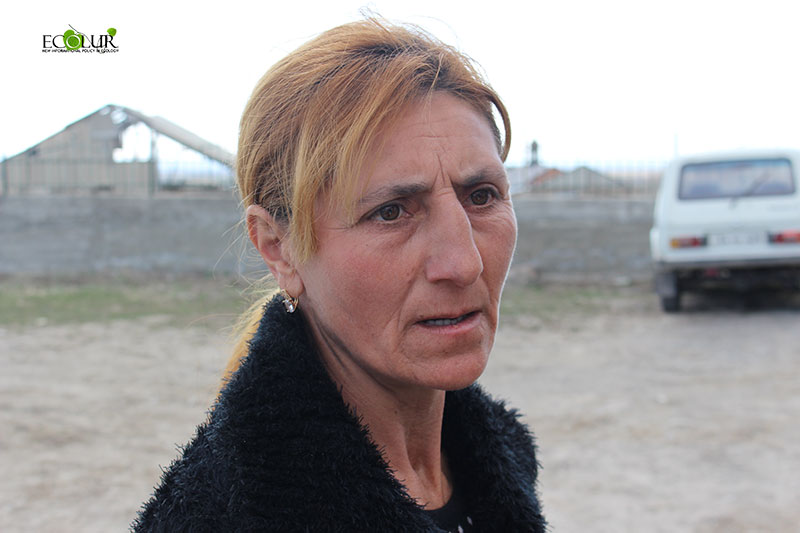
“Kut community is beyond the world – nothing reaches here. We can’t even afford paying kindergarten fee…there is nothing in the medical checkup point – no equipment and relevant medication…Let them open working places like sewing workshops, cheese production plants, farms – any business for people to stay rather than leave this place,” Kut residents complained in the course of the meeting with EcoLur’s team, which was held on 12 April in the frames of “Mining-Impacted Communities – Full Participants in EITI Process” project.
The residents also mentioned the clashes of interests generated as a result of the optimization of the communities. The problem is that Sotq community which has given its consent to the operation and lease of land areas for Sotq mine, has currently lost its status of a community and has become the center of optimized Geghamasar Community, which includes 18 communities.
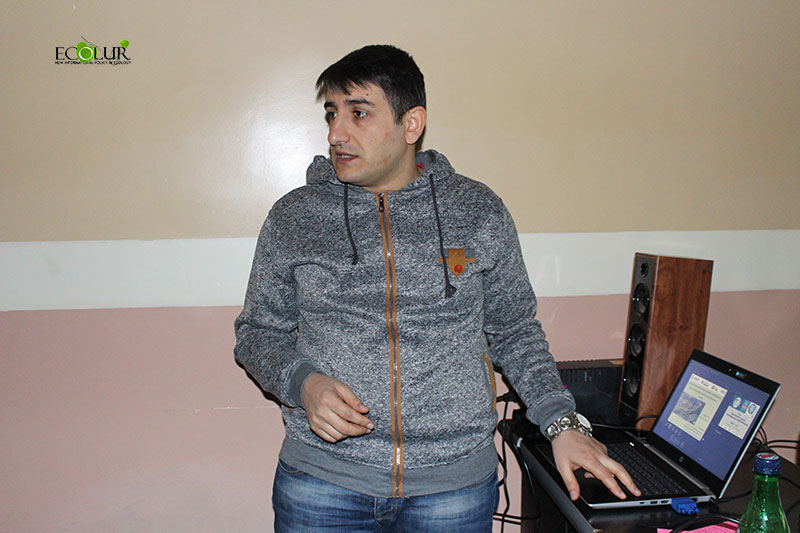
As a result, 68 million AMD which should have annually been paid to Sotq for the rent of land areas, is paid to Geghamasar community. Project Expert Harutyun Movsisyan, a representative of the Civil Society Constituency of the EITI Multi-Stakeholder Group, presented the EITI process in Armenia focusing on the financial report by “GeoProMining Gold” LLC within the frames of the EITI.
In 2017, the company produced 139,839 ounces of Dore alloy equaling to 55 billion 152 million AMD: 142,533 ounces of Dore alloy equaling to 70 billion 774 million AMD was exported thus crediting 14 billion 314 million 7 hundred thousand AMD to the state budget in the form of taxes and payments. In 2017, the community received 68 million AMD of rent fee and 120,000 AMD of property tax.
Harutyun Movsisyan also presented the provisions of RA Law “On Expedient Use of Environmental Fees paid by Company” discussing how this law can cover the community, how they can make use of environmental fees, as well as what kind of environmental and health programs need implementing in the community. The residents proposed:
- to free families receiving allowances in the impacted communities from kindergarten fees,
- To obligate “GeoProMining” Company to support developing a business plan on establishing an enterprise in the impacted communities and to make it come true,
- To specify the range of impacted communities by Sotq gold mine according to the radious of the mining impact,
- To set mines for the violations committed by the mine and to transfer the sum of the fine to the community budget to have them eliminated,
- To inform the population of impacted residential areas on the progress of mining operations, the extent of money transferred to the community and the expediency of their use,
- To ensure the direct communication between the mine administration and the population,
- To announce about new vacancies,
- To obligate “GeoProMining” Company to ensure comprehensive medical checkups and establishing medical services in the impacted residential areas,
- To conduct quarterly examination of soil, water and air by independent experts and to present the findings of the monitoring to the community population.
The residents reached a decision to set up an environmental NGO for the protection of their rights.
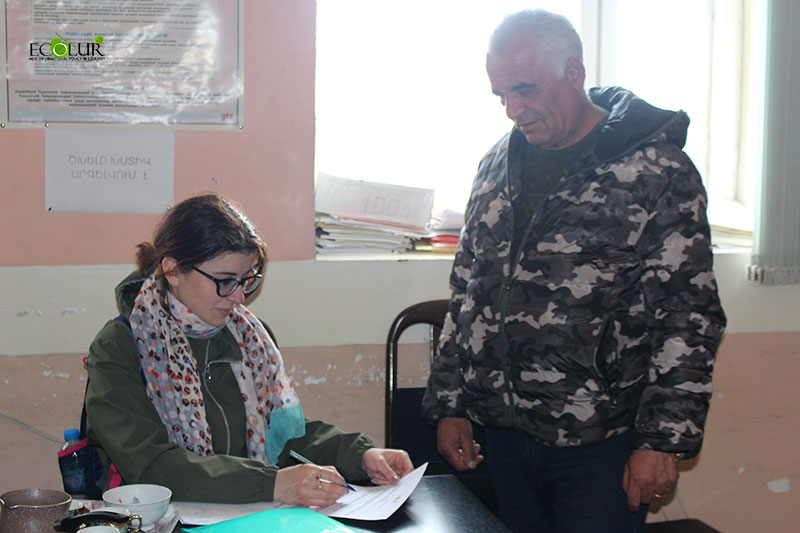
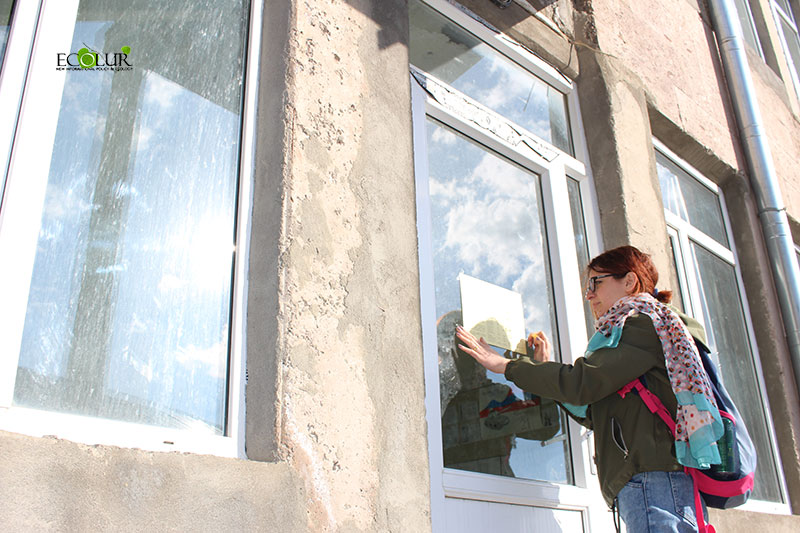
The residents have been distributed awareness-raising leaflets on the EITI process, which were also posted in the public places.

This article is made possible by the generous support of the American People through the United States Agency for International Development (USAID). The contents of this article are the sole responsibility of the authors and do not necessarily reflect the views of USAID or the United States Government.
April 22, 2019 at 16:00