

EcoLur
“Agarak Copper and Molybdenum Combine” CJSC owned by “GeoProMining” Company, which is operating Agarak copper and molybdenum mine (Syunik Region) for 2016 and 2017 reporting years, according to the public reports submitted by the soil managers for the EITI report didn’t pay money for the Environmental Protection Fund, nevertheless, the magnitude of the sum estimated for the allocation to the Fund has made up 26,027,607 AMD.
According to the public report of RA Ministry of Environment submitted for the EITI report, the company had paid only 3,833,300 AMD to the fund till 31 December 2016, nevertheless, the company should have paid only 168,413,870 AMD.
According to the public report of RA Ministry of Environment submitted for the EITI report, the base rate of the replenishment (reclaiming) pay to the Environmental Protection Fund is 428,690,000 AMD.
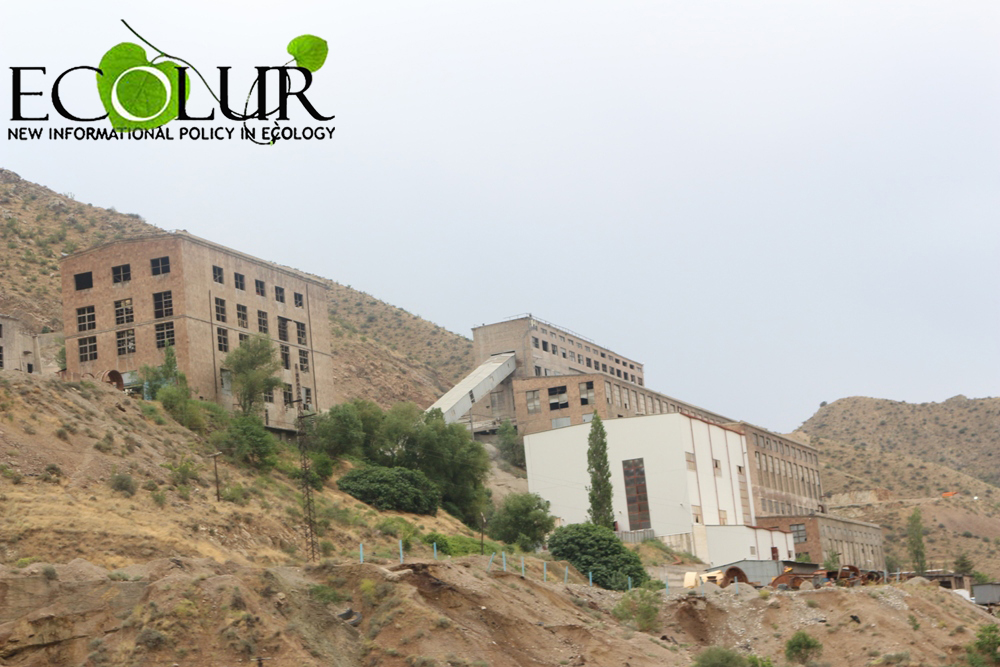
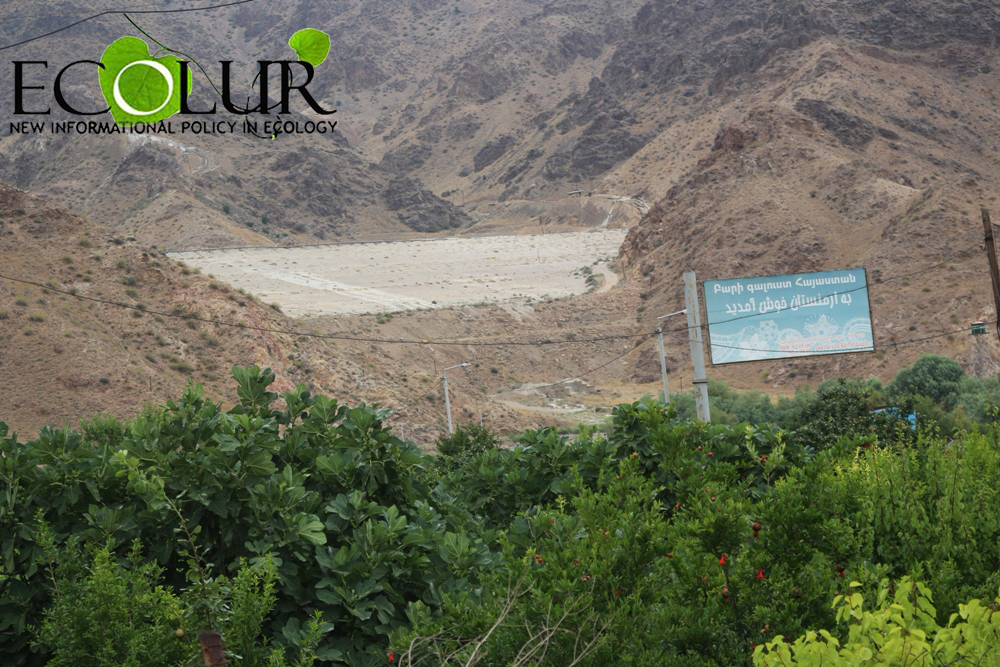
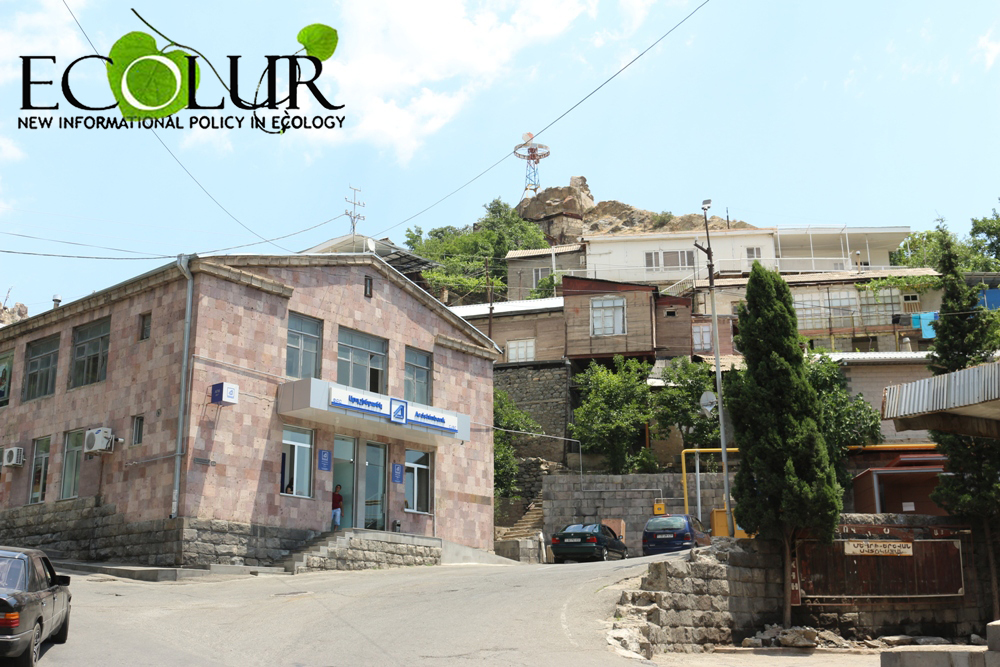
Reminder: “Agarak Copper and Molybdenum Combine” CJSC is developing in an open-cast manner Agarak copper and molybdenum mine located in Syunik Region and accumulates in industrial wastes in 3 tailing dumps in the combine. As we learnt from Mkhitar Zaqaryan, Head of optimized Meghri Community, the presence of the tailing dumps subject to reclaiming is an environmental problem in the community.
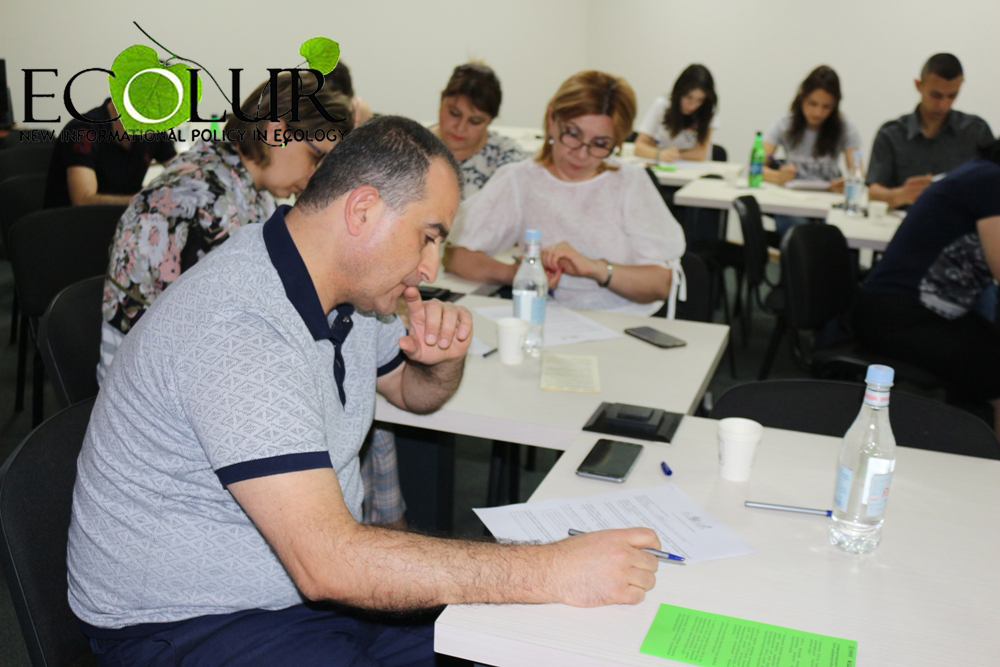
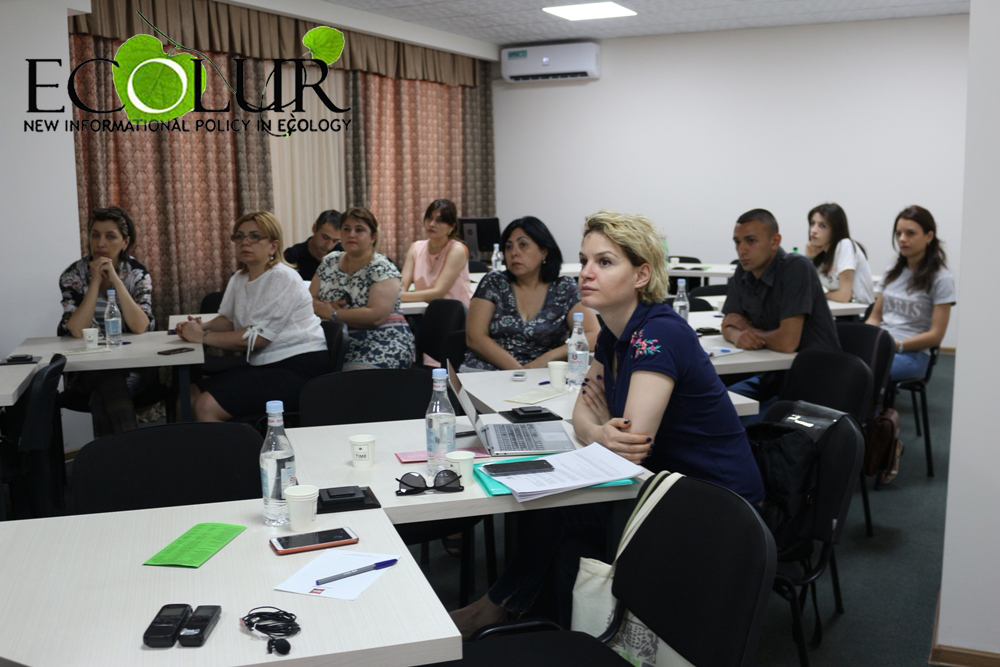
In the course of the discussion entitled “Be Aware and Demanding, Protect Your Interests and Rights in the Armenian Process of EITI” organized by EcoLur in Meghri Municipality on 28 June, the residents of Meghri community impacted by Agarak combine valued the matters of implementing environmental measures, recycling mining wastes and increasing the extent of environmental fees paid by the combine. Community Head Mkhitar Zaqaryan informed Ecolur that the annual subvention allotted from the environmental fees makes up around 1,300,000 AMD but it is not realistic to solve any large environmental problem with these funds.
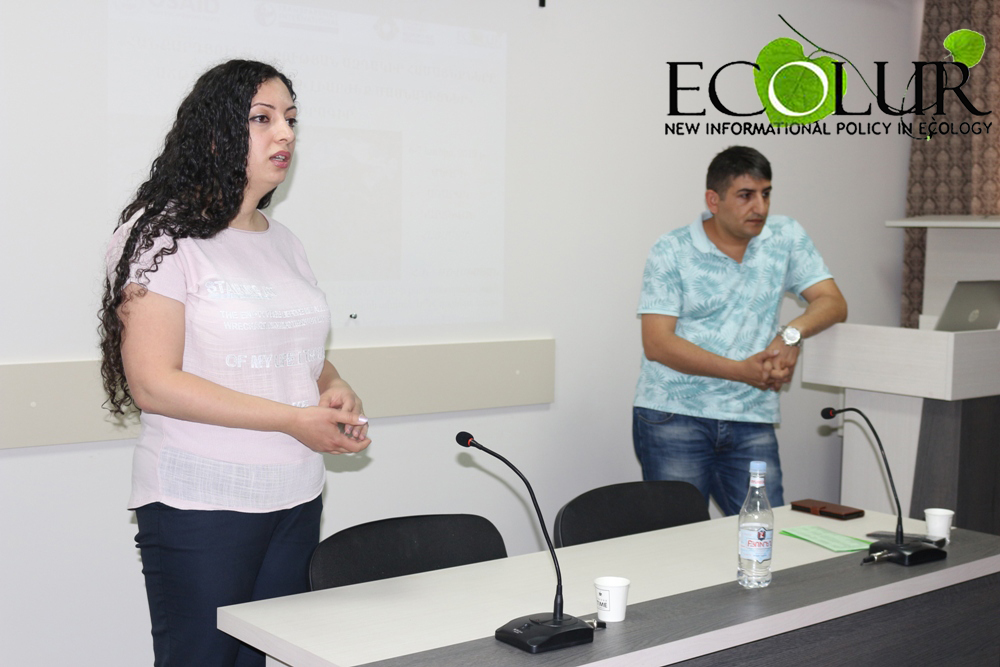
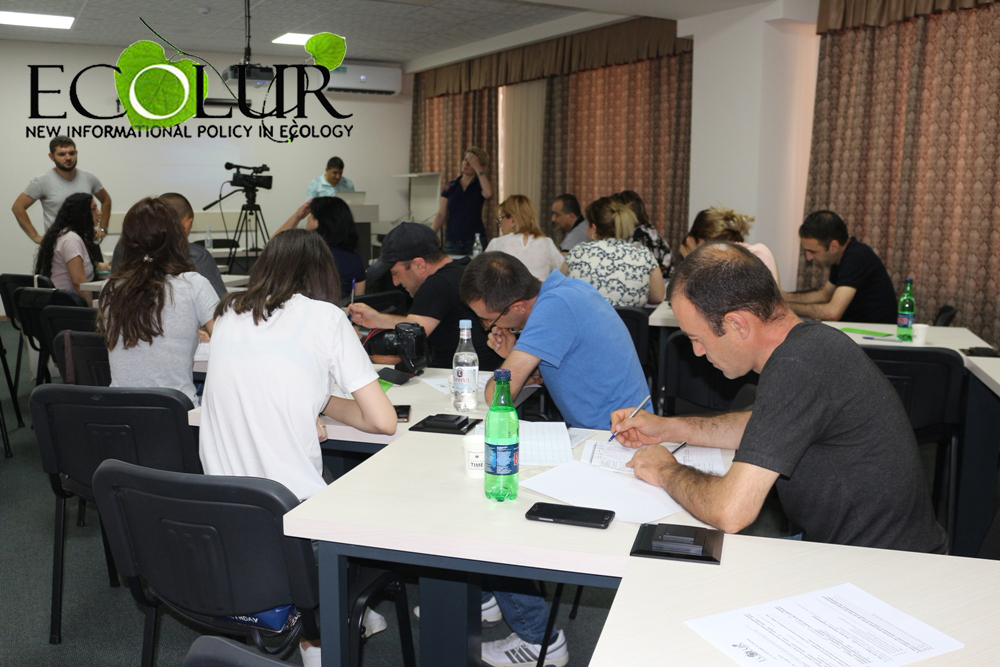
A participant in the discussion, representatives of “Guides from South’ NGO Davit Hakobyan noted that the combine has a monopoly in the region, there are numerous working places, as a result of which people don’t have any stimulus to think what other resources they have and what other branches can be developed.
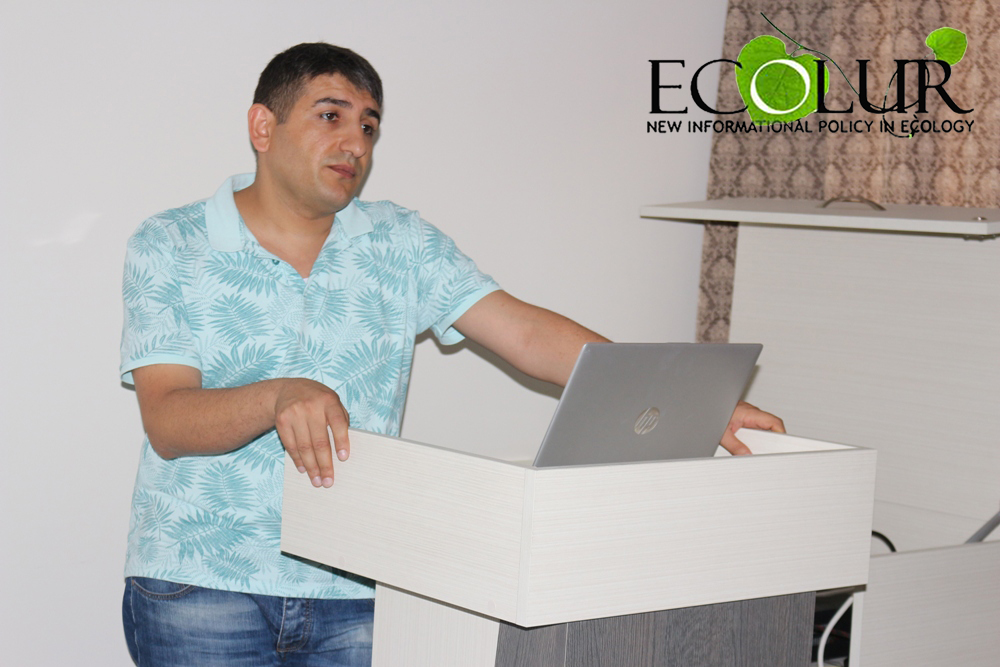
Expert Harutyun Movsisyan presented the figures for the production, product realization and financial data of Agarak Combine for 2016-2017. According to the reports submitted for the EITI report, in 2016 the combine produce 30,536 tons of copper concentrate at the cost price of 12,040,428,252 AMD and 425 tons of molybdenum concentrate at the cost price of1,097,300,293 AMD, whereas in 2017 it produced 28,979 tons of copper concentrate with the value of 12,700,657,451 AMD and 449 tons of molybdenum concentrate with the value of1,063,143,936 AMD. In 2017, the combine factually paid 622,913,006 AMD to the state budget in the form of taxes and payments, while this figure for 2016 is 1,629,297,463 AMD. The company provided 25 million AMD as social support to Agarak Community in 2016, while in 2017 this figure was 63,500,000 AMD, out of which 6,500,000 AMD as obligations undertaken by the contract.
The residents of Meghri community submitted a number of proposals:
1. To increase the rate of environmental fees,
2. To make a deduction to the community from the environmental fees for the implementation of environmental programs,
3. To reclaim full tailing dumps,
4. To nationalize the mine and to organize a new mode of operation which would be more controllable by the community,
5. To examine the pollution of the community-owned land areas and to publicise its findings,
6. To neutralize the adverse impact of the mining operations on the combine employees and health of population through health insurance and equip the medical institutions with specialists.
This material has been prepared within “Mining-Impacted Communities – Full Participants in EITI Process'” project implemented by EcoLur with the USAID support within the frames of “Engaged Citizenry for Responsible Governance” project implemented by Transparency International Anticorruption Center.

This article is made possible by the generous support of the American People through the United States Agency for International Development (USAID). The contents of this article are the sole responsibility of the authors and do not necessarily reflect the views of USAID or the United States Government.
July 19, 2019 at 16:12