

EcoLur
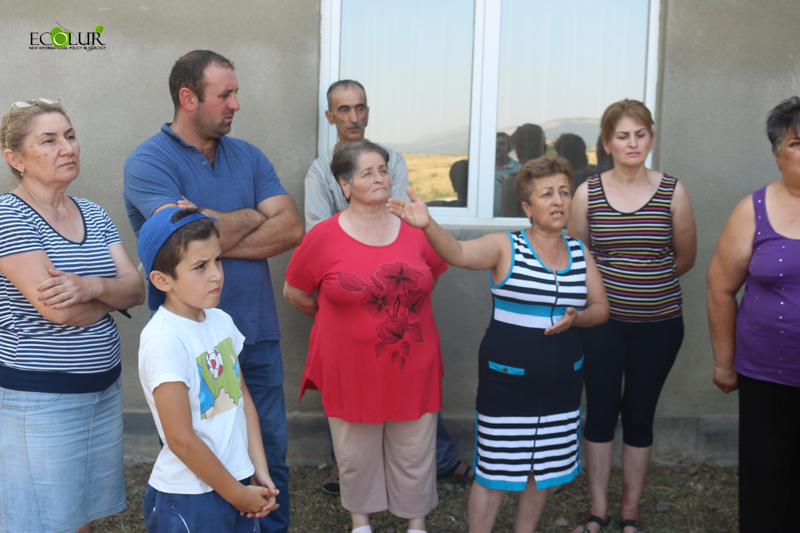
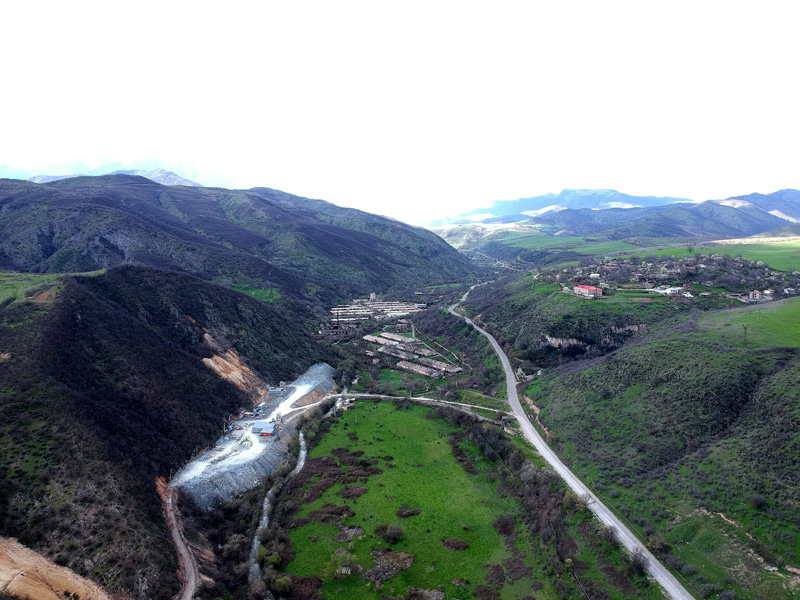
Residents of Atchanan village in Syunik Region are demanding compensation from Zangezur Copper and Molybdenum Combine for environmental, health and socio-economic damages. The settlement of Achanan is located near Artsvanik tailing dump operated by the plant. “In the case of wind, dust rises. The village has the worst environmental and health damage. We met with Kapan Mayor, Deputy Mayor and Syunik Regional head many times. But we have not received a clear answer as to why we are not compensated. They say we are not illegible and that’s it,” said the residents of Achanan during the meeting with EcoLur.


Achanan is one of five villages (Artsvanik, Sevakar, Achanan, Chapni and Syunik) where 26.1019 hectares of community-owned land was recognized as a public eminent domain in favor of Zangezur Copper and Molybdenum Combine CJSC under the governmental resolution N791-N dated on 21 May 2015.
According to the Achanan residents, there is no agricultural development in their village either, as the 62 hectare area of the village remains under Artsvanik tailing dump, 22 hectares of which are apple orchards. "The apple orchard has remained under the tailing dump, while the vegetation has disappeared on 40 hectares, a completely deserted steppe," the villagers said.
In July of this year, the residents of Achanan addressed a letter to the Prime Minister of the Republic of Armenia Nikol Pashinyan to receive compensation for the impact of the Artsvanik tailing dump. The Prime Minister, however, has not sent a response yet. "We are struggling to provide people with a minimum compensation to solve their health problems. ... The problem is the health and socio-economic damage incurred by people ...," residents said.

It should be noted that according to the first national EITI report of Armenia, where the 2016-2017 mining industry report is published, in 2016, ZCMC allocated 206,668 AMD to the municipality of Achanan. In 2016-2017 ZCMC did not implement any environmental and health plans in the village at the expense of environmental fees paid by ZCMC. The impacts of environmental fees for the emissions of harmful substances and compounds to Achanan water and air basins have not been calculated.
Achanan is also under the influence of Shahumyan gold-polymetallic mine in the form of dust and noise from the mine's ventilation system. However, the EITI National Report does not provide any data on the environmental fees calculated for the impact assessment of the Shahumyan Mine. For 2016-2017 no environmental and health programs were implemented in the village at the expense of environmental fees paid by Kapan Ore Dressing Plant CJSC.


According to the residents, before the optimization, Achanan village received some money from ZCMC, for example, if medical assistance was needed. Nevertheless, after the optimization, no one deals with their problems.

Taxes and Land Taxes Paid to Local Government bu Zangezur Copper and Molybdenum Combine CJSC

Land lease payments paid by Zangezur Copper and Molybdenum Combine CJSC

Taxes and Payments to Local Self-Government by Kapan Ore Processing Plant CJSC

As can be seen from the tables, before the community optimization, the local municipality of Achanan received land taxes and land lease payments from ZCMC CJSC and Kapan Ore Processing Plant CJSC. Now the money goes to the local self-government of Kapan enlarged community.
This material has been prepared within “Mining-Impacted Communities – Full Participants in EITI Process'” project implemented by EcoLur with the USAID support within the frames of “Engaged Citizenry for Responsible Governance” project implemented by Transparency International Anticorruption Center.

This article is made possible by the generous support of the American People through the United States Agency for International Development (USAID). The contents of this article are the sole responsibility of the authors and do not necessarily reflect the views of USAID or the United States Government.
August 30, 2019 at 12:18