
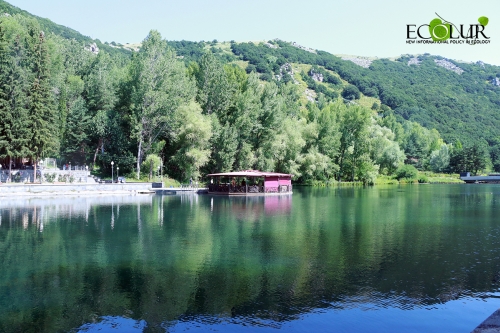
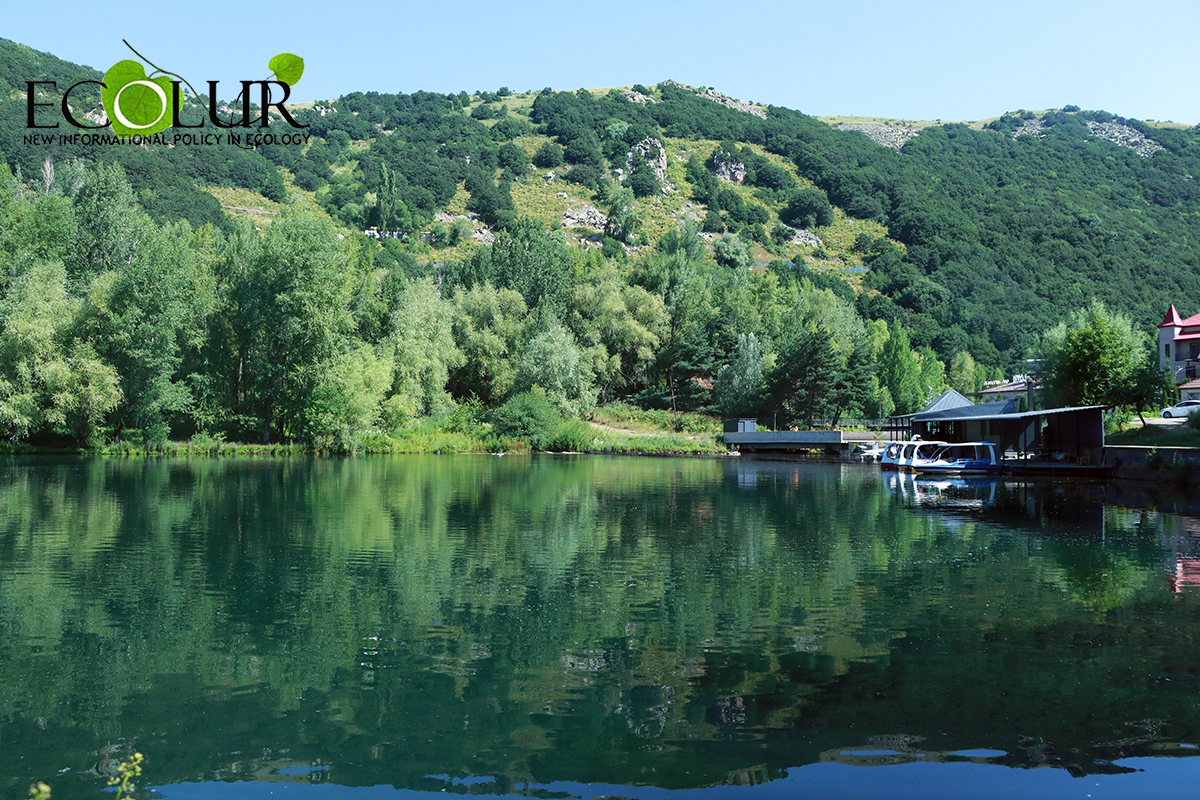
Mineral waters, mountain landscapes, forests, rivers, rich biodiversity, and spa potential have shaped Jermuk’s identity and tourism appeal. The conservation and sustainable use of this natural heritage are among the key prerequisites for the community’s future development.
Ahead of the 17th Meeting of the Conference of the Parties to the UN Convention on Biological Diversity (COP17), to be held this October, EcoLur Informational NGO conducted an awareness-raising meeting in the Jermuk community. The meeting aimed to discuss biodiversity conservation in Jermuk, environmental priorities, and the community’s participation in COP17.
According to Gegham Margaryan, Head of Department of Agriculture and Environmental Protection of Vayots Dzor Regional Governor’s Office, COP17 creates new opportunities for communities to present their concerns and priorities on the international agenda.
He noted that one of the region’s priority issues is the efficient management of water resources. The watersheds of the Arpa and Yeghegis rivers pass through the region, but the current level of water resource utilization remains low, and the infrastructure needed for water storage and efficient use is insufficient.
“Climate change means that water resources will become severely limited in the future, and we must already today treat what we have with care, use it efficiently, and preserve it,” he noted.
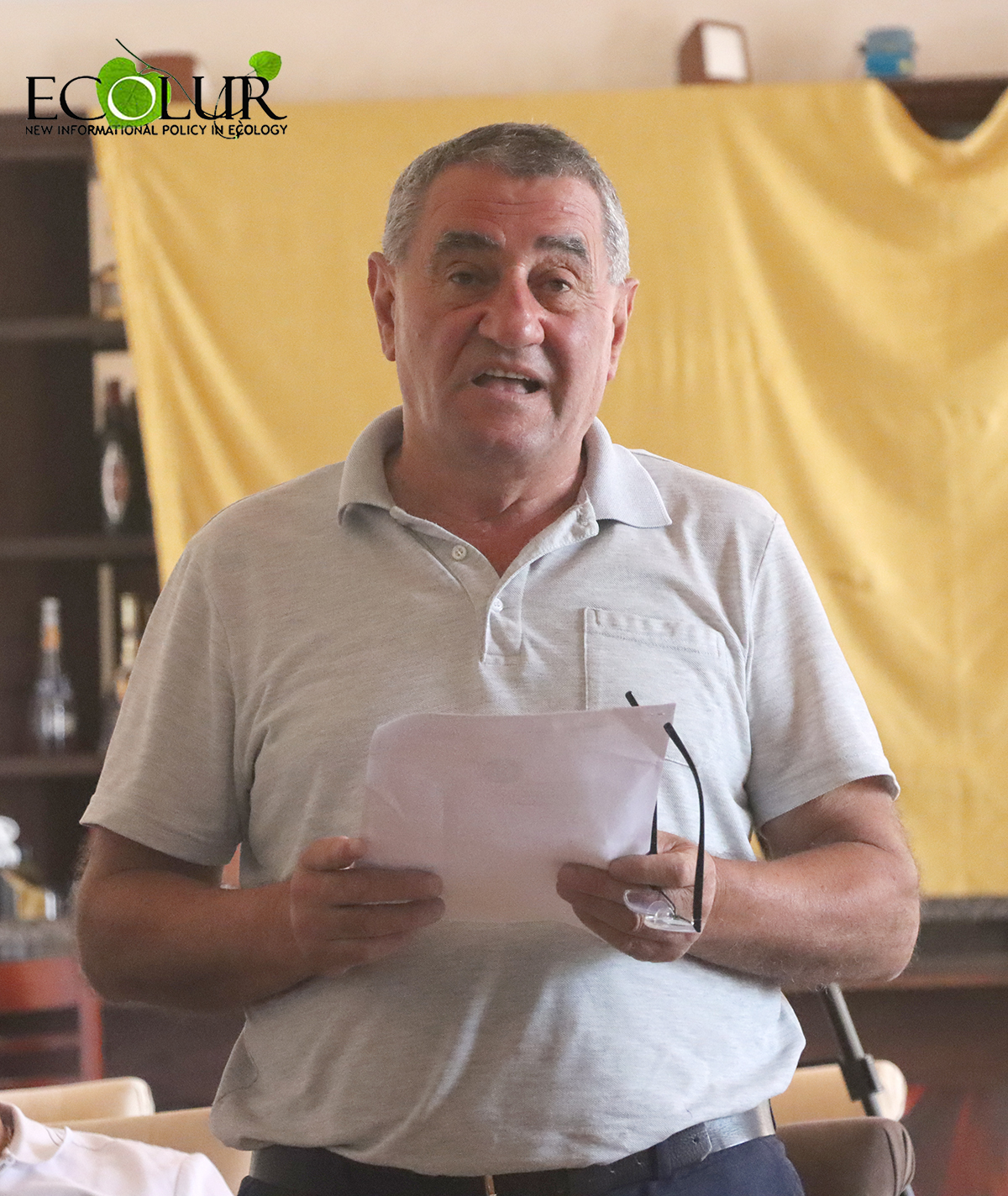
Gegham Margaryan
According to Gegham Margaryan, the region’s economic development prospects are closely linked to agriculture and tourism, while tourism potential depends directly on the conservation of the natural environment.
Jermuk is the tourism centre of the region. Narek Mirzoyan, Founding Director of "Visit Jermuk" tourism information platform, noted that Jermuk’s tourism appeal is based on its healing mineral waters, unique nature, and biodiversity. Therefore, every effort aimed at nature conservation is also an investment in the development of sustainable tourism.
“Jermuk is one of Armenia’s most recognized spa and tourism destinations, whose main value lies not only in its healing mineral waters and natural resources, but also in its exceptional biodiversity and pristine nature. The tourism appeal of our city is directly linked to environmental protection, and for this reason every initiative aimed at nature conservation is also an investment in sustainable tourism development.
This meeting organized ahead of COP17 is an important platform to discuss how local self-government bodies, civil society, the private sector, and community residents can jointly contribute to preserving and valuing Jermuk’s natural heritage,” said Narek Mirzoyan.
He also noted that a trilingual website of "Visit Jermuk" platform is expected to be launched soon, enabling visitors to obtain information about the region’s attractions and interesting sites and choose destinations for their visits.

Makedon Aleksanyan and Narek Mirzoyan
Jermuk resident Makedon Aleksanyan has compiled his memories of the city in a book. According to him, the landscape of Jermuk has changed significantly over the years.
“Today, the images from my childhood no longer exist. I go around and no longer recognise what used to be where. Many things have changed,” he said.
In his memories, Jermuk was a place filled with the croaking of frogs, swallow nests, and fireflies at night. According to him, many of these images have now disappeared.
“They are gone now. For this generation, they may become like dinosaurs - something they know about only from stories.”
Makedon Aleksanyan noted that Jermuk National Park should have been established long ago, as Jermuk’s natural wealth - its waters, forests, gorges, waterfalls, and other natural values - requires more systematic protection.
He also identified the exploitation of the Amulsar gold mine as one of the major environmental risks facing Jermuk.
“Amulsar poses a very serious threat to Jermuk. There are plant species included in the Red Book there. I do not know how they plan to relocate them, but the threat is real.”
According to him, the priority today is not only to establish new protected areas but also to preserve the natural values that already exist.

“Jermuk can come to COP17 with its own agenda. At the very least, we must preserve what we already have.”
Participants in the meeting noted that COP17 offers Jermuk an opportunity to present on the international stage not only its natural wealth, but also the development model the community wishes to pursue - one that preserves its natural capital for future generations.
The project “Strengthening Civil Society Leadership and Biodiversity Governance Ahead of COP17 in Armenia” is implemented by EcoLur Informational NGO with the support of the Armenia office of the Heinrich Boell Foundation.
The views expressed in this article are those of the author and do not reflect the views of the Heinrich Boell Stiftung Yerevan Office – South Caucasus Region.
August 28, 2026 at 19:18