
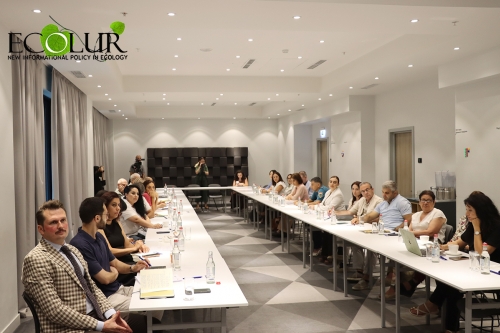
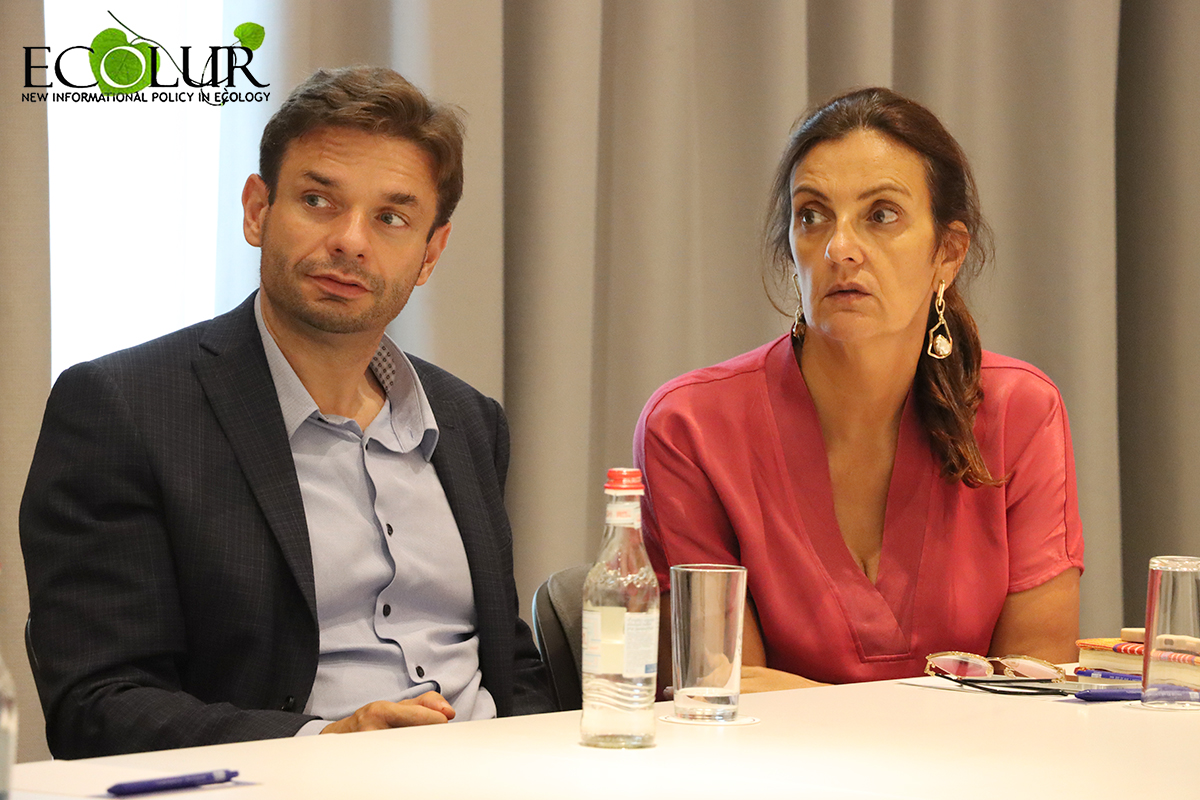
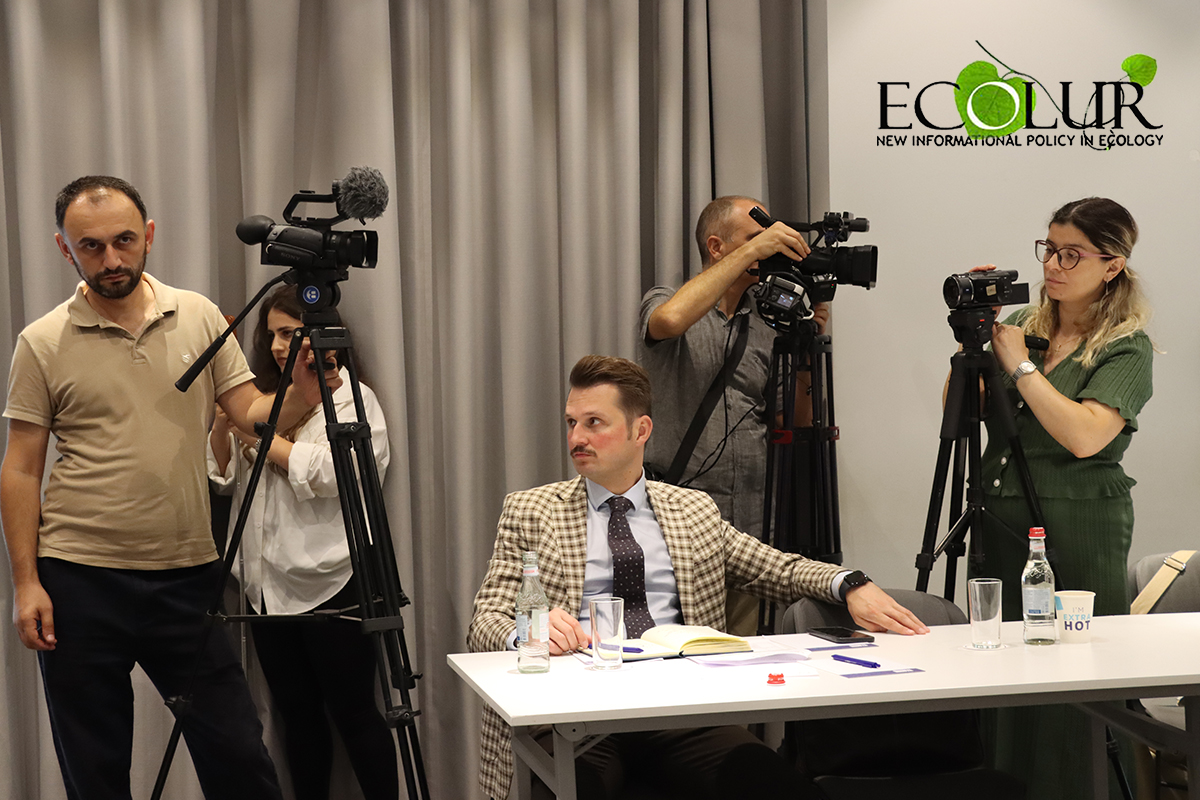
Jakub Lewandowski, Deputy Ambassador of the Czech Republic to Armenia, and representatives of the embassies of the United Kingdom, Japan, Canada and Sweden in Yerevan participated in the conference entitled “Ecological Transformation of Armenia’s Mining Regions.”
The conference presented the findings of a study on heavy metal contamination of the environment in several settlements in Syunik Region affected by mining, as well as a study of contamination by persistent organic pollutants (POPs) and heavy metals in Arjut village, Lori Region. The samples collected were transported in special containers to an ISO/IEC 17025-accredited laboratory in Prague and analyzed to determine the concentrations of mercury, lead, cadmium, copper, nickel and arsenic. The findings revealed heavy metal contamination in environmental samples and biological samples collected from local residents.
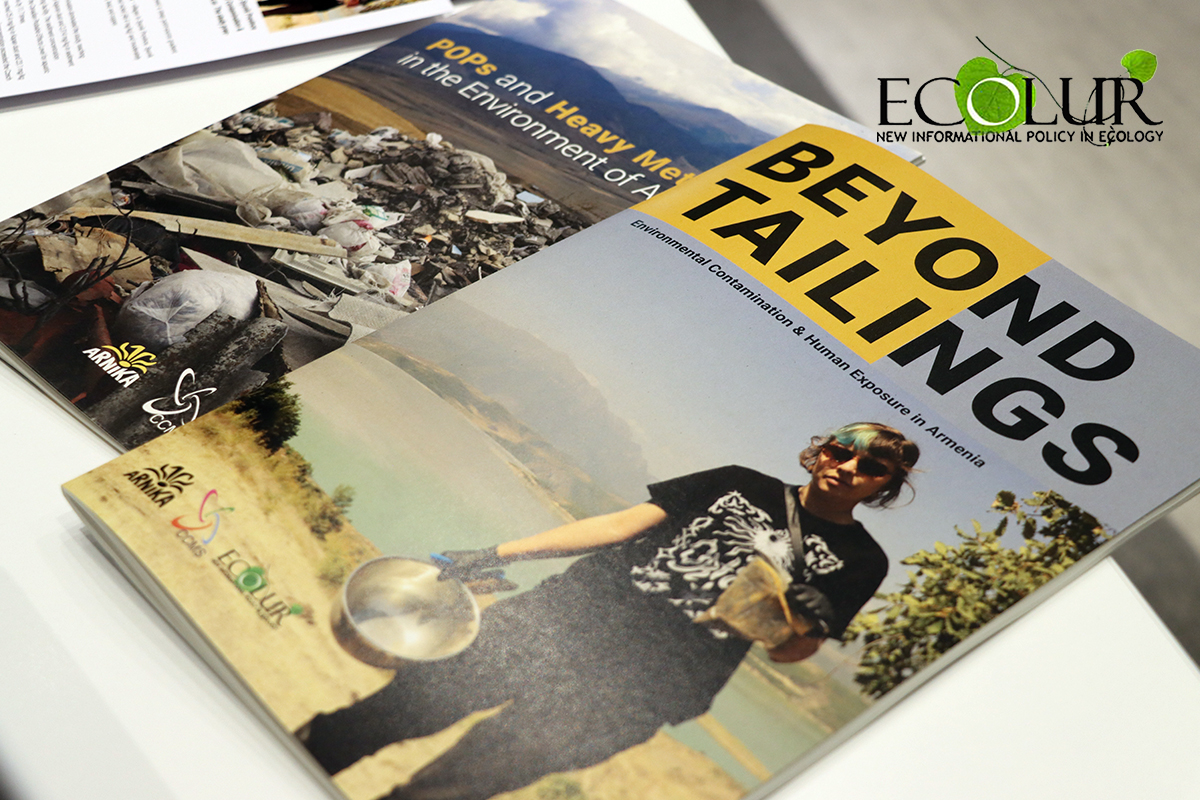
The research was conducted within the framework of “Ecological Transformation of Armenia’s Mining Regions” project funded by the Ministry of Foreign Affairs of the Czech Republic.
“As a representative of the Ministry of Foreign Affairs, I am pleased that our ministry has been able to support such research. And this is not the only initiative we are implementing in Armenia in the environmental sector. For years, we have been carrying out numerous programmes aimed at addressing various environmental issues. Based on my experience, I can say that Arnika is a very professional organization that is also active in other countries. I am confident that this research is important and timely, and I hope that its findings will be effectively used in Armenia to contribute to improving the situation. The Czech Republic is ready to share its experience in transforming industrial areas, which could also be applied here to support local residents and improve the situation,” said Deputy Ambassador Jakub Lewandowski.
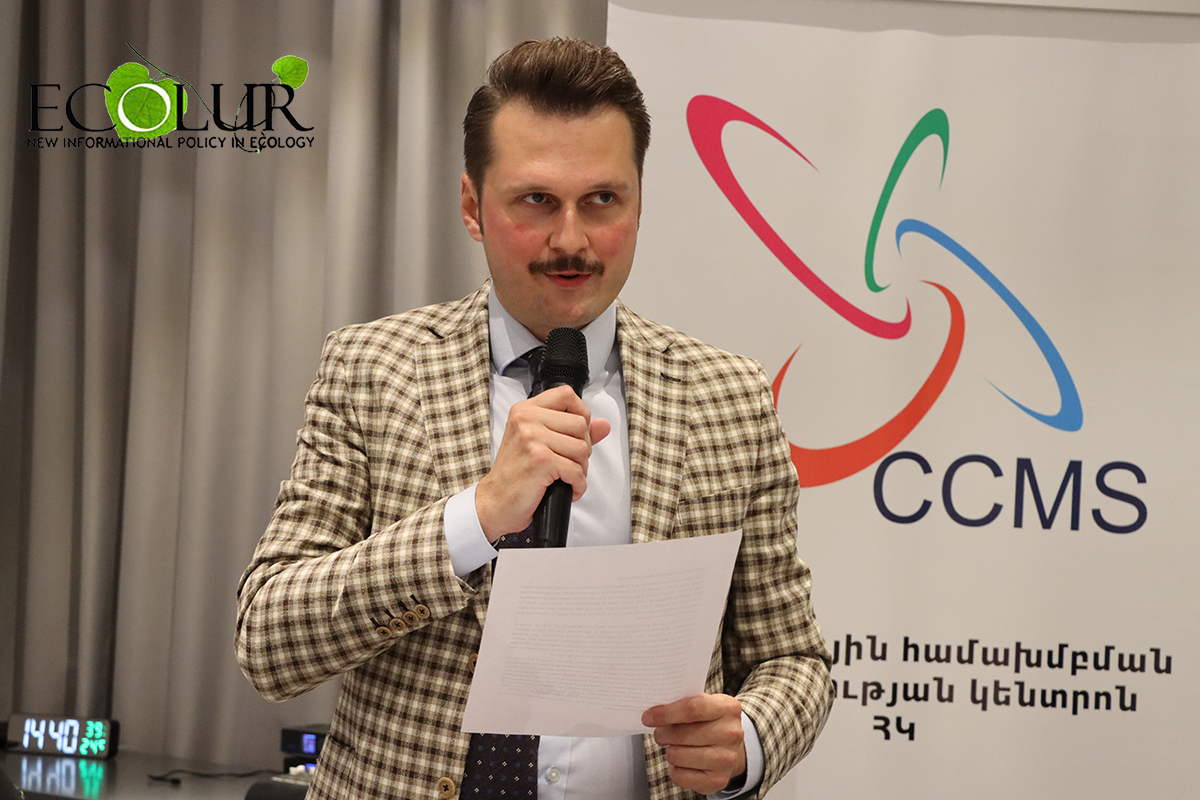
Jakub Lewandowski
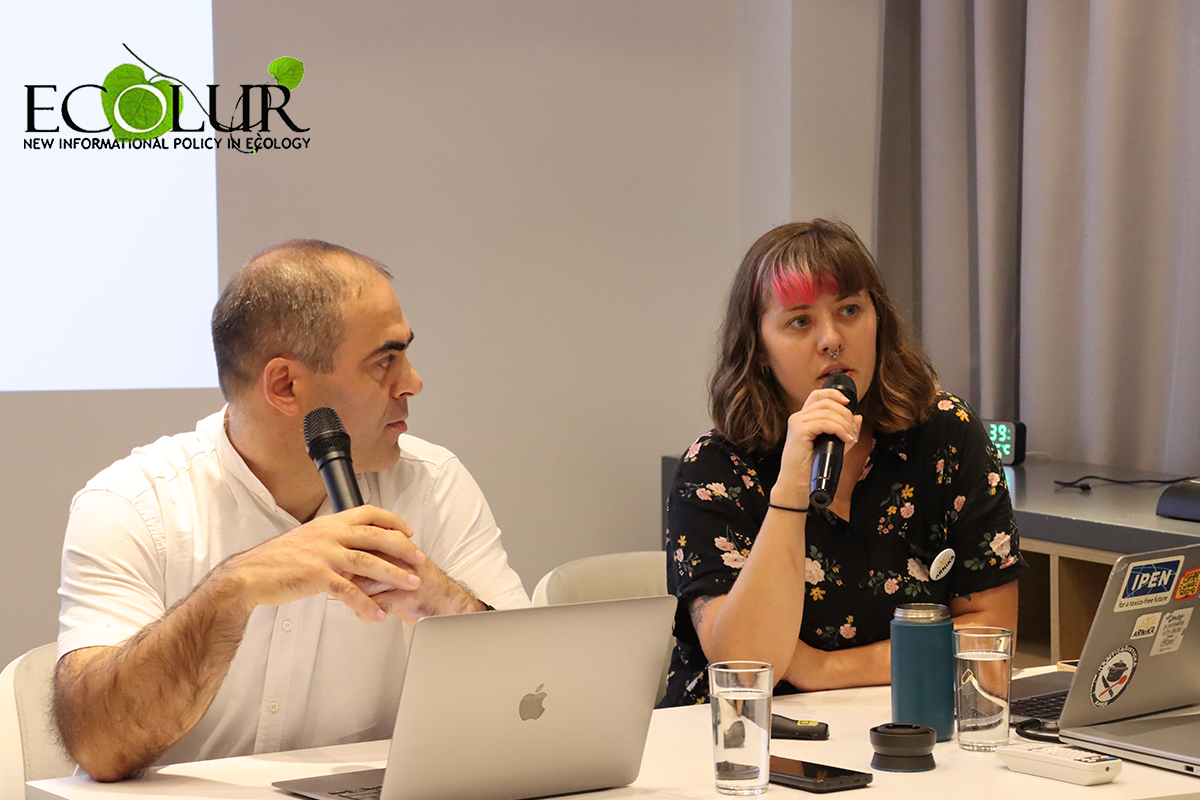
Emphasizing the importance of holding the conference, Marcela Černochová, Programme Coordinator at the Czech organization Arnika, said: “We are trying to implement practical and important initiatives that can directly help people. The most important things are people’s health and lives. Through our work, the findings of our research and the information we provide, we are trying to contribute to protecting them. Then people themselves can decide what to do-whether to take care of their own health or accept a certain risk. We also provide this information to government bodies so that they can make informed decisions at the management and public policy levels.”
According to Marcela Černochová, the Czech Republic is one of the countries whose experience could be useful and applicable in Armenia.
“The Czech Republic also had mining and heavy industry. When we joined the European Union, we had to take the necessary measures to carry out an ecological transformation. At the same time, we have a shared historical experience with Armenia, as we were also part of the Soviet bloc. At that time, there was a communist and socialist economic system in which insufficient attention was paid to environmental protection. We had to change this attitude step by step. And I think the Czech Republic can serve as an example,” Marcela Černochová noted.
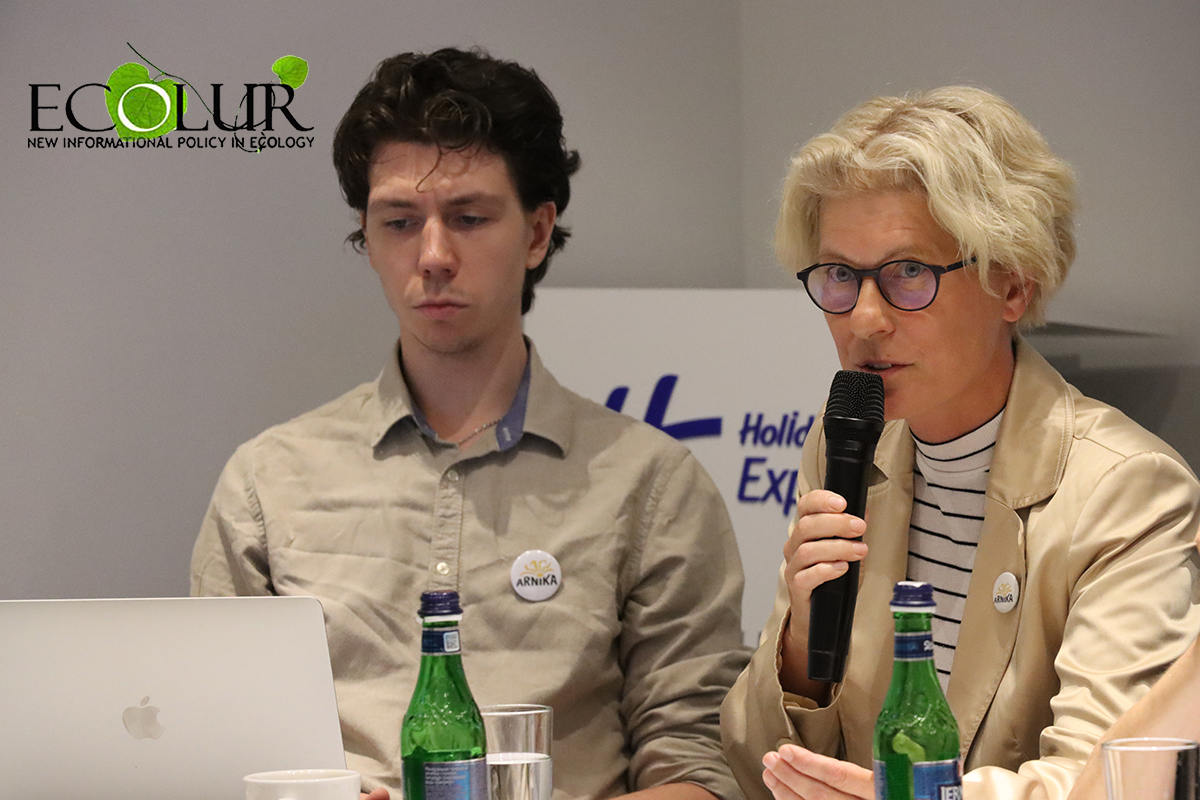
According to her, the first step is to conduct research on the ground and then present the information obtained. The next stage is to work and cooperate with the responsible institutions, whether they are communities, regional authorities or the government.
Inga Zarafyan, President of Ecolur Informational NGO, said that the findings of the research are worrying. Information on environmental pollution caused by mining and metallurgical facilities in Armenia has been available since scientific studies conducted during the Soviet period.
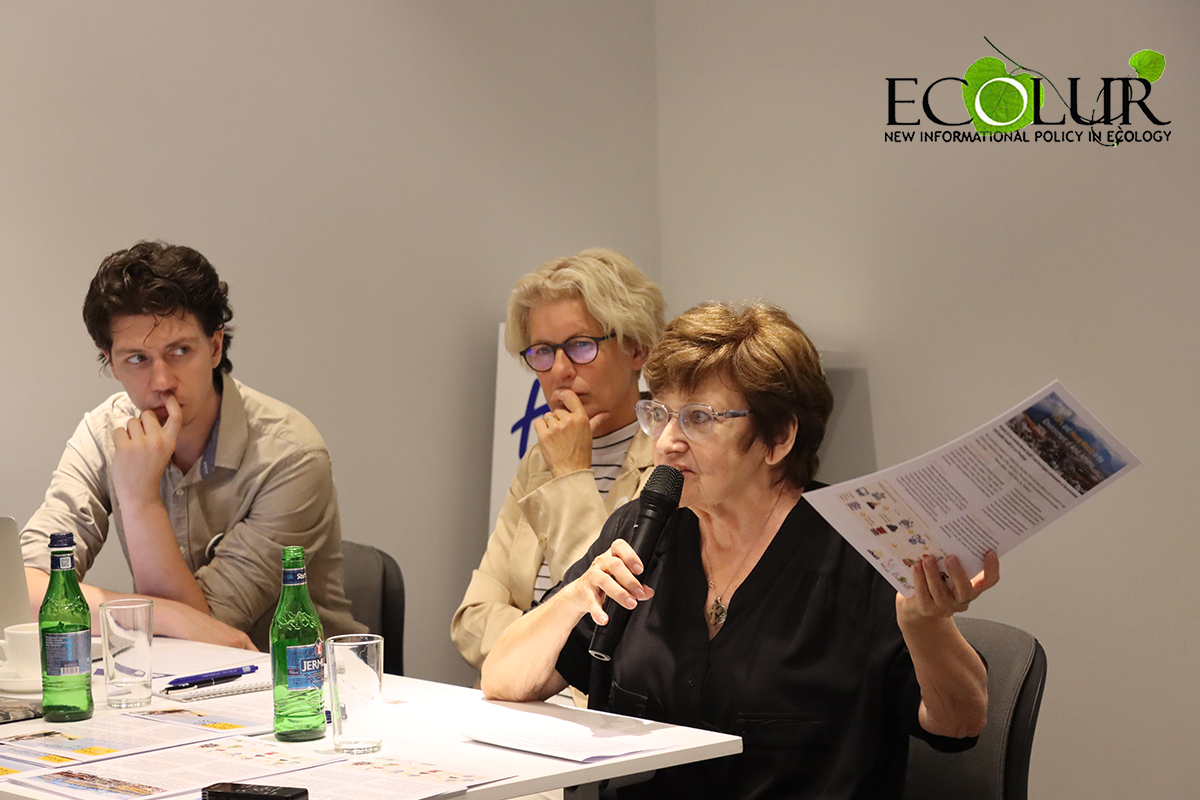
“Years ago, residents approached the Health Ministry requesting that inspections be carried out, but there was no response. Subsequently, local residents approached us because they are concerned and want to be informed.
“I highly value our cooperation with our Czech partners. Representatives of diplomatic missions came to learn about the research findings. Unfortunately, the only representative from our government who was present was from the Ministry of Internal Affairs. They should have been present and responded,” Inga Zarafyan noted.
September 22, 2026 at 14:31