
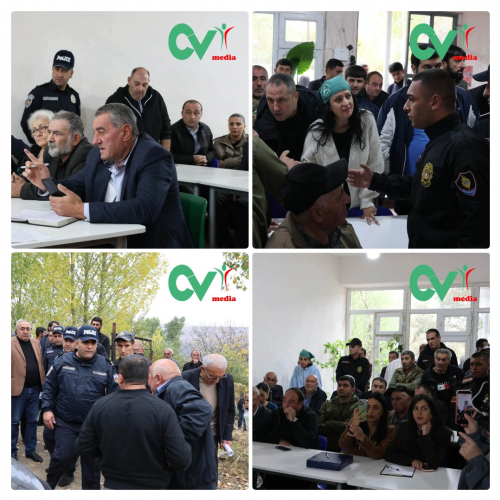
On October 29, a public hearing was held in Vardahovit, a settlement in Yeghegis Community, Vayots Dzor Region, regarding the Environmental Impact Assessment (EIA) report for geological prospecting planned by MENDIA RESOURCES LLC at the Vardenis polymetallic mineral occurrence during 2026–2028, with the aim of assessing the potential for metal mineral extraction.
This was the second public hearing on the report. During the discussion, residents and participants raised a number of concerns regarding water resources, the protection of archaeological heritage, the potential environmental consequences of the exploration activities, and the legality of the process. The hearing took place in a tense atmosphere, with disagreements among residents, civil society representatives, officials responsible for the process, and company representatives.
The citizens opposing mining activities raised the issue of assessing the environmental consequences of previous geological exploration work. They asked whether comparative water-quality studies had been conducted before and after the geological work, and whether data were available on possible changes in water quantity or underground water flows.
The company representative responded that quarterly surface-water quality data, as well as groundwater data, where available, had been submitted to the Ministry of Environment. According to the representative, the data are available on the Ministry’s official website. The representative also noted that groundwater sampling had not initially been possible, but that relevant data had been submitted once access to the boreholes became available.
During its preliminary review, Sevan Lake Expert Commission requested additional information on hydroecological studies.
According to the company representative, the report was subsequently revised and supplemented with additional data on potential impacts on water resources. The representative stated that the Commission had considered the information acceptable, while also noting that, if further work were to be carried out, a conclusion from an independent commission assessing the results of previous activities would be required.
Participants also raised concerns about the protection of the area’s historical and cultural heritage. They said that the area contains ancient petroglyphs dating back thousands of years, which have been documented by specialists, but that the process of mapping them and granting them monument status has been delayed.
The company representative stated that archaeological field studies had been conducted over the previous three years. According to the representative, information about the archaeological finds had been submitted to the authorized body, and a chance-find procedure had been applied during the work. The representative maintained that no archaeological heritage had been damaged during the construction of drilling platforms and roads.
The hearing also addressed the timeline of the previous stage of public consultations and the decisions adopted by the Community Council. One participant stated that a decision included in the document package did not reflect the previously adopted position opposing the project and questioned the legality of the process.
Residents also raised the issue of access to drinking water, noting that they had been waiting for many years for the completion of a water pipeline. They expressed concern that geological exploration activities could affect the community’s water resources. One participant also said that they had submitted written comments regarding potential risks to water resources and demanded clear answers to their concerns.
During the discussion, participants repeatedly demanded answers to their questions. In response, they were told that all comments, complaints, and submitted documents should be examined as part of the environmental assessment process.
By the end of the hearing, the debate had escalated into mutual accusations. Police officers present at the meeting intervened several times in an attempt to calm the tense situation.
The representatives of the state authorities stated that the environmental assessment process for the proposed activity was still ongoing and that the relevant decision would be made after reviewing the submitted materials and comments.
The residents stated that they did not agree that the public hearing should be considered valid.
Watch the video for more details,
October 30, 2026 at 14:02