
EcoLur
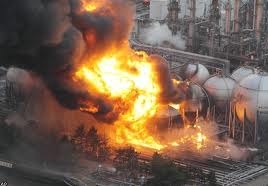
“EcoLur”, AWHHE, "Khazer” NGOs, the partners of WECF in Armenia, are joining to Anti-nuclear call. “Japan has recently been hit by the biggest earthquake in its history – devastating lives and profoundly impacting the country. To make matters worse, its nuclear power plants have also been affected, radiation levels have surpassed the maximum allowed levels and populations are being evacuated, demonstrating once more that nuclear industry is unsafe. In solidarity with the victims of Japan, an anti-nuclear rally will be held tonight from 18.30 on at the Karlsplatz Square in the German city of Munich. Director Germany, Sabine Bock, will speak on behalf of WECF: "Our concern and solidarity go out to the people of Japan".
WECF has been working with victims of nuclear disasters since 1994, including communities living near uranium mines and nuclear test sites, and Chernobyl and Mayak victims. Currently, plans exist to build 60 nuclear power-plants worldwide, often with the argument that nuclear energy is needed to mitigate the effects of climate change through reducing the quantity of greenhouse gases released into the atmposhere. What is often overlooked, however, is that nuclear plants are vulnerable to the impacts of climate change. They require large amounts of cooling water, and need to be taken off the grid in times of drought – a climate condition which countries are likely to increasingly experience due to climate change. As the severe forest fires in Russia last summer showed - which almost reached their nuclear power plants – climate change can lead to nuclear disasters similar to Chernobyl. Nuclear power plants continue to remain a radioactive threat after they have stopped operating, but what if the entire plant ends up under water because of rising sea levels – as would happen to the planned new power plants in the Netherlands?
For a long time, the nuclear industry argued that the problems we had seen in the past were due to the “old type” of reactors, such as the one in Chernobyl. Japan however, the 3rd largest economy in the world, was known to have the most advanced and secure nuclear power-plants in the world. If Japan’s reactors and engineers cannot cope with a natural disaster, then it is very likely that other countries will also be unable to cope.
As Sabine Bock, director of WECF Germany says “There is not one insurance company which will insure nuclear industry for the immense damage which can occur in the case of a disaster. In the end, it is the taxpayers and the future generations which pay – with their health, lives and land”. We can only try to imagine the current situation is in Japan, and hope that such a disaster will never be repeated. The country is reeling from the effects of the disaster, and our best wishes go out to those effected. Our concern and solidarity go out to the people of Japan”.
March 18, 2011