
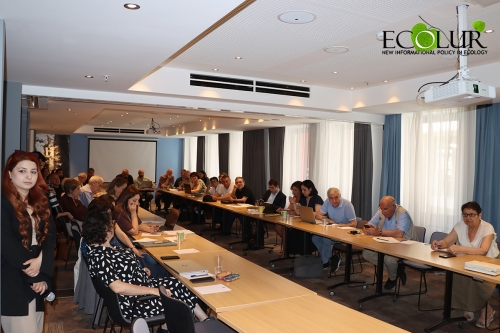
Armenian civil society is preparing for the 17th Meeting of the Conference of the Parties to the Convention on Biological Diversity (COP17). On June 17, 2026, EcoLur Informational NGO, in cooperation with the Fridtjof Nansen Institute, organized a workshop entitled “Civil Society Agenda at the 17th Meeting of the Conference of the Parties to the UN Convention on Biological Diversity (COP17).”
The purpose of the workshop was to prepare civil society and active community members for COP17, develop a civil society participation agenda for COP17, and raise awareness of the targets set forth in “National Biodiversity Strategy and Action Plan (NBSAP) for 2026-2030”, the implementation and monitoring of which require public participation.
The representatives of non-governmental organizations, scientific and educational institutions, international organizations, communities, and regional administrations participated in the workshop.
Welcome remarks were delivered by Alik Badalyan, Chief Specialist of the Department of Specially Protected Nature Areas and Biodiversity Policy of the Ministry of Environment; Paul Wilter Skedsmo, Senior Researcher at the Fridtjof Nansen Institute and “Supporting Armenia’s CBD COP Presidency and Domestic Implementation” Project Coordinator implemented with the support of the Norwegian Agency for Development Cooperation (Norad); and Inga Zarafyan, President of EcoLur Informational NGO.
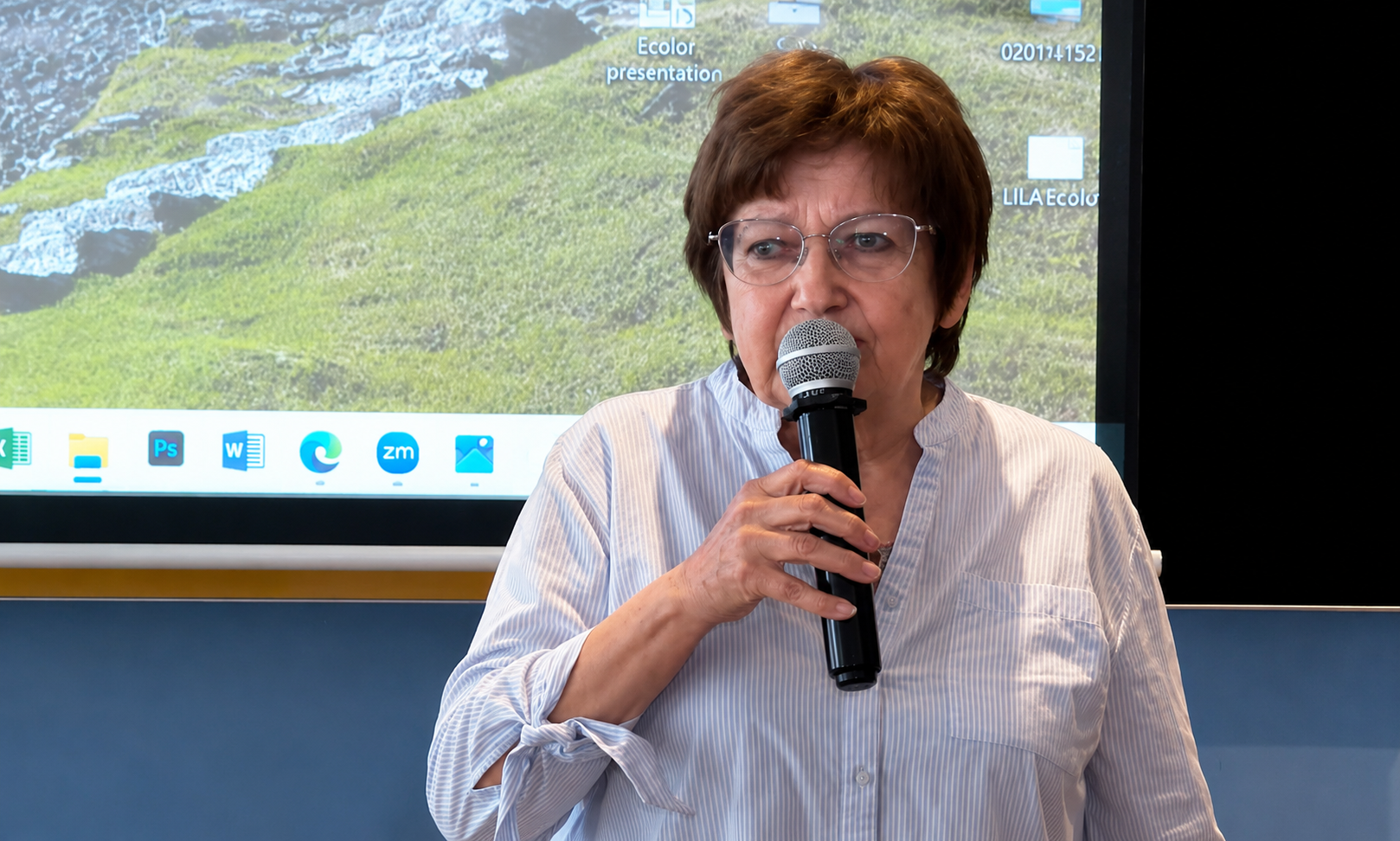
“This project is dedicated to civil society participation in the 17th Meeting of the Conference of the Parties to the Convention on Biological Diversity. We are implementing the project primarily in communities because the main responsibility for preserving our rich biodiversity largely rests with them. Therefore, we place special emphasis on community participation. We need to understand what opportunities civil society has for engagement, what challenges Armenia has set for itself, and how these should be addressed.
We have prepared a civil society agenda outlining the key issues and our vision for participation. This will serve as our principal document, and I encourage everyone to actively participate in our discussions,” Inga Zarafyan noted.
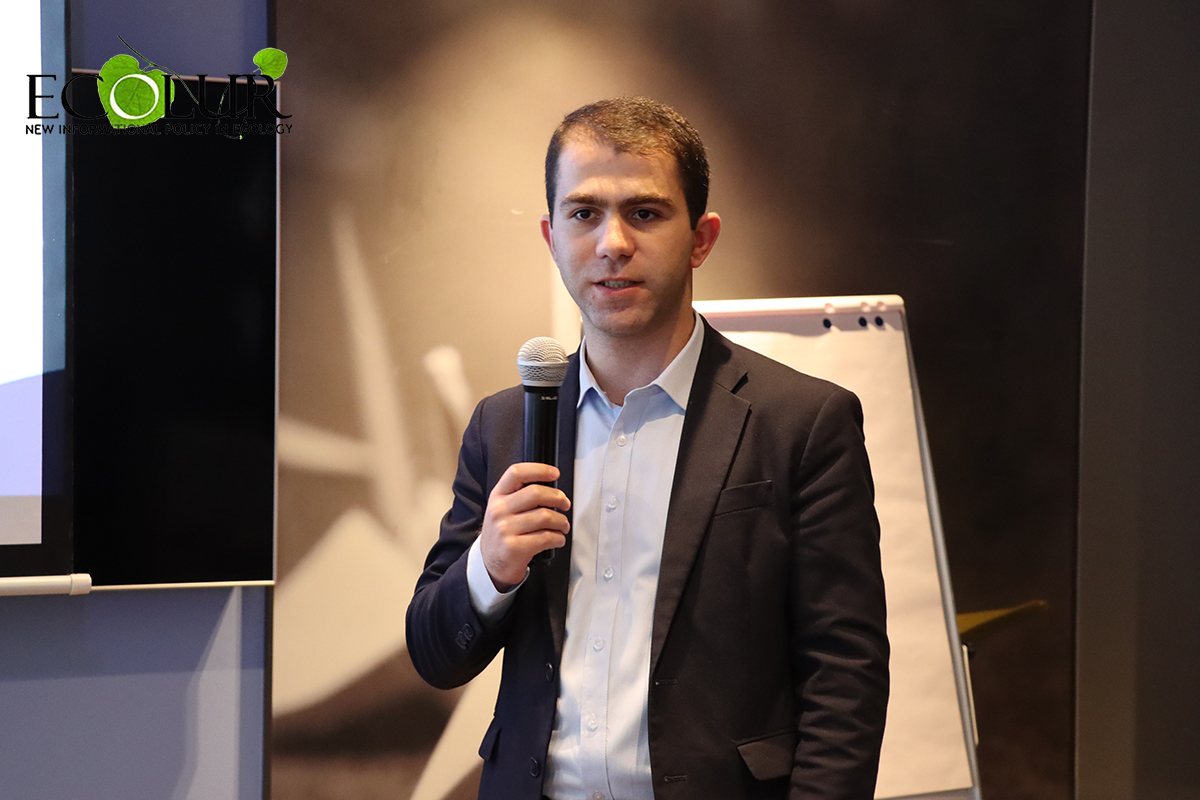
“COP17 is important for Armenia not only as a major international event but also as an opportunity to bring together government institutions, scientific organizations, civil society, youth, and local communities. It is now internationally recognized that biodiversity loss cannot be prevented solely through policy implementation; it requires the involvement of all stakeholders. Civil society plays a major role in this process, not only by promoting biodiversity conservation ideas but also by representing the voice and concerns of society. As the host and presiding country, Armenia has adopted a transparent and inclusive approach to organizing COP17. I hope that this workshop will provide another opportunity to hear the voice of civil society and contribute to making COP17 more inclusive and better organized,” Alik Badalyan noted.
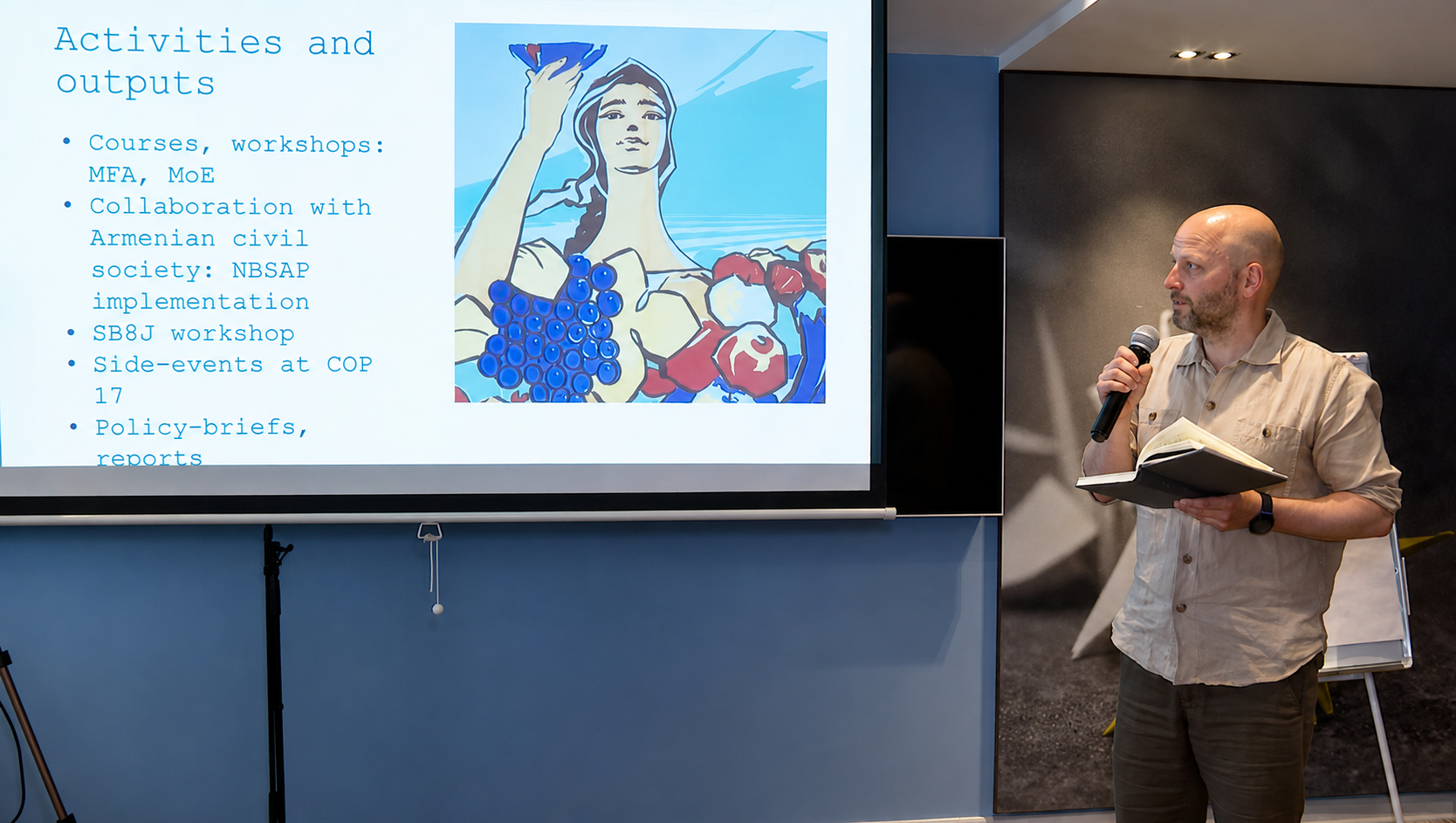
“We are here to discuss how civil society can participate and make its voice more visible at COP17. Civil society engagement before, during, and after COP17 is critically important. There are key objectives for civil society, including promoting the involvement of local communities in biodiversity conservation and the management of protected areas, as well as ensuring gender equality in decision-making processes.
Several Armenian and international partners are involved in “Supporting Armenia’s CBD COP Presidency and Domestic Implementation” Project one of which is EcoLur. The project runs from 2025 to 2028, meaning it covers the implementation of COP17 and the period leading up to the next COP,” Paul Wilter Skedsmo noted.
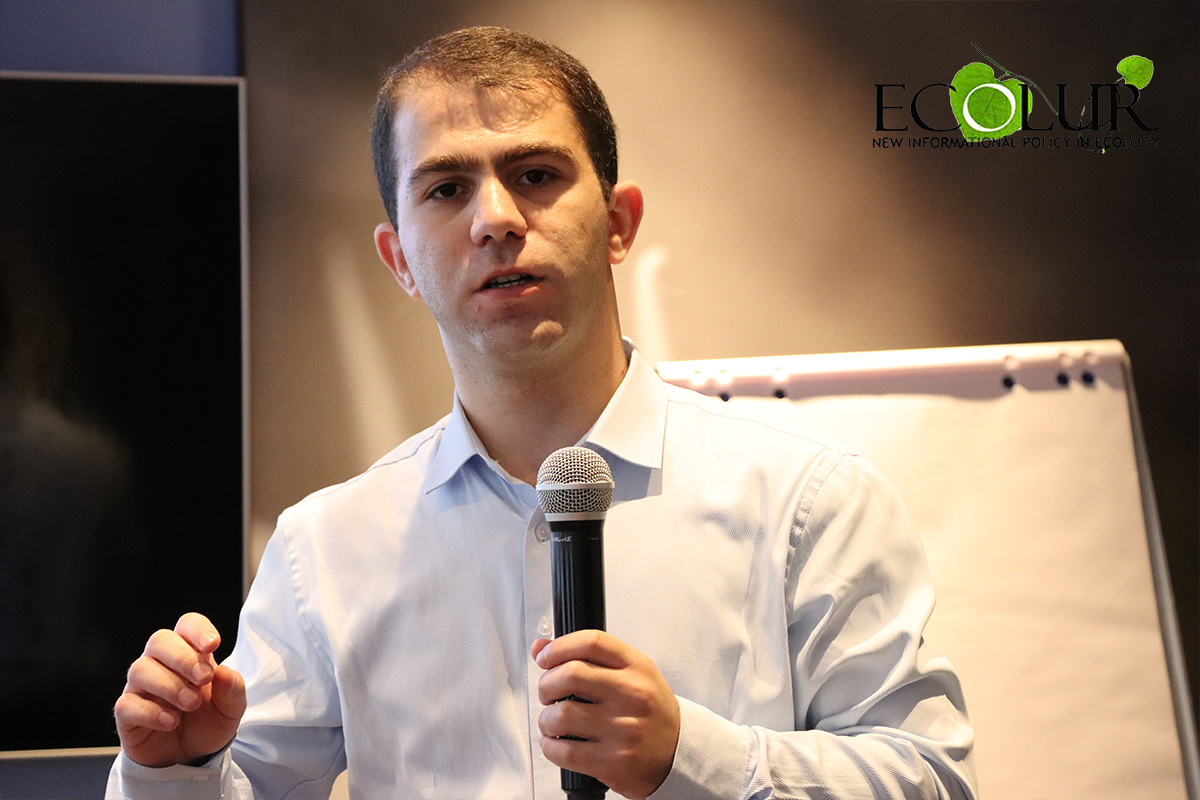
Alik Badalyan, Chief Specialist of the Department of Specially Protected Nature Areas and Biodiversity Policy of Environment Ministry, presented the objectives of the Convention on Biological Diversity, the Cartagena Protocol, and the Nagoya Protocol, as well as the purpose of COP meetings, the COP17 agenda, and Armenia’s priorities. He then introduced Targets 3, 28, 29, and 30 of “National Biodiversity Strategy and Action Plan (NBSAP) for 2026–2030”, and the measures designed to achieve them.
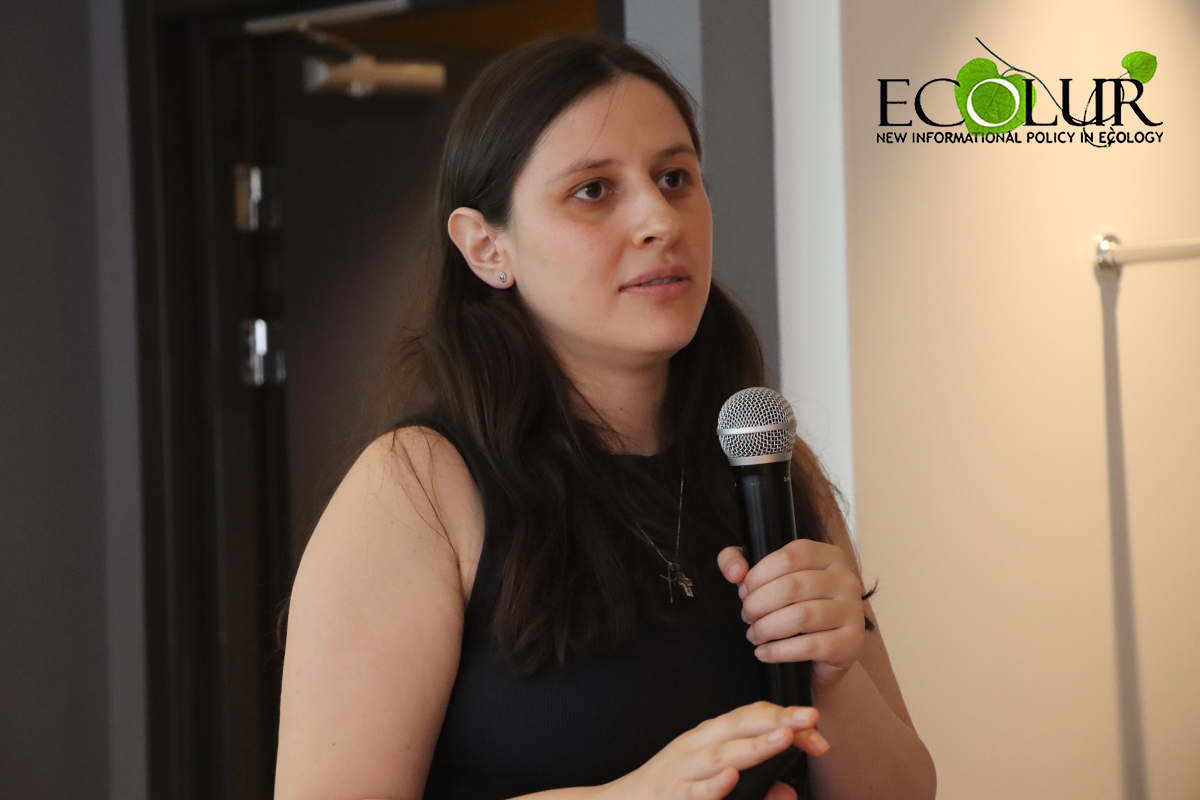
Lilit Midoyan, Coordinator of the COP17 Green Zone, familiarized civil society representatives with the participation formats available within the COP17 Green Zone.
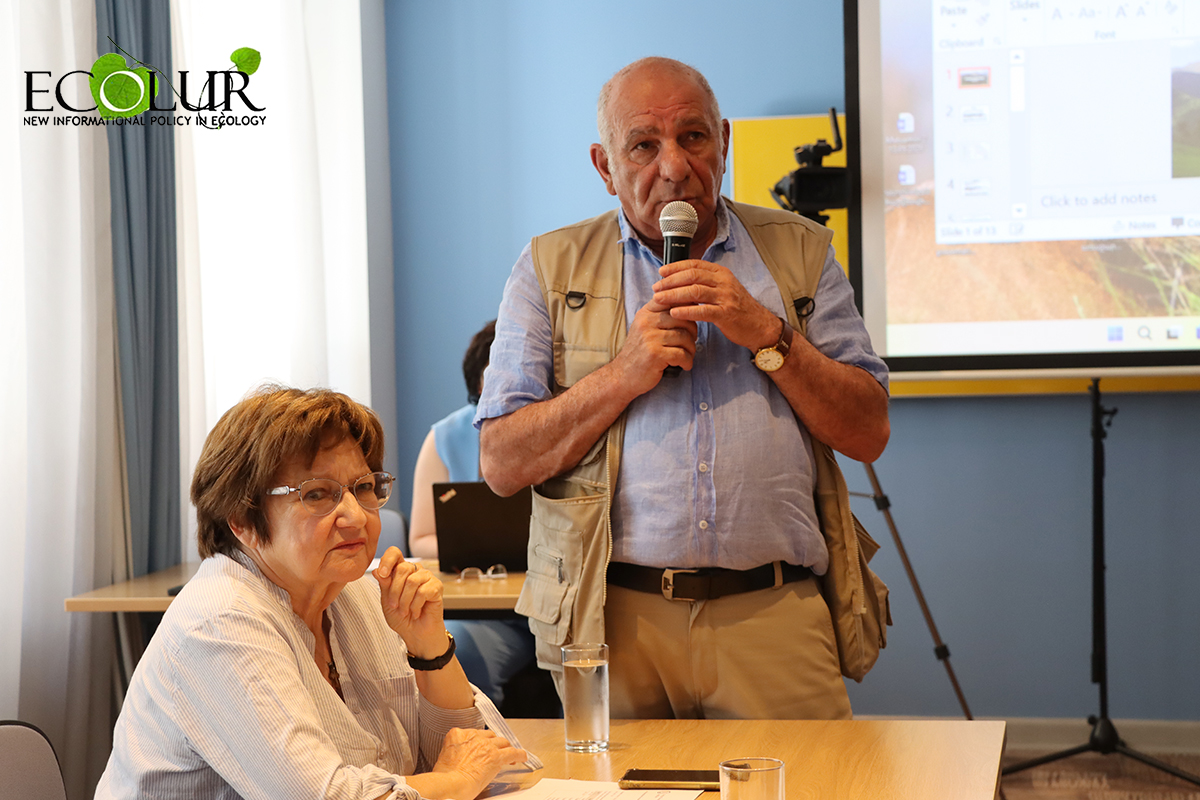
Karen Manvelyan, Program Manager at WWF-Armenia, delivered a presentation entitled “Challenges and Opportunities on Armenia’s Path to Achieving the 30x30 Target in Armenia.”
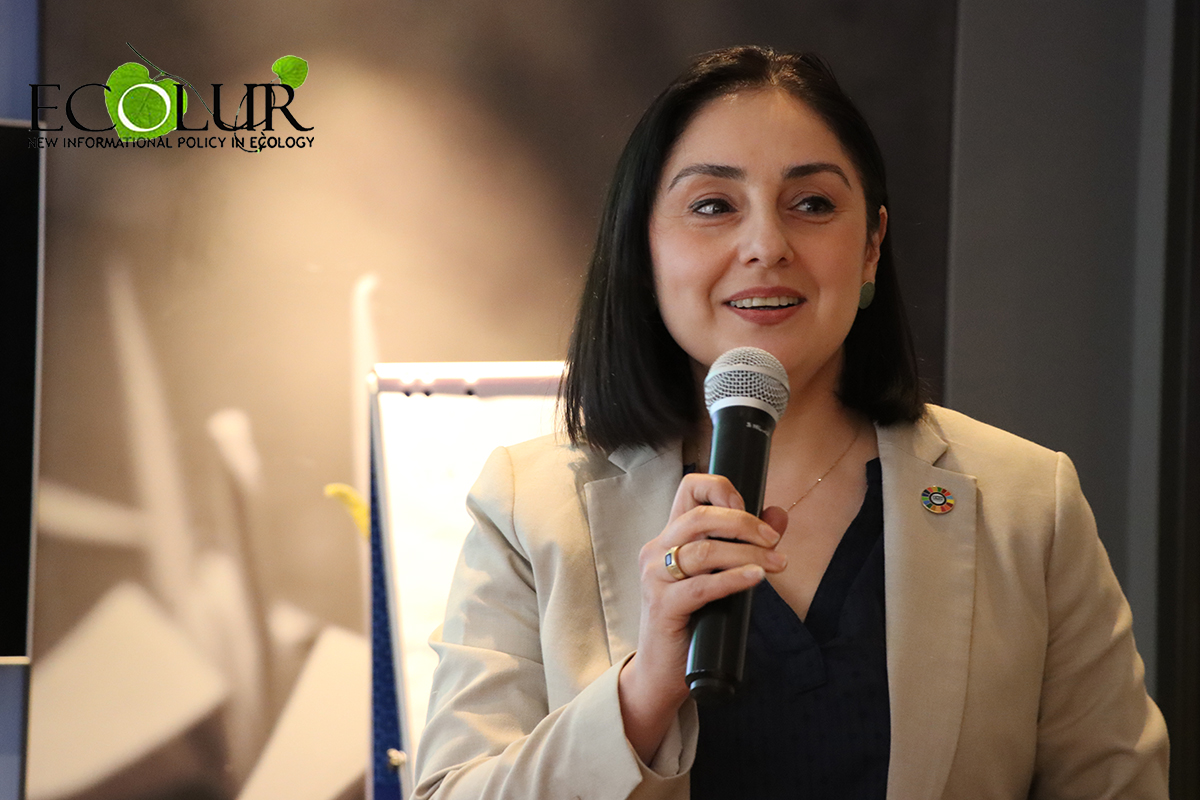
Mari Chakryan, Legal Adviser to the Ministry of Environment, National Coordinator for the Aarhus Convention, and the Ministry’s contact person within the coordinating group responsible for organizing the COP17 Women’s Forum under the Convention on Biological Diversity, discussed capacity-building for women’s NGOs in preparation for COP17, as well as actions and approaches to strengthening women’s participation in the conference.
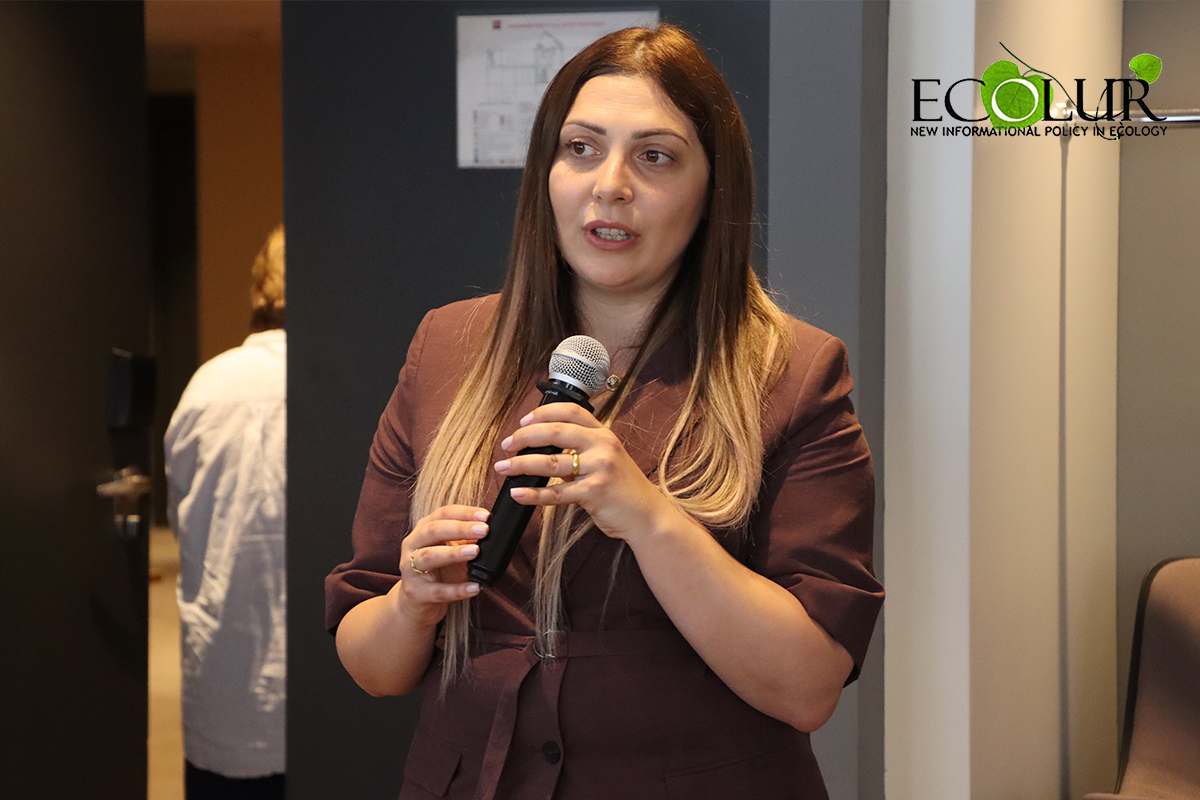
Alla Aleksanyan, Senior Adviser to WWF-Armenia for the 17th Meeting of the Conference of the Parties to the Convention on Biological Diversity, presented ‘Whole-of-Government, Whole-of-Society, Principle for the Implementation of Armenia’s Biodiversity Action Plan and the Kunming–Montreal Global Biodiversity Framework.”
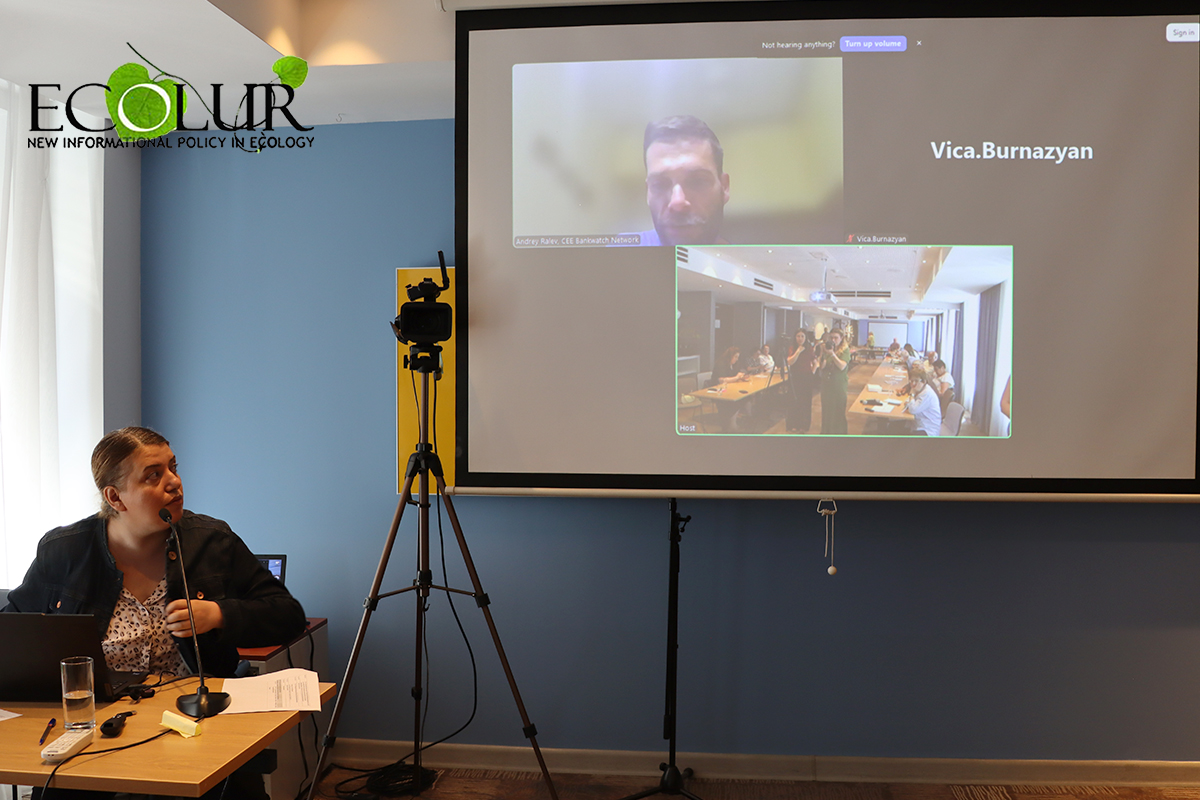
Andrey Raliev, expert at CEE Bankwatch Network, delivered a presentation entitled “Obstacles to Achieving Target 3, ways to overcome them, the issue of reviewing Emerald candidate areas”․
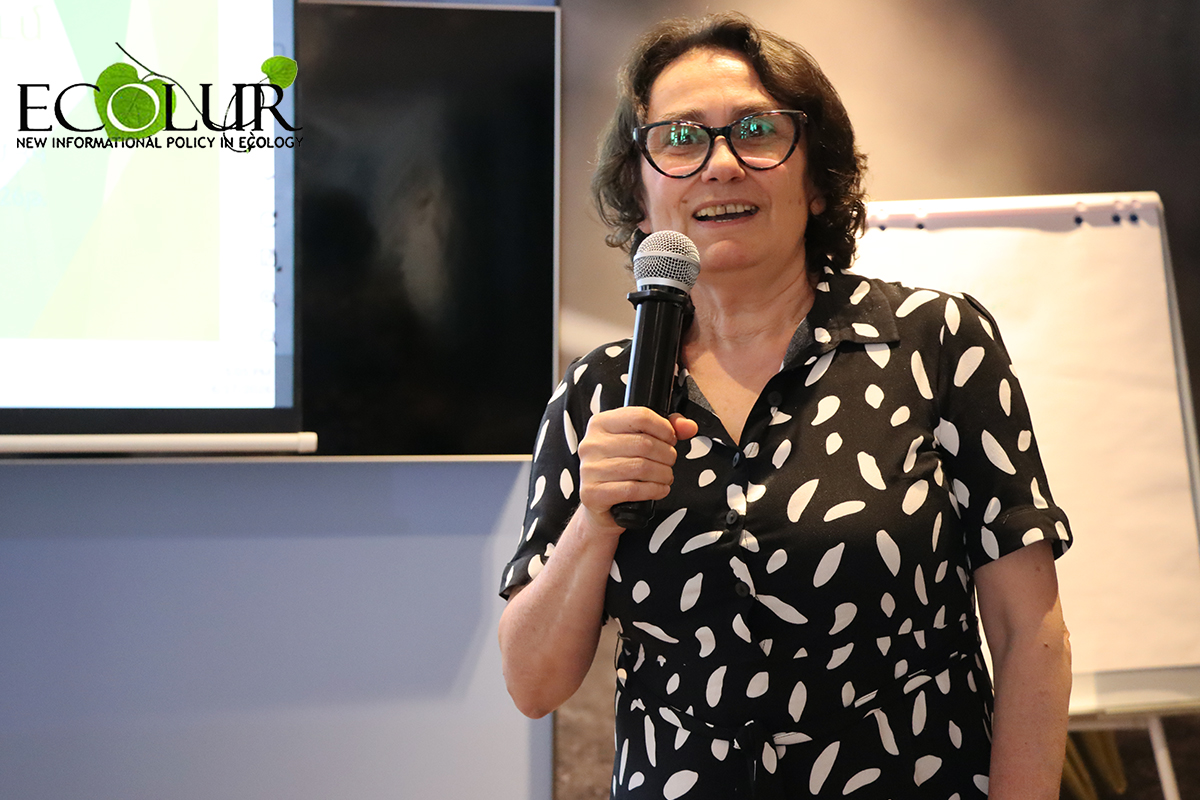
Emma Anakhasyan, an expert from the NGO Armenian Women for Health and Healthy Environment, presented “Gender Equality Integration into Biodiversity Agenda.”
Each presentation was followed by a question-and-answer session.
Inga Zarafyan presented the draft Civil Society Participation Agenda for COP17. It was decided to circulate the document among workshop participants to collect recommendations and coordinate NGO activities related to COP17 preparation, participation during COP17, and follow-up activities after COP17.
To be continued
June 18, 2026 at 15:38