
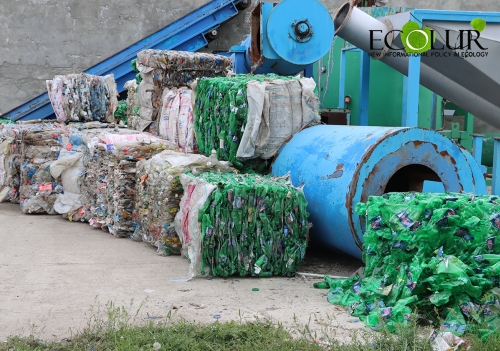
In Armenia, the consumption of alcoholic and non-alcoholic beverages alone generates around 12,000 tons of PET plastic waste annually, or approximately 450 million plastic bottles. However, only a small share of this waste is recycled. The rest ends up in landfills or in the natural environment. In 2025, only 300 tons of plastic were recycled - just 2.5% of the total volume.
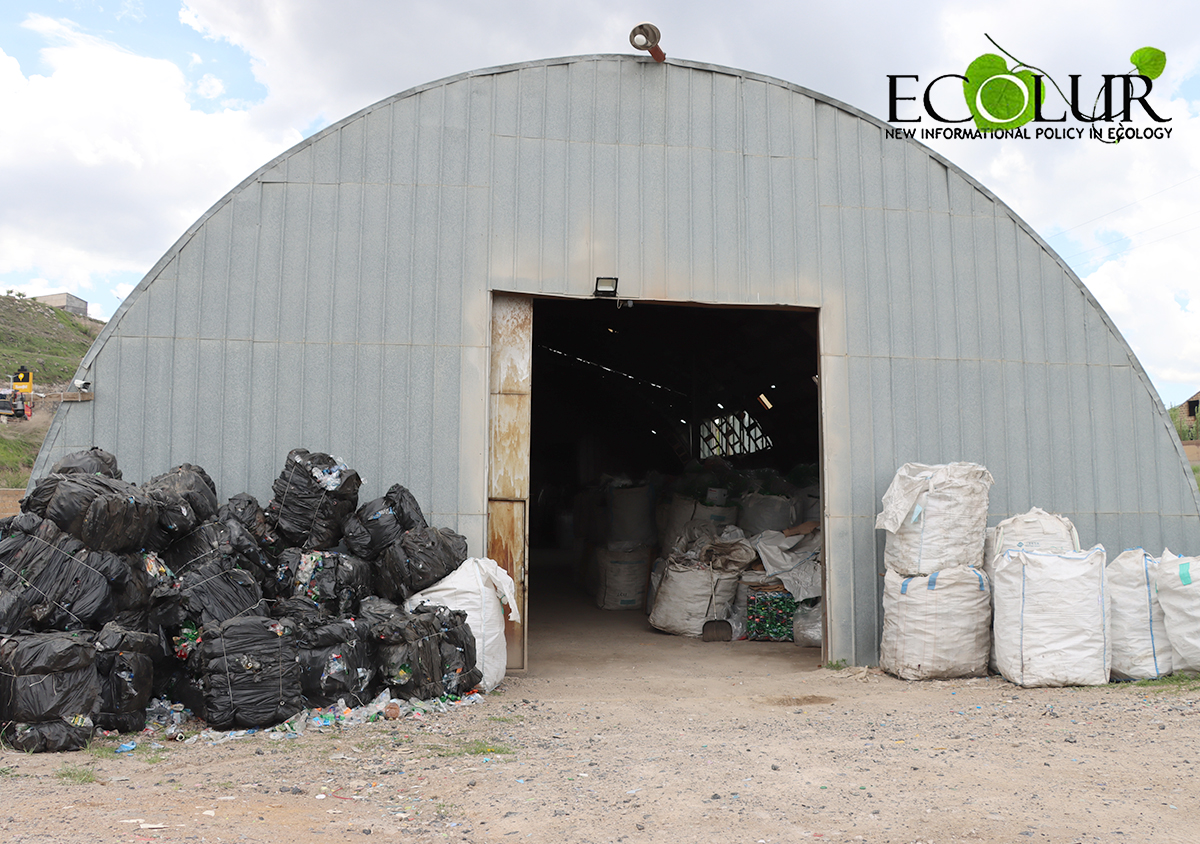
Varuzhan Abrahamyan has been involved in plastic recycling for seven years. In 2019, he founded Nekopolymer. The company currently recycles a maximum of 20 tons per month.
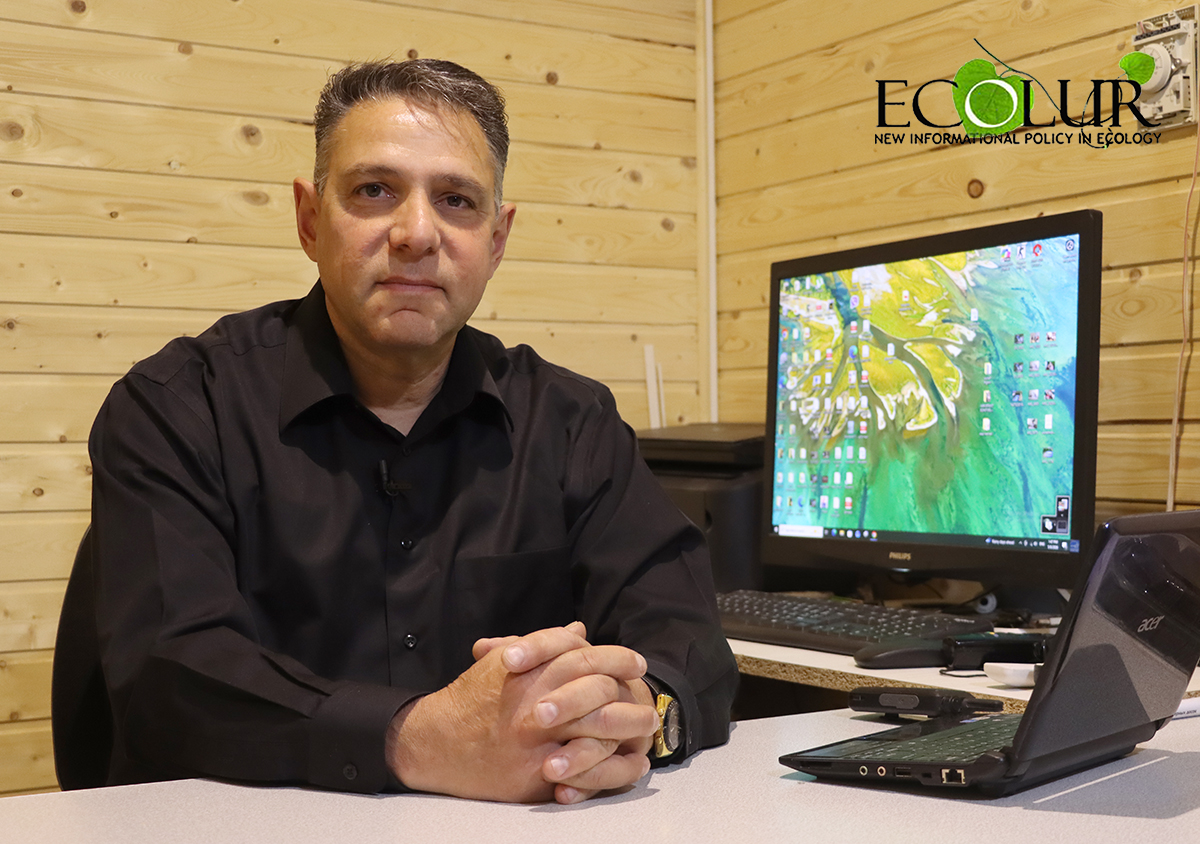
“Our Iranian production line alone is designed for 300 tons per month, but we receive only 5–6 tons from Yerevan. For this business, that is a very small amount. We should be able to recycle at least 100–150 tons per month. But most of the waste goes to landfills and never comes back out,” Varuzhan Abrahamyan told EcoLur.
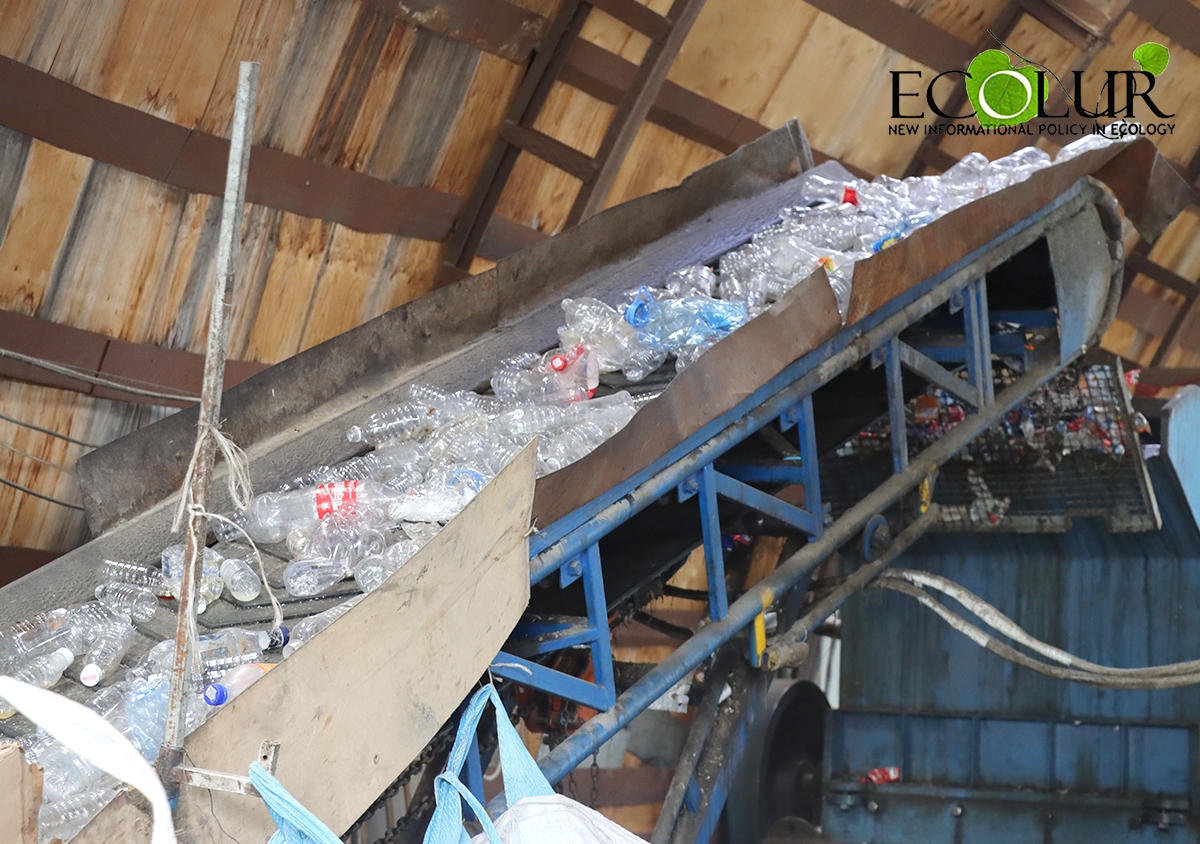
“It would be very good if we were at least given some privileges, or if we could acquire equipment to produce synthetic cotton, nylon threads, or fabric, so that we could use it ourselves inside the country,” Varuzhan Abrahamyan said.
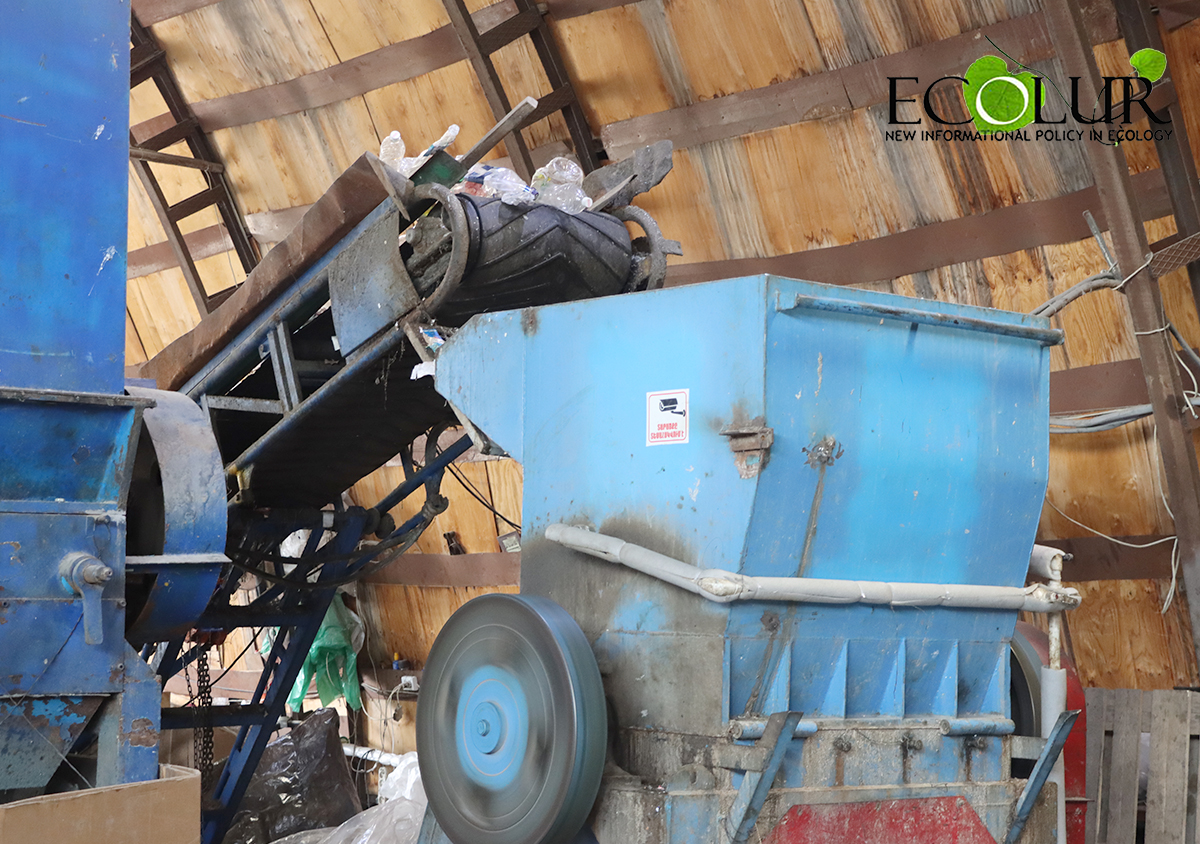
Armenia’s plastic recycling sector has significant development potential. However, without stable collection, state support, and systemic solutions, the recycling chain continues to operate with limited capacity.
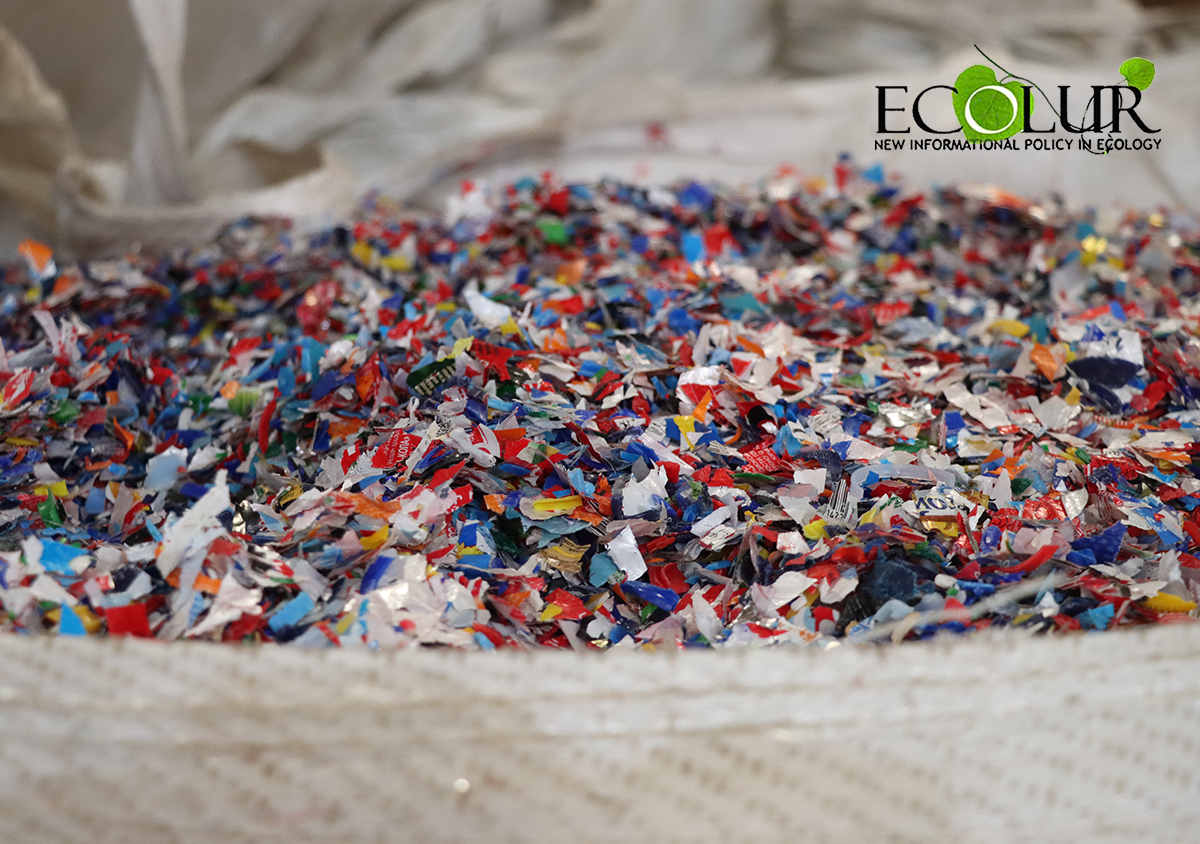
“There is waste, but it does not reach us. If the number of colored bins doubled - to 600, 800, or 1,000 - the current 5–6 tons would become 10 or 15 tons, but even that is not a significant amount for this work. The most important thing is to have equipment-based sorting near landfills, so that waste is separated there,” Varuzhan Abrahamyan said.
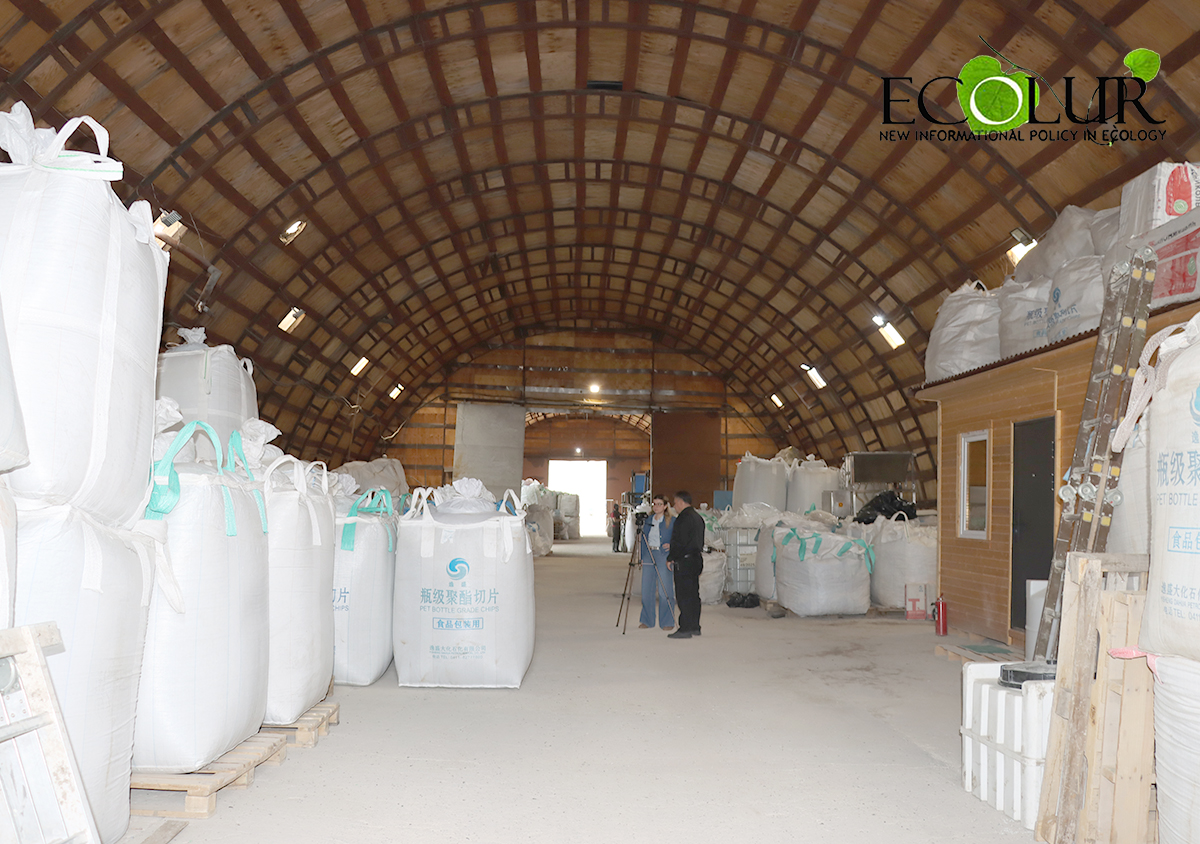
Waste recyclers are waiting for Armenia to adopt the law on the Extended Producer Responsibility system, which would change the logic of waste management.
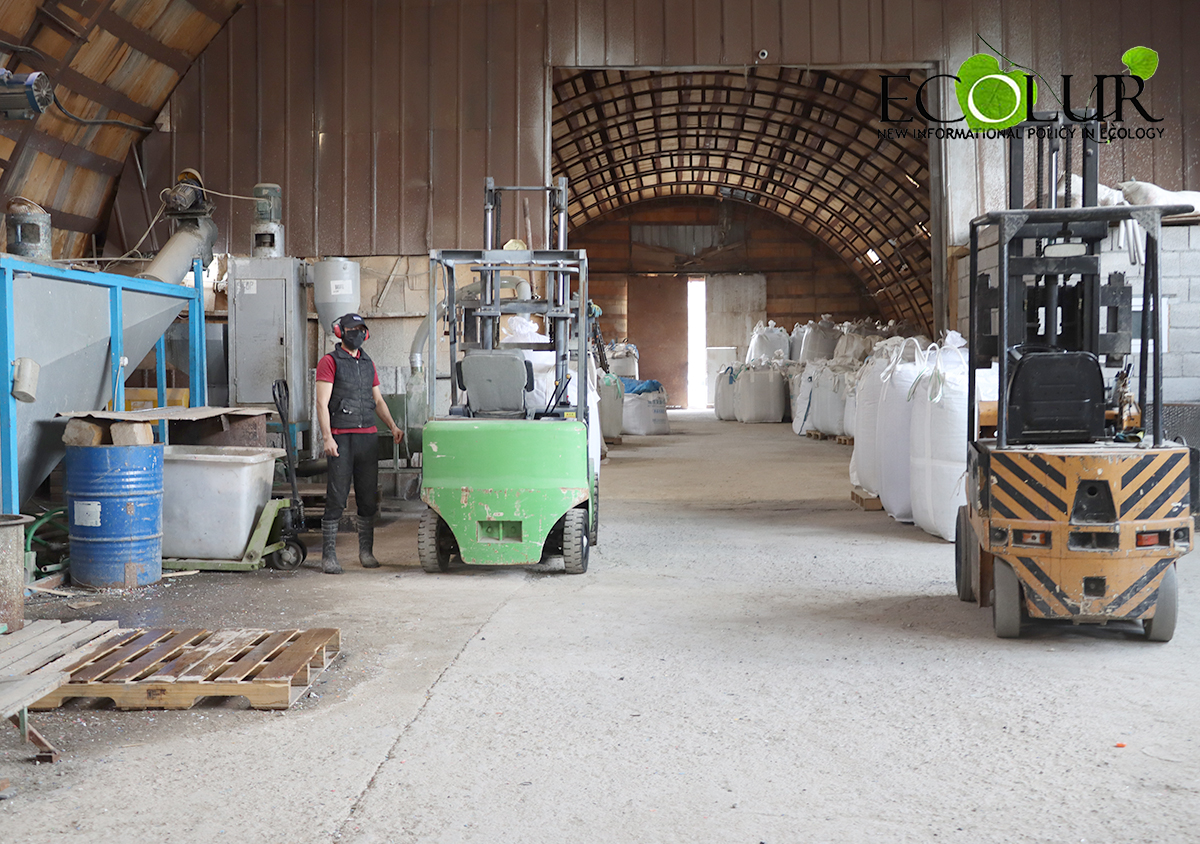
“The law would help a lot. It would somewhat ease the burden of sorting from the municipality and place it on producers. If they produce, they should ensure that a certain amount reaches us or other recyclers. If we know the volume, we can already develop a plan or arrange the production line so that we process 100 or 120 tons per month,” Varuzhan Abrahamyan said.

May 26, 2026 at 17:02