
EcoLur
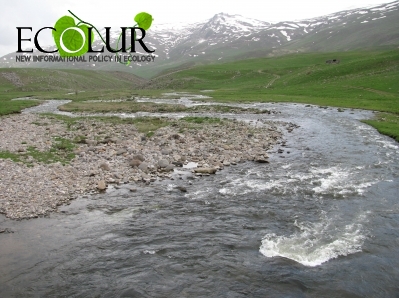
“Mane” SHPP construction project is undergoing environmental expertise. Under the environmental substantiation of the project, “Mane” SHPP will be constructed on the Vorotan River, Syunik Region. The environmental substantiation doesn’t describe SHPP structures, the most important of which is fish passway from environmental viewpoint. It even doesn’t mention the environmental flow planned for SHPP operation, the hydrological description of the Vorotan, fish species in the Vorotan River, the impact of the project on the fish species, annual production of electricity, SHPP project affected communities, the amount of harmful substances emitted into environment during construction etc. That is, all the data needed for environmental expertise are missing. The document, as such, comprises of evaluations and conclusions. According to these evaluations, the negative impact of “Mane” SHPP on nature will be almost zero, as an already existing water scheme will be used. The project also says that as an alternative mean “Mane” SHPP will promote emissions polluting air in Armenia, which is explained in the document as follows: “In parallel with SHPP electricity production decreases electricity production by thermal power plants, and consequently, the amount of toxic emissions generating from gas combustion.” The project outlines in case of “Mane” SHPP construction, the new constructed thermal power plant in Yerevan won’t annually burn 1446 tons of fuel and won’t emit into environment 12.5 kg of carbon dioxide, 15350 kg of nitrogen oxide. Hrazdan TPP won’t annually burn 2892 tons of fuel and wont’ emit into environment 15.0 kg of carbon dioxide and 13 tons of nitrogen oxide.
A question arises here: whether there is arrangement with thermal power plant to reduce their production in parallel with the increase of SHPP number?
"The material was developed in the frames of “Supporting reforms in the sector of small hydro power plants through enabling a dialogue between civil society and the Ministry of Nature Protection for sustainable use of river ecosystems” supported by UNDP/GEF Small Grants Programme".
February 11, 2015 at 14:52