
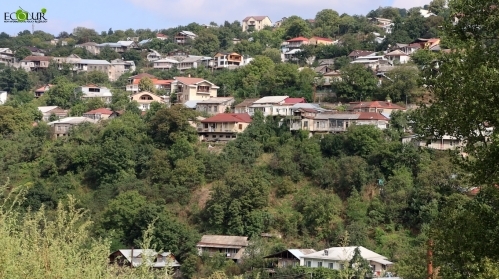
Community-level discussions play an important role in the preparations for the 17th meeting of the Conference of the Parties to the UN Convention on Biological Diversity (COP17), to be held in Armenia in October. They provide an opportunity not only to present existing challenges in biodiversity conservation, but also to understand the expectations and proposals of civil society representatives working at the community level.
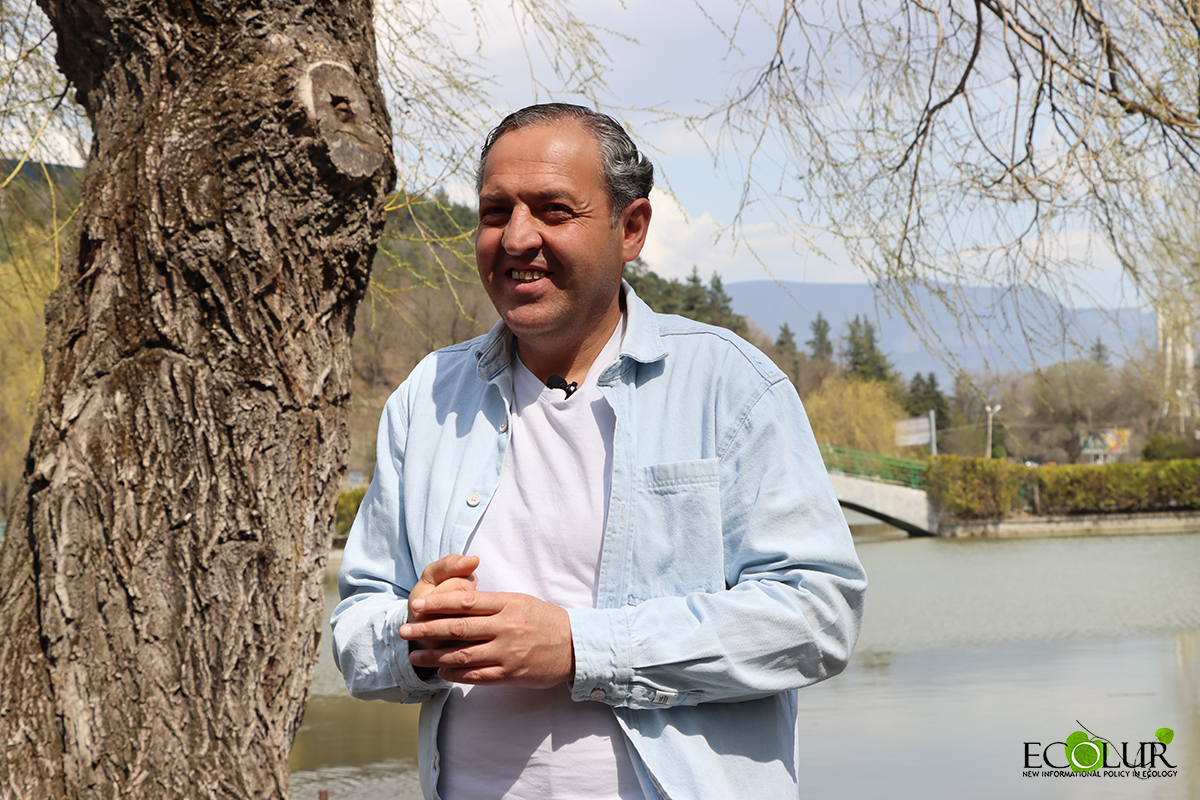
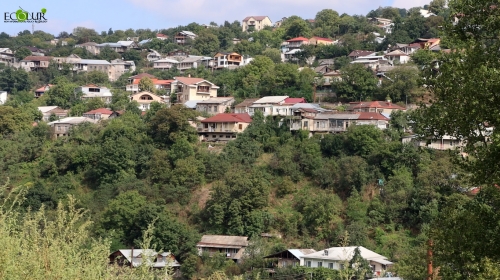
On July 27, the representatives of the municipality, educational and cultural institutions, civil society, and other stakeholders participated in an awareness-raising meeting organized by EcoLur Informational NGO at Dilijan Aarhus Centre. Among the participants was Albert Haroyan, President of Ecopolis NGO and Coordinator of Dilijan Aarhus Centre.
According to him, awareness of COP17 in Dilijan is still insufficient. Although some citizens and organizations are informed about the conference and its agenda, most residents and institutions operating in the community still lack a clear understanding of what COP17 is and why it is important for biodiversity conservation. Organizations and institutions interested in biodiversity, the activities of Dilijan National Park, and nature conservation issues are able to find the necessary information, cooperate, and express their willingness to participate in COP17-related processes.
“I see two cornerstone components to addressing any problem and finding a solution to it. The first is the accessible circulation of information, meaning that the end user—the same civil society and the same residents—must have access to information about the processes taking place around them in general, as well as about biodiversity and COP17-related issues. The participation of active members of the public in decision-making processes is also important,” said Albert Haroyan.
Albert Haroyan proposed establishing a cooperation platform focused on biodiversity conservation, with the participation of Armenia and neighboring countries. “Such a platform could enable different countries to exchange information, organize joint activities, raise common concerns, and work together to find solutions to them,” he noted.
According to him, political or interpersonal disagreements in the region should not hinder environmental cooperation. In his view, the common goal is to live in a healthy and prosperous environment, and the countries of the region can come together around this idea.
Cooperation with Dilijan National Park
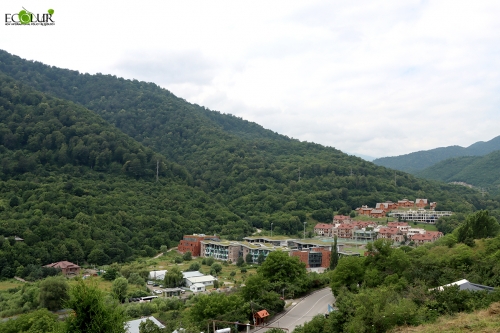
In Dilijan, biodiversity conservation issues are closely linked to the activities of Dilijan National Park. Albert Haroyan noted: “Overall, we actively cooperate with our national park—through our civil society representatives, the Aarhus Centre, and the Ecopolis NGO. We have always cooperated with the national park on educational and awareness-raising activities. The park’s current management plan has also been discussed at the Centre, creating an opportunity for public consultation,” he said.
Climate Change and Nature-based Solutions
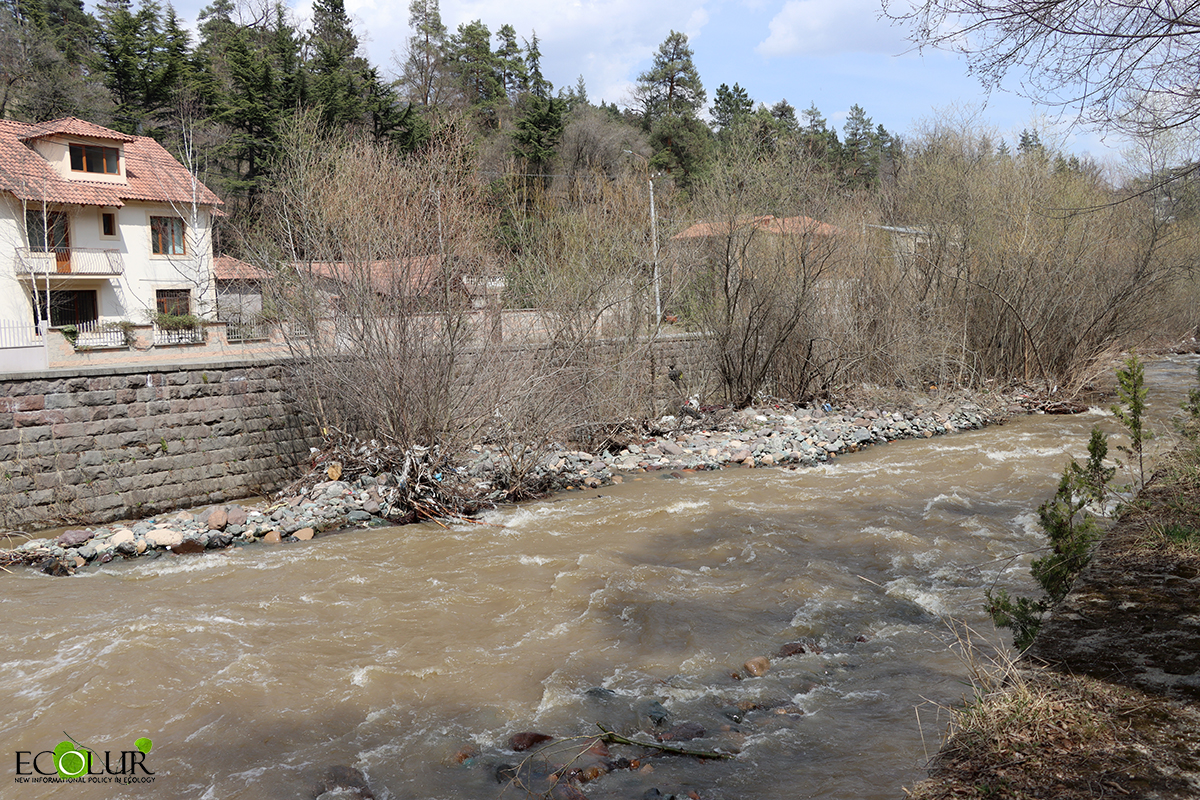
According to Albert Haroyan, the biodiversity conservation agenda in Dilijan is also directly linked to the impacts of climate change. Recently, the community has been experiencing the adverse effects of climatic changes, particularly problems arising from heavy rainfall and flooding of the Aghstev River.
In this context, he stressed the need to incorporate Nature-based Solutions (NbS) into urban planning and community development processes.
“Regardless of how much people say that it is expensive, inaccessible to us, or that we do not understand it, these components need to be incorporated now. It is time to be guided by NbS and to integrate this system into both urban planning and the green concept of communities,” he said.
According to Albert Haroyan, such an approach could help manage disasters and problems that arise in communities as a result of natural processes. He noted that COP17 could serve as a platform for raising these issues at both the international and national levels, particularly by promoting the use of Nature-based Solutions not merely as a concept, but as a practical tool.
“We can raise the issue, we can lobby further so that Nature-based Solutions are finally applied in practice in urban development, environmental protection, and specially protected areas. All of this is necessary; it is time to implement it,” he said.
The meeting was held within the framework of “Supporting Armenia's CBD COP Presidency and Domestic Implementation” project implemented by EcoLur Informational NGO in cooperation with the Fridtjof Nansen Institute and with the support of the Norwegian Agency for Development Cooperation (Norad).
August 13, 2026 at 16:26