
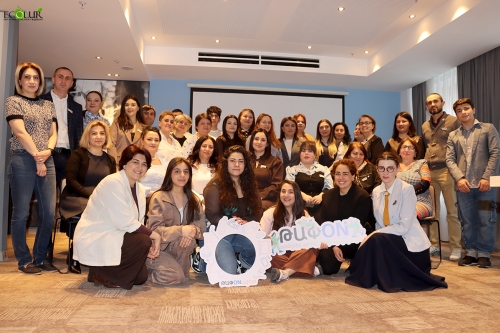
On April 3, 2026, “Center for Public Awareness and Monitoring” NGO initiated a workshop titled “Extended Producer Responsibility: Ideas for Public Awareness.” The representatives from the public sector, local self-government, private sector, and civil society discussed possible approaches to raising public awareness on waste management systems and the introduction of the Extended Producer Responsibility (EPR) system.
The purpose of the event was to develop new prototypes of public awareness approaches on waste management, involving key stakeholders of the sector-from public institutions to business and the education sector.
The EPR system is a tool that makes producers and importers responsible for managing the waste generated after the consumption of their products, from sorting to recycling or disposal.
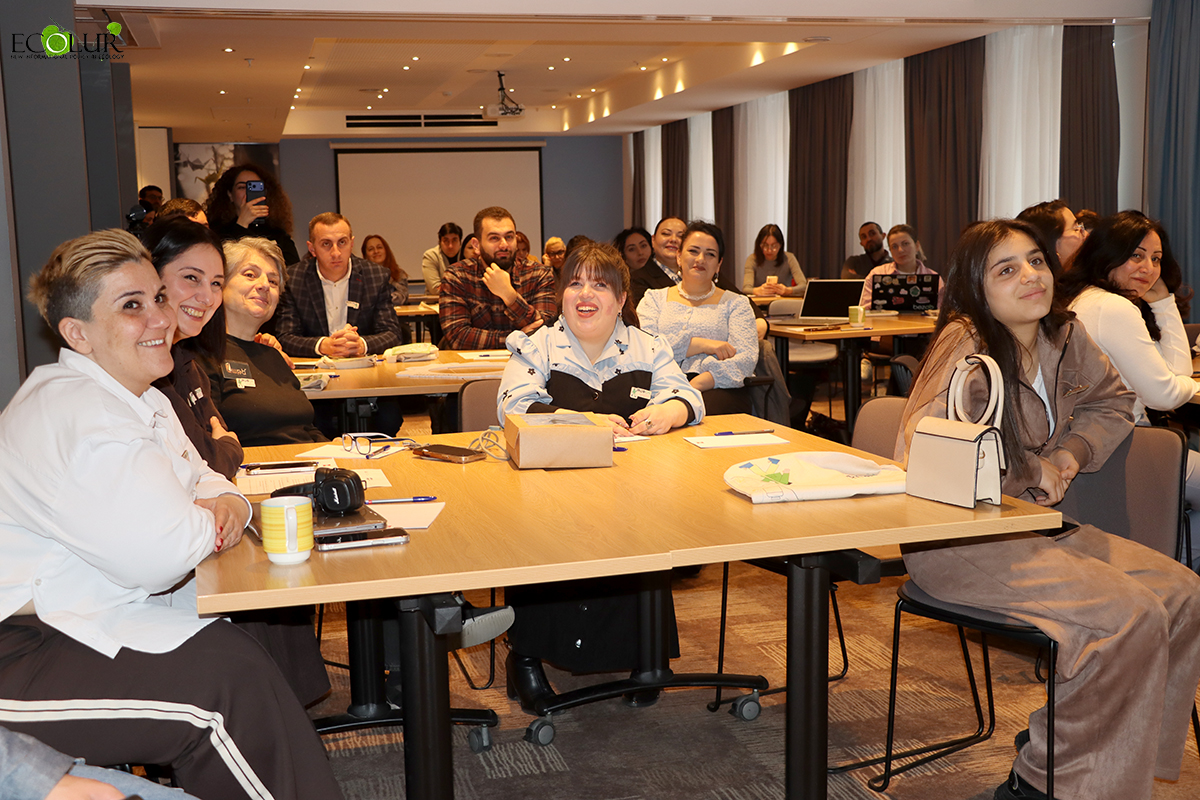

Harutyun Alpetyan, Program Manager of “Waste Policy in Armenia”, emphasized during the workshop that the system is based on the “polluter pays” principle․
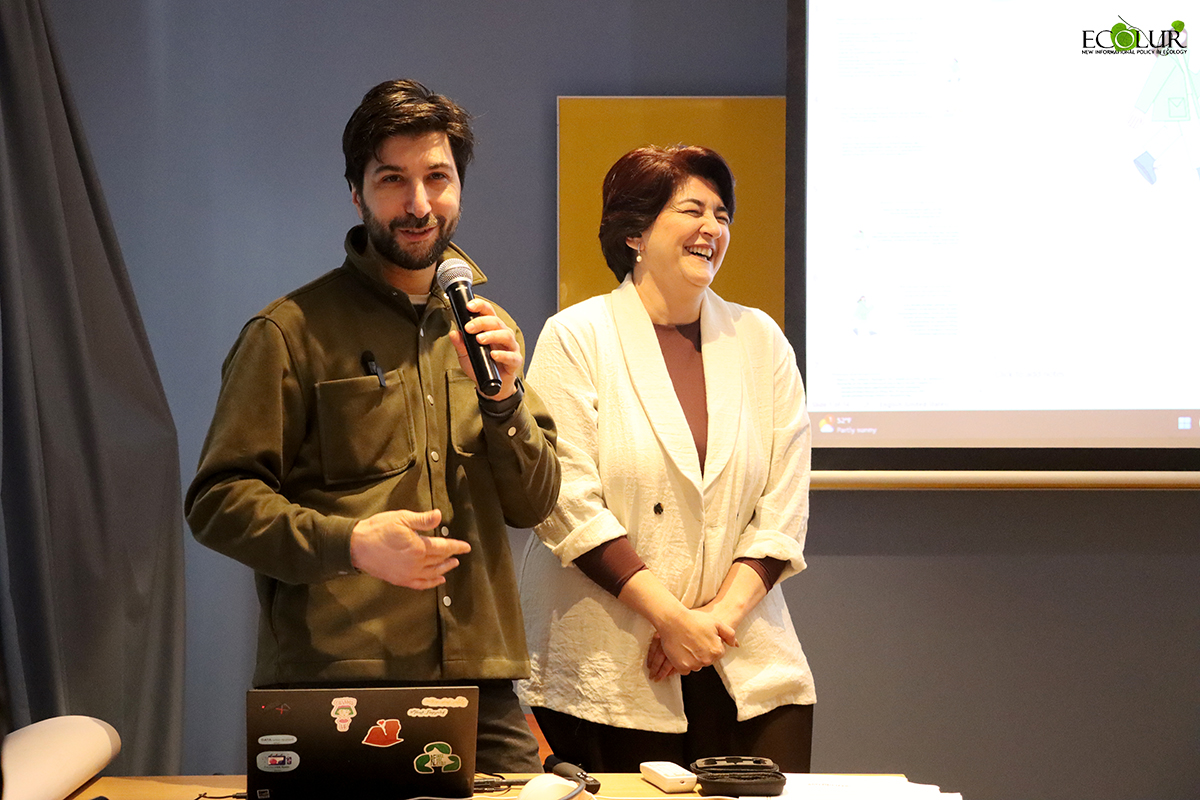
Currently, the draft EPR law is in its finalization stage, and the revised version will soon be submitted for public discussion. Meri Harutyunyan, the representative of the Strategic Policy Department of RA Environment Ministry, noted:
“Any new initiative we try to implement in our country must be guided by public awareness, because changing the law alone is not enough to move the process forward. Waste management is one of the Government’s priorities. However, the real work will begin after the law is adopted, when we start implementing it.” Within the framework of the event, group discussions were used to develop ideas for public awareness campaigns targeting different audiences.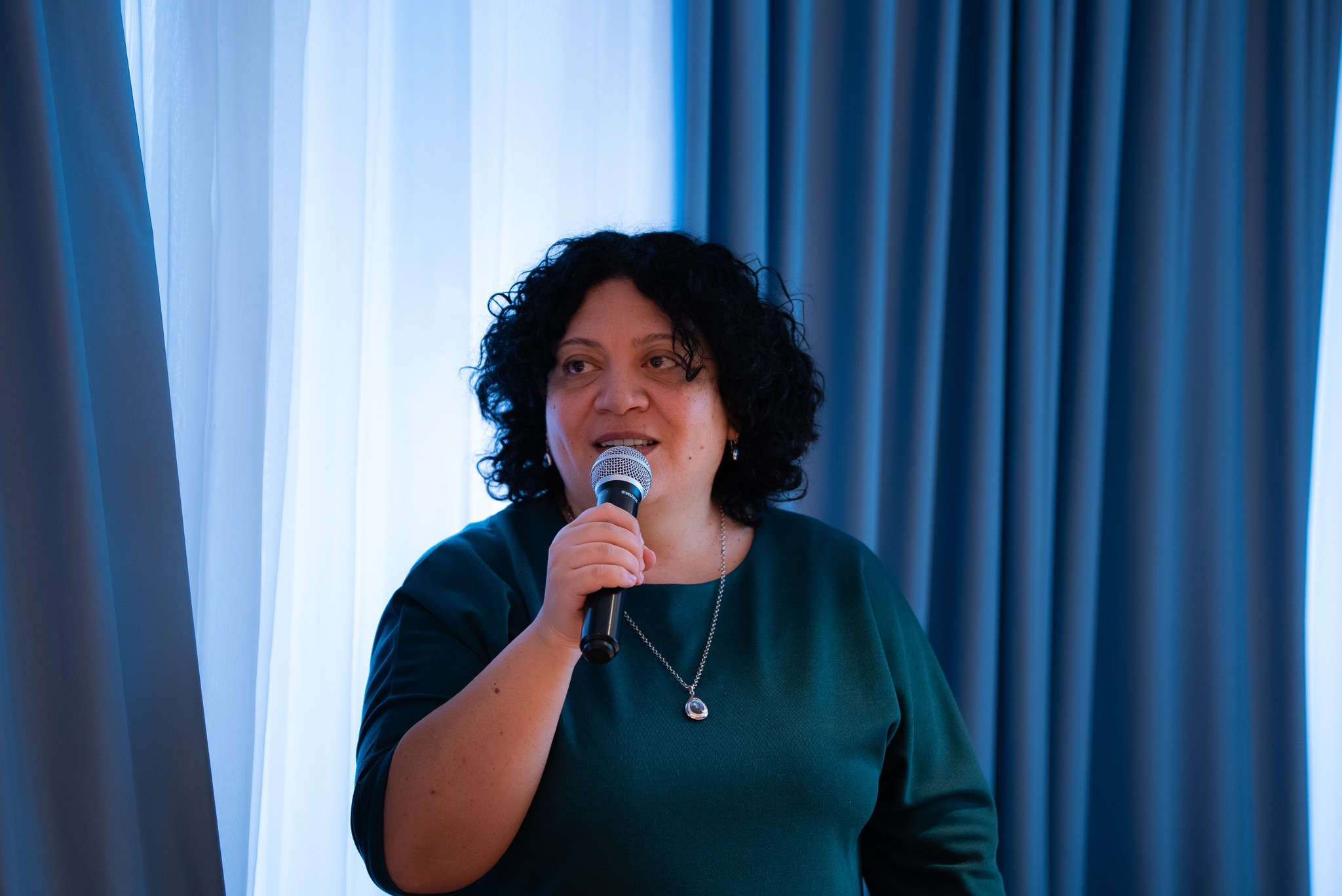
Waste Management and Role of Youth
Mane Madoyan, Program Coordinator at “Center for Public Awareness and Monitoring” NGO, told Ecolur that the core approach of the program is youth engagement as a driving force for change. According to her, although EPR is often perceived primarily as a business-oriented mechanism, its effective implementation requires starting from a broader foundation-public awareness of waste management.
“When we talk about EPR, we must first talk about waste management. Young people are more open to new behaviors and can become carriers of change in their communities. We use this youth potential to form a new attitude and culture toward waste,” she said.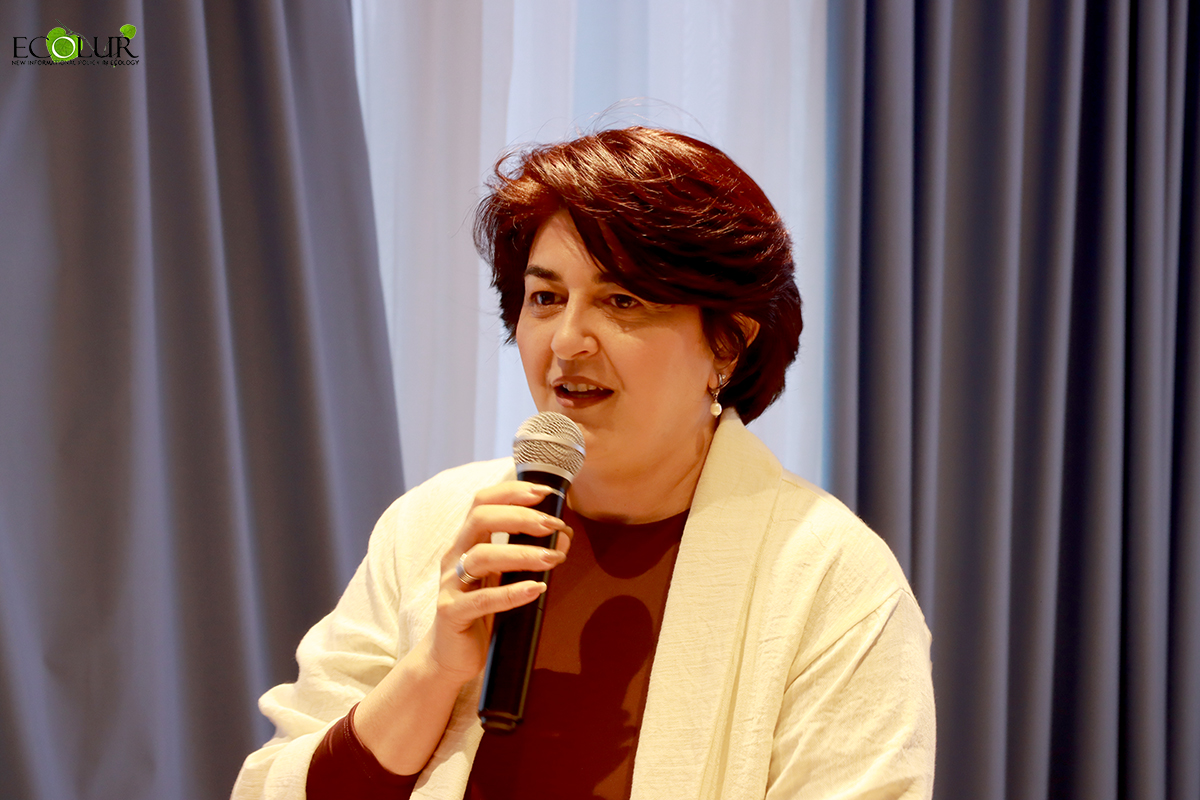
According to her, the EPR system will also bring economic changes, including possible price increases, which makes public awareness even more critical.
“For example, if a plastic bottle costs 100 AMD today, after the changes it may become more expensive. But if people do not understand why they are paying more, natural resistance arises. When they are informed, that resistance decreases,” Mane Madoyan said.
She emphasized that the payment made by consumers should not be perceived as an additional burden, but rather as a targeted contribution toward proper waste management and reducing environmental impact.
The organization’s representative noted that the program applied a multi-layered educational approach: participants engaged with lawyers, business representatives, NGOs, and academic experts, gaining a comprehensive understanding of waste management.
“Our goal was not to deliver lectures. We wanted young people to see the whole puzzle-from legal, economic, and environmental perspectives. This allows them to understand how the system works in real life,” she said.
According to Madoyan, one of the key outcomes of the program is that participating youth are able to transfer knowledge to their communities and act as agents of local change.

This material was created within “Waste Policy Armenia” (WPA) program, funded by Sweden and implemented by the AUA Acopian Center for the Environment, with financial support from Sweden and technical support from AUA.
The views, conclusions, and opinions presented belong to the author(s) and do not necessarily reflect those of the program, the American University of Armenia, or the Government of Sweden.
April 17, 2026 at 17:03