
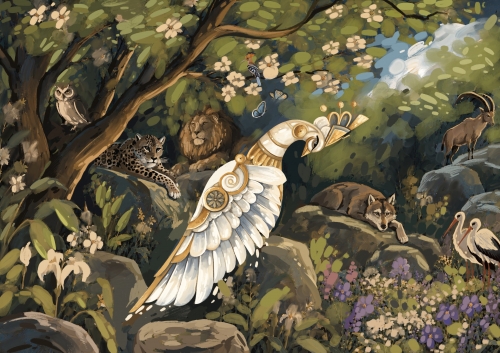
An Armenian folktale becomes a gateway to exploring the connections between biodiversity, traditional knowledge, and cultural memory in a new publication presented on the occasion of COP17.
What can an ancient Armenian folktale contribute to today’s global conversation on biodiversity conservation?
For Sirarpi Khojabaghyan, president of the Carota Cultural and Educational Development NGO, the answer emerged from her research into the connections between nature and culture. This research inspired her to revisit the Bird of a Thousand Songs (Hazaran Blbul) and present it in a new light.
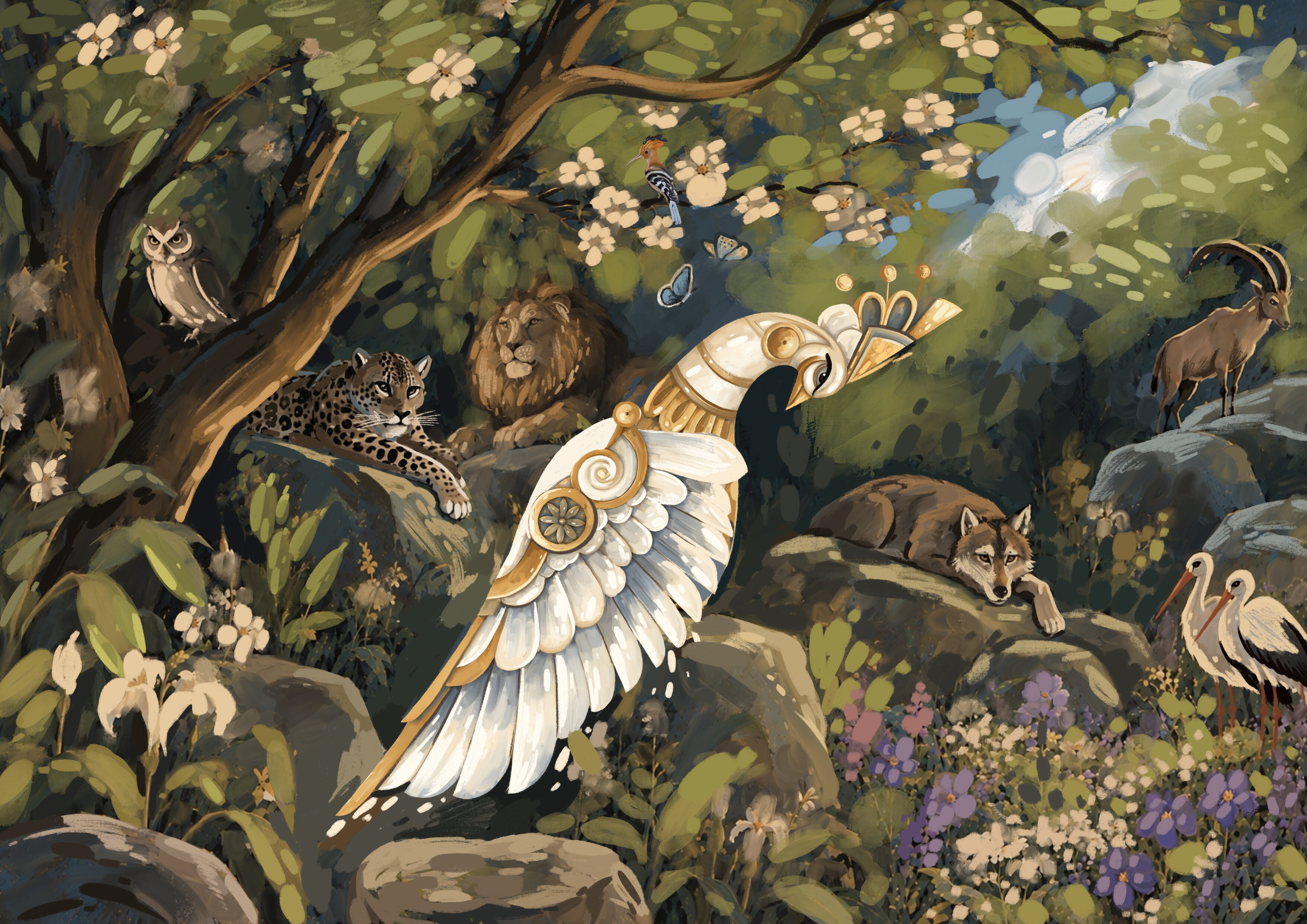
In the tale, the miraculous bird falls silent after being stolen and taken to a royal palace. Neither the king’s wealth nor the palace’s splendour can make it sing. The bird finds its voice again only when Areg returns, the young man who rescued it and helped others along his journey.
“Our aim is to introduce international readers to the ways Armenians have understood and related to nature, and to the knowledge accumulated and passed down through generations. To achieve this, we have combined a traditional Armenian folktale with specially commissioned illustrations and scholarly articles,” says Khojabaghyan, speaking about the book A Bird of a Thousand Songs: An Armenian Folktale and Essays on Nature, Land, and Heritage.
A Folktale That Connects Nature and Culture
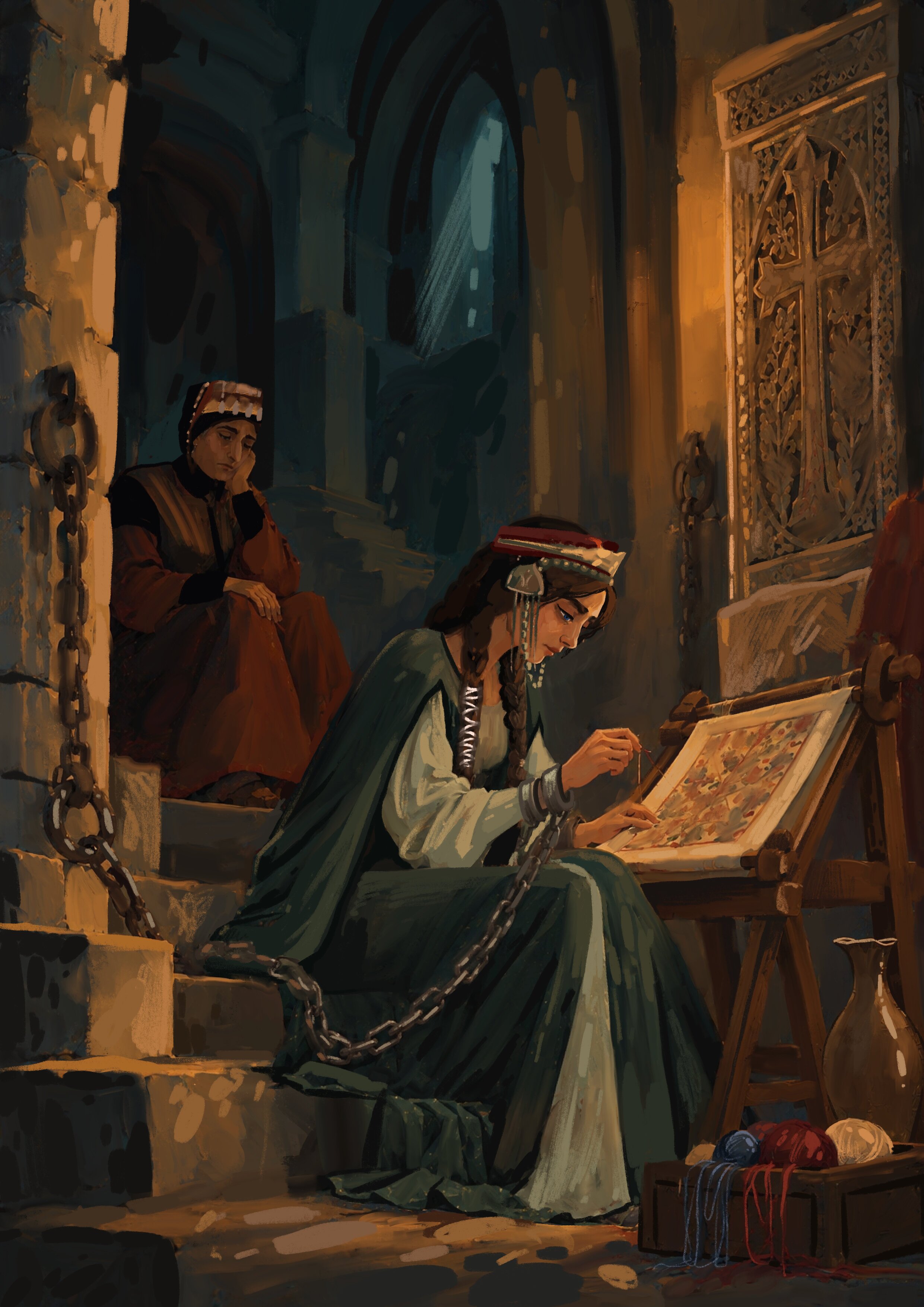
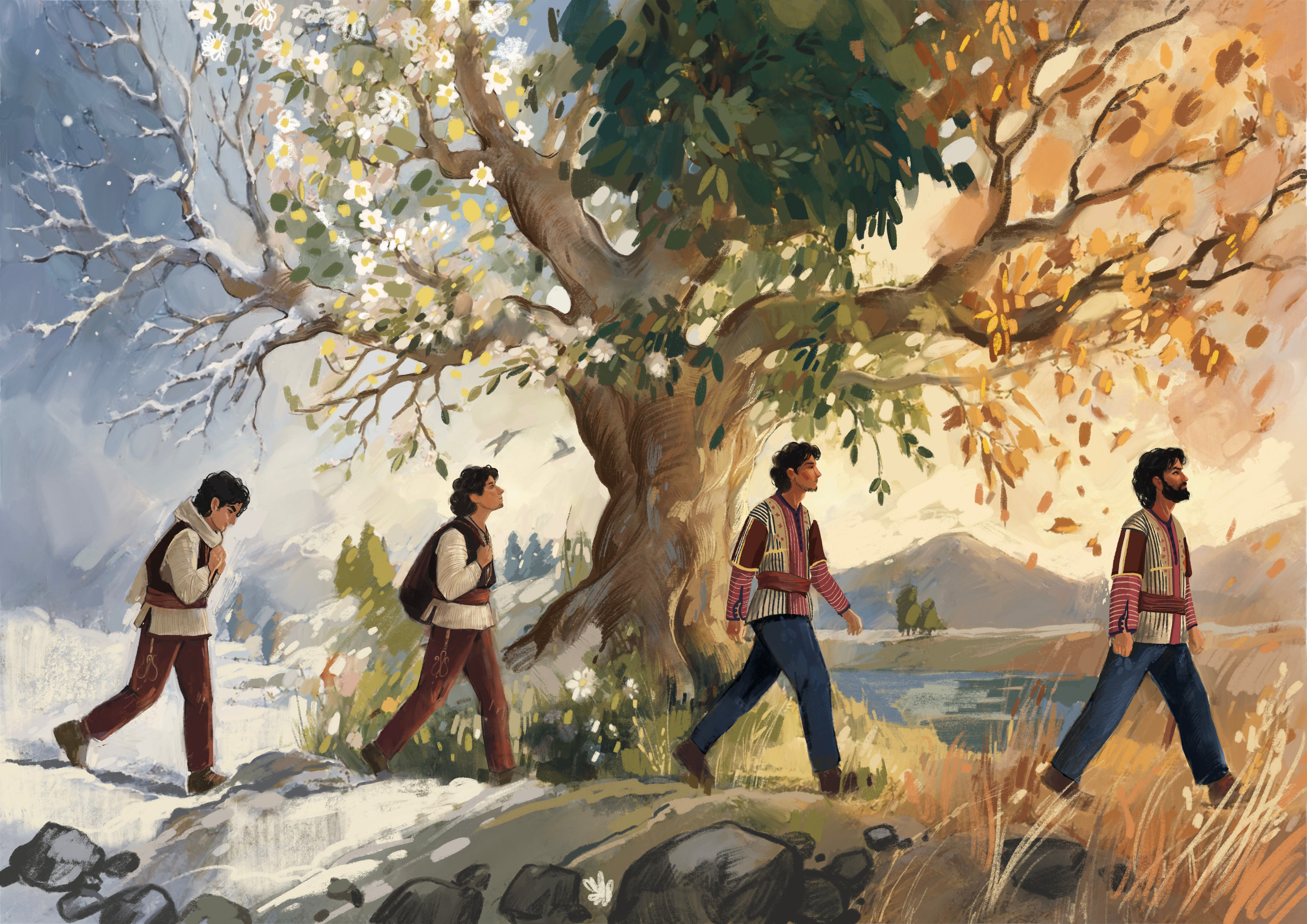
Along his journey, Areg rescues animals, restores access to water, and helps those in need. When his brothers steal the Bird and claim his achievement, it remains silent. Its song returns only when Areg comes back.
The story’s landscapes, plants, animals, and traditions reflect a world in which human life is closely connected to the natural environment.
“We selected ethnographer Seriné’s interpretation of the Armenian folktale Hazaran Blbul for its exceptional richness in natural and cultural imagery. Yet the story’s significance extends beyond its descriptions of landscapes, plants, animals, and traditions,” Khojabaghyan explains.
The tale’s emphasis on care, responsibility, and recognition of others’ contributions resonates with contemporary biodiversity discussions. It suggests that harmony cannot be achieved through material wealth alone; relationships and the way people treat the living world matter, too.
These themes connect with Article 8(j) of the Convention on Biological Diversity, which addresses the knowledge, innovations, and practices of Indigenous peoples and local communities relevant to biodiversity conservation and sustainable use. It emphasizes respecting and preserving this knowledge, involving its holders in its application, and ensuring equitable benefit-sharing. The Kunming-Montreal Global Biodiversity Framework likewise recognizes the importance of knowledge, inclusive participation, and equitable approaches to conservation.
Rediscovering Armenia’s Inheritance
Armenia’s cultural history reflects centuries of interaction with the natural environment. Archaeological evidence points to cereal cultivation dating back approximately 8,000 years, while discoveries at the Areni-1 cave document winemaking practices around 6,000 years ago.
The creation of the Armenian alphabet in the fifth century established a rich written tradition. Armenian scholars explored medicine, philosophy, astronomy, and the natural sciences, while generations of artisans developed distinctive traditions of architecture, stone carving, manuscript illumination, carpet weaving, and embroidery.
For Khojabaghyan, this inheritance is not simply a record of past achievements. It may also offer perspectives on present-day environmental challenges.
“Much of this knowledge continues to live in our communities; some has been lost, and more remains to be discovered,” she says. “I believe Armenia has a great deal to contribute to contemporary efforts in sustainable agriculture, biodiversity conservation, and responsible resource management. Examining our inherited practices through modern scientific research may reveal insights of value far beyond our borders.”
Traditional practices should not automatically be considered sustainable simply because they are old. Their environmental significance must be examined and understood in context. Bringing traditional knowledge into dialogue with contemporary science can help researchers investigate historical changes and better understand relationships between people and ecosystems. It also recognizes communities as knowledge holders whose experience can inform present-day decisions.
From Illustrated Details to Scientific Discoveries
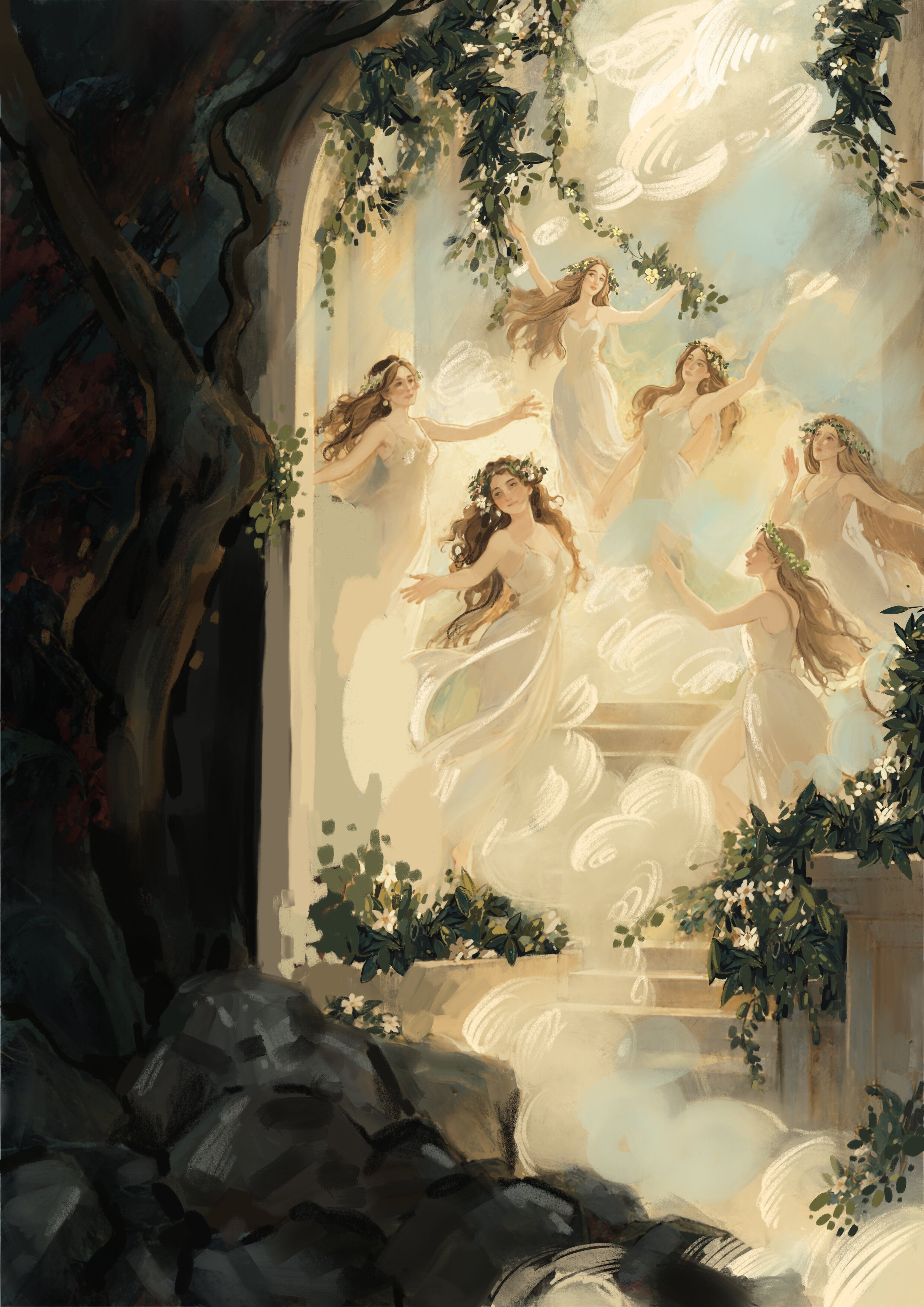
The publication invites readers to explore these connections through the illustrations of Hazaran Blbul. Each incorporates carefully researched references to Armenian heritage, leading readers towards the essays in the second part of the book. A belt worn by the King, a dragon stone beside a mountain river where Areg meets Manush, or a carpet decorating a palace interior can open a window into the histories, materials, and meanings behind familiar objects.

The essays explore prehistoric dragon stones associated with sacred mountain springs, an insect that produces a precious crimson dye, medieval manuscripts preserving knowledge and beliefs about extraordinary plants, the botanical composition of the Armenian sacred meṙon, and the Tree of Life woven into traditional wedding rituals.
The volume features 40 original essays by scholars from a range of disciplines, including archaeology, biology, ethnography, folklore, and art history.
These studies reveal how natural resources and cultural expression have shaped one another. Traditional dye-making draws on knowledge of organisms that produce natural pigments; manuscripts preserve historical knowledge of plants alongside literary achievements; and rituals reflect nature’s influence on cultural beliefs and practices.
Together, these examples demonstrate how cultural heritage can preserve evidence of how people have understood, used, and valued the natural world over generations. They also show why studying heritage alongside scientific research can deepen our understanding of biodiversity and its relationship with human life.
From Heritage to Future Action
COP17, taking place in Yerevan from 19 to 30 October 2026, provides an international platform for discussing biodiversity conservation and the role of traditional knowledge. Through A Bird of a Thousand Songs, Carota seeks to bring Armenia’s cultural and ecological heritage into these conversations and encourage cooperation among researchers, institutions, and communities.
Documenting traditional knowledge is only one step. Its use must respect the rights and interests of the people who hold it, including their participation and approval and, where relevant, equitable sharing of benefits. Meaningful engagement requires listening to communities and recognizing their role in decisions affecting their heritage and environments.
For Khojabaghyan, the publication is both a celebration of what has been preserved and an invitation to discover what remains unknown.
“There are traditions we still practice, knowledge we continue to carry, and an enormous inheritance we have yet to rediscover,” she says.
In Hazaran Blbul, the Bird’s song returns when Areg comes home. In the book inspired by the tale, that song becomes a reminder of the possibilities that emerge when knowledge, care, and cultural memory are brought into conversation with the natural world.
The challenge is to turn discovery into action: support research, respect the communities that carry traditional knowledge, and explore how this inheritance can contribute to biodiversity conservation. Armenia’s cultural heritage holds many stories about the relationship between people and nature. By listening to them, we may find new ways to protect both.
And the Bird still has songs left to sing.
This publication was translated and published with the support of the UNDP/GEF Small Grants Programme in Armenia, within the framework of the "From Local Action to Global Dialogue: Showcasing SGP Armenia’s Grassroots Impact at CBD COP17" project. The views expressed in this publication are those of the author and do not necessarily represent those of the UNDP/GEF Small Grants Programme in Armenia.
October 16, 2026 at 10:54