
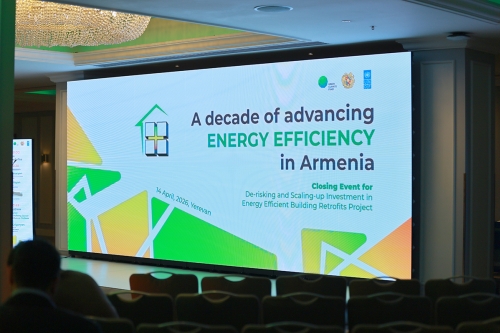
Between 2017–2026, 477 buildings were thermally modernized in 60 settlements across 26 communities in Yerevan and the regions of Armenia, out of which 209 are multi-apartment buildings and 268 are community-owned buildings. As a result of the UN Development Programme (UNDP) project entitled “De-risking and Scaling Up Investment in Energy Efficient Building Retrofits”, energy efficiency in these buildings improved by 20–60%, living conditions of 600,000 people were enhanced, and annual CO₂ emissions were reduced by 32,000 tons (or 640,000 tons over a 20-year lifecycle). These outcomes were presented on April 14, 2026, during the program’s closing event.
The event was attended by representatives of the Government of Armenia, international organizations, the private sector, civil society, and media.
The program was implemented by the United Nations Development Programme (UNDP) in cooperation with the Government of the Republic of Armenia and with the support of the Green Climate Fund (GCF). The GCF provided a $17.4 million grant, with an additional $64.8 million in co-financing mobilized.
Deputy Minister of Environment of the Republic of Armenia Aram Meymaryan stated in his welcoming remarks: “As a country striving for energy security and independence, improving building energy efficiency is critically important for enhancing resilience. The program enabled us to develop our institutional capacities and place them on a solid foundation. It also created a sustainable network of partners who can continue this work when needed.”
Deputy Minister of Territorial Administration and Infrastructure of the Republic of Armenia Arnak Avetisyan noted: “We consider this one of our most successful programs and emphasize its role particularly in changing public behavior related to energy efficiency. I am confident that the program has had significant importance for all of us in shaping energy-efficient thinking. The most important result of the program is the testing, introduction, and successful application of this model, as it represents an effective example of multi-layered cooperation. These concluding discussions provide us with another opportunity to consider how to ensure the continuity and institutionalization of the program’s outcomes.”
UNDP Resident Representative in Armenia Natia Natsvlishvili told Ecolur: “This is a flagship UNDP–Green Climate Fund cooperation program that has addressed three interconnected priorities of Armenia: energy security, energy affordability for households, and climate commitments.
It is very important to continue such cooperation—perhaps not within this exact framework, but through similar initiatives. This program laid the foundation for a very ambitious energy efficiency agenda in the country. It is important to maintain this momentum and keep energy efficiency high on the agenda.”
Natia Natsvlishvili emphasized that Armenia has adopted a highly responsible position regarding its climate commitments. “Hosting the Biodiversity COP17 conference in the country is another example of the leadership Armenia demonstrates at the international level by promoting biodiversity conservation, which is closely linked to climate action. Armenia has always proven to be a responsible partner for the international community, and one that can be relied upon in advancing the global agenda.”
According to her, energy efficiency is now not only part of the Government’s agenda but also a national priority. “And this is the most important lesson Armenia can share with other communities: how climate interventions that deliver tangible results can stimulate broader action and generate greater demand.”
Head of the International Cooperation Department of the Ministry of Environment Ruzanna Grigoryan stated that the country’s strategic vision is a transition toward a low-carbon, climate-resilient, and inclusive economy. According to her, in recent years the legal and regulatory framework has been systematically strengthened, enabling this transition, in which energy efficiency plays a key role.
Ruzanna Grigoryan emphasized that energy efficiency is not only a technical solution but a system of decisions that simultaneously contributes to emission reductions, improved air quality, and conservation of natural resources, while also serving social and economic objectives.
“In the near future, we will continue reforms aimed at advancing green transition initiatives, which will help expand investment opportunities and ensure the broader application of energy-efficient solutions in the country,” she said.
“De-risking and Scaling Up Investment in Energy Efficient Building Retrofits” Project Coordinator Vahram Jalalyan told Ecolur that the program was implemented in four main directions and facilitated the transition from pilot projects to more large-scale initiatives. “We not only demonstrate the effectiveness of insulation technologies, but also present viable financial and business models, as well as solutions to organizational challenges,” he noted.
He emphasized that the climate change component is one of the key elements of the program: “The project is funded by the Green Climate Fund and is aimed at reducing greenhouse gas emissions from buildings.” According to Vahram Jalalyan, even after the completion of the program, these buildings will continue to reduce emissions. Based on the program’s positive experience and developed models, it will be possible to scale up the results and design new targeted programs in this sector.
According to the project’s construction engineer Andre Ohanyan, community-owned buildings included kindergartens, cultural centers, art schools, and other public buildings.
Two approaches were applied in multi-apartment buildings: partial and comprehensive thermal insulation. “In the partial approach, roof insulation or replacement of doors and windows was carried out, while the comprehensive approach also included insulation of external walls,” he noted.
In community-owned buildings, various measures were implemented, including insulation of walls and roofs, replacement of doors and windows, installation of LED lighting, modernization of heating systems, as well as installation of solar photovoltaic systems and water heaters.
According to Andre Ohanyan, the program has resulted in a significant accumulation of knowledge and experience in communities. “The savings have been tangible both in terms of energy consumption and the impact on municipal budgets,” he added.

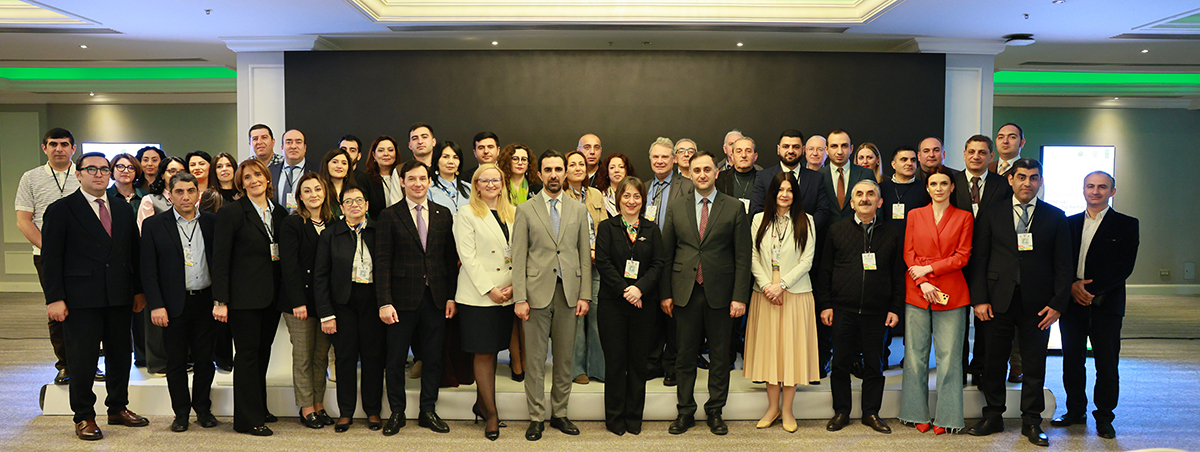
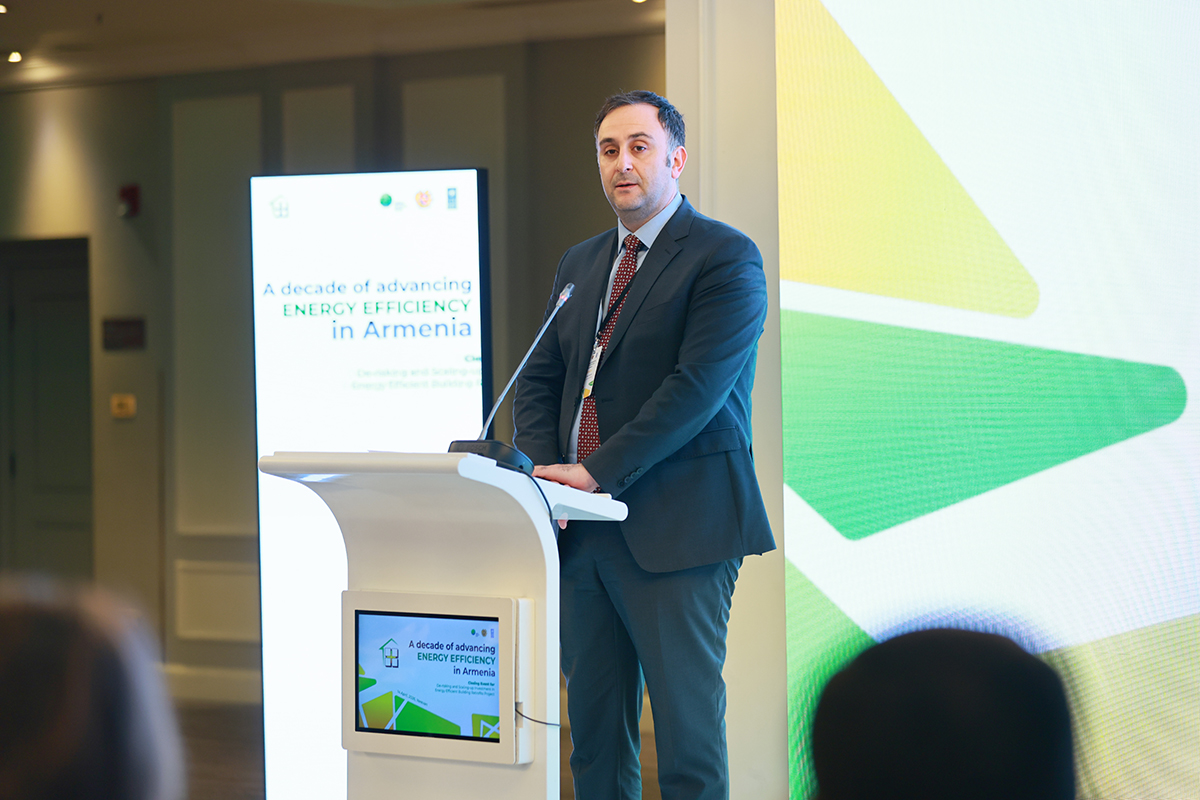
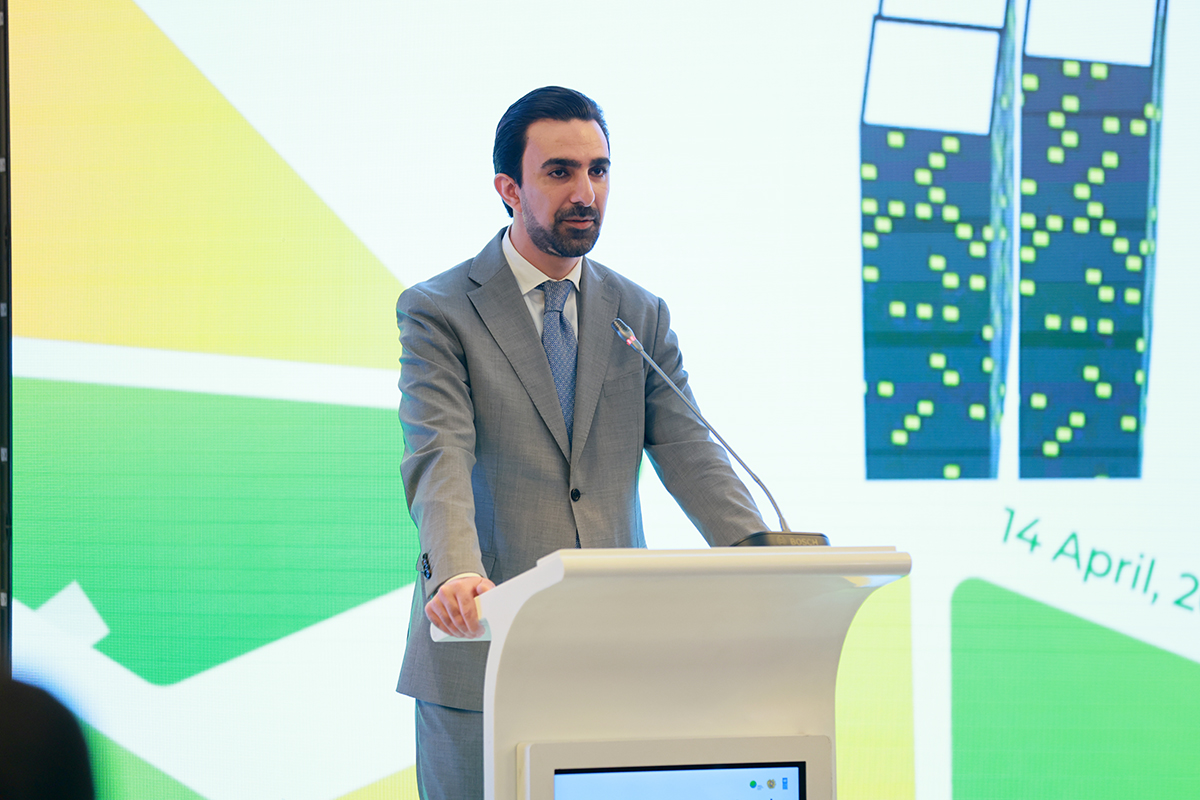

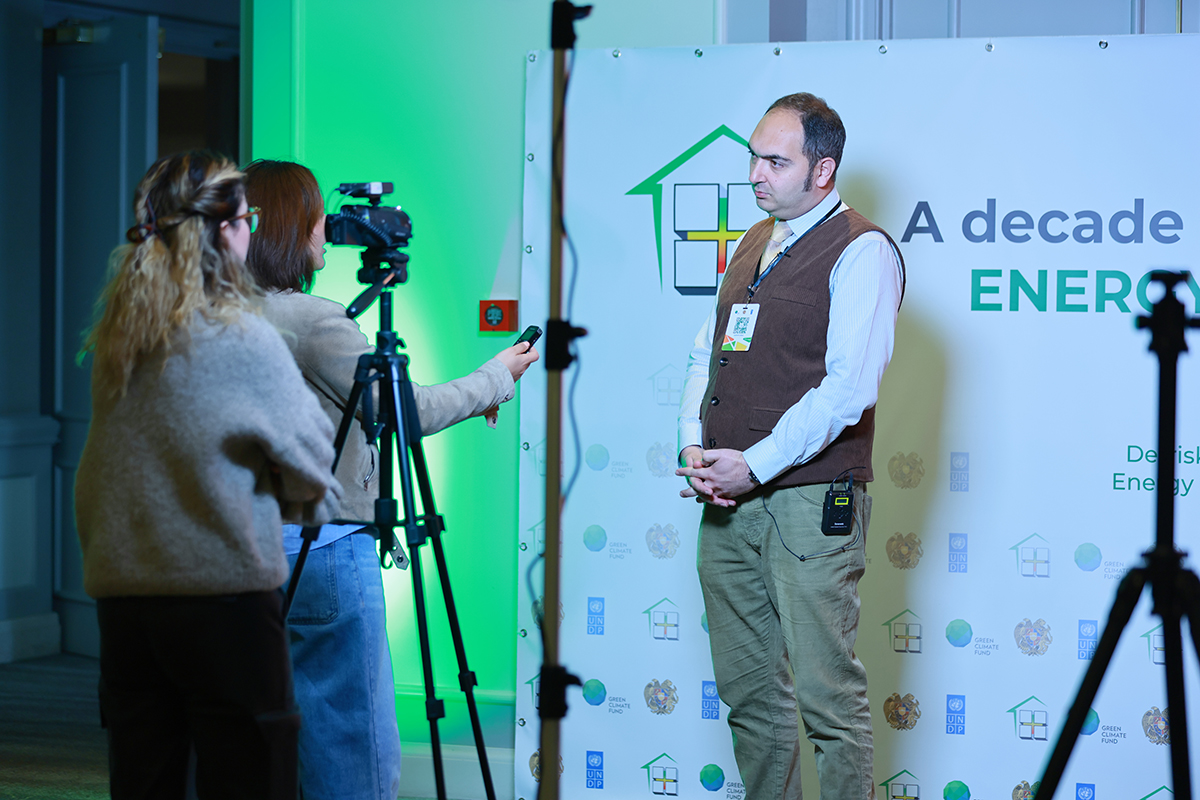
Photo Credit: UNDP
April 15, 2026 at 16:11