

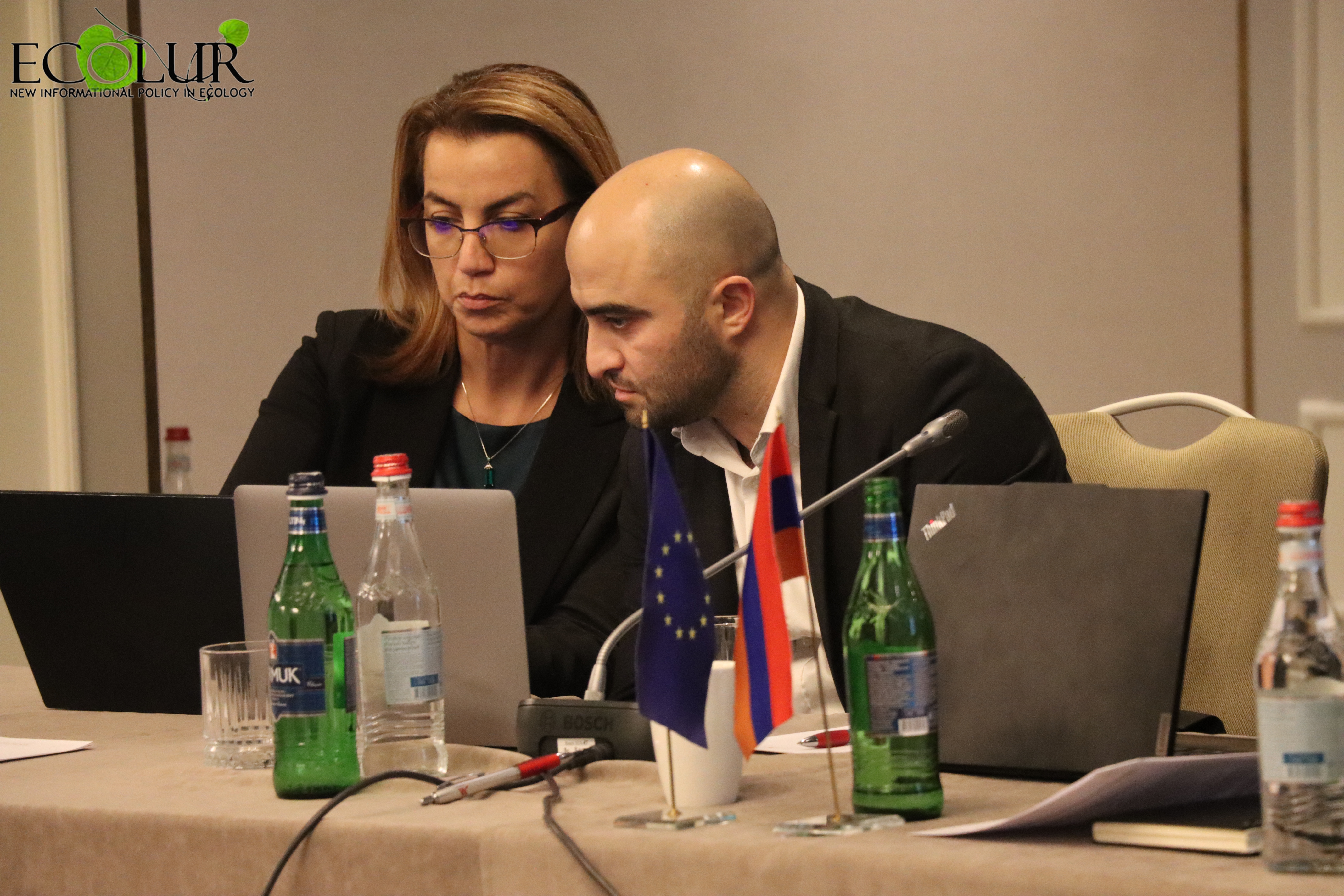
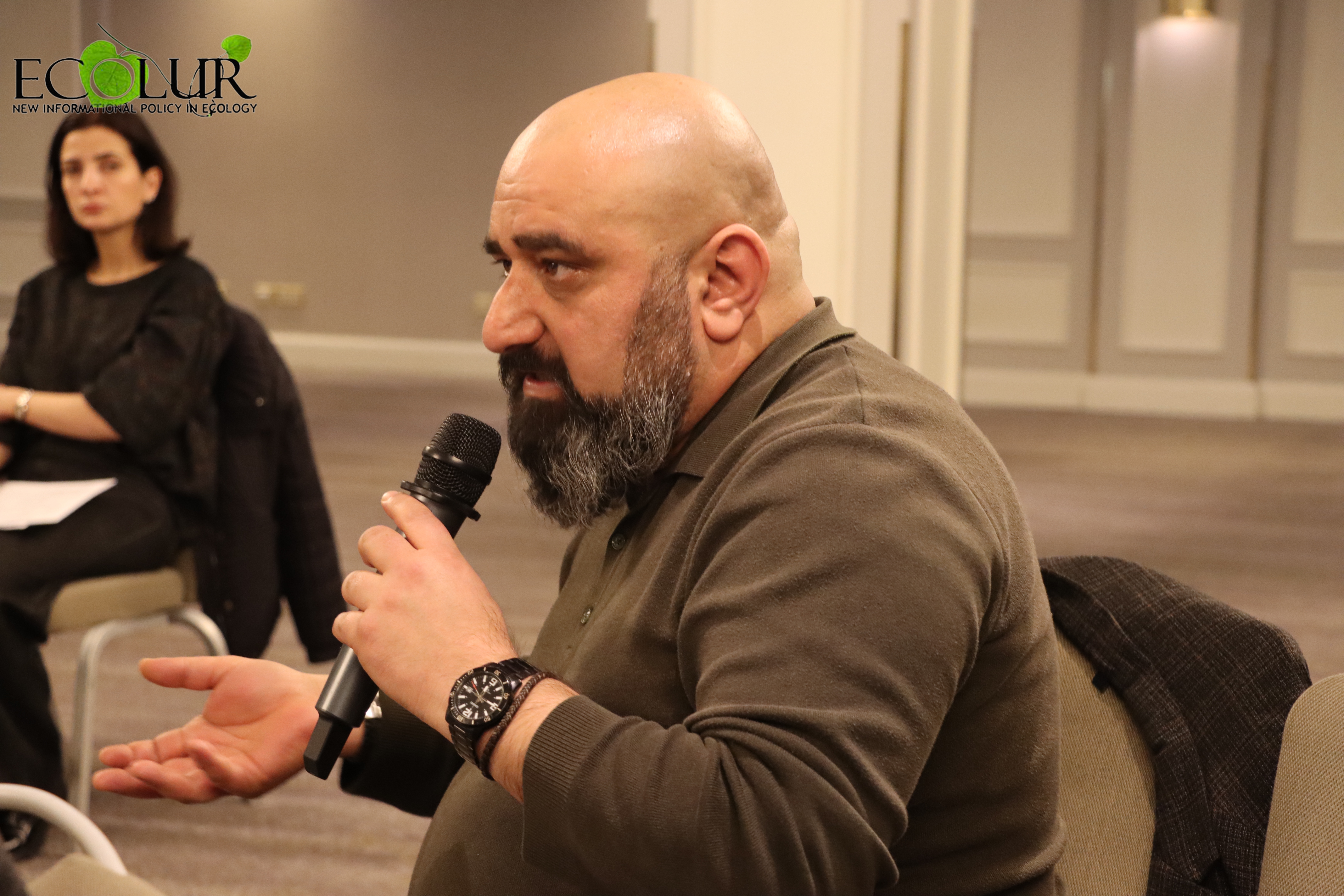
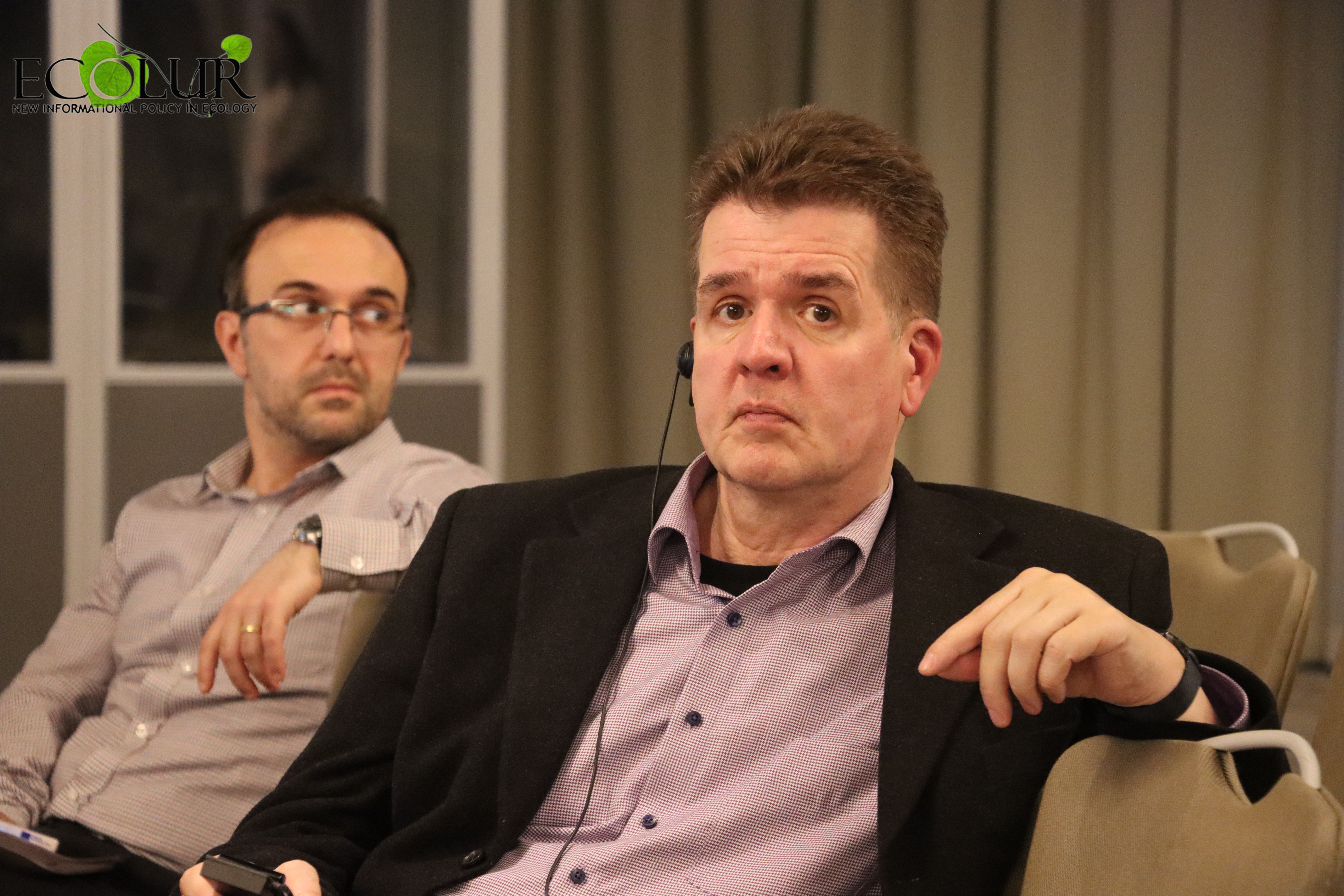
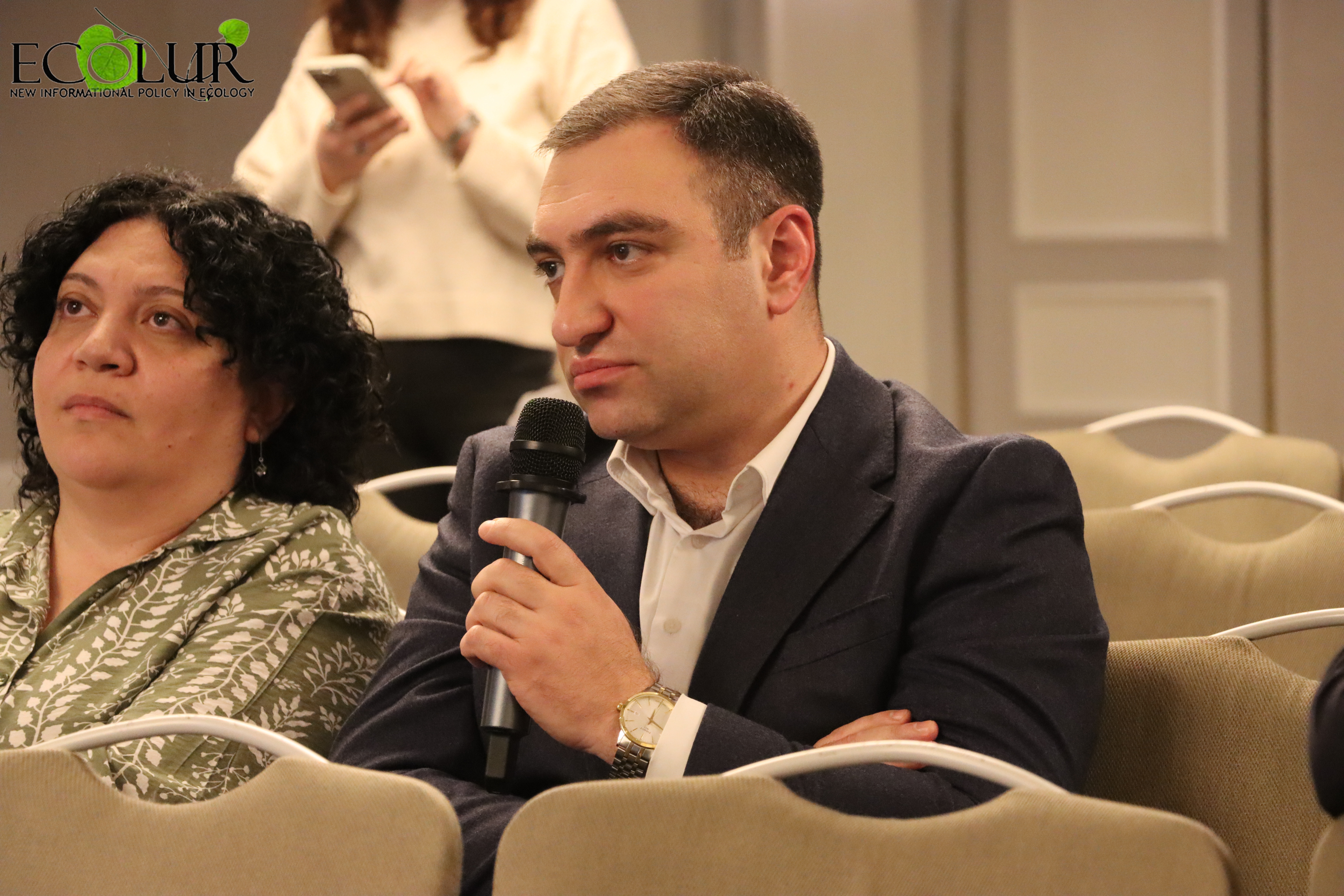
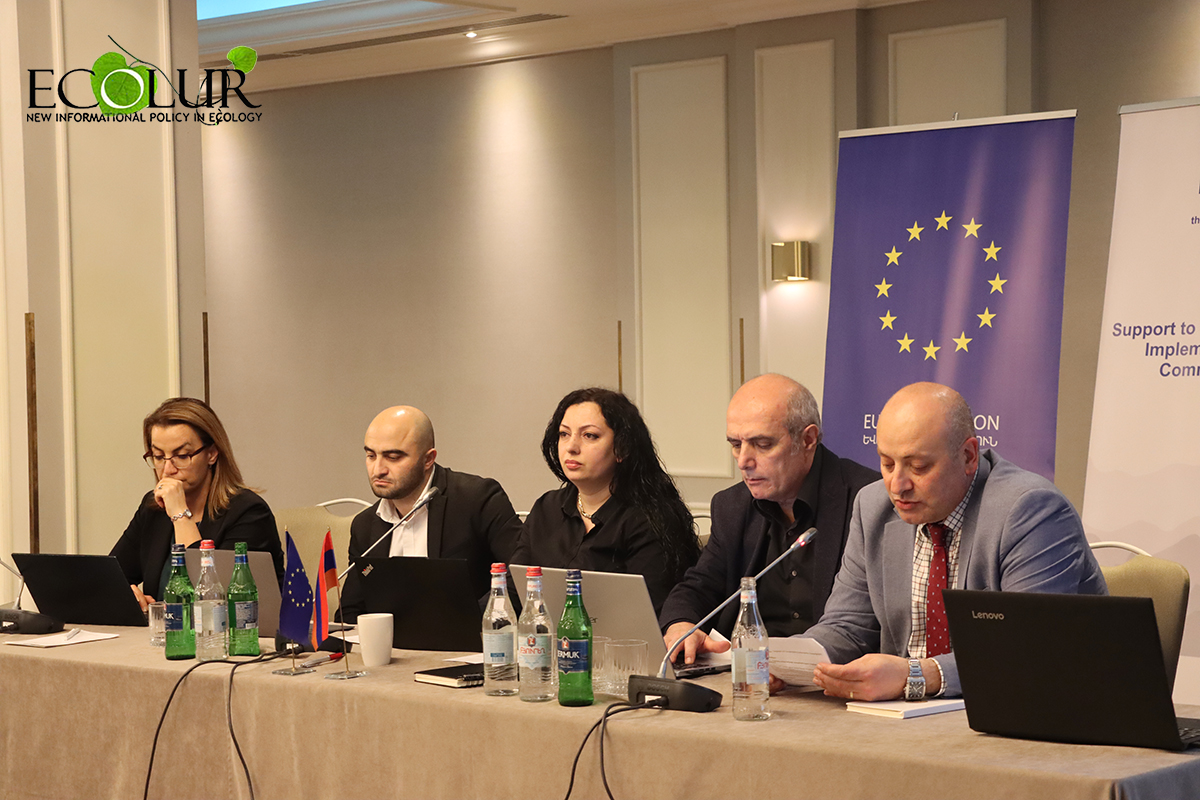
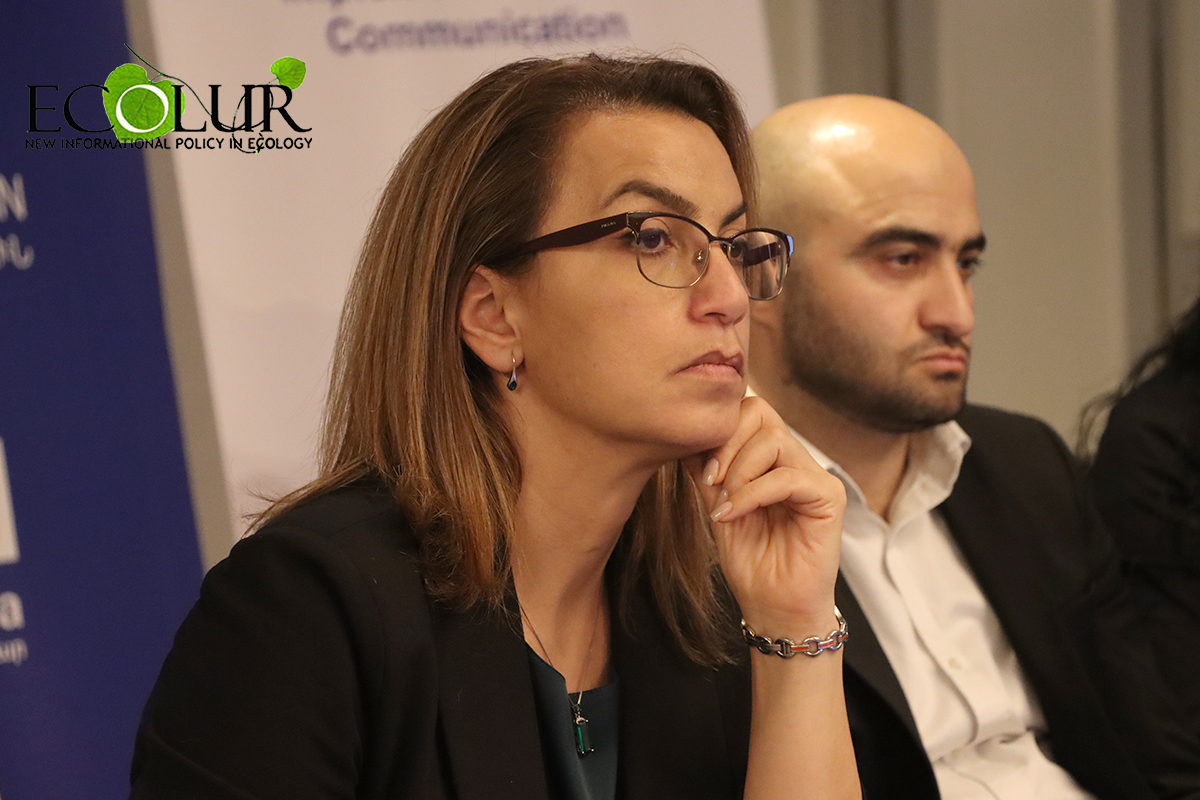
On February 18, 2026, a workshop entitled “Implementation of CEPA from Perspective of Civil Society: From Challenges to Opportunities” was held in Yerevan, where the outcomes of monitoring the implementation of the Armenia–EU Comprehensive and Enhanced Partnership Agreement (CEPA), conducted by independent experts in 2024–2025, were presented. Discussions took place among representatives of state authorities, civil society, and independent experts.
The monitoring was carried out with EU support under “Support to CEPA Monitoring, Implementation and Communication” (ENI/2023/442-873) programme implemented by GOPA Partners in Action for Change and Engagement.
CEPA was signed in 2017 between the Republic of Armenia, the European Union, the European Atomic Energy Community, and their Member States. Armenia committed to approximate its legislation to EU acquis, including in the energy sector.
The report entitled “Monitoring Actions Aimed at Implementing Energy Efficiency Provisions under CEPA” was presented by project expert Astghine Pasoyan.
“We compared European directives with our national legislation, because CEPA sets approximation directions for Armenia. In the energy sector, there are around 74–75 legal acts that Armenia was supposed to approximate by 2026,” Astghine Pasoyan noted.
According to her, the study revealed that certain areas have effectively been left outside the process. In particular, this concerns regulations on energy-consuming equipment such as refrigerators, televisions, and other appliances.
“These technical regulations may conflict with the regulations of the Eurasian Economic Union (EAEU). EAEU regulations are mandatory, while CEPA operates more within a partnership framework. As a result, this entire block was omitted,” she noted.
As a result, according to Pasoyan, the actual work focused on four main directives: energy efficiency, energy performance of buildings, renewable energy, and internal electricity markets.
Roadmap Limitations and Issue of Dynamic Approximation
A fundamental problem has emerged in relation to the CEPA Roadmap.
“Civil servants read their obligations from the roadmap. However, the roadmap refers to old directives and does not specify that approximation must be dynamic. Meanwhile, CEPA requires dynamic approximation — meaning that after each new directive is adopted, a new alignment process must follow. This is how the entire European Union operates. Approximation of directives is continuous and concurrent. You align with the current version, then a new one is adopted, you set aside the old version and continue improving legislation. This does not mean that previous efforts were in vain — directives evolve and enter a new developmental phase,” she explained.
Between 2023 and 2025, new EU directives introduced significant changes in energy efficiency, deep renovation of buildings, and renewable energy. However, according to the findings, no responsible official within the ministries was aware of an obligation to monitor and align with the updated versions.
“The new directives were not translated into Armenian. Officials did not have working materials. The roadmap says nothing about dynamic alignment. Work continued based on outdated documents that have long lost their validity,” she stated.
Rapid Solar Expansion Without Systemic Balance
In the renewable energy sector, Armenia has recorded rapid growth in recent years, particularly in solar energy. However, as Pasoyan noted, this development has not been accompanied by parallel development of the electricity system.
“Solar systems are expanding and generating electricity faster than our energy system can absorb and distribute it. Solar generation is not time-regulated. You cannot instruct it to produce now or later in the evening when you need it. As a result, it begins competing with thermal power plants and even with the nuclear power plant,” she said.
At the same time, there are infrastructure challenges within the electricity distribution network.
“The electricity generated must be transmitted and delivered to consumers. But there are technical losses and voltage issues in the grid. The Electric Networks of Armenia cannot successfully manage the full volume,” she noted.
According to Pasoyan, these two factors combined have created a systemic balancing problem. She emphasized the necessity of energy storage.
“If we want solar energy to be manageable and reliable, it must be stored. Without storage, it creates peaks at times when consumption is at its lowest.” She also raised concerns about land use implications.
“If you convert fertile agricultural land into energy land, you reduce food security. If panels are installed close to the fertile soil layer, it can be damaged. And when the plant’s lifespan ends after 35 years, what will happen to that land?” she asked. According to her, there is no clear strategy on how land will be restored or how future waste from solar installations will be managed.
February 23, 2026 at 14:21