
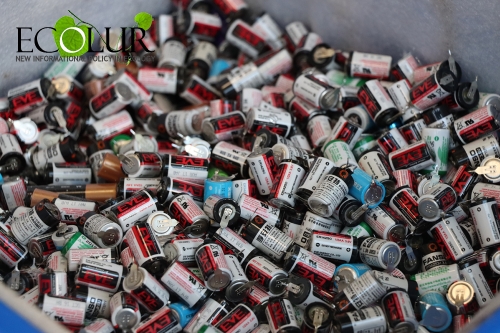
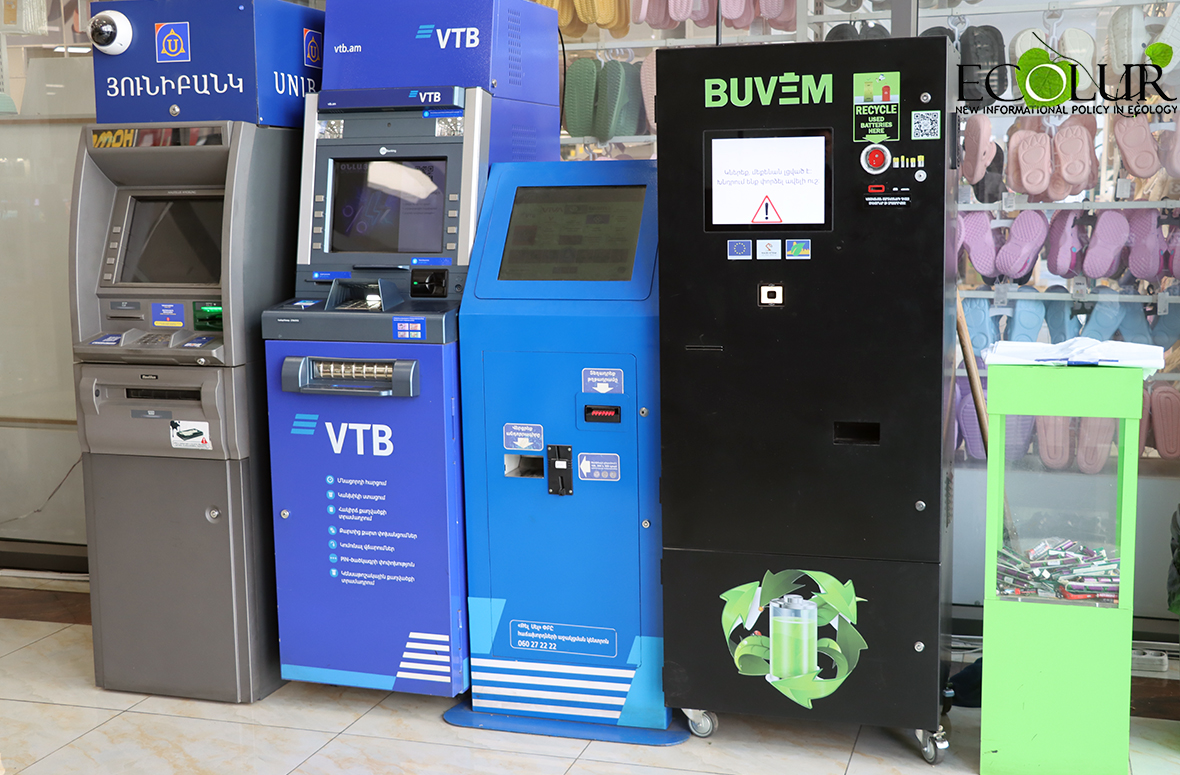
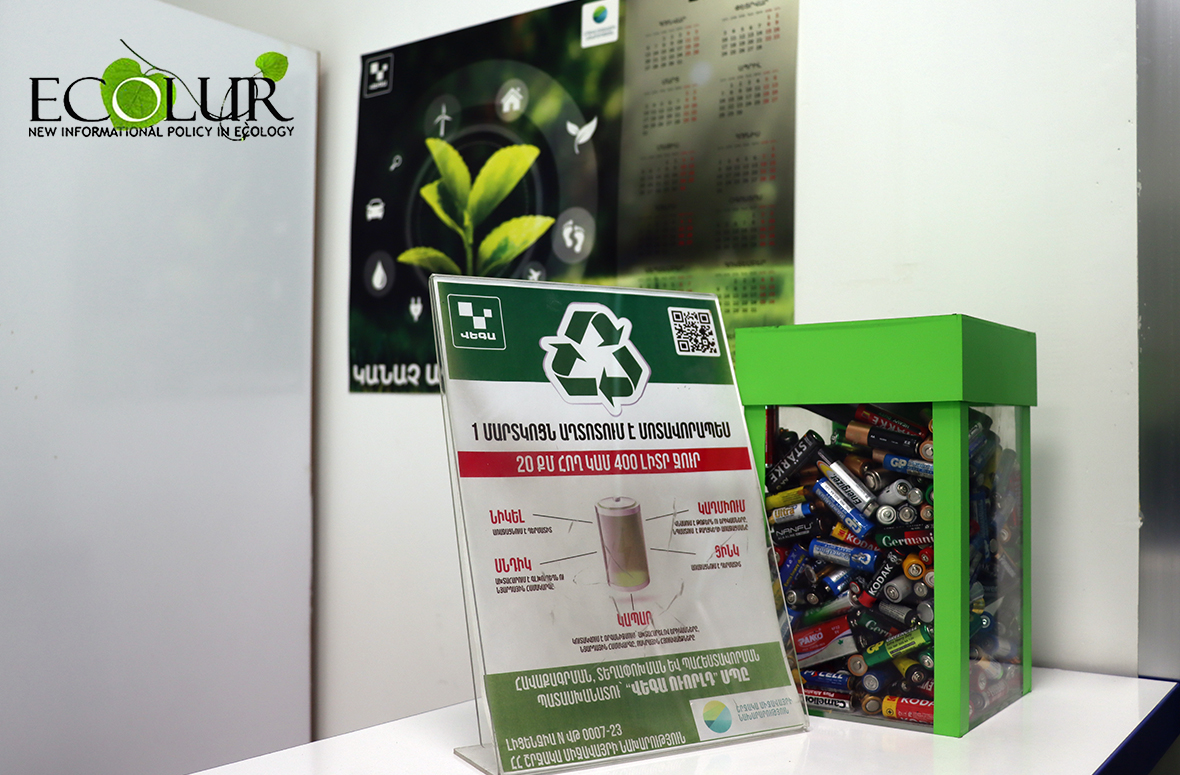
The range of battery-powered items in our daily lives is growing day by day. Batteries are found in household appliances, toys, and now even in books. Once they are no longer usable, we dispose of them. The most common way is to throw them into the trash. From the bin, they end up in dumpsites - and from that moment, a process begins that is no longer under our control.
Batteries are hazardous waste. They pollute soil and groundwater with heavy metals, which then enter the food chain, reach our tables and, ultimately, our bodies, causing various health problems. Armenia has begun taking its first steps to change this chain.
A legislative package on Extended Producer Responsibility (EPR) has been developed. Once adopted, importers of primary batteries, as well as refrigerators, freezers, washing machines and televisions, will be required to assume responsibility for the waste generated after these products are sold.
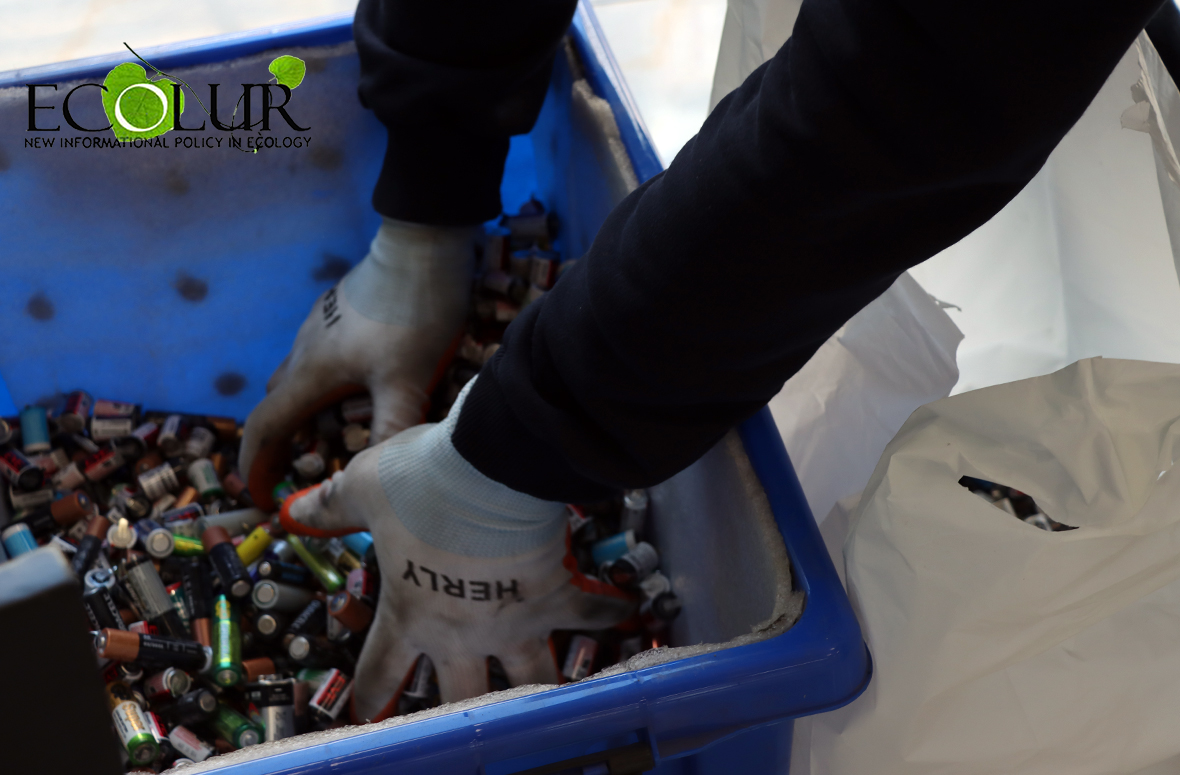
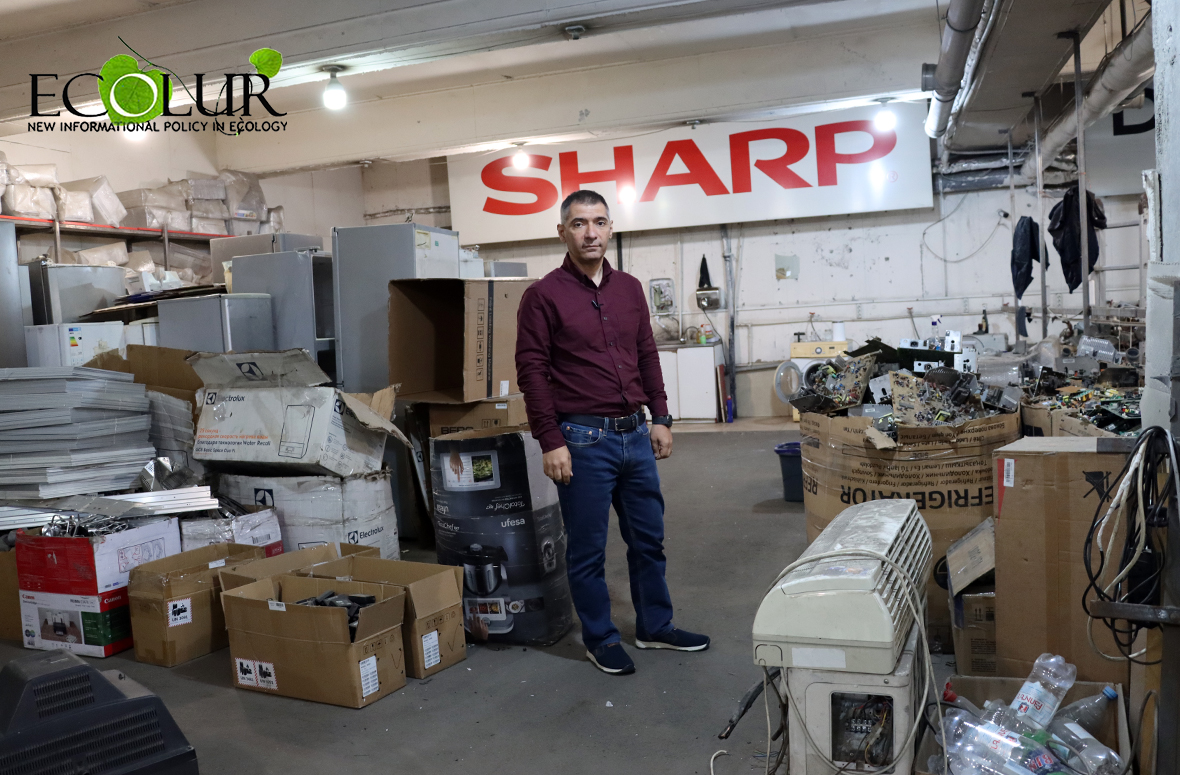
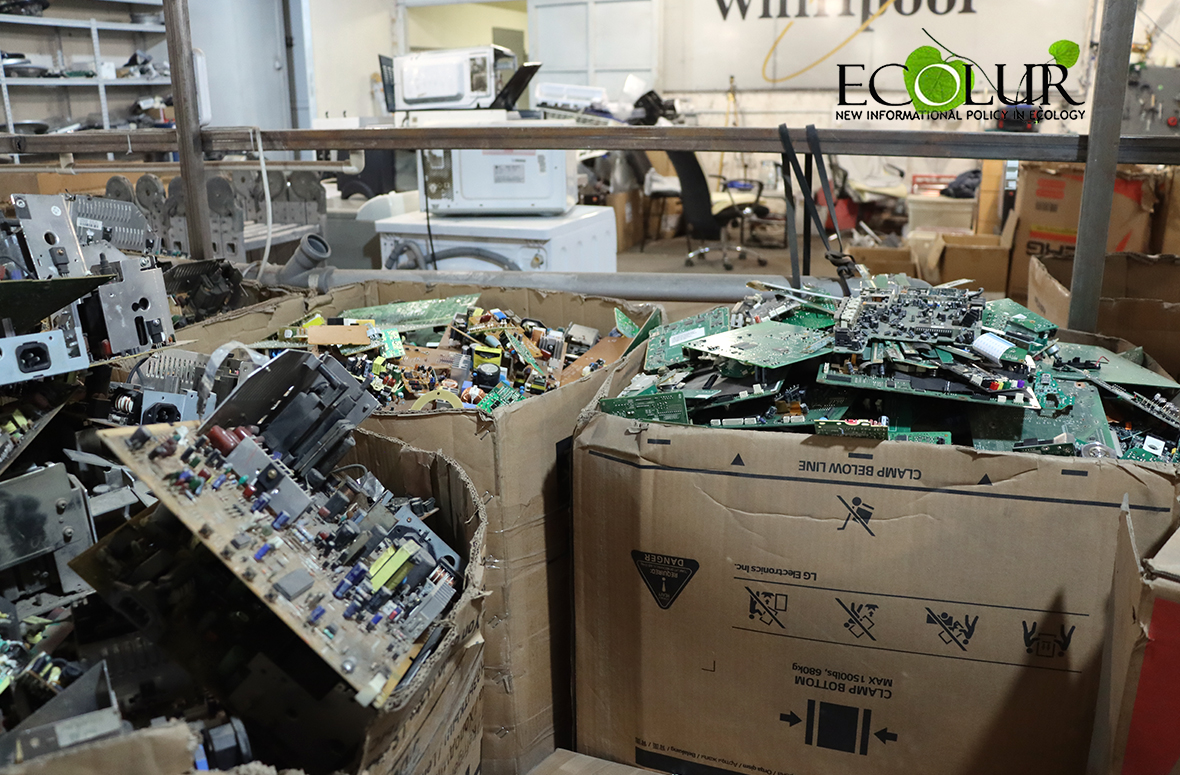
Until the law is adopted, however, there is effectively no responsible party managing this waste. According to data from the Acopian Center for the Environment of the American University of Armenia, Armenia generates 200 tons of waste primary batteries and 1,000 tons of waste electrical and electronic equipment annually.
“As someone involved in this process, I have a very clear understanding of the volume and hazardous nature of the goods imported into Armenia as their final destination. They are not exported anywhere from here; they accumulate in our small country and become waste. We see the adoption of the EPR law as the first step toward preventing this ecological disaster,” said Arthur Chobanyan, Development Director at Vega.
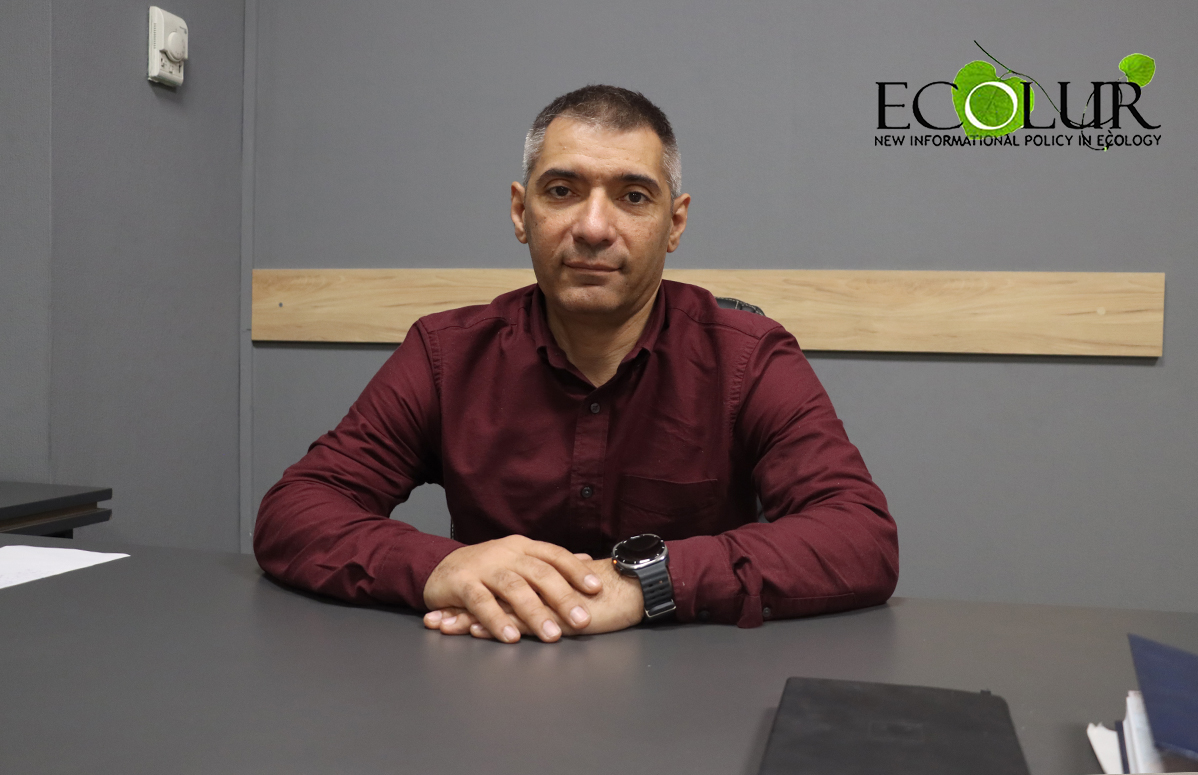
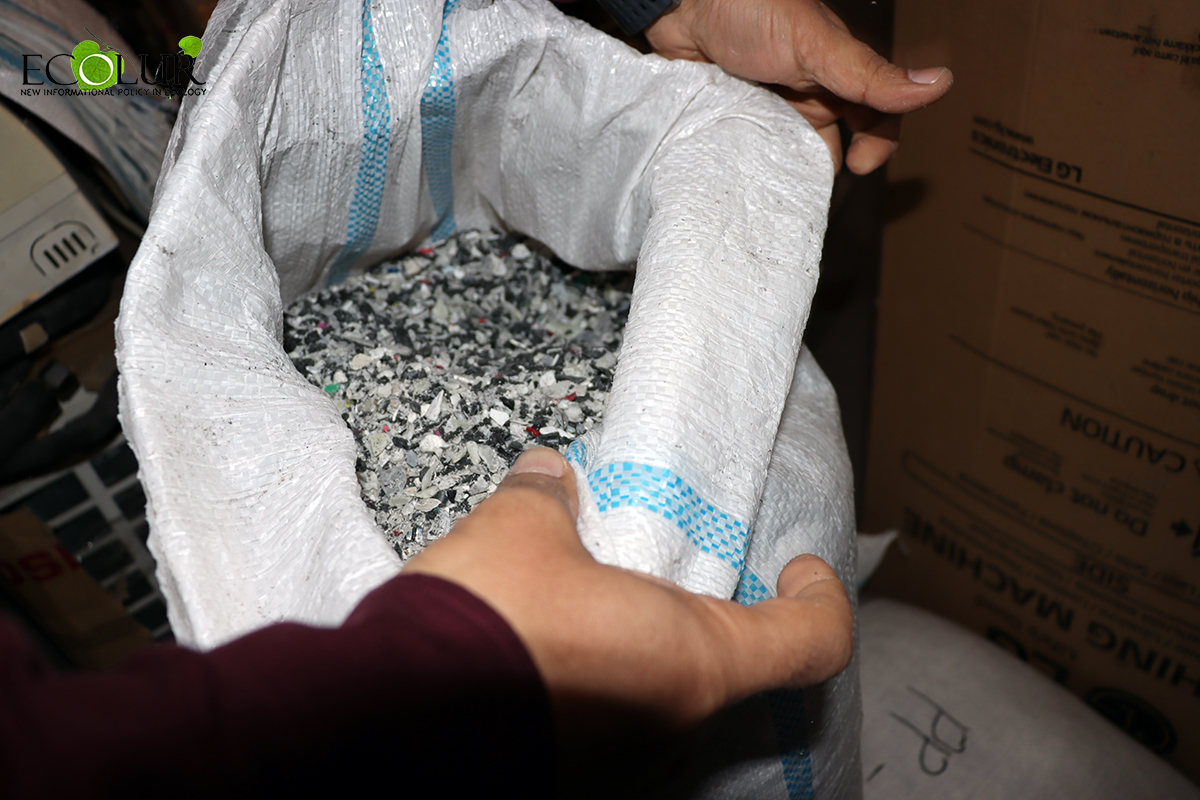
Vega is one of the few companies operating in Armenia that, on its own initiative, collects, sorts, recycles, recovers and sells old or end-of-life household appliances and primary batteries. In 2023, the company received a hazardous waste management license.
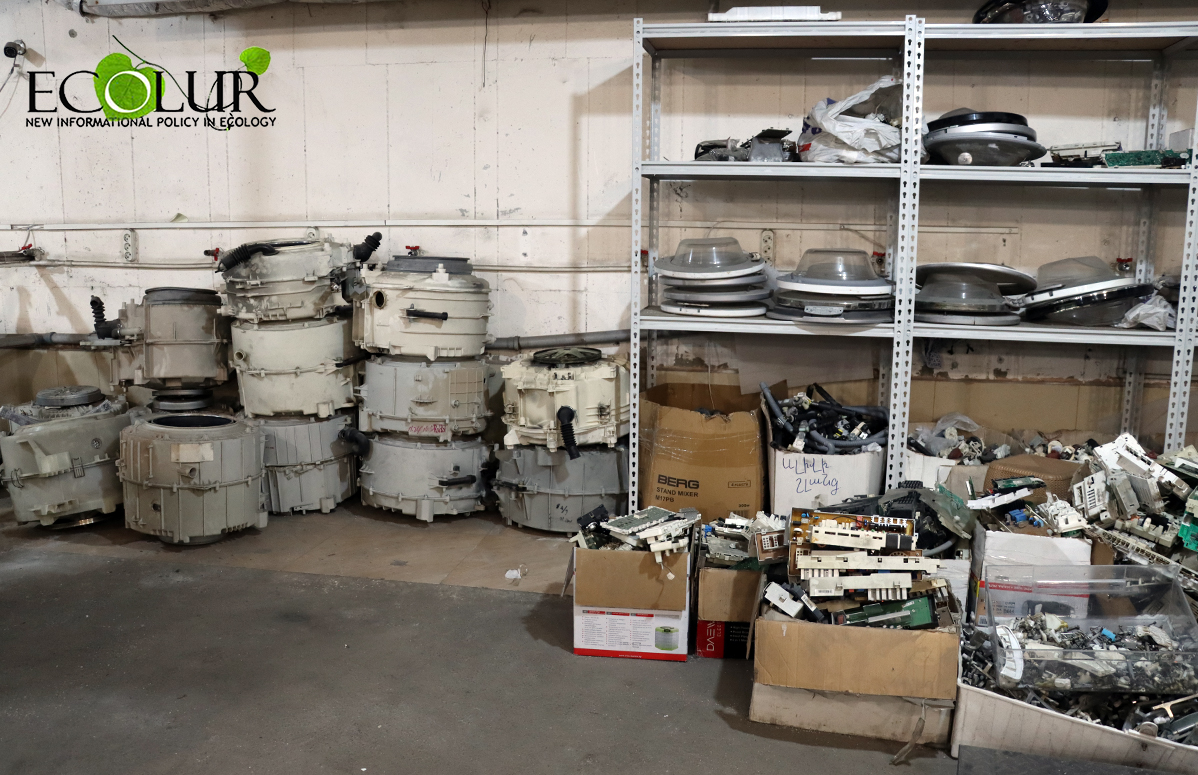
Once the EPR system is introduced in Armenia, producers and importers will allocate funds to Producer Responsibility Organizations (PROs) for waste management, or they will carry out this function themselves by obtaining the relevant permit.
“These organizations must be highly transparent before the state and society so that corruption schemes are ruled out,” Arthur Chobanyan said.
It is possible that the adoption of EPR legislation will lead to price increases for certain products. “If we want to live healthily, and if we want future generations to be healthy and have a clean environment, we must bear that financial burden today. This is the path European countries have gone through. The adoption of the EPR law will bring exactly this culture,” Arthur Chobanyan said.
This material was produced within the framework of the “Waste Policy Armenia” (WPA) program, funded by Sweden and implemented by the AUA Acopian Center for the Environment, with financial support from Sweden and technical support from AUA.
The views, conclusions and opinions expressed belong to the author(s) and do not necessarily reflect the positions of the program, the American University of Armenia or the Government of Sweden.

May 22, 2026 at 11:30