
A revised version of the draft Law on Extended Producer Responsibility (EPR) has been published on Armenia’s unified platform for legal draft acts.
The draft law was developed by the Ministry of Environment of the Republic of Armenia, with technical support from the American University of Armenia (AUA), funding from Sweden, and within the framework of the four-year “Waste Management Policy in Armenia” program implemented by the Acopian Center for the Environment.
The adoption of the draft law is driven by Armenia’s commitments under the Comprehensive and Enhanced Partnership Agreement (CEPA) between Armenia and the European Union, which requires the introduction of an Extended Producer Responsibility system. In addition, on April 13, 2017, the Government of Armenia approved the Concept for the Introduction of Extended Producer (Importer) Responsibility Systems for Products.
According to the authors of the draft, the legislation aims to align Armenia’s waste management sector with EU legislation, including EPR regulations, models, and updated waste classifications proposed under relevant European Union directives.
Products Subject to Extended Producer Responsibility
The draft law identifies the following categories of products as subject to EPR obligations:
- Wine
- Undenatured ethyl alcohol and alcoholic beverages containing less than 80% alcohol by volume, liqueurs, and other alcoholic beverages
- Other alcoholic drinks
- Beer
- Packaged drinking water, both carbonated and non-carbonated
- Waters containing sugar, sweeteners, or flavoring substances
- Motor oils
- Tires
- Household electrical and electronic equipment
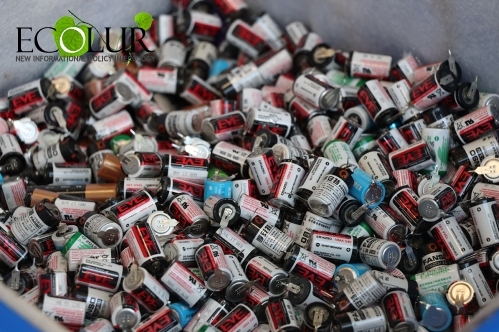
- Batteries
The proposed thresholds have been designed to ensure that at least 90% of waste generated from these product categories falls within the EPR system.
According to the explanatory note accompanying the draft law, waste recovery and management targets will initially be established at modest levels during the first three years, with gradual increases thereafter.
Current Situation in Armenia
The volume of waste generated from the disposal, consumption, or use of EPR-covered products in Armenia continues to increase. Approximately 95% of this waste is disposed of in unsanitary landfills.
Due to the lack of effective economic incentives and institutional mechanisms, only a limited share of waste streams is recycled or recovered. According to expert assessments, no more than 10% of all recyclable waste is currently recycled.
As a result, increasing amounts of waste are sent to landfills, leading to the loss of the economic value of recyclable materials such as glass, paper, plastics, metal containers, and packaging materials that could otherwise serve as secondary raw materials.
Moreover, when mixed with unsorted municipal waste and contaminated by food residues, chemicals, and other potentially hazardous substances used in households, waste poses significant risks to public health and the environment.
In addition to landfill disposal, waste frequently enters the natural environment, negatively affecting ecosystems, human health, and the climate.
Although a small number of municipalities (approximately five) have introduced source-separation systems for recyclable municipal solid waste—either through municipal initiatives or civil society organizations—the quantities collected through these systems remain negligible, accounting for less than 1% of Armenia’s total recyclable waste generation.
Furthermore, under current conditions, only waste streams with clear economic value are recycled or recovered. Environmentally sound management of waste requiring significant treatment or disposal costs—such as household batteries, tires, and similar products—remains largely unaddressed.
June 11, 2026 at 16:44