
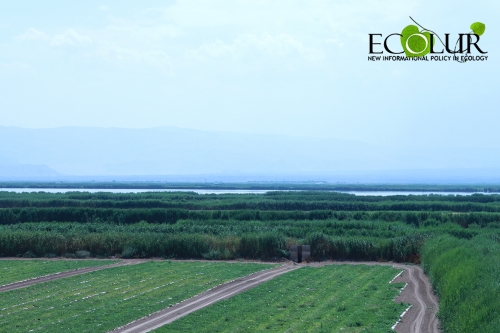
The Armash wetland is one of Armenia's most important biodiversity hotspots, where local conservation efforts can contribute to the country's fulfillment of its international environmental commitments.
From 19 to 30 October 2026, Yerevan will host the 17th meeting of the Conference of the Parties to the Convention on Biological Diversity (CBD COP17). Held under the slogan "Acting for Nature," the conference provides Armenia with an opportunity to present its biodiversity challenges and conservation experience on the international stage.
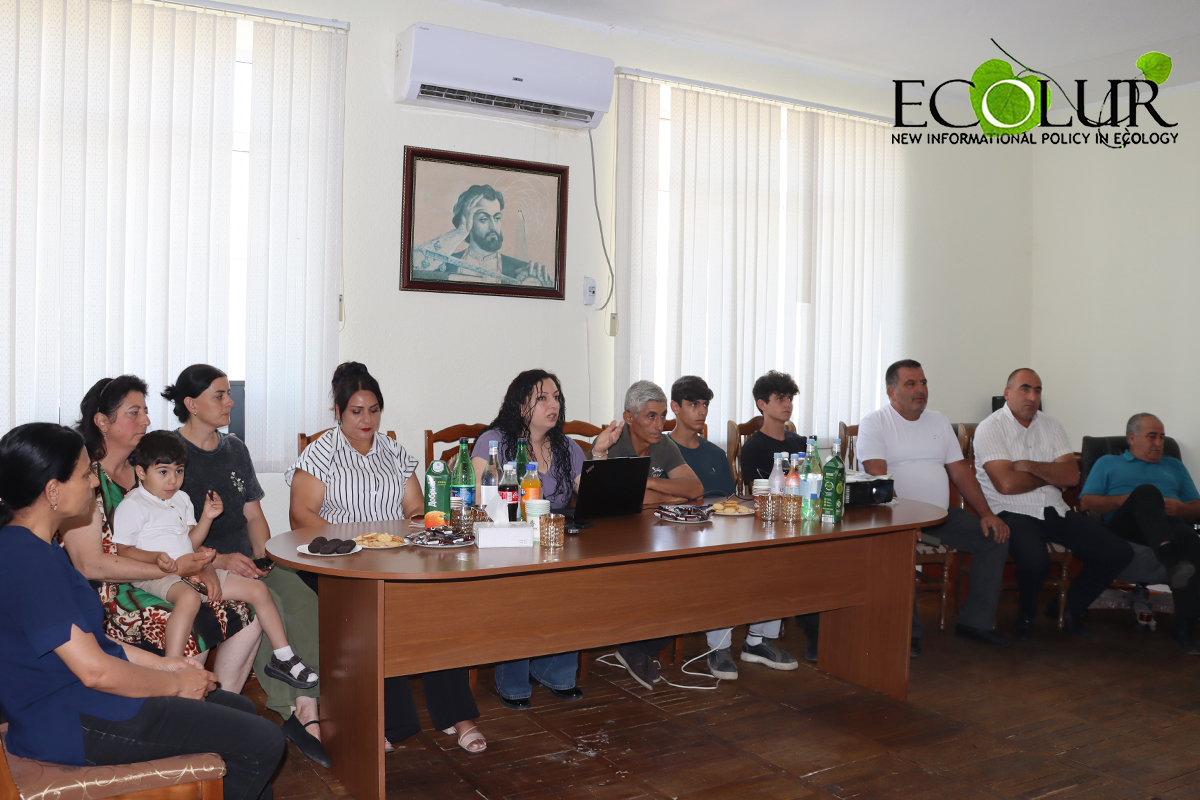
"Armash is a biodiversity-rich and important area. Today we are here so that you, too, can make your own contribution to the success of COP17, allowing us to represent our country through your participation as well," said Victoria Burnazyan, Deputy President of EcoLur Informational NGO, during an awareness meeting held in Armash on 16 July 2026.

Armash - An Important Biodiversity Area

More than 200 of the 353 bird species recorded in Armenia occur in the Armash lakes. These include 45 bird species listed in the Red Book of Armenia and one species included in the International Union for Conservation of Nature (IUCN) Red List of Threatened Species.
Thanks to the diversity of habitats that develop throughout the year, Armash has become an important breeding, feeding, and migratory stopover site for numerous bird species. Armash is recognized as an Important Bird and Biodiversity Area (IBA). As one of Armenia's 23 Emerald candidate sites, Armash is included in the list of Emerald candidate sites under the Convention on the Conservation of European Wildlife and Natural Habitats (Bern Convention)**. The site is designated as "Khor Virap–Armash" and covers 6,998.2 hectares.
At present, it is proposed to separate Khor Virap and Armash into two independent Emerald candidate sites. Under this proposal, the Armash site would cover 5,902.58 hectares and would be designated for the conservation of a range of fish, reptile, bird, and mammal species.
The Armash wetlands are also considered a potential site for protection under the Ramsar Convention on Wetlands of International Importance Especially as Waterfowl Habitat.
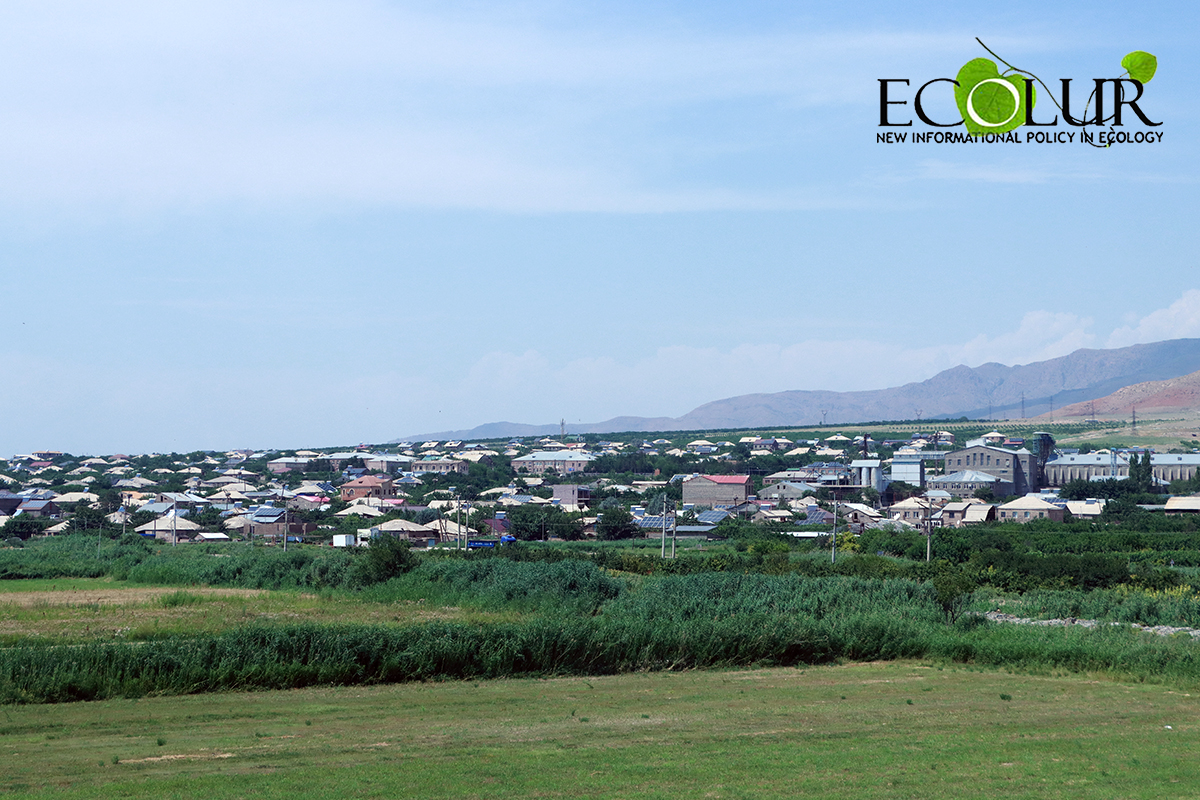
Fish Farming and Biodiversity
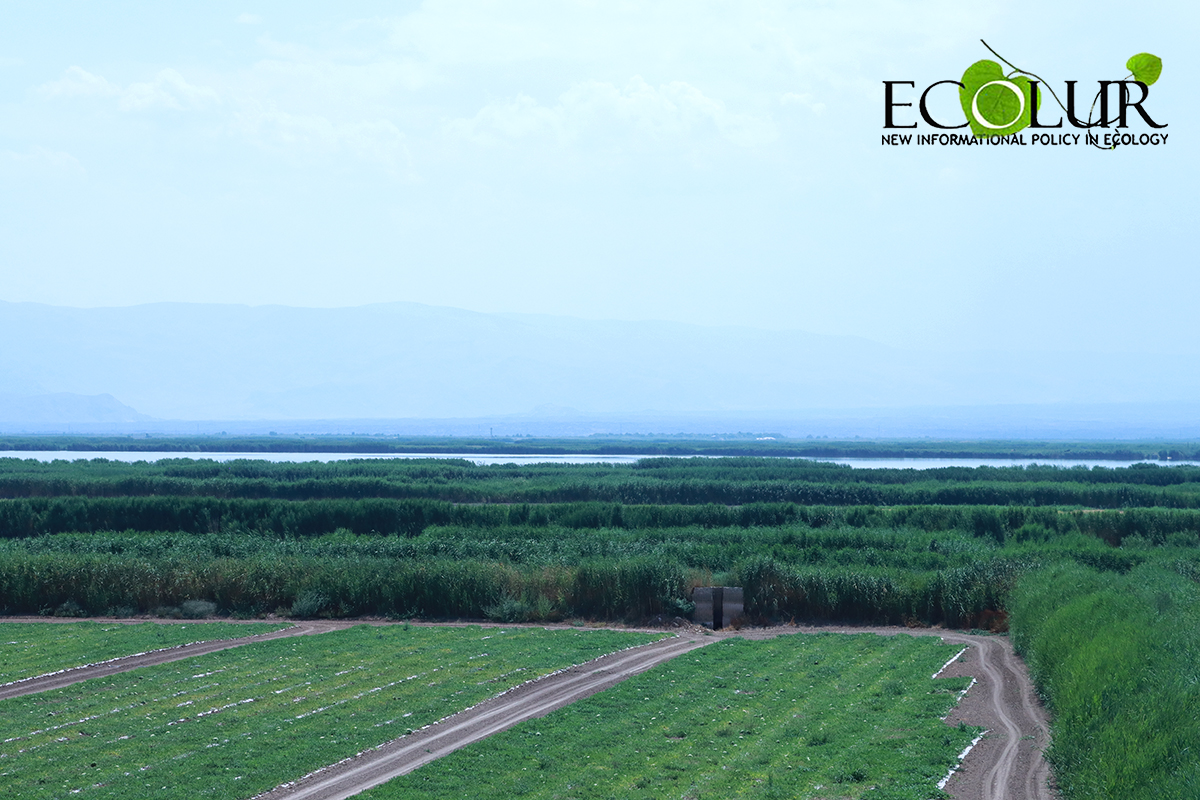
In her presentation, Victoria Burnazyan also addressed the issue of competing interests in Armash.
According to Victoria Burnazyan, the area's potential threats include the drying up of the lakes, their conversion into agricultural land, reed burning, as well as hunting and poaching. These activities may disrupt bird breeding areas and destroy habitats that are essential for wildlife.

Victoria Burnazyan also spoke about opportunities for the conservation and sustainable use of the Armash ecosystem. In particular, she proposed to:
study the Action Plan contained in the World Bank's "Pilot Management Plan for the Armash Emerald Site (AM0000025) in Armenia," prepared within the framework of the EU4Environment Programme ([https://www.eu4environment.org/app/uploads/2024/11/Pilot-Management-Plan-of-Emerald-Site-Armash-AM0000025-in-Armenia-ARM.pdf](https://www.eu4environment.org/app/uploads/2024/11/Pilot-Management-Plan-of-Emerald-Site-Armash-AM0000025-in-Armenia-ARM.pdf))
study the Ramsar Convention guidelines on integrating fish farming with the conservation of wetland ecosystems and biodiversity
develop an action plan for the conservation and sustainable use of Armash biodiversity
submit the action plan to the Ministry of Environment to contribute to the implementation of Armenia's international commitments.
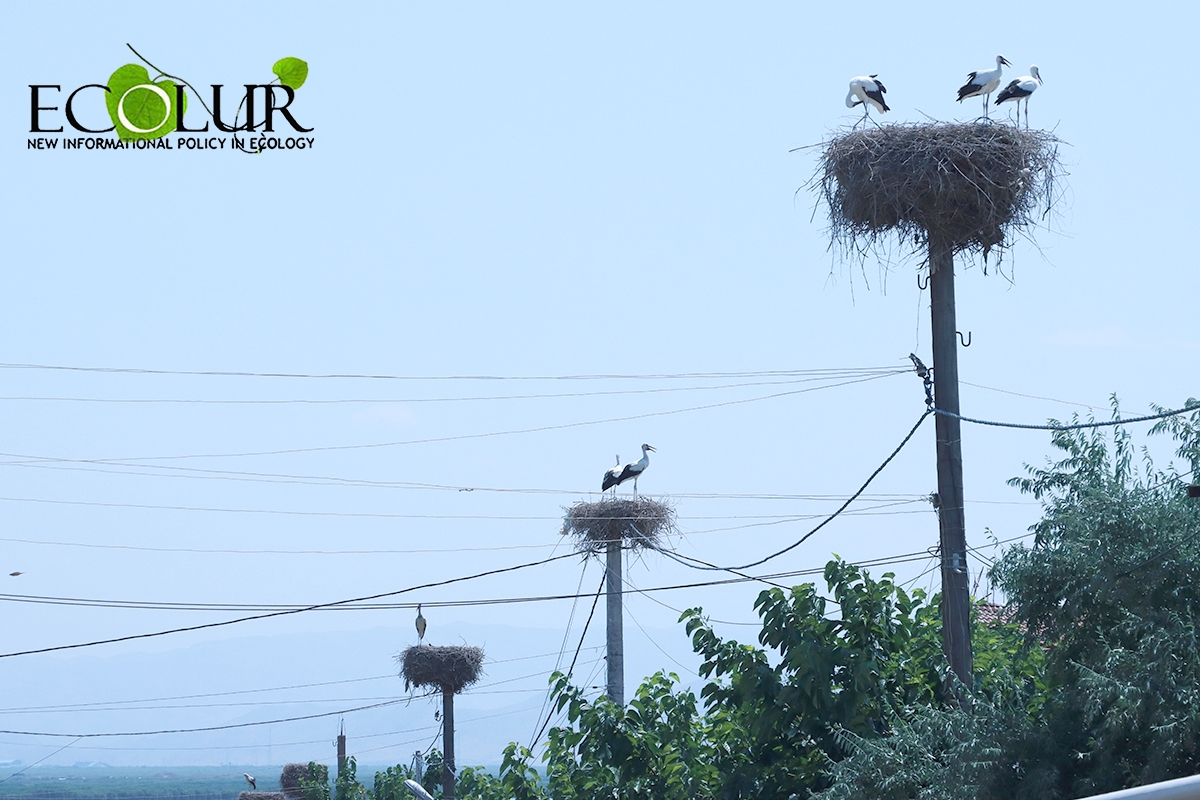
Armash's biodiversity can also serve as a foundation for the development of ecotourism. The area's rich birdlife creates opportunities for establishing birdwatching routes and promoting rural tourism. According to Victoria Burnazyan, these initiatives can simultaneously contribute to both the village's economic development and nature conservation.
This article was prepared within the framework of “Supporting Armenia's CBD COP Presidency and Domestic Implementation” project, which is implemented by Ecolur Informational NGO in cooperation with the Fridtjof Nansen Institute, with support from the Norwegian Agency for Development Cooperation (Norad).
The views expressed within the framework of the project do not necessarily reflect the views of the Fridtjof Nansen Institute.
July 31, 2026 at 14:02