
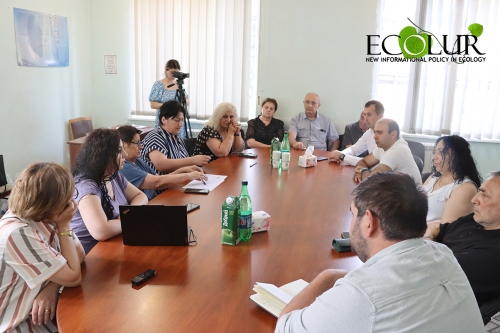
Ahead of the 17th meeting of the Conference of the Parties to the UN Convention on Biological Diversity (COP17), to be held in Yerevan in October 2026, EcoLur Informational NGO is conducting awareness-raising meetings in Armenia’s regions.
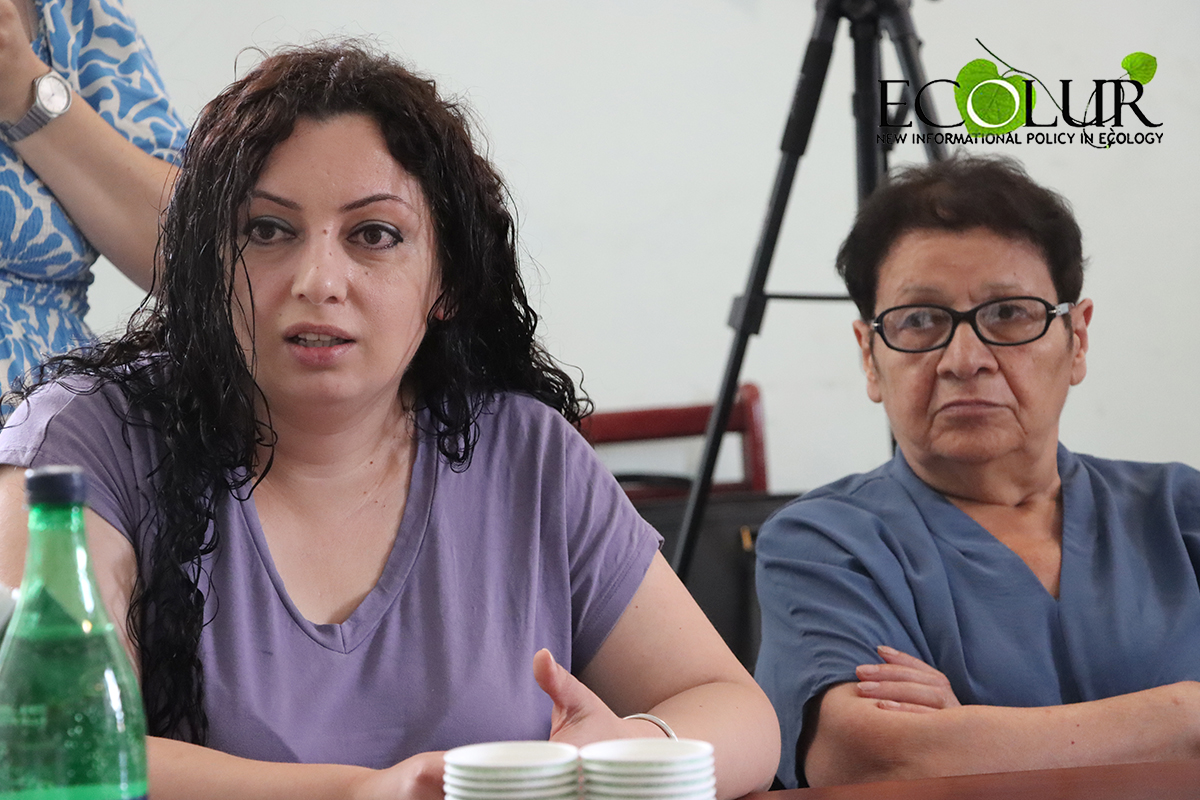
At an awareness-raising meeting held on July 27 at Dilijan Aarhus Centre, Victoria Burnazyan, Deputy President of EcoLur Informational NGO, presented the participants with the COP17 agenda and the international and national biodiversity conservation targets. The meeting also addressed biodiversity issues in Dilijan and the upcoming steps to be taken by civil society and local self-government bodies regarding participation in COP17.
Global Biodiversity Loss and Armenia’s Role
“Biodiversity loss is continuing worldwide. Between 1970 and 2020, an average 73% decline in wildlife populations was recorded, while around one million species are at risk of extinction. At the same time, the world loses approximately 10 million hectares of forest every year,” Victoria Burnazyan noted.
She emphasized that, in this context, Armenia, as part of the Caucasus, is considered one of the world’s 36 biodiversity hotspots. The country is distinguished by rich biodiversity, but is also vulnerable to the impacts of economic activity, climate change, and other factors.
During CBD COP17, 51 draft decisions are expected to be discussed. The key document under consideration is the Kunming-Montreal Global Biodiversity Framework, adopted in 2022 at COP15. Its first global review will be conducted in Yerevan.
The Global Biodiversity Framework includes 23 targets. One of the most important is to ensure the conservation of at least 30% of the world’s terrestrial, inland water, coastal, and marine areas by 2030. Each country is expected to establish an appropriate conservation target for its territory.
COP17 will assess the extent to which the Framework has been implemented since 2022, the progress achieved, existing gaps, and the changes needed to guide further action.
Armenia’s Target: Bringing 20% of the Country’s Territory Under Conservation
Armenia has not set a 30% conservation target; instead, it has committed to bringing 20% of the country’s territory under conservation by 2030.
“This 20% will include specially protected natural areas, forests, Emerald candidate sites, ecological corridors, and other areas under effective conservation,” said Victoria Burnazyan.
To achieve this target, Armenia plans to establish two new national parks—the Tatev and Jermuk National Parks—as well as Dilijan Biosphere Reserve.
“In this respect, your community is an important one, both as a community adjacent to a specially protected natural area and because it will also be included within the biosphere area,” Victoria Burnazyan noted, emphasizing that the conservation approach of a biosphere area also provides opportunities for economic activities.
According to her, the establishment of this area is a necessary condition for Armenia to achieve its target of bringing 20% of its territory under conservation by 2030.
In 2026, Armenia adopted “Biodiversity Conservation Goals of the Republic of Armenia and the Action Plan for 2026–2030.” The document establishes five overarching goals and 30 targets. According to Burnazyan, Armenia’s national targets are aligned with and derived from the targets of the Kunming-Montreal Global Biodiversity Framework.
Out of these 30 targets, 22 are directly relevant to Dilijan. Therefore, the community can examine these targets and identify what actions it can undertake at the local level.
One example is the target of integrating critical habitats into spatial planning. This means that, when undertaking urban development, spatial planning, and economic development, the community should take into account the need to conserve areas rich in biodiversity.
Other targets include the restoration of degraded ecosystems, including the restoration of 15,000 hectares of degraded forest areas; improving the effectiveness of the management of specially protected natural areas; conserving globally threatened species; and managing human–wildlife conflicts.
“If the community is active in monitoring and participating in decision-making at the community level, you too can contribute to conservation and sustainable use, because we all benefit from nature. We need to be able to use it responsibly so that, at the very least, we do not lose some of the species that are currently under threat,” Victoria Burnazyan noted.
She presented the mechanisms through which the Convention on Biological Diversity promotes the participation of different groups, including the establishment of coordinating groups and platforms facilitating the participation of women and other groups, as well as Indigenous Peoples and local communities.
There is also an international biodiversity forum for communities. Although Armenia does not have communities with a distinct legal status as Indigenous Peoples, according to Victoria Burnazyan, local communities can make use of these platforms.
She urged communities not to limit themselves to following only the official information provided by the Secretariat of the Convention on Biological Diversity, but also to explore the websites and social media pages of relevant groups. These platforms may provide opportunities to participate in events, raise community-level concerns, and even have such issues included on the COP agenda.
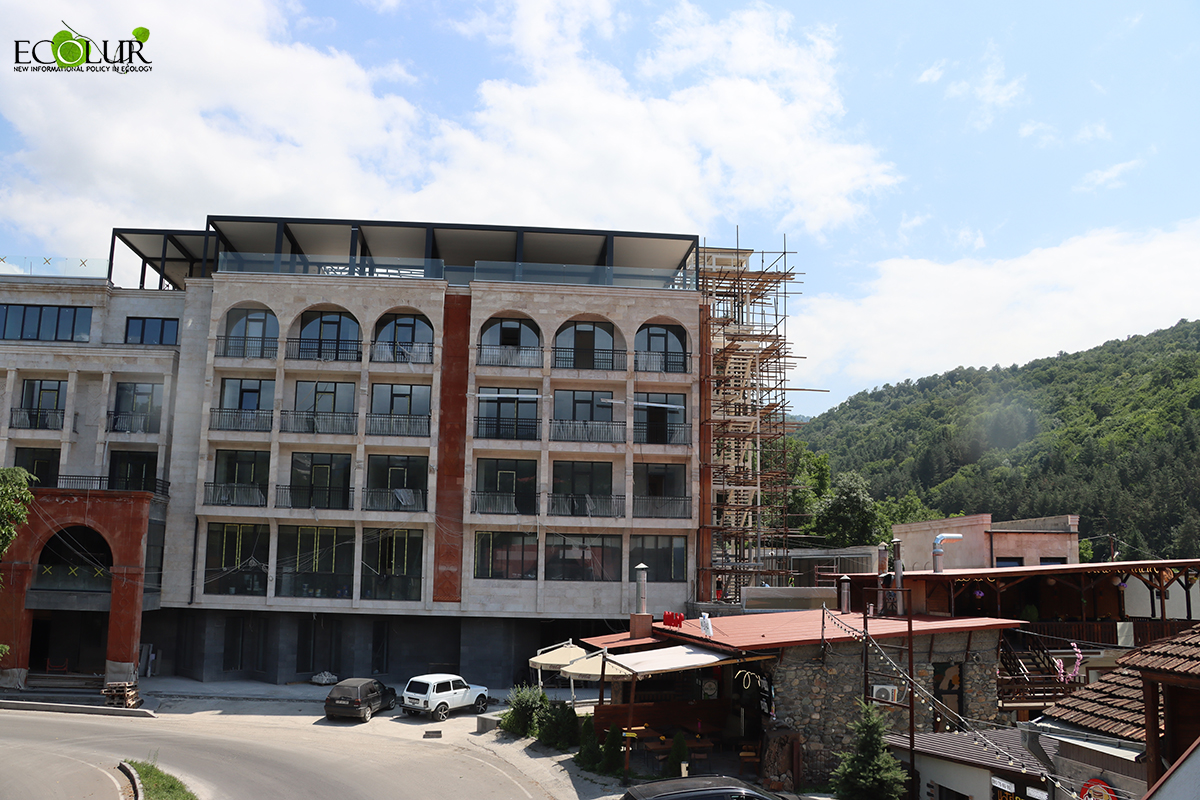
During the discussion, participants noted that there are conflicts of interest in the community between nature conservation and economic activities, including those related to illegal logging, the urban development of forest areas, and tourism development. A serious concern is the decline in animal species, as documented in the latest report of Dilijan National Park.
Within the framework of the Convention, the community is viewed as a biodiversity conservation actor, sustainable user of natural resources, custodian of traditional knowledge, participant in decision-making, provider of environmental education and awareness-raising, and actor in exercising public oversight.
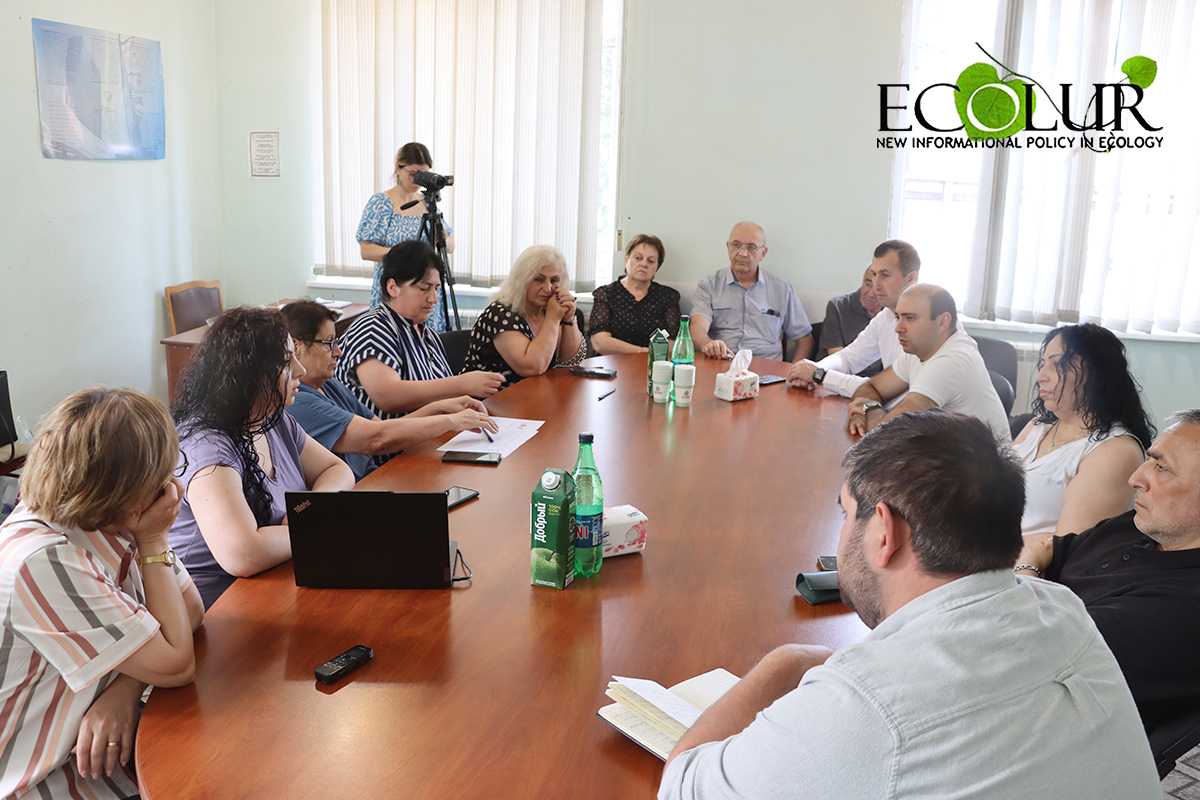
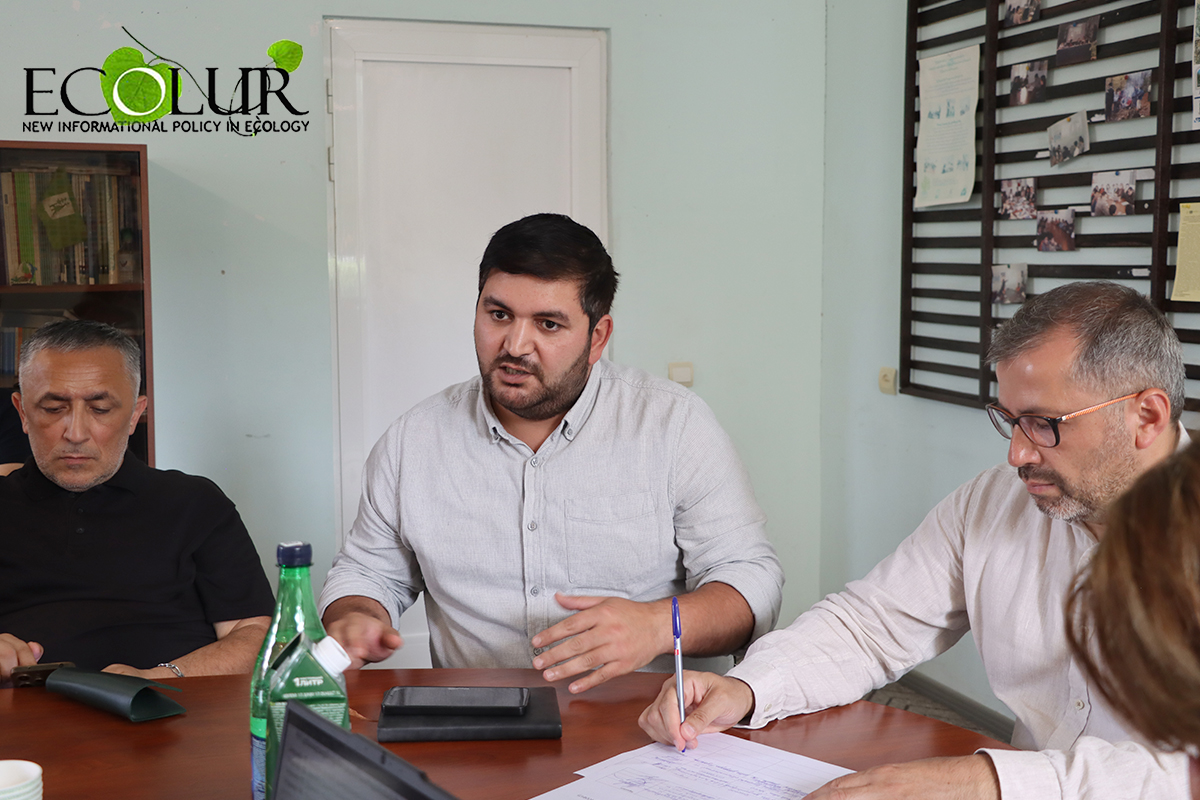

The meeting was held within the framework of “Supporting Armenia's CBD COP Presidency and Domestic Implementation” project is implemented by EcoLur Informational NGO in cooperation with the Fridtjof Nansen Institute and with the support of the Norwegian Agency for Development Cooperation (Norad).
To be continued.
August 12, 2026 at 15:36