
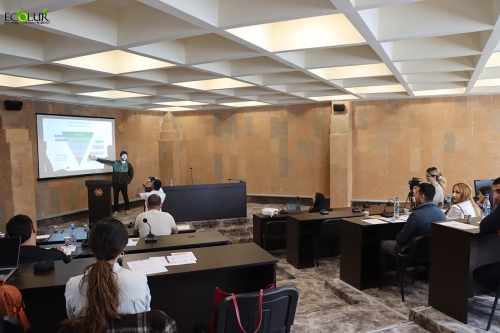
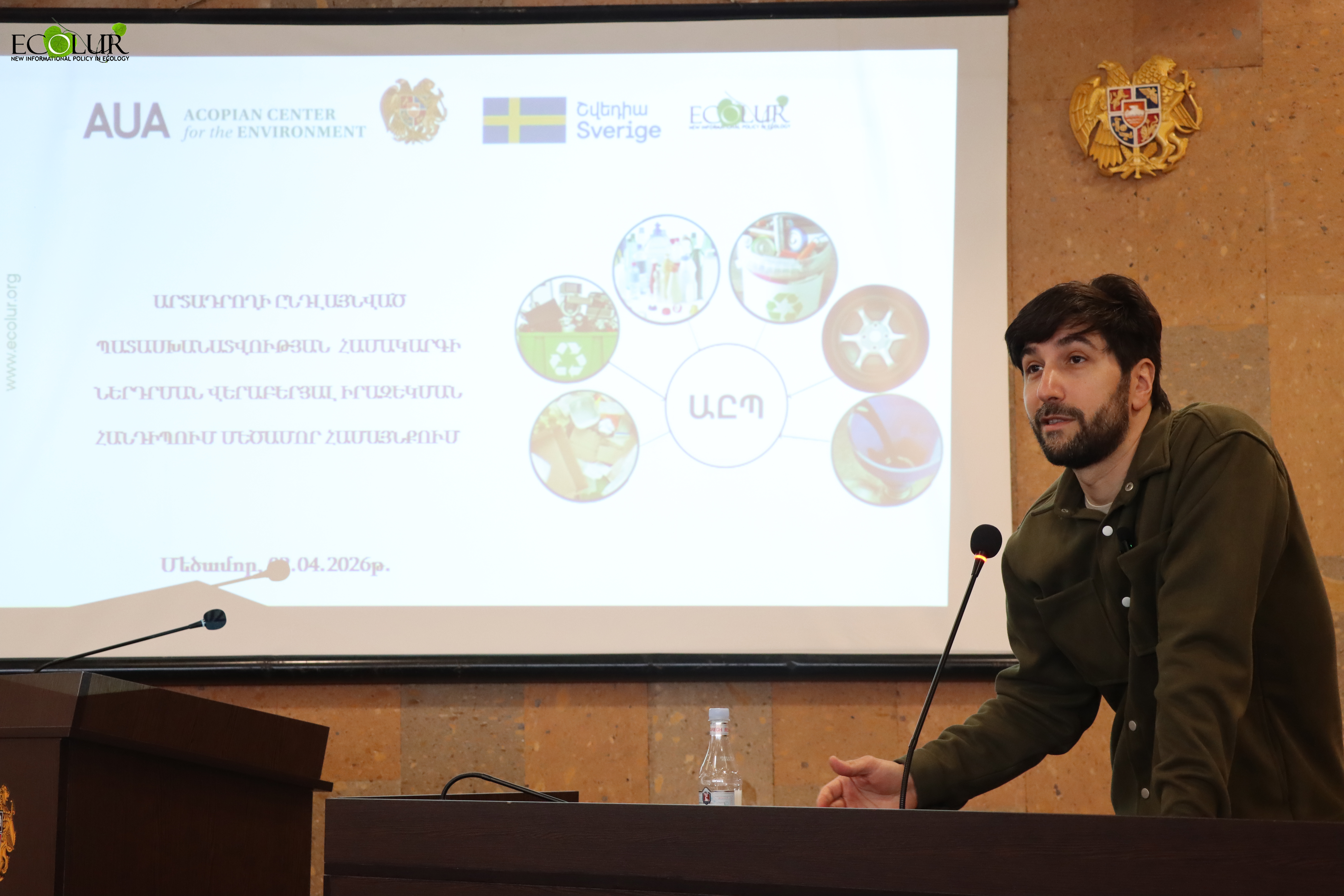
The current 200 AMD waste collection fee paid by each resident of Metsamor does not cover the full cost of the waste management chain. This was stated by Harutyun Alpetyan, Head of the “Waste Policy Armenia” program, lecturer at the American University of Armenia, and waste management expert, during an awareness meeting in Metsamor dedicated to the introduction of the Extended Producer Responsibility (EPR) system.
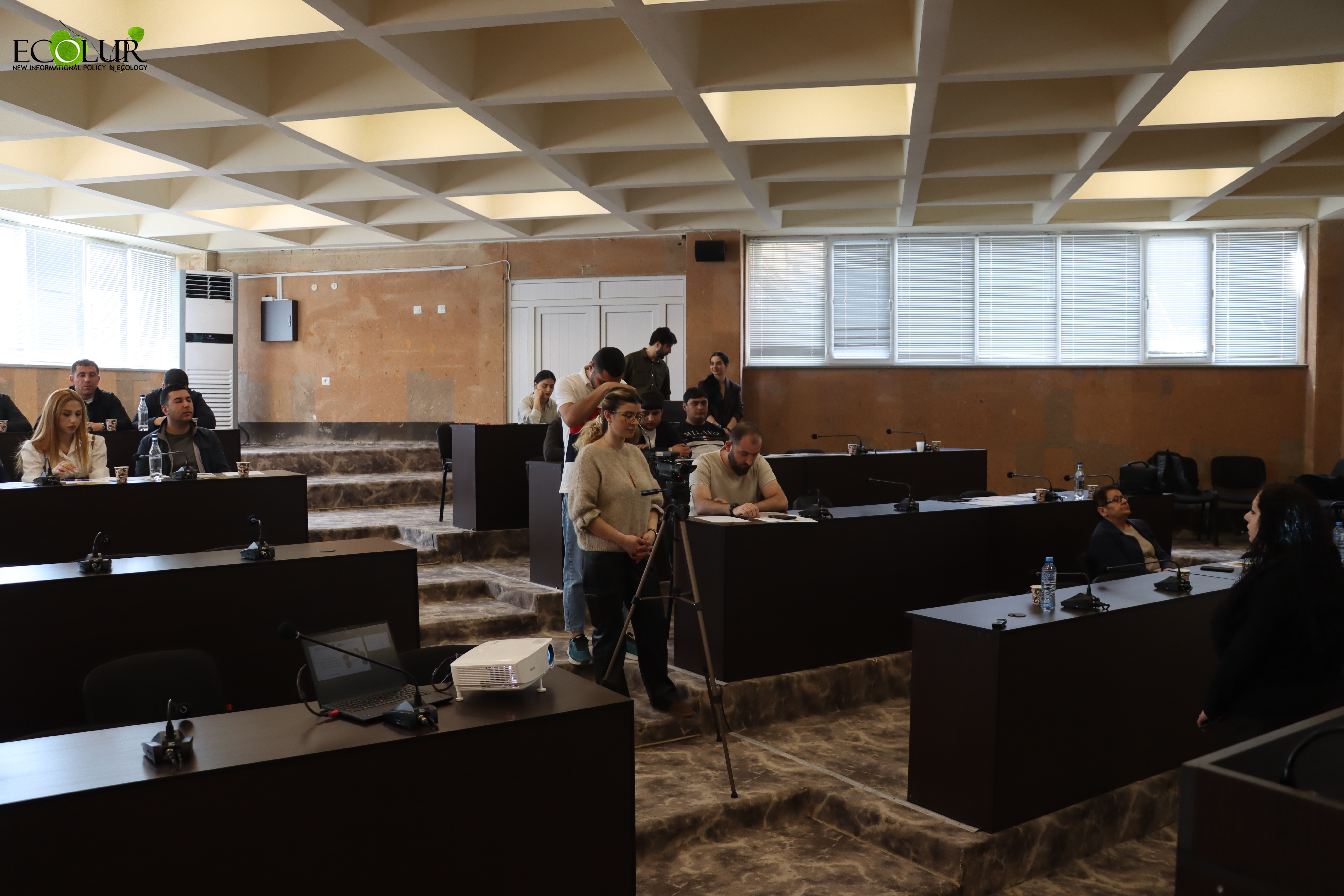
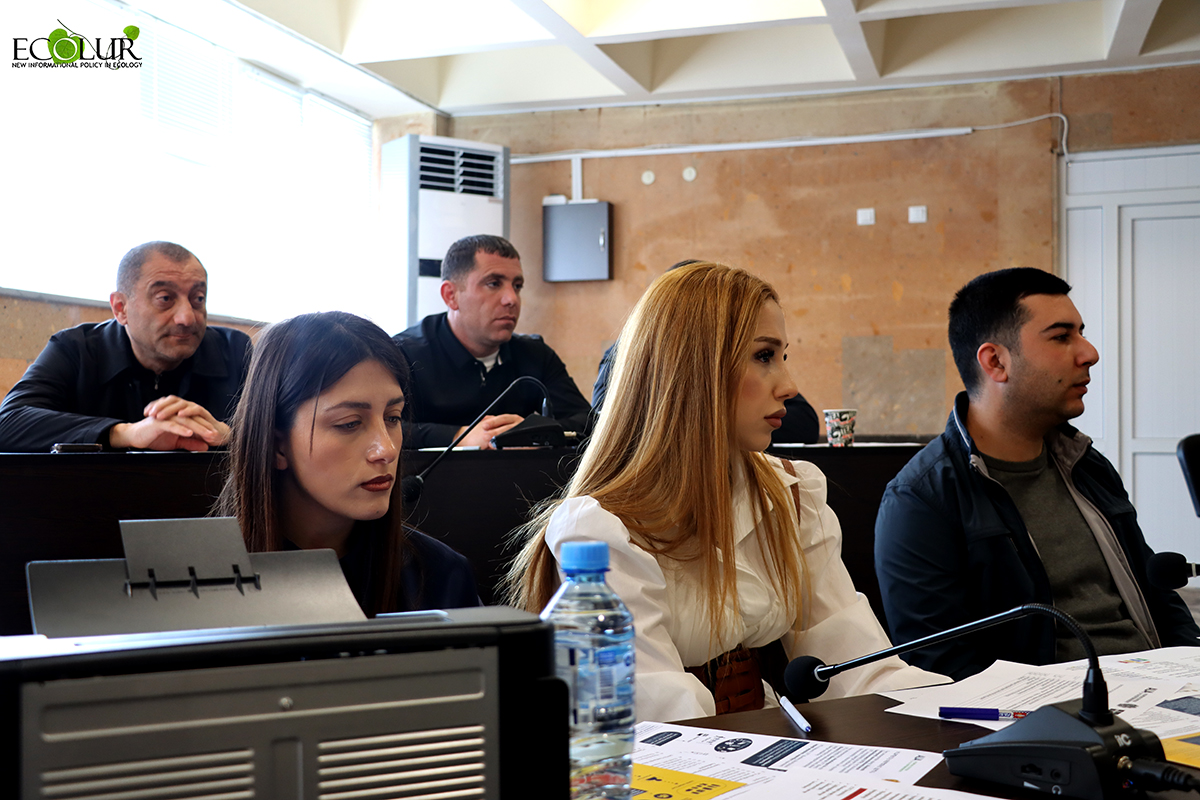
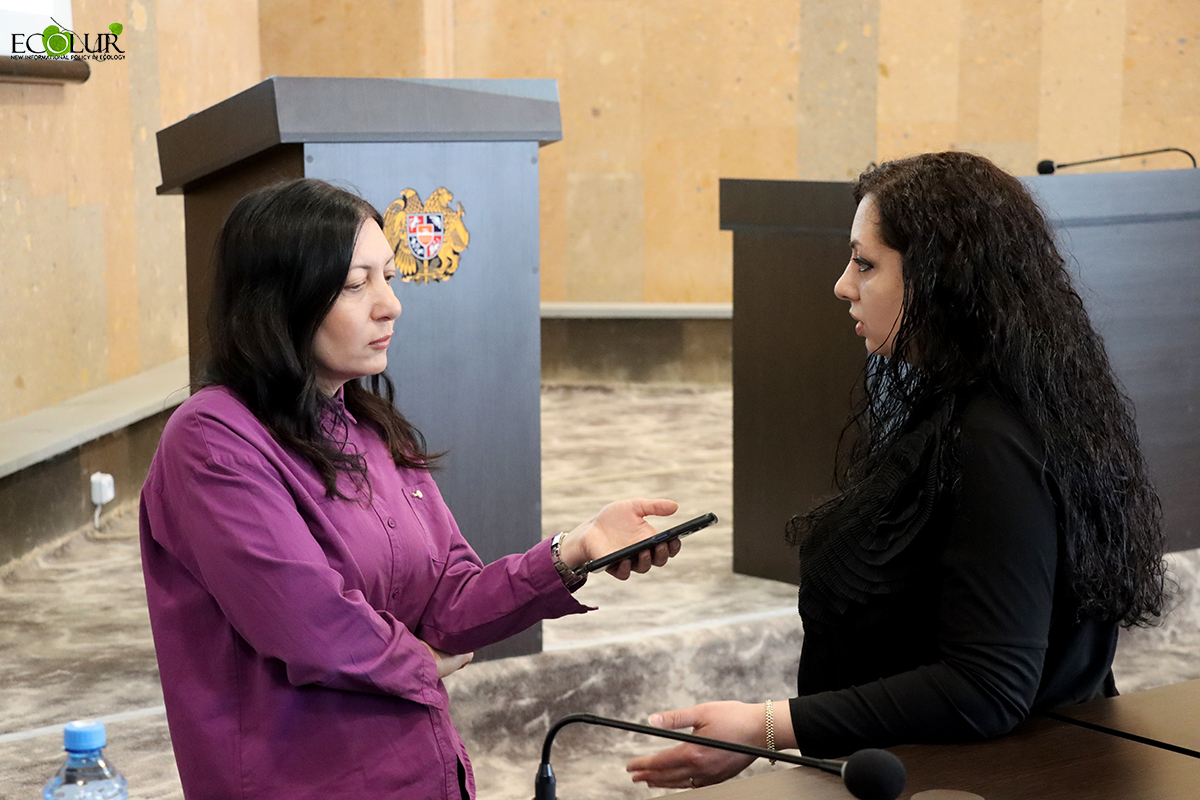
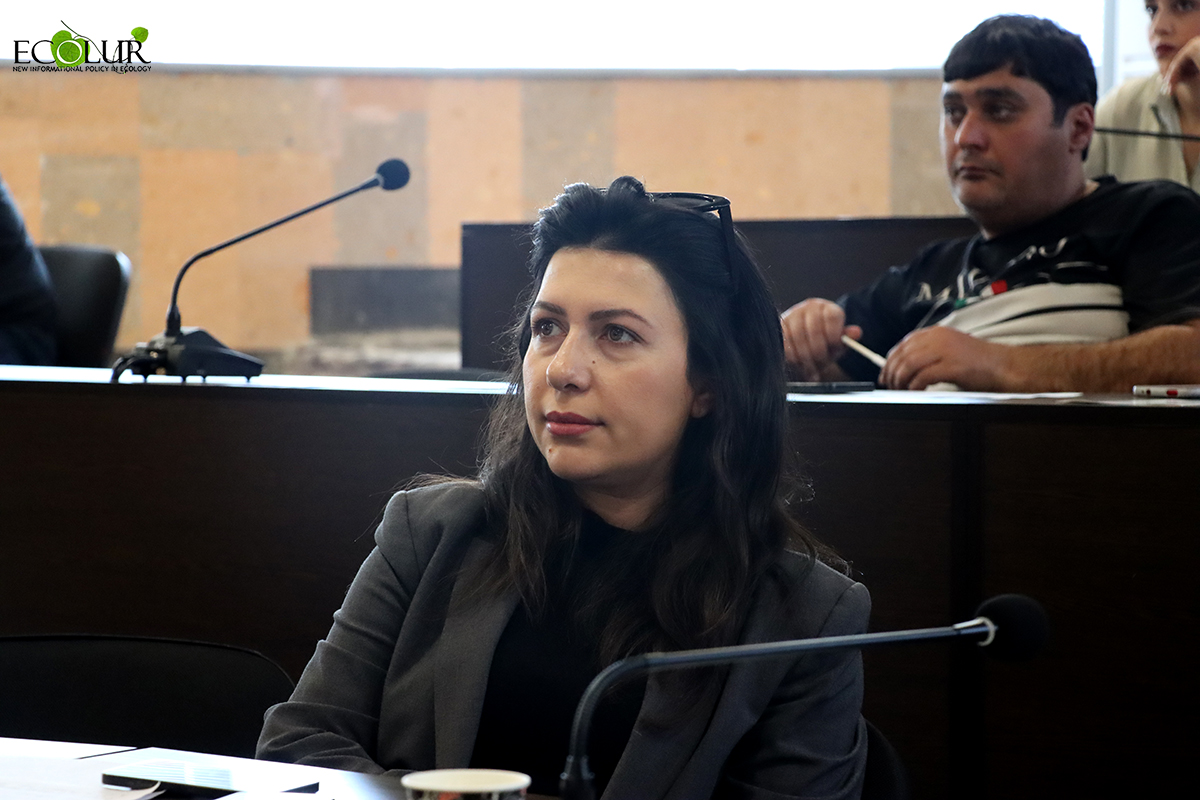
The meeting brought together representatives of Metsamor local self-government bodies, civil society organizations from Armavir Region, media representatives, and local residents. The event was organized by “EcoLur” Informational NGO in cooperation with the Metsamor Municipality within the framework of the “Get Informed and Support the Introduction of the EPR System in Armenia for the Benefit of a Healthy Environment” project. The initiative is part of the “Waste Policy Armenia” program, funded by Sweden and implemented by the AUA Acopian Center for the Environment.
Metsamor generates approximately 40-45 tons of municipal solid waste every day, which is transported to the Armavir community landfill. The community pays 3,000 AMD - around 6 euros - per ton of waste disposed of there. By comparison, European countries charge an average of 80–120 euros per ton, including sanitary landfill service fees and environmental taxes for landfill disposal. Such high tariffs significantly reduce the amount of waste sent to landfills and encourage municipal operators to seek more affordable green and sustainable solutions, where environmental taxes are considerably lower than landfill taxes.
According to Harutyun Alpetyan’s calculations, the current 200 AMD waste collection fee in Metsamor does not even ensure cost recovery. Under present conditions, at least 500 AMD per person is needed to cover waste collection, garbage truck maintenance, and landfill disposal costs.
“You are already operating at a 300 AMD deficit,” Harutyun Alpetyan told employees of the Metsamor municipal utility service.
According to Alpetyan, in order to meet minimum sanitary standards for waste collection, the fee should not be 200 AMD, but at least 1,000 AMD.
“There is a World Bank analysis showing that Armenian society can afford to pay 1,000 AMD for waste collection in exchange for having a sanitary landfill. Residents should understand that by doing this they are paying not only for waste collection services, but also for their health,” Harutyun Alpetyan said.
In 2020, Armenia identified 297 dumpsites that fail to comply with sanitary standards. The Armavir community dumpsite is among them.
“Waste management does not mean simply moving waste from one place to another. A landfill is an engineered facility where all environmental safeguards are ensured: it is fenced, there is no wastewater leakage, biogas collection is in place, waste is weighed and inspected, and compacted waste is covered with soil or demolition waste at least twice a week to prevent animal access and odors. None of this exists today, so what we are talking about is simply a dumpsite,” Harutyun Alpetyan said.
He noted that the only sanitary landfill currently operating in Armenia is located in Hrazdan and serves 16 communities in Kotayk and Gegharkunik Regions.
“The construction of this landfill cost 5.5 million euros. And do you know how much it would cost to properly close the Nubarashen landfill? If it is done according to all European standards, the cost could reach 40–50 million euros. But beyond that, there are health and environmental damages, and restoring those also costs money. Landfill leachate pollutes groundwater, while landfill fires cause serious health damage. There have been cases where fires could not be extinguished for ten days. People say their health is deteriorating. As a society, we suffer the consequences and ultimately face much higher costs,” Harutyun Alpetyan said.
Presenting international experience, Alpetyan noted that Sweden generates electricity from waste.
“For example, operators in the United Kingdom transport residual waste to waste-to-energy plants in Sweden and pay 60–70 euros per ton, because disposing of the same residual waste in landfills in the United Kingdom would cost around 160 euros per ton,” he said.
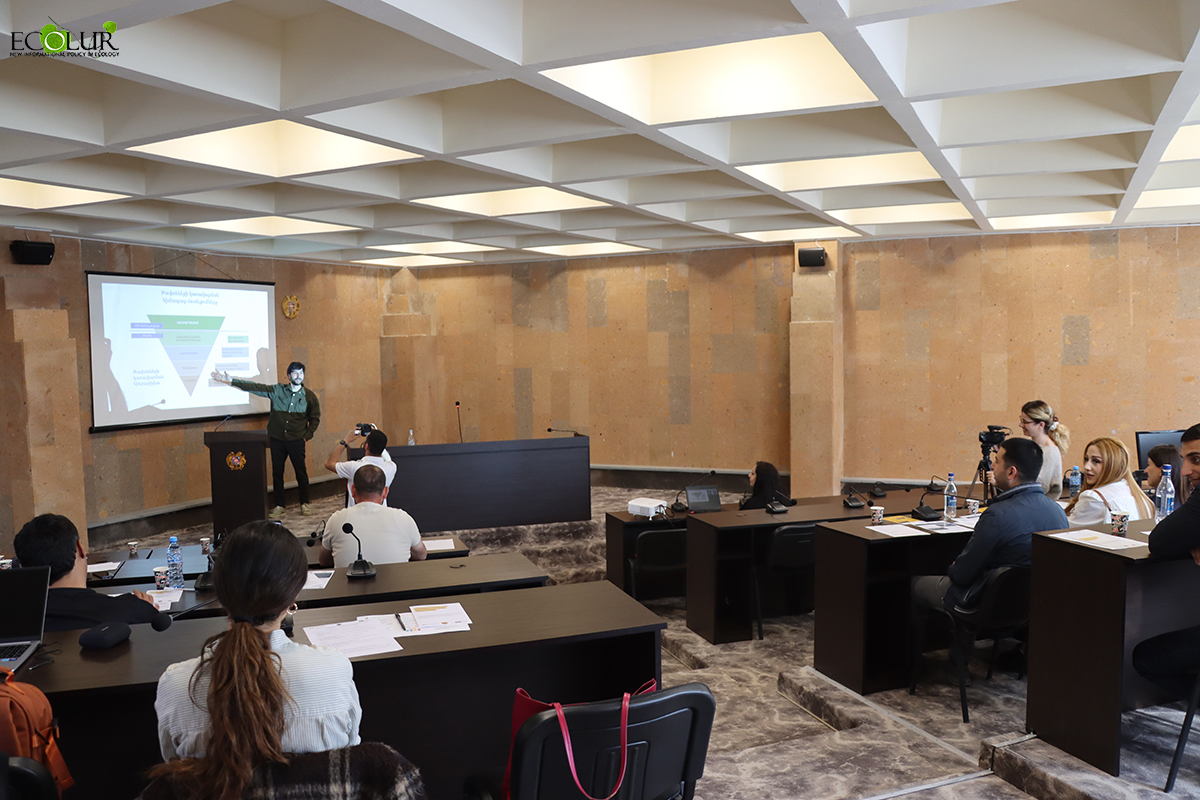
Alpetyan also presented the five-level waste management hierarchy.
At the top of the hierarchy is waste prevention, followed by reuse, recycling, recovery, and finally waste disposal.
“Disposal is the least desirable option. We are not even on this hierarchy triangle — we are at the very bottom,” the expert stated.
He stressed that effective services must be supported by demand and accountability mechanisms. One such mechanism is the Extended Producer Responsibility system that Armenia is preparing to introduce.
The EPR system is based on the “polluter pays” principle. Producers and importers will be financially responsible for waste generated from the products they place on the market. Under the EPR model, Producer Responsibility Organizations will be established, to which producers and importers of certain products will pay fees to ensure future recycling, destruction, or safe disposal of the waste generated by those products.
The list of products expected to fall under the EPR system includes alcoholic and non-alcoholic beverages, motor oils, tires, household appliances such as refrigerators, freezers, washing machines, and televisions, as well as primary batteries. The final list of EPR-covered products will be approved by the Armenian government following the adoption of the EPR law.
As an example, Harutyun Alpetyan noted that alcoholic and non-alcoholic beverages alone generate approximately 11,600 tons of PET plastic bottle waste annually in Armenia - roughly 440 million plastic bottles - of which only 2.6% is currently recycled. Once the EPR system is introduced, the recycling rate is expected to increase, starting from 25%.
Victoria Burnazyan, Vice President of “EcoLur” Informational NGO, noted that communities will play an important role in waste sorting during the implementation of the EPR system.
“The purpose of our meeting is to inform local residents about the EPR system and collect proposals from communities, which will later be summarized during an upcoming conference,” Victoria Burnazyan said.
The adoption of the EPR draft law is primarily linked to Armenia’s obligations under the Comprehensive and Enhanced Partnership Agreement (CEPA) signed between the Republic of Armenia and the European Union, which предусматривает the introduction of the Extended Producer Responsibility institution in Armenia.


This material was produced within the framework of “Waste Policy Armenia” (WPA) program, funded by Sweden and implemented by the AUA Acopian Center for the Environment, with financial support from Sweden and technical support from AUA.
The views, conclusions, and opinions expressed in this material belong to the author(s) and do not necessarily reflect the positions of the program, the American University of Armenia, or the Government of Sweden.
May 06, 2026 at 15:57