
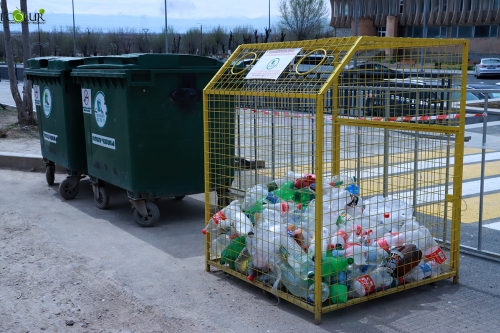
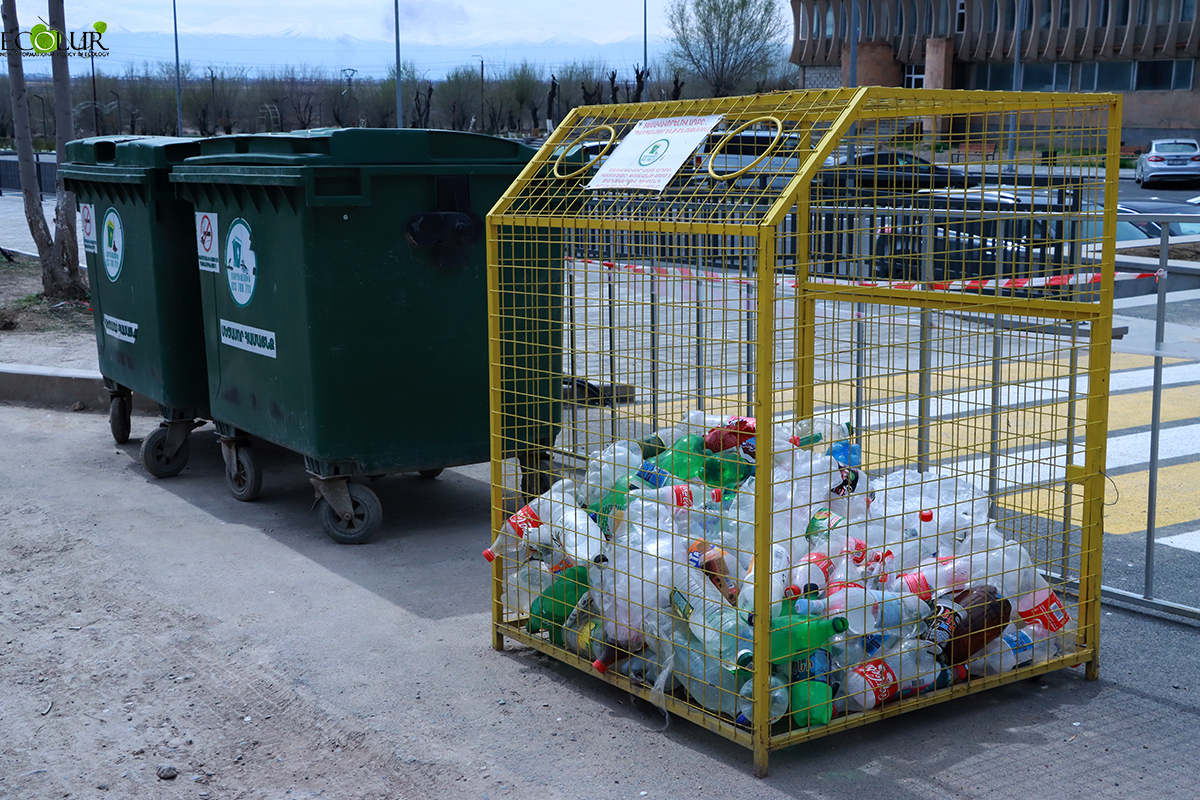
Metsamor Town in Armenia’s Armavir Region has developed a unique approach to waste sorting. Revenue generated from the sale of sorted plastic, cardboard, and paper is transferred by “Makrutyun” LLC — the company responsible for waste collection in the community — to support the treatment of children with cancer. The initiative has become a strong incentive for residents to separate their waste.
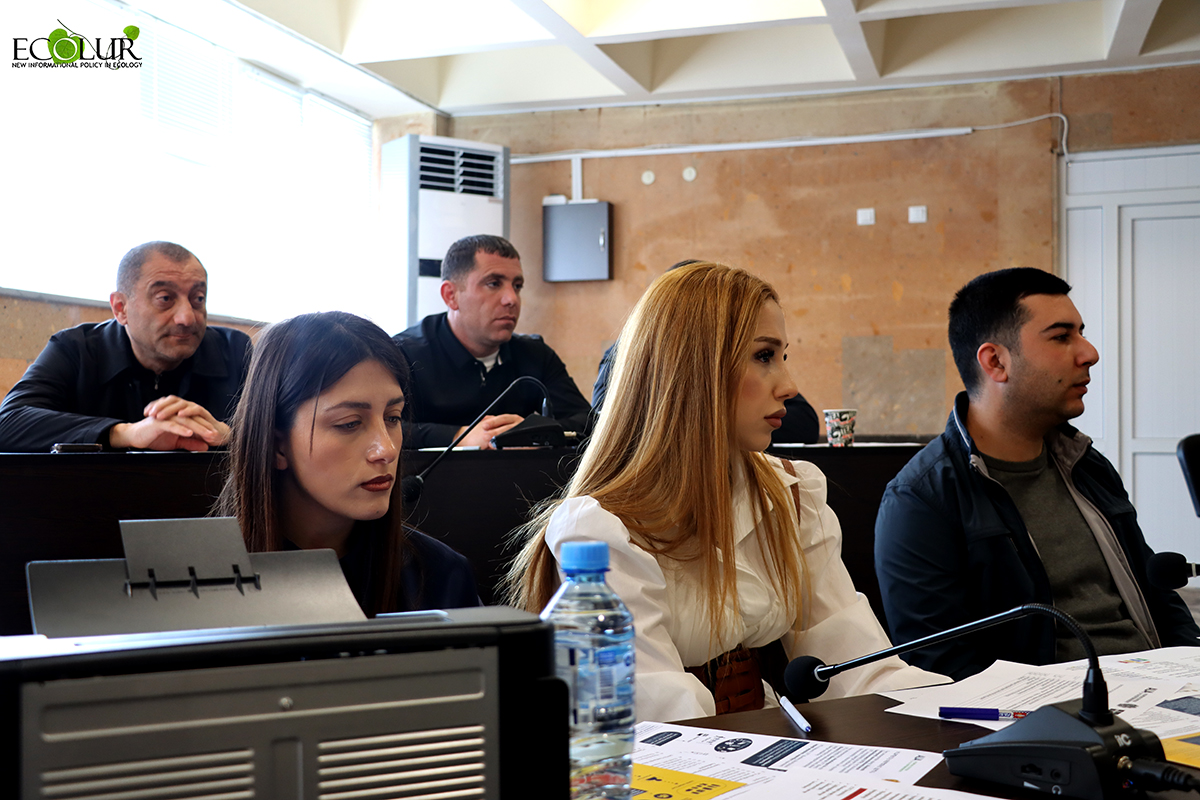
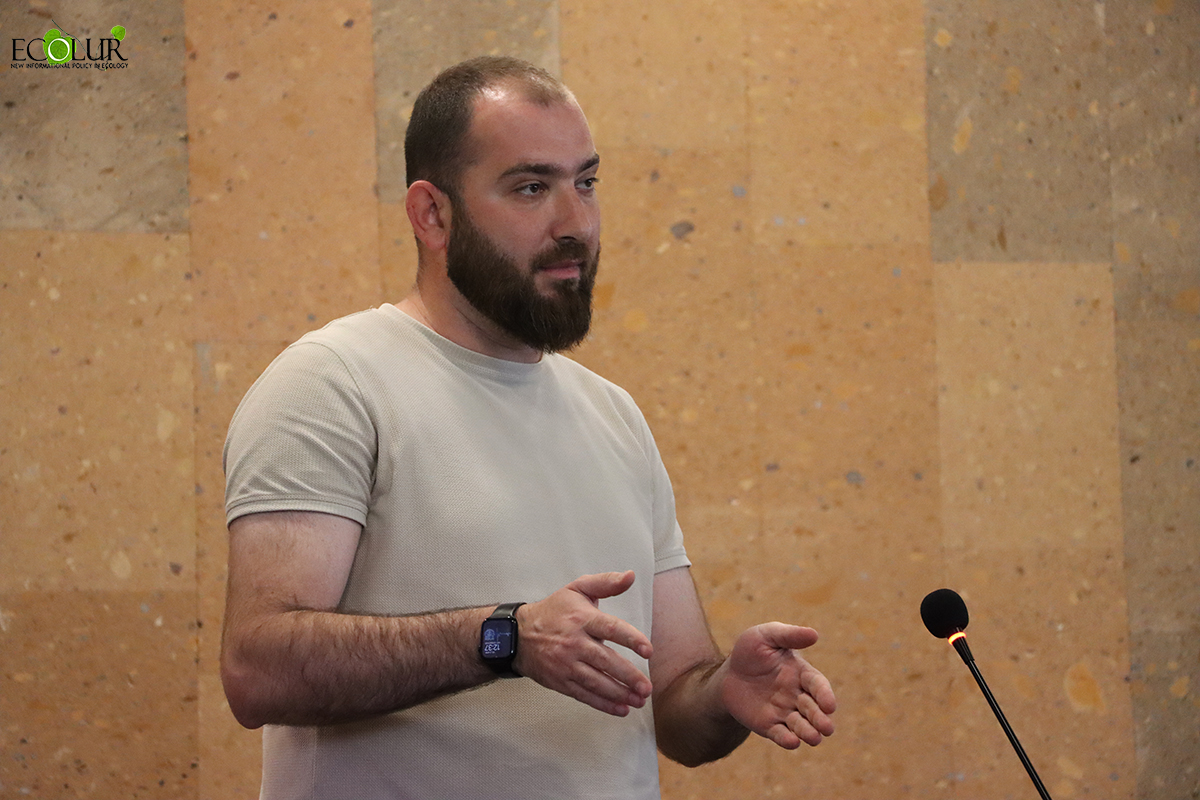
According to Armen Mkrtchyan, Head of the Department for Communal Services, Condominium Coordination, and Transport at the Metsamor Municipality, around 15% of municipal solid waste generated in Metsamor town is currently sorted for recycling. He made the statement during an awareness meeting on the introduction of the Extended Producer Responsibility (EPR) system, jointly organized in Metsamor by EcoLur and the Metsamor Municipality.
The EPR system has been operating across Europe for decades. Under this model, producers and importers are required to pay for the sorting, recycling, and recovery of waste generated from certain products they place on the market. Armenia is now preparing to introduce the same system.
Waste sorting is one of the key components of the EPR system, and residents are expected to play a direct role through primary waste separation at the household level. So far, within the enlarged Metsamor community, only the town of Metsamor has introduced limited waste sorting practices. In the remaining 30 settlements of the community, significant challenges remain.
Not only is waste sorting absent in many villages, but some smaller settlements do not even have garbage bins. “In most settlements we do not have waste containers. Some villages are very small, and at this stage it is not practical to install bins there. Containers are mainly placed in larger settlements. There is also the issue of proper use of waste bins. We are working in that direction so that people understand that not everything should be thrown into the garbage container. I hope we will achieve results and start treating waste collection more seriously,” Armen Mkrtchyan said.
Improving the quality of waste collection services requires additional funding. According to Mkrtchyan, the waste collection fee used to be 150 AMD per resident and has now increased to 200 AMD. However, this amount remains insufficient to cover the full cost of the waste management chain. Expert estimates suggest that at least 500 AMD per resident would be required to ensure full cost recovery.
Landfills within the community have already been closed. Metsamor’s municipal solid waste — around 16,753 tons annually — is now transported to the Armavir community landfill. In return, the Metsamor Municipality pays approximately 50 million AMD per year to Armavir Municipality.
According to data presented by Armen Mkrtchyan, end-of-life tires account for around 20% of the waste disposed of at the landfill, while 90% of electronic waste and 30% of packaging waste also end up there. Under the EPR system, these waste streams would need to be separately collected and would no longer be sent to landfills.
The smaller the volume of waste directed to landfills, the more money the community can save. In this regard, the introduction of the EPR system is expected to have a positive impact both on reducing waste volumes in Metsamor and on easing pressure on the community budget.

This material was produced within the framework of “Waste Policy Armenia” (WPA) program, funded by Sweden and implemented by the AUA Acopian Center for the Environment, with financial support from Sweden and technical support from AUA.
The views, conclusions, and opinions expressed in this material belong to the author(s) and do not necessarily reflect the positions of the program, the American University of Armenia, or the Government of Sweden.
May 14, 2026 at 14:30