
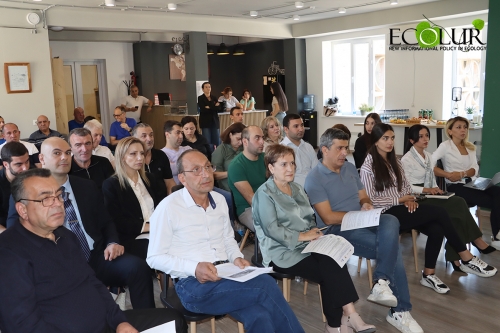
On October 10, 2025, a regional consultation on community needs for implementing climate change mitigation and adaptation policies was held at “Loft-Meghri” youth center in Syunik Region.
MPs, representatives of the Meghri local government, the United Nations Development Programme (UNDP), the Ministry of Environment, civil society organizations, experts, and youth participated in the consultation.

The goal of the consultation was to raise awareness about Armenia’s national climate commitments—particularly the Nationally Determined Contributions (NDCs) for 2021–2030 —and to gather information from local authorities, civil society, and youth on the community’s climate challenges, needs, and opportunities. The consultation also aimed to facilitate dialogue with members of parliament.
The consultation was held within the framework of the UNDP programme “Fostering the Response Capacity, Efficiency, Transparency and Inclusiveness of the National Assembly of the Republic of Armenia” (FORSETI). The programme is implemented with financial support from the Governments of Sweden and Canada, in cooperation with the National Assembly of Armenia.
The initiative supports parliament in becoming more inclusive, transparent, and accountable to citizens by using a range of tools and platforms.
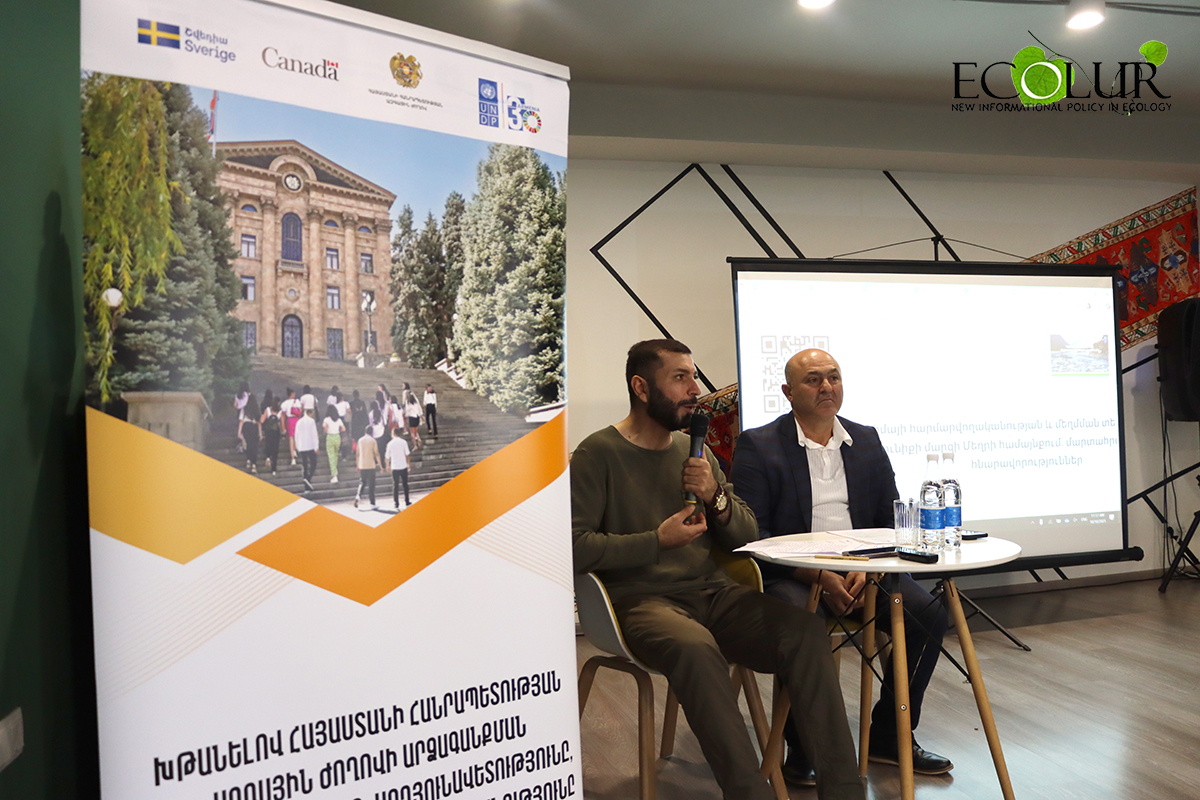
UNDP programme coordinator Ruzanna Hayrapetyan noted that the main purpose of the meeting is to raise residents’ awareness, listen to the issues faced by the community, and identify which of those issues they want to see reflected on the legislative agenda. “This is a platform where members of parliament can discuss with citizens the issues that concern and affect them, and determine what legislative initiatives or actions lawmakers, together with the executive branch, should undertake in order to respond to the needs of local residents,” she said.
MP Rustam Bakoyan, Deputy Chair of the Standing Committee on Protection of Human Rights and Public Affairs, stated: “Climate change is felt first and foremost by communities and residents. The state must be guided by the need to make sound investments in the agricultural sector. Capacities must be generated, and we must move forward together. If legislative changes are needed, then those changes fall within our mandate. My colleagues and I, as members of the ruling political force, have the opportunity to make those legislative changes and thereby help create more resilient communities.”
Marina Ghazaryan, a member of the same parliamentary committee, added: “Climate change is a very important issue not only for Armenia, but for the entire world. This is why we meet with community leaders and residents to discuss how we can combat climate challenges and what solutions we can find. We try to bring these issues into the legislative domain, initiating amendments when necessary. Many issues have already been resolved through this process. There must be a two-way connection: parliamentarians are accountable to the people, and citizens must also be demanding of their representatives.”
Diana Harutyunyan, Senior Adviser to the UN Climate Change Programme, spoke about the country’s national climate challenges and the policies aimed at overcoming them. She emphasized that even if emissions were reduced to zero today, the climate would continue to change, making it necessary to prepare for shifts in the water, energy, and agricultural sectors. In Meghri, for example, efficient water resource management is vital - for agriculture, for residents, and for industry. Communities can incorporate climate mitigation and adaptation measures into their subvention programmes, including the development of solar energy systems, improvements in energy efficiency, forest conservation, and fire prevention.
Armenia is also involved in international adaptation and loss-and-damage funding mechanisms, from which the Meghri region can likewise benefit.

November 14, 2025 at 12:58